Gothic cathedrals stand as some of the most breathtaking architectural achievements of the Middle Ages.
Originating in France, this style transformed church design with soaring spires, intricate carvings, and stained glass windows that bathe interiors in colorful light.
These cathedrals not only served as places of worship but also as symbols of human aspiration and devotion.
Across Europe, many cities boast magnificent Gothic cathedrals that have withstood centuries of history, war, and restoration.
From the symmetrical grandeur of Reims Cathedral to the towering bell towers that seem to reach the heavens, these structures continue to captivate visitors with their blend of art, faith, and engineering.
1. Notre Dame de Paris
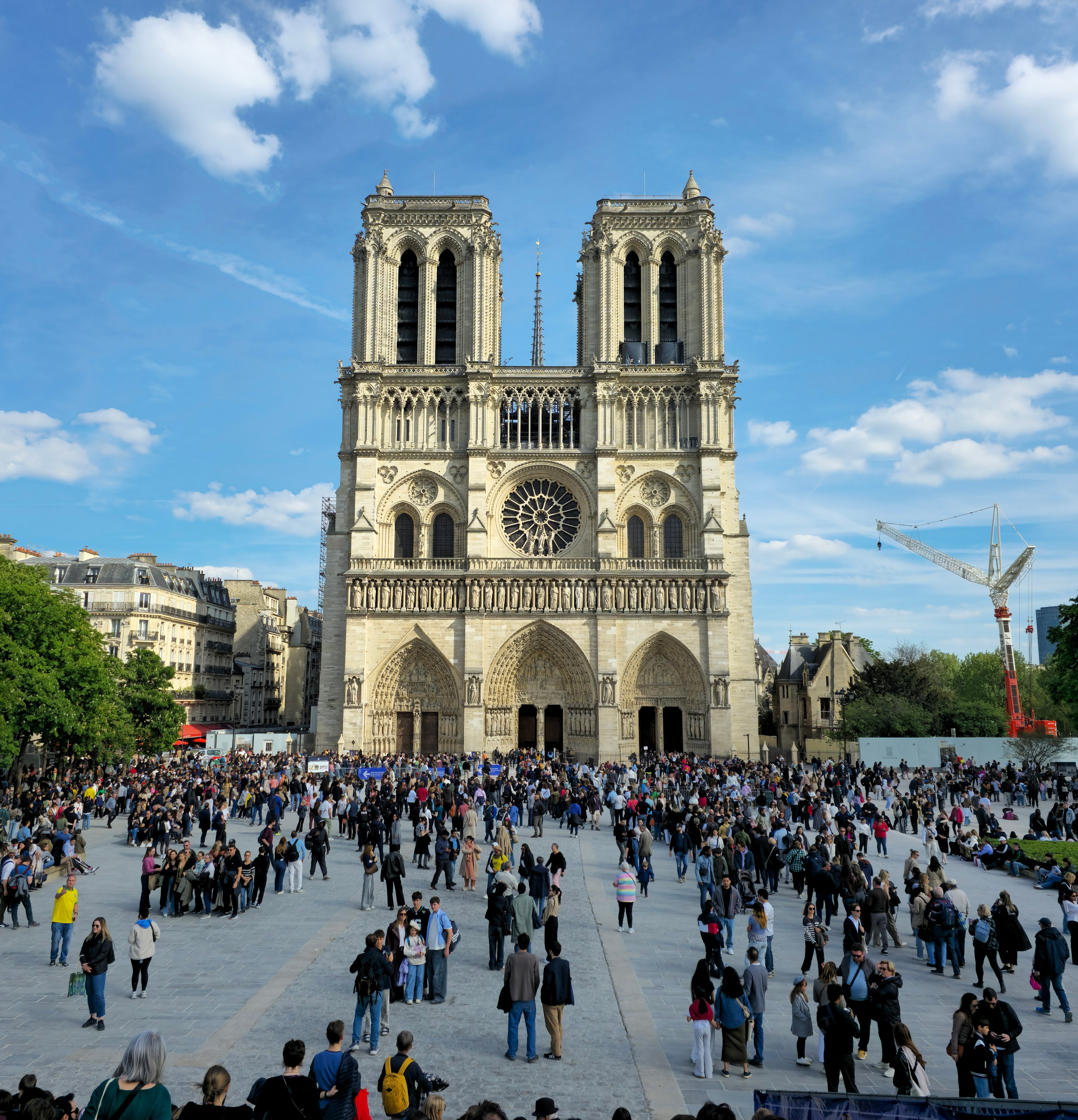
Notre Dame de Paris stands as the iconic symbol of French Gothic architecture. Built between 1163 and 1345 on a Gallo-Roman temple site, its twin towers dominated Paris’ skyline until the 19th century.
The cathedral showcases pioneering flying buttresses, soaring rib vaults, and stained glass windows that flood its interior with light.
These architectural innovations allowed for thinner walls and larger windows, creating a transcendent space.
Its sculptural details reflect the naturalism that distinguishes Gothic design from earlier Romanesque styles. Serving as a cultural and religious heart of Paris, Notre Dame remains a testament to medieval craftsmanship and faith.
2. Chartres Cathedral
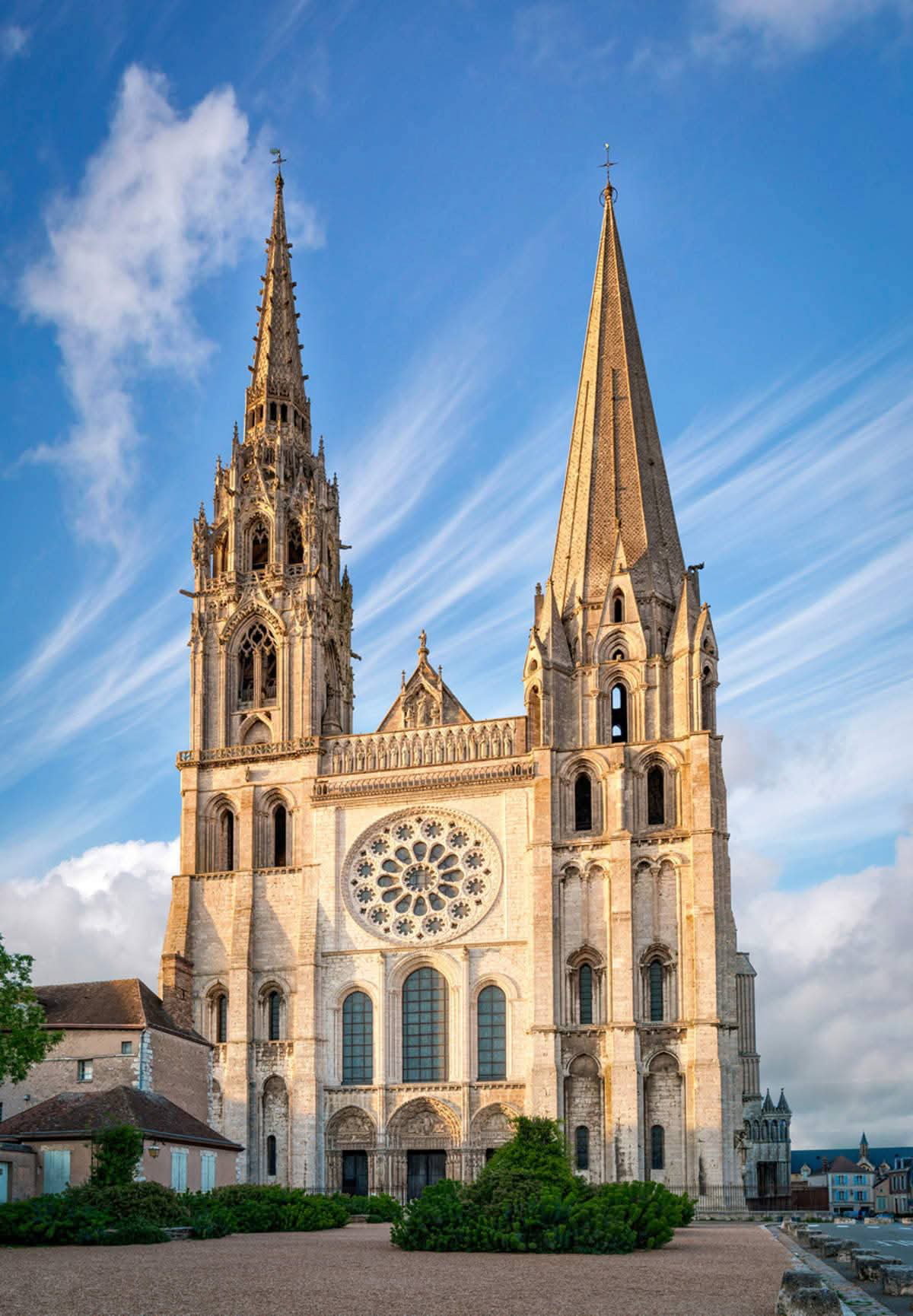
Chartres Cathedral stands out as a crown jewel of French Gothic architecture, built within 26 years after a devastating fire in 1194.
Its revolutionary west façade features the iconic Royal Portal with asymmetrical towers—one a 349-foot plain pyramid and the other a 377-foot flamboyant Gothic spire.
The cathedral houses nearly 28,000 square feet of medieval stained glass, including three magnificent rose windows illustrating the Last Judgment, the Glorification of the Virgin, and Christ. Heavy flying buttresses allowed larger windows, enhancing light and space.
The exterior displays hundreds of sculpted figures narrating key theological themes, making Chartres a superb example of High Gothic design and exceptional preservation.
3. Cologne Cathedral
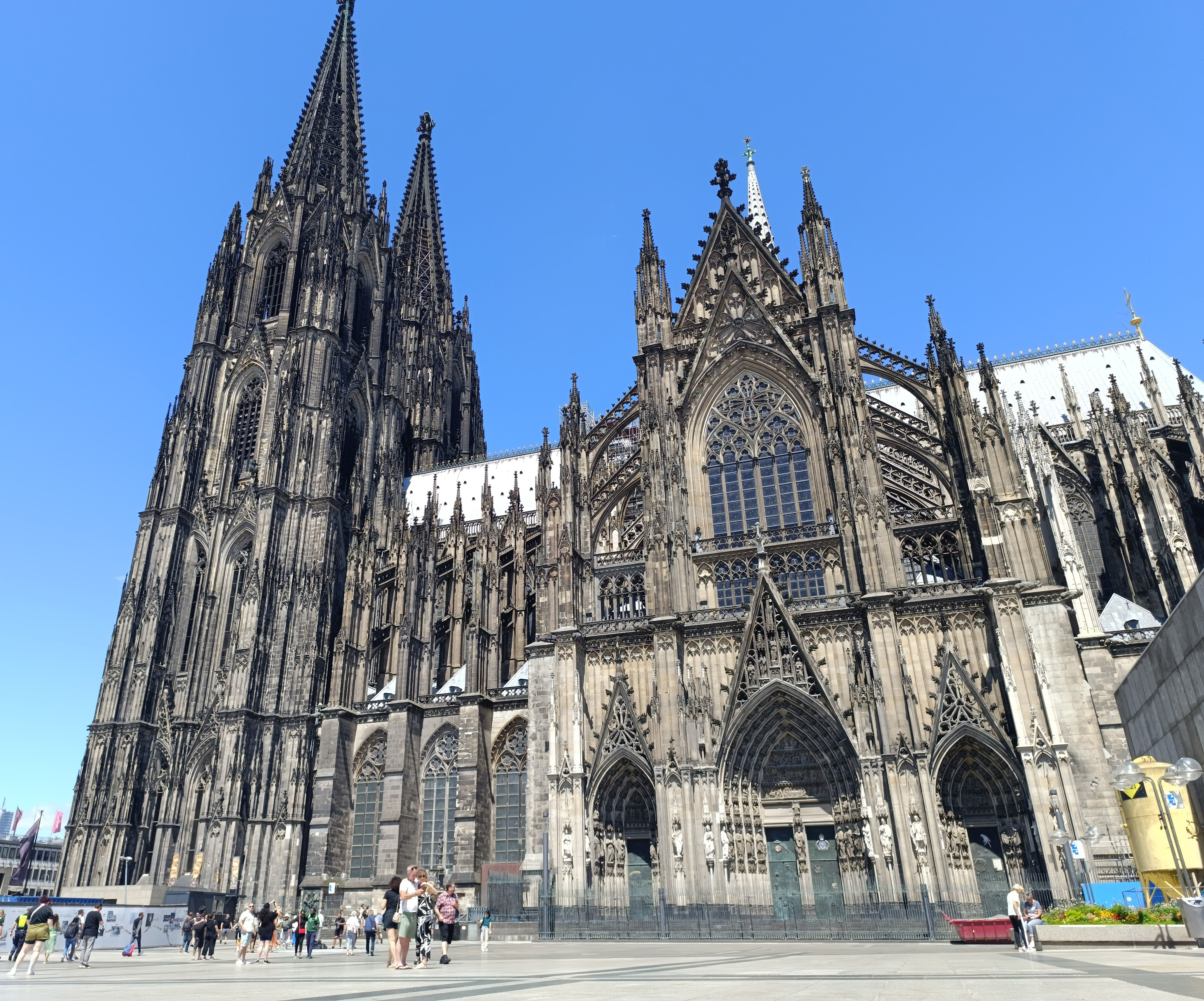
Standing at 157 meters, Cologne Cathedral is the largest Gothic church in Northern Europe and the second tallest worldwide after Ulm Minster.
Construction began in 1248 but paused for over 300 years, resuming in the 19th century and completing in 1880.
Its design features twin towers, steep gables, blind tracery, and soaring vaults in a Latin cross layout supported by two aisles.
Known for surviving WWII bombings, it houses the relics of the Three Kings in an exquisite golden reliquary, making it a vital pilgrimage site and masterpiece of Gothic art and architecture.
4. Florence Cathedral

Known as Santa Maria del Fiore, Florence Cathedral is a stunning Gothic basilica with a Latin cross plan comprising a wide central nave and aisles separated by pointed arches resting on composite piers.
Built on the 7th-century Santa Reparata church site, it features a magnificent dome accessible by climbing 463 steps, offering panoramic views of Florence’s historic center.
Completed in 1847 during the Gothic revival, its façade showcases gilded pinnacles and statues. As Italy’s third-largest cathedral and the fourth largest in the world, it is a UNESCO World Heritage site famous for blending medieval architecture with Renaissance innovation.
5. Milan Cathedral

Milan Cathedral, Italy’s largest church and the world’s fifth-largest cathedral, is a breathtaking masterpiece that began construction in 1386 and took nearly six centuries to complete, with final touches added in 1965.
Its intricate Gothic design boasts the highest vaulted nave among all Gothic churches, supported by four side aisles, while the roof is crowned with a mesmerizing forest of openwork pinnacles and spires resting on delicate flying buttresses.
Blending Gothic styles with Renaissance elements—most notably in the pediments above the front facade windows—the cathedral reflects a rich mix of architectural influences from French, German, and Lombard traditions.
Its iconic white and pink marble exterior remains under continual restoration, preserving its timeless grandeur. Atop the main spire stands the gilded statue of the Virgin Mary, added in 1774 and serving as a beloved symbol of Milan.
The cathedral also holds historical importance as the site where Napoleon crowned himself King of Italy in 1805.
Located in the Piazza del Duomo beside the Galleria Vittorio Emanuele II, this architectural wonder attracts millions of visitors each year, standing as a true testament to medieval craftsmanship and artistic ambition.
6. Westminster Abbey
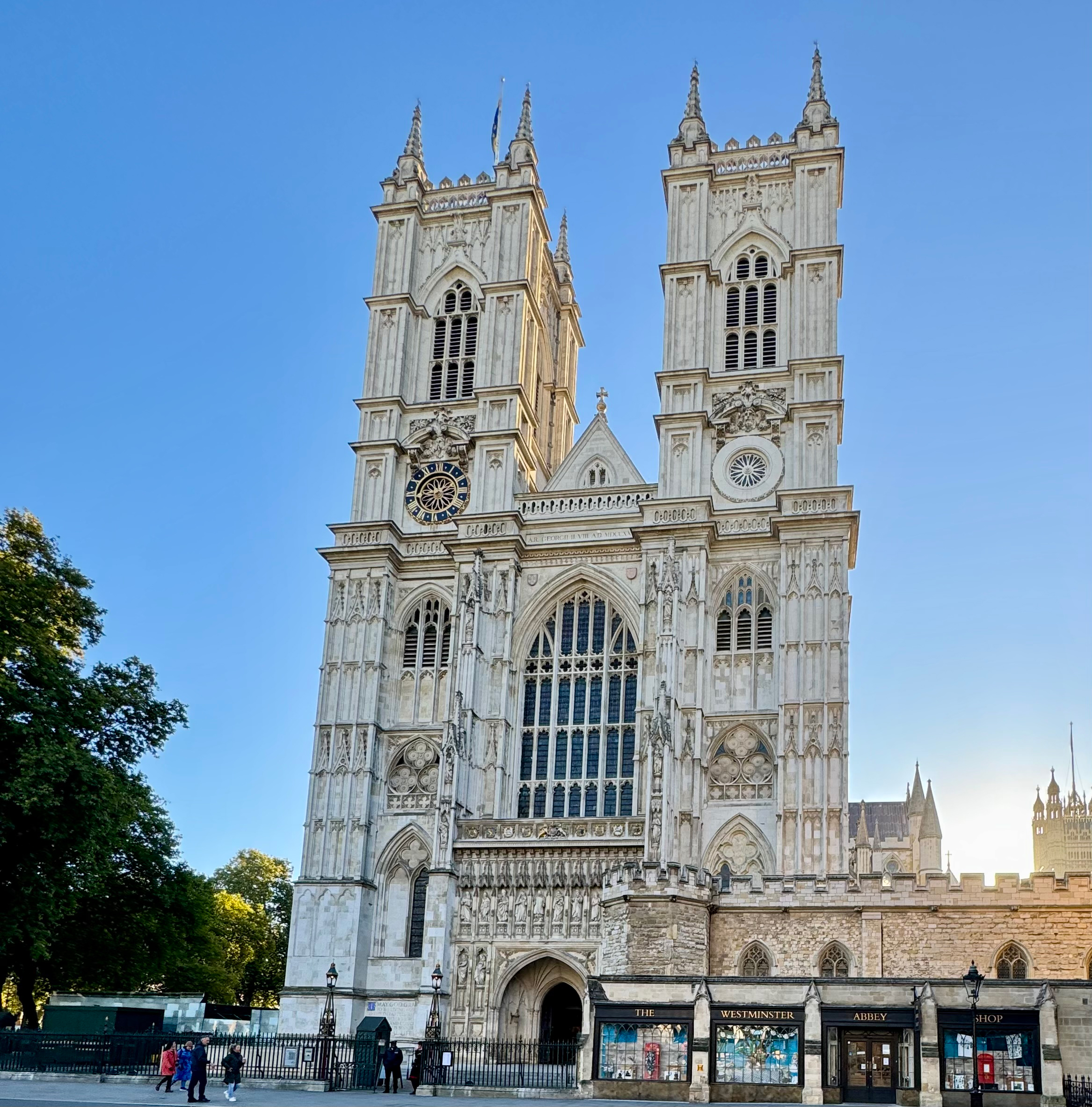
Westminster Abbey stands as a pinnacle of English Gothic architecture in London’s Westminster borough. Construction began in 1245 and concluded by the 14th century, with its iconic twin towers added in the 18th century.
Though not a cathedral, it serves as a Royal Peculiar under the monarch’s direct jurisdiction. This medieval masterpiece hosts nearly every British monarch’s coronation since 1066 and features stunning vaulted ribbed ceilings, intricate statues, and the Chapter House with its extraordinary medieval tiled floor.
Westminster Abbey remains a living archive of British history with tombs of monarchs, poets, and luminaries within its walls.
7. Catedral de Sevilla

Seville Cathedral is the largest Gothic church in the world, built between 1434 and 1517 on the site of a former mosque.
It features key Gothic elements like pointed arches, flying buttresses, stained glass, and a grand rose window.
The Giralda, originally a minaret from the mosque, survived and now serves as the cathedral’s iconic bell tower.
Declared a UNESCO World Heritage Site, the cathedral reflects Seville’s rich history from Islamic rule to Christian Reconquista, symbolizing architectural grandeur and cultural fusion.
8. Reims Cathedral
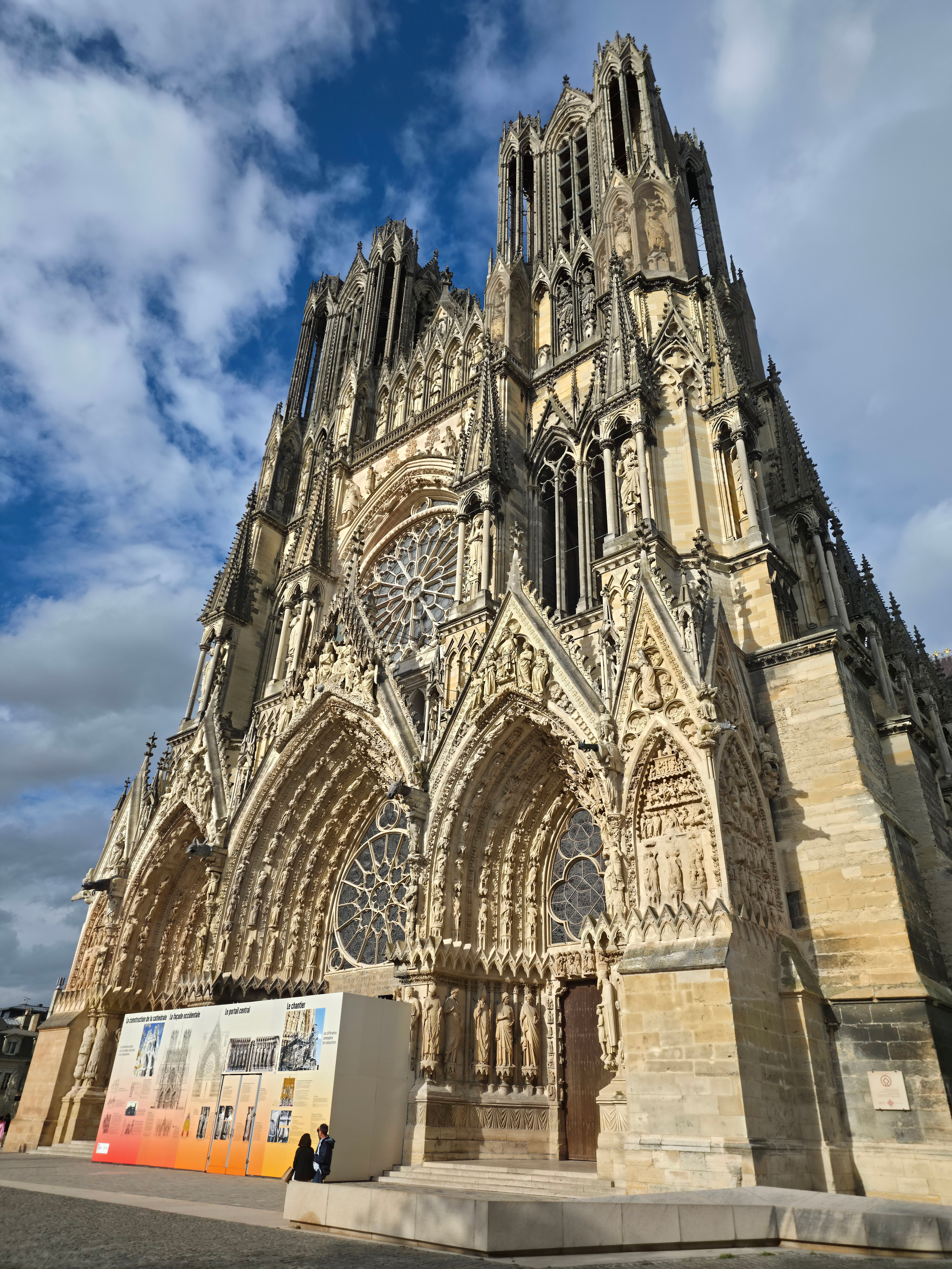
Situated 90 miles from Paris, Reims Cathedral stands as a masterpiece of 13th-15th century Gothic architecture. It features a striking symmetrical façade and a massive central window.
The cathedral hosted the coronations of 26 French kings, including Charles VII, crowned with Joan of Arc’s influence in 1429. Damaged in WWI, its restored interior showcases stained glass, including Marc Chagall’s windows.
The original architects—Jean d’Orbais, Jean le Loup, Gaucher de Reims, and Bernard de Soissons—left their mark with a labyrinth floor design. UNESCO designated it a World Heritage Site in 1991.
9. Amiens Cathedral
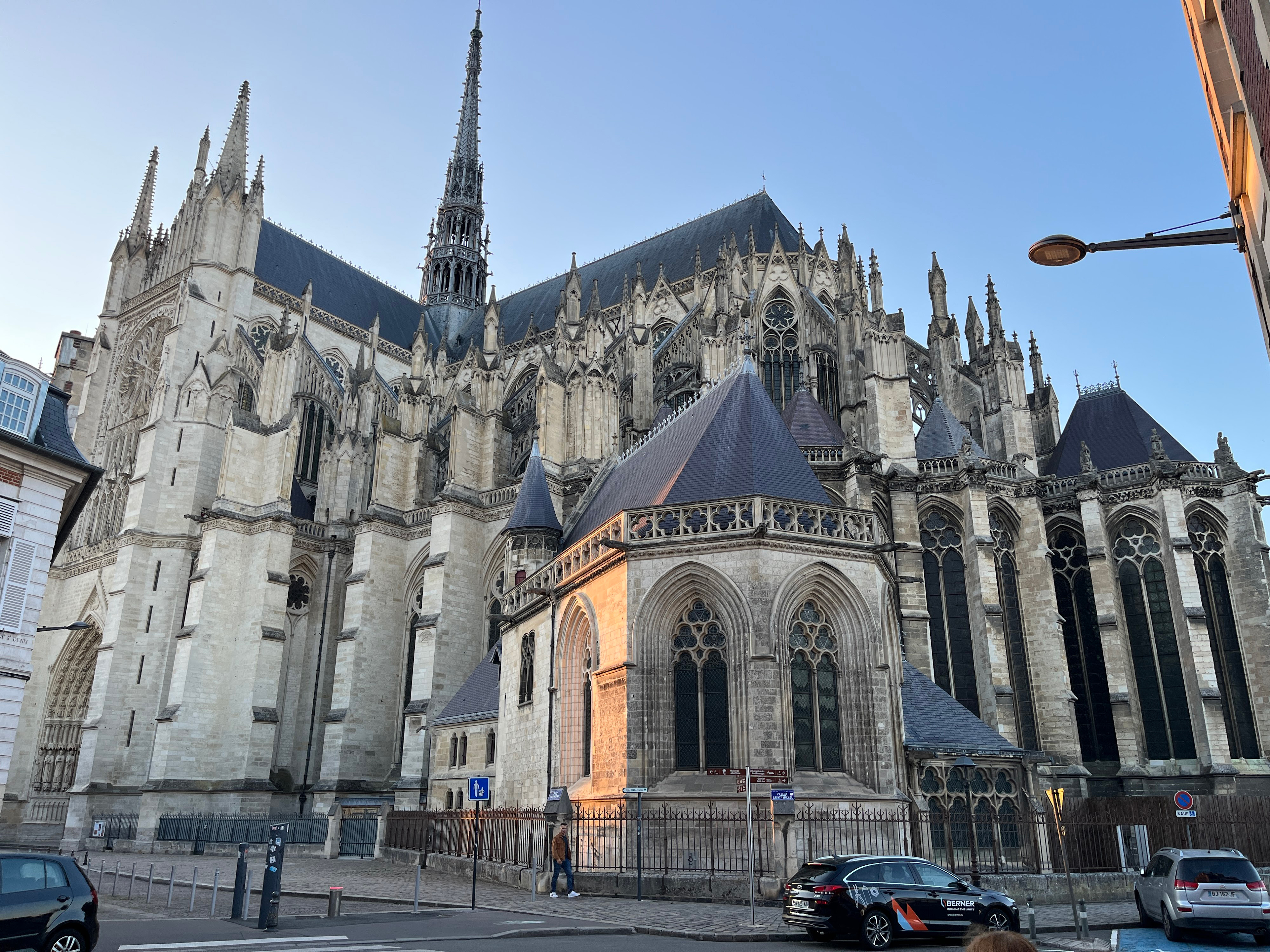
Amiens Cathedral, the largest Gothic cathedral in France, was remarkably constructed in just 50 years (1220–1270), resulting in a rare and uniform High Gothic style.
Its awe-inspiring nave, soaring to 42.3 meters (139 ft)—the tallest in France—is bathed in light from expansive stained glass windows.
The west façade features twin asymmetrical bell towers and a massive rose window, embodying 13th-century Gothic grandeur.
Inside, intricate stone carvings, 16th-century choir stalls, and the celebrated sculptural masterpieces known as the “Amiens Bible” adorn the gates.
The cathedral’s restored polychrome exterior, revealed through a 1999 laser cleaning, comes alive each summer during light shows that recreate its original medieval colors.
Recognized as a UNESCO World Heritage Site since 1981, Amiens Cathedral stands as a lasting symbol of Gothic excellence and medieval artistry.
10. St. Stephen’s Cathedral, Vienna

St. Stephen’s Cathedral stands as Vienna’s most iconic Gothic landmark. It features two Romanesque towers built before the Gothic nave, with the South Tower dominating the skyline for centuries.
Construction spanned centuries with interruptions, blending Romanesque and Gothic styles. The cathedral’s roof, destroyed in WWII, was rebuilt using steel reinforcement and covered with 230,000 multicolored glazed tiles, now a symbol of Vienna.
Ranking as the third tallest church worldwide, it embodies the city’s rich medieval heritage and architectural evolution.
Alicia Richards