England’s architectural landscape is a captivating blend of history and modernity. From centuries-old castles to contemporary skyscrapers, the country boasts some of the world’s most beautiful and iconic buildings.
These landmarks not only define England’s skyline but also tell stories of its rich heritage and cultural achievements.
Recent surveys reveal that 67 percent of people agree England’s buildings rank among the most beautiful globally, yet 71 percent admit they often overlook this beauty.
With nearly two-thirds of Britons planning staycations, exploring these architectural marvels has never been more popular.
1. Westminster Abbey
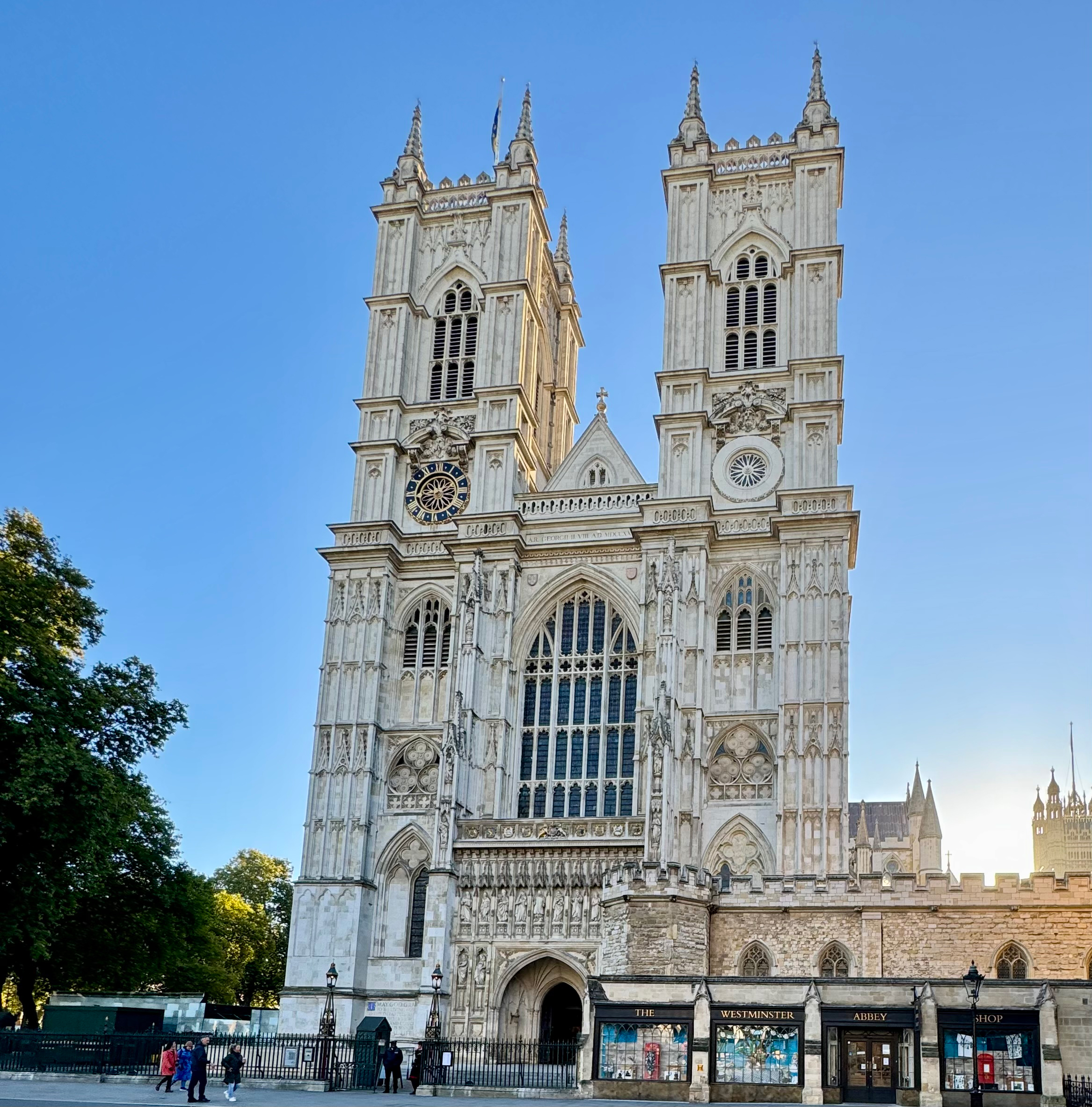
Westminster Abbey stands as one of England’s most iconic religious buildings. This Gothic masterpiece has hosted 16 royal weddings, including that of Prince William and Catherine Middleton.
It has also been the coronation site for every English monarch since 1066. Noted for its stunning architecture and rich history, the Abbey is home to numerous tombs of kings, queens, poets, and scientists.
Its blend of spiritual and cultural heritage makes it a must-see landmark in London, reflecting England’s royal and historical legacy.
2. Buckingham Palace

Buckingham Palace stands as England’s most beautiful building, winning 24% in a national poll. Built in 1703 and transformed into a royal palace by John Nash in the 19th century, it became the official London residence of the British monarch in 1837.
With 775 rooms and the largest private garden in London, it hosts state events and royal ceremonies. Visitors can tour the opulent staterooms from July to September.
The daily Changing of the Guard, held year-round on select days, remains a top attraction. Over a million people visit Buckingham Palace annually, drawn by its grandeur and historical significance.
3. St. Paul’s Cathedral
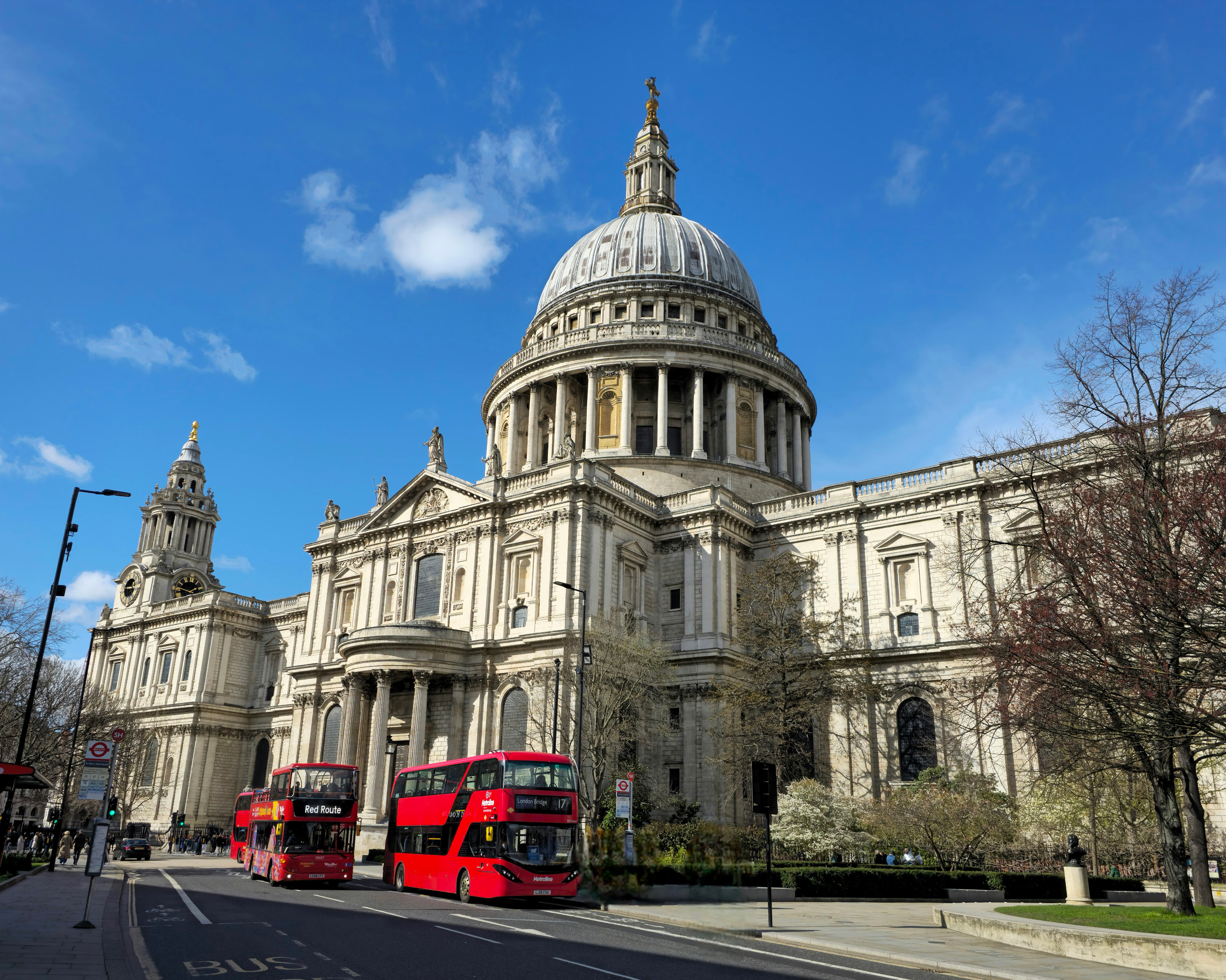
St. Paul’s Cathedral, a Christopher Wren masterpiece, dominates London’s skyline with its majestic dome for over 300 years.
Established originally in AD 604, the current English Baroque structure was rebuilt after the Great Fire of 1666.
Visitors can explore the crypt containing national heroes, climb to the Whispering Gallery to experience unique acoustics, and enjoy panoramic views of London from the Stone and Golden Galleries.
As the seat of the Bishop of London and a Grade I listed building, it remains a vital religious and architectural icon. Guided tours reveal rich history and stunning design details.
4. Big Ben
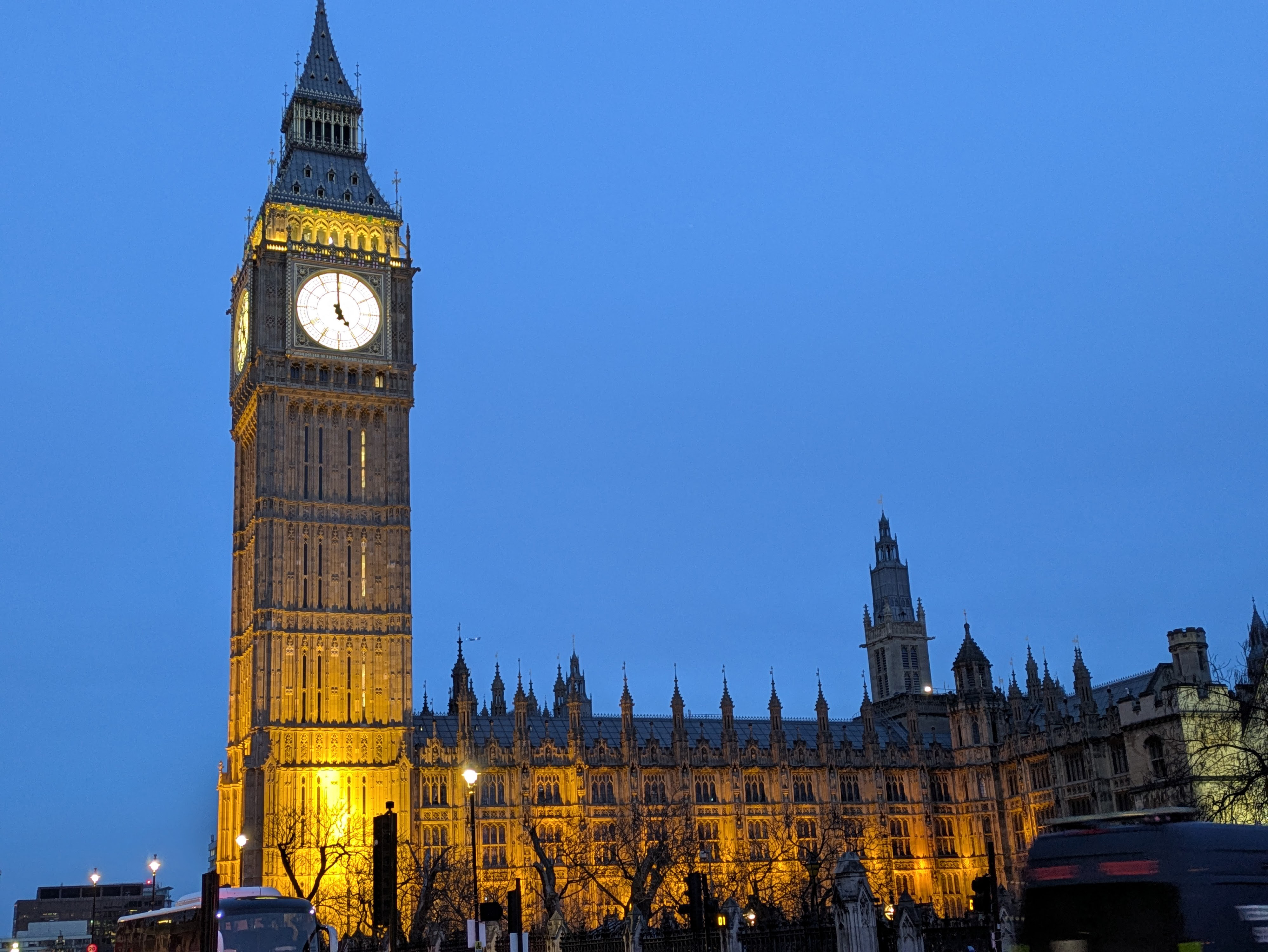
Big Ben, the nickname for the Great Bell of the clock at the Palace of Westminster, is one of England’s most iconic landmarks.
Completed in 1859, it stands tall within Elizabeth Tower and is renowned for its accuracy and massive bell chimes.
Visitors admire its Gothic Revival architecture, designed by Augustus Pugin, while the clock’s four faces are illuminated at night, making it visible across London.
As a symbol of British heritage and parliamentary democracy, Big Ben remains a must-see landmark and a staple image in representations of England worldwide.
5. Lincoln Cathedral

Lincoln Cathedral, built in 1075 by William the Conqueror, stands as a stunning example of Gothic architecture nearly 143 miles north of London.
Known also as Lincoln Minster or St Mary’s Cathedral, it once housed one of the original four Magna Carta copies.
The cathedral’s West Front features the largest collection of figurative statues in the western world. With soaring flying buttresses, ribbed vaults, and pointed arches, it was the tallest building globally until 1548.
Architects worldwide admire its medieval craftsmanship, making it one of England’s most treasured religious landmarks.
6. The Shard
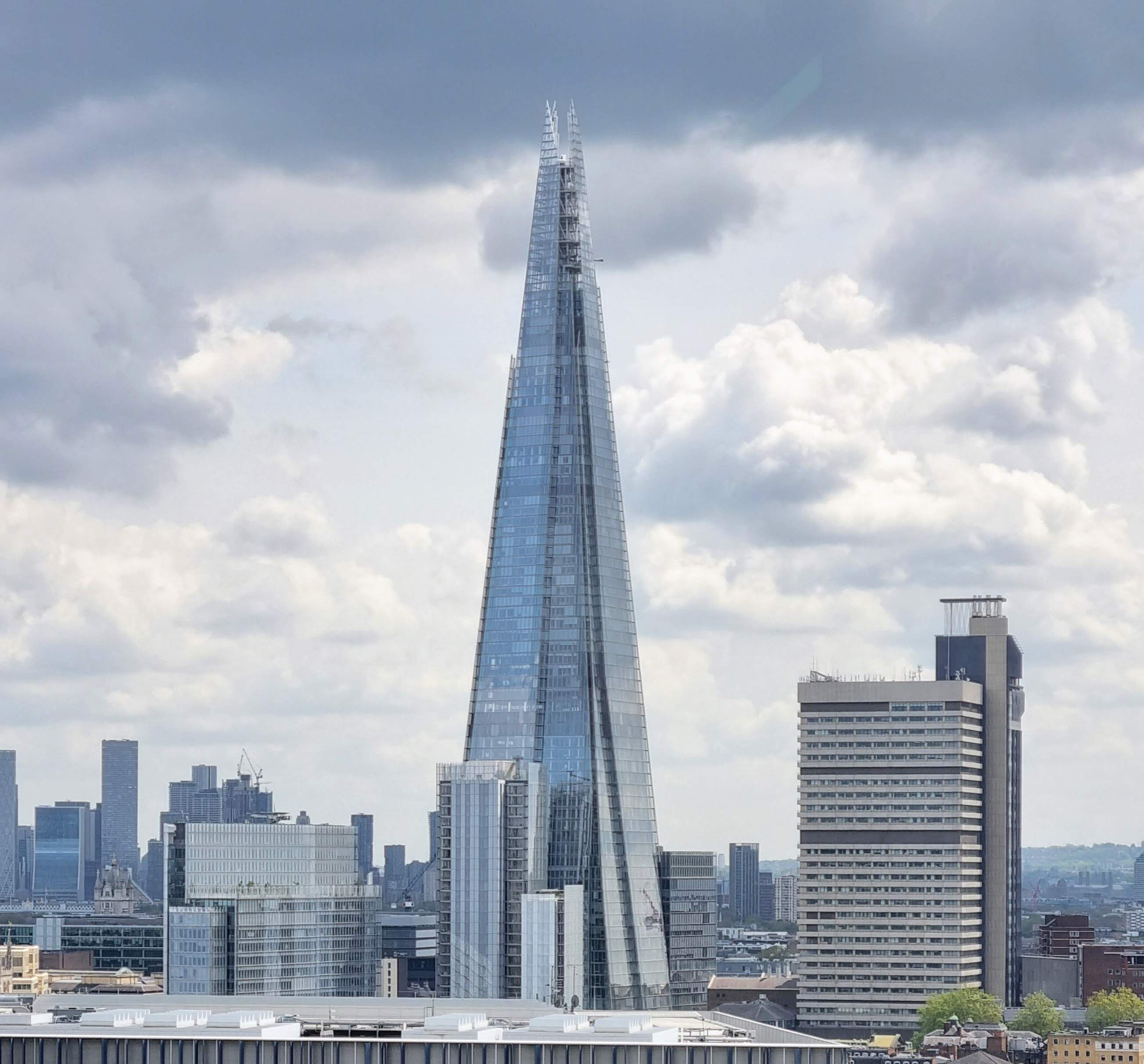
Rising 309.6 meters (1,016 feet), The Shard is the tallest building in London and the United Kingdom. Completed in 2012, this 95-story skyscraper redefined the city’s skyline with its sleek, glass design.
Visitors can enjoy its 360-degree viewing platform on the 72nd floor, 244 meters (800 feet) above ground, offering panoramic views from the Thames to Big Ben.
An open sky terrace enhances the experience, while multimedia screens provide immersive insights into London’s rich history. The Shard combines modern architecture with cultural storytelling, making it a must-visit landmark.
7. Royal Pavilion

The Royal Pavilion in Brighton stands out with its exotic Indo-Saracenic architecture. Built in the early 1800s for King George IV as a seaside retreat, it combines Indian and Chinese design influences unlike any other British building.
Visitors admire its ornate domes, minarets, and lavish interiors filled with Regency-era decor. Once a royal residence, today it serves as a museum and cultural venue, showcasing Britain’s fascination with Eastern styles during the Regency period.
Its unique architecture and rich history make the Royal Pavilion an essential stop on any tour of England’s iconic buildings.
8. York Minster

York Minster towers as northern Europe’s largest medieval cathedral, built between 1230 and 1472. It boasts the world’s largest medieval stained glass expanse, including the famous Great East Window from 1405.
Visitors can climb 275 stone steps to the top of its impressive tower for stunning views of York’s ancient walled city.
This Gothic masterpiece reflects York’s historical status as a key political and religious capital, showcasing English Gothic architectural evolution through its wide nave and intricate stonework.
9. Shakespeare’s Birthplace

Shakespeare’s Birthplace in Stratford-upon-Avon stands as a preserved Tudor-style home where the legendary playwright was born in 1564.
Visitors explore its timber-framed rooms filled with period furnishings and exhibits on Shakespeare’s life and works. The site offers interactive performances and guided tours that bring Elizabethan England to life.
As a cultural landmark, it draws literature fans worldwide, celebrating England’s rich theatrical heritage and inspiring generations of writers.
10. Salisbury Cathedral

Standing at 404 feet, Salisbury Cathedral boasts the tallest church spire in the UK. Built between 1220 and 1258, it’s a prime example of Early English Gothic architecture, featuring the highest vault in Britain.
The cathedral houses one of the four original copies of the 1215 Magna Carta, exceptionally well preserved. Its cloisters are the largest enclosed cathedral gardens in the UK, surrounded by covered walkways.
This grand structure combines architectural splendor with profound historical significance, making it a must-see landmark.
Alicia Richards