China’s architectural landscape is a captivating blend of ancient marvels and modern masterpieces.
From the grandeur of historic landmarks to cutting-edge skyscrapers, these buildings reflect centuries of cultural evolution and human ingenuity.
Exploring China’s famous structures offers a window into the nation’s rich heritage as well as its rapid modernization.
Among the most iconic are the Great Wall and the Forbidden City, symbols of China’s imperial past, alongside contemporary wonders like the Shanghai Tower and the Bird’s Nest National Stadium.
Each building tells a unique story, showcasing architectural styles that span thousands of years. Delving into these ten famous buildings reveals not only their impressive designs but also their profound cultural significance in shaping China’s identity.
1. Giant Wild Goose Pagoda
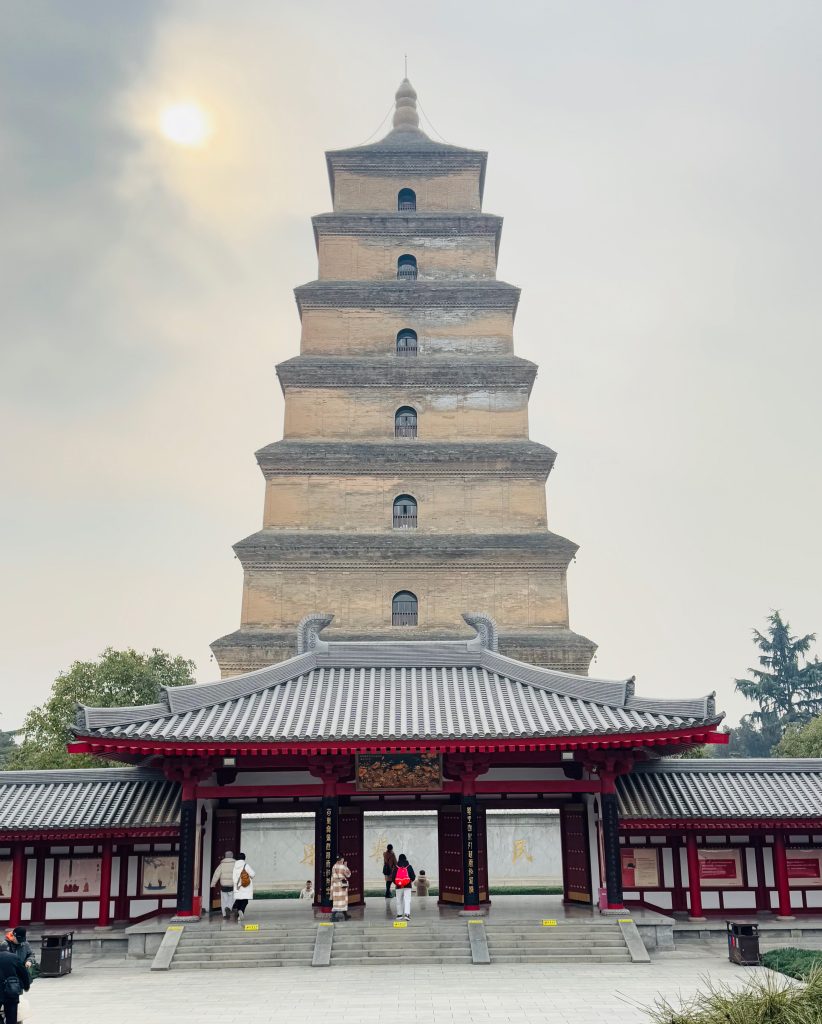
Constructed in 652 AD during the Tang Dynasty, the Giant Wild Goose Pagoda in Xi’an serves as a vital symbol of Buddhist culture and ancient Chinese architecture.
They built this seven-story pagoda to preserve sacred Buddhist scriptures brought from India by the monk Xuanzang.
Featuring a simple yet elegant design, it combines traditional brickwork with sweeping eaves, reflecting Tang-era aesthetics.
Visitors can climb its 64 meters to enjoy panoramic views of the surrounding city and learn about China’s role in spreading Buddhism across Asia.
2. CCTV Headquarters
The CCTV Headquarters in Beijing redefines skyscraper design with its unique loop shape formed by six horizontal and vertical sections.
Standing 234 meters tall, this 51-story building features a striking 75-meter cantilever that connects two towers, creating an irregular grid façade.
Designed by Rem Koolhaas and OMA, the building showcases innovative engineering that handles seismic challenges while offering 473,000 square meters of floor space.
Celebrated for its bold form and structural ingenuity, the CCTV Headquarters won the Best Tall Building award in 2013 and remains a symbol of modern Chinese architecture.
3. The Palace Museum
The Palace Museum, located in Beijing’s Forbidden City, served as the imperial palace for 24 Ming and Qing dynasty emperors.
Spanning over 180 acres, it features nearly 1,000 traditional Chinese buildings with intricate roofs and ornate gates symbolizing imperial power.
Established as a museum in 1925, it houses vast collections of ancient paintings, ceramics, and artifacts.
Designated a UNESCO World Heritage Site in 1987, the museum preserves China’s rich cultural heritage and showcases architectural harmony rooted in ancient Chinese cosmology.
4. National Centre for the Performing Arts
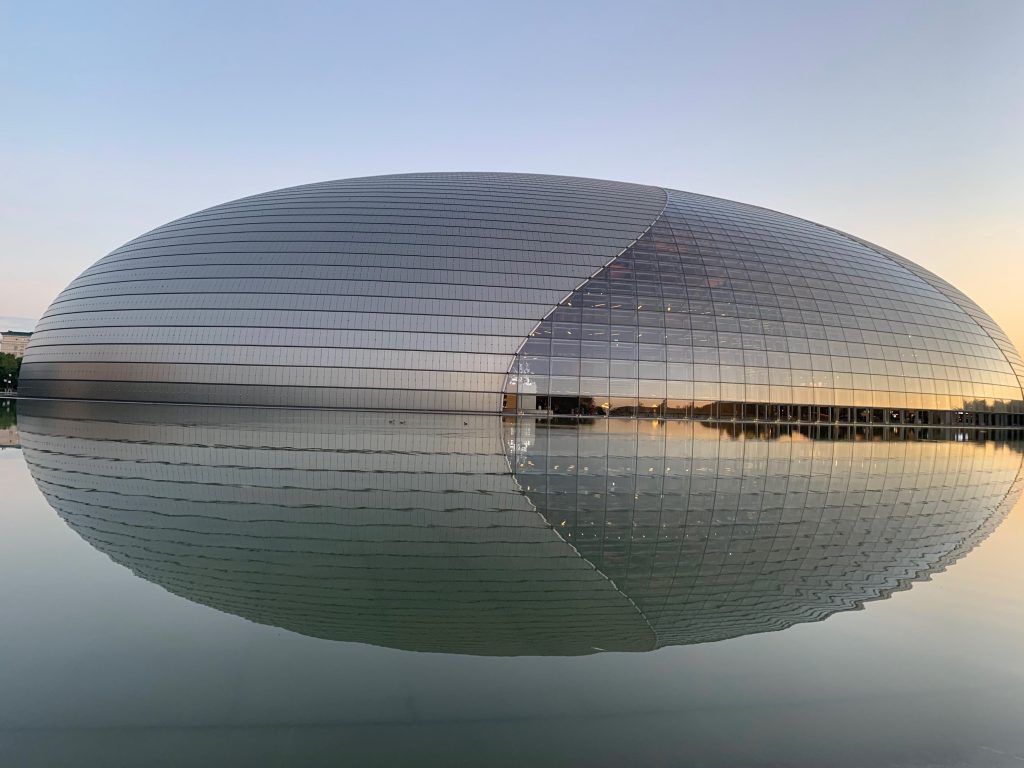
The National Centre for the Performing Arts in Beijing is an iconic structure blending modern design with cultural significance.
Designed by Paul Andreu, its ellipsoid dome resembles a giant titanium and glass egg surrounded by water.
The building houses concert halls, an opera house, and theaters, offering a space for artistic expression and contemplation.
Despite its bold design and large budget, it stands near the Forbidden City and Tiananmen Square, symbolizing China’s embrace of innovative architecture while honoring its historic core.
5. Potala Palace
The Potala Palace in Lhasa, Tibet Autonomous Region, is a monumental symbol of Tibetan history, religion, and culture.
Rising 3,750 meters above sea level, this 13-story structure covers 13 hectares and houses around 1,000 rooms.
Built in the 7th century, it served as the winter residence of the Dalai Lamas and a religious and political hub. Its thick 10-foot stone walls, striking white and red facades, and yellow royal-tiled roofs reflect traditional Tibetan architecture.
The palace features priceless murals, sculptures, and religious relics, qualifying it as a UNESCO World Heritage Site and a must-visit cultural landmark.
6. Oriental Pearl Tower
The Oriental Pearl Tower stands 468 meters tall in Shanghai’s Pudong district, ranking among the world’s tallest TV towers.
Completed in 1994, its 11 spheres, including two large ones measuring 50 and 45 meters in diameter, create a unique skyline silhouette.
The tower blends sightseeing, broadcasting, entertainment, and dining, making it a multifunctional urban landmark.
Its twisting design reduces wind pressure and enhances energy efficiency, exemplifying advanced sustainable architecture.
Positioned opposite The Bund, it symbolizes Shanghai’s modernity and oriental culture, attracting millions of visitors annually.
7. The Summer Palace
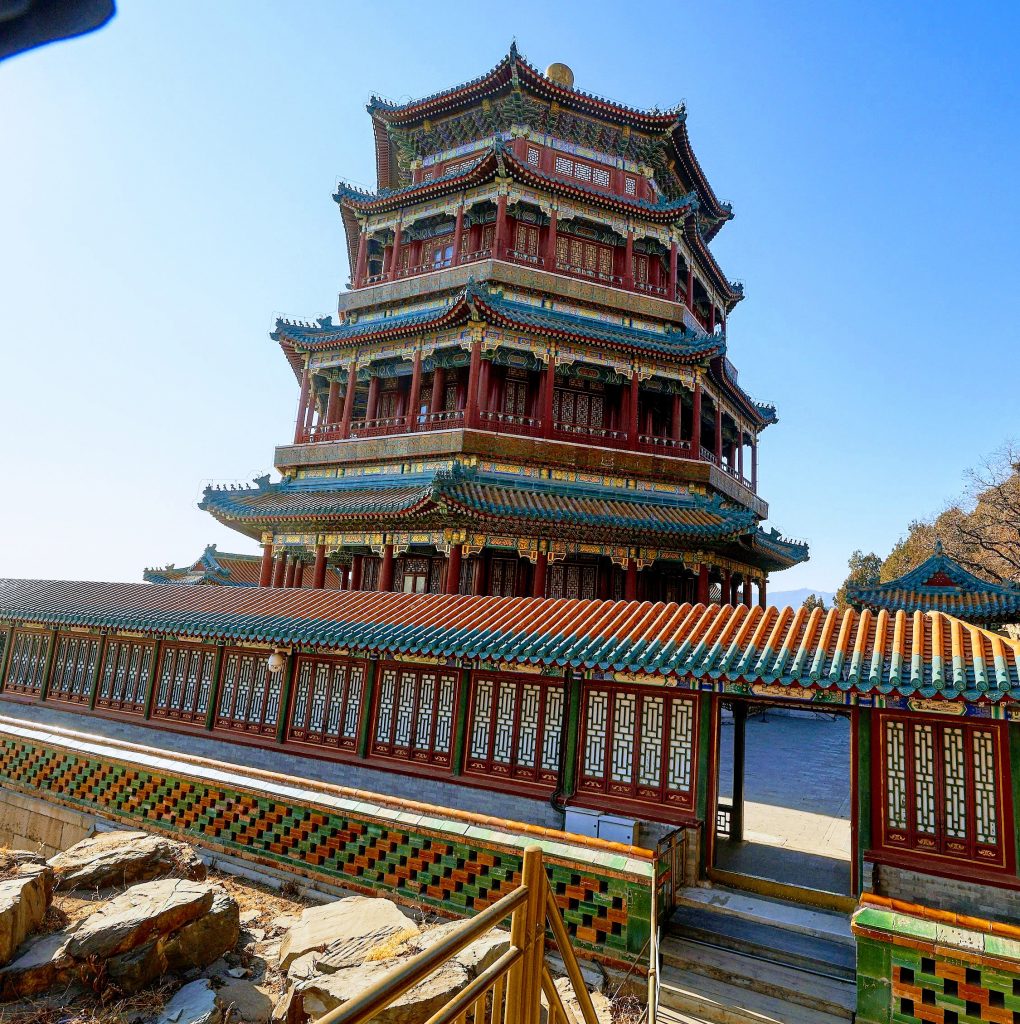
The Summer Palace in Beijing, originally built in the 12th century during the Jin Dynasty and expanded in the Qing Dynasty, stands as a stunning example of classical Chinese architecture.
It served as an imperial retreat, featuring elegant pavilions, temples, and bridges around Kunming Lake and Longevity Hill. The iconic Tower of Buddhist Incense dominates the site, symbolizing spiritual significance.
Recognized as a UNESCO World Heritage Site, the Summer Palace showcases a perfect harmony between natural landscapes and architectural design.
It remains one of northern China’s most visited historic landmarks, drawing millions to its scenic beauty and cultural heritage annually.
8. Shanghai Tower
The Shanghai Tower rises 632 meters, making it China’s tallest building and the world’s second tallest. Its twisting design reduces wind pressure, enhancing energy efficiency and showcasing cutting-edge sustainable architecture.
Completed in 2015, the tower features 128 stories housing offices, retail spaces, and observation decks.
This architectural marvel symbolizes China’s modern infrastructure and innovative spirit, dominating Shanghai’s skyline alongside landmarks like the Oriental Pearl Tower.
The Shanghai Tower exemplifies how iconic buildings shape global architectural trends with its fusion of advanced design and environmental responsibility.
9. Temple of Heaven
Standing in Beijing, the Temple of Heaven dates back to the 15th century Ming Dynasty. It served as a sacred site where emperors prayed for good harvests and blessings.
Featuring the Hall of Prayer for Good Harvests, Circular Mound Altar, and Echo Wall, it symbolizes harmony between heaven and earth.
Recognized as a UNESCO World Heritage Site, this architectural masterpiece attracts millions annually, showcasing traditional Chinese craftsmanship and deep cultural values of balance and unity.
10. Shanghai World Financial Center
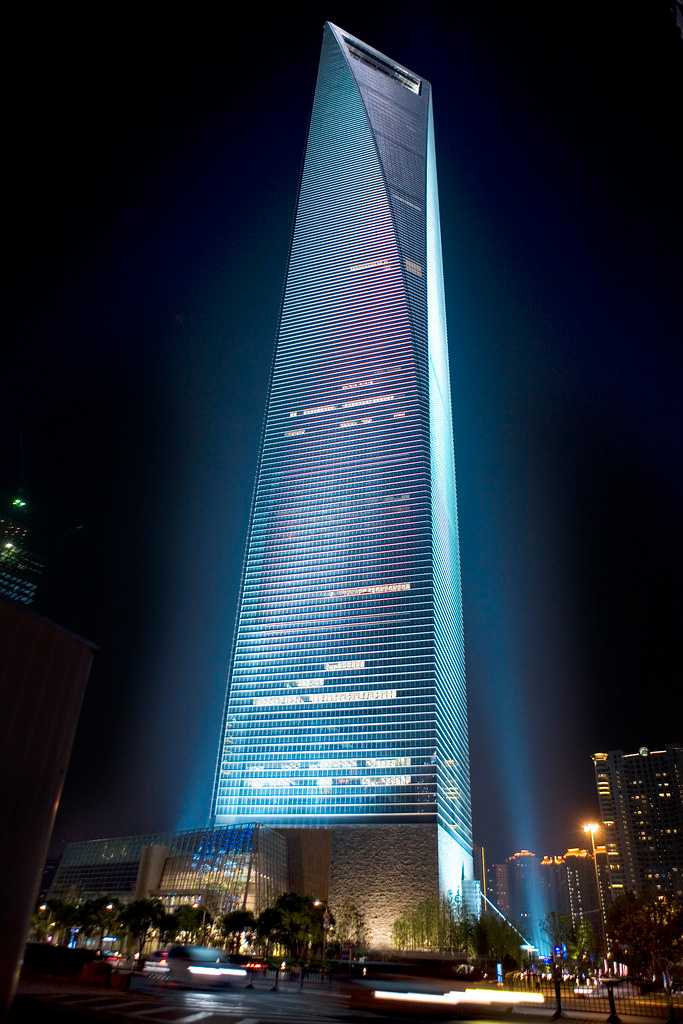
Rising 492 meters with 101 floors, the Shanghai World Financial Center stands as one of China’s tallest skyscrapers and a mixed-use marvel.
It combines offices, hotels, conference rooms, observation decks, and shopping malls in Pudong, Shanghai. Its iconic trapezoidal aperture at the peak resembles a bottle opener, making it instantly recognizable.
Visitors can access three observation decks on floors 94, 97, and 100, ranging from 423 to 474 meters high.
The tower’s design minimizes wind pressure and boosts energy efficiency, reflecting advanced architectural innovation and Shanghai’s modern spirit.
Alicia Richards