Mexico’s architectural landscape is a vivid tapestry woven from ancient civilizations, colonial influences, and modern innovations.
From the towering pyramids of Chichen Itza to the elegant facades of Mexico City’s historic landmarks, each building tells a story of the country’s rich cultural heritage and evolving identity.
These structures not only showcase artistic brilliance but also reflect the social and political shifts that have shaped Mexico over centuries.
Whether it’s the intricate details of the Mexico City Metropolitan Cathedral or the contemporary designs pushing architectural boundaries, these iconic sites capture the spirit of Mexico’s past and present.
This journey through Mexico’s architectural gems offers a glimpse into the nation’s enduring legacy and future.
1. Mexico City Metropolitan Cathedral

The Mexico City Metropolitan Cathedral stands as the largest and oldest cathedral in Latin America.
Construction began in the late 16th century and spanned nearly 200 years, resulting in a stunning blend of Gothic, Renaissance, Baroque, and Neoclassical styles.
Built atop an Aztec temple’s remains using its stones, the cathedral features intricate sculptures, altarpieces, retablos, and paintings.
Located in the bustling Zócalo, it remains a symbol of religious and cultural cohesion for Mexico City’s predominantly Catholic population, attracting millions of visitors annually.
2. Museo Soumaya
Museo Soumaya in Mexico City stands out for its striking modern architecture and vast art collection. Designed with smooth curves and a reflective facade, the building creates a futuristic appearance in the urban landscape.
Housing over 66,000 artworks, it features European masterpieces from the 15th to 20th centuries, including sculptures by Auguste Rodin.
Founded by Carlos Slim in honor of his late wife, this private museum offers free admission, making world-class art accessible to all.
Visitors praise its innovative design and top-quality facilities, emphasizing the museum as a must-visit cultural treasure.
3. Palacio de Correos de Mexico
Standing as a grand palace rather than a typical post office, the Palacio de Correos in Mexico City dazzles with its eclectic design by Italian architect Adamo Boari.
Combining Art Nouveau, Art Deco, Rococo, and Neoclassical styles, it features marble floors, intricate plasterwork, and bronze staircases crafted in Florence.
Built between 1902 and 1907, it symbolizes Mexico’s modernity during President Porfirio Díaz’s era.
After sustaining damage in the 1985 earthquake, it was meticulously restored, preserving original Renaissance motifs and now houses a postal museum on its top floor.
4. National Palace
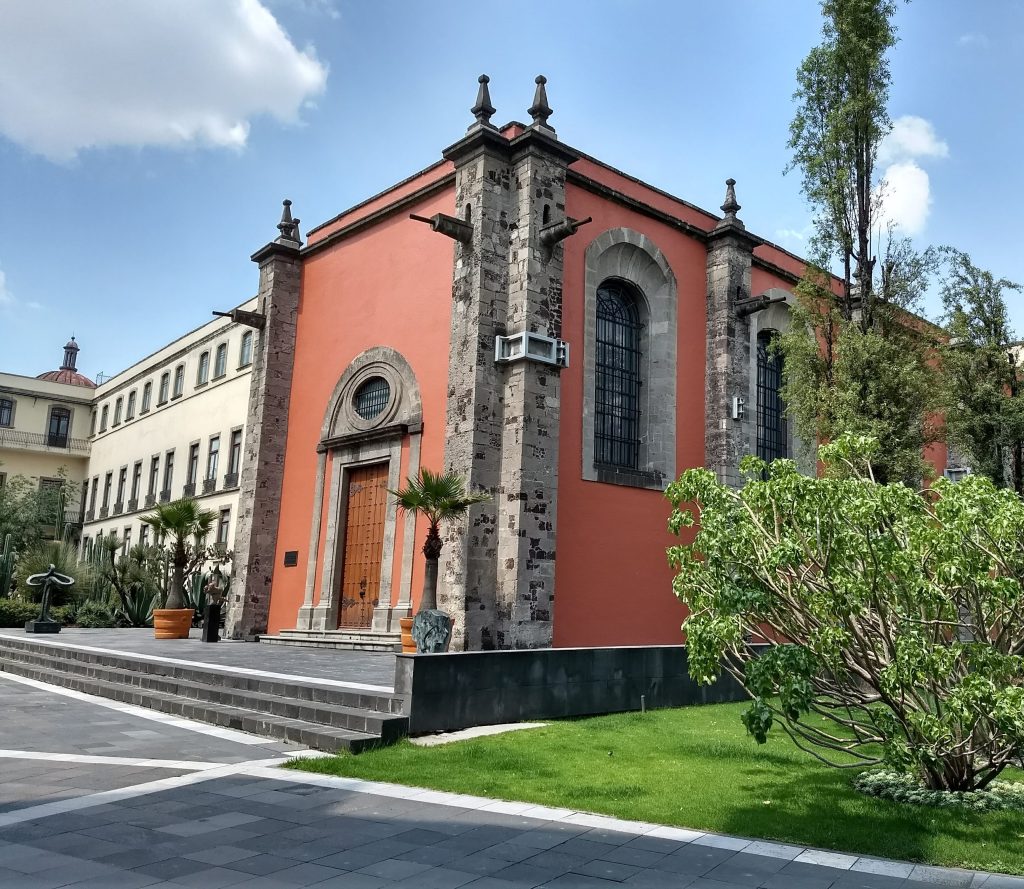
The National Palace in Mexico City stands as a historic symbol of political power and cultural heritage.
Serving as the official residence of Mexico’s President, the palace has been the seat of government since the Aztec era.
Its walls preserve original materials dating back centuries, highlighting the country’s continuity. The palace features Diego Rivera’s famous murals, illustrating Mexico’s revolutionary history.
Located on the Zócalo, the National Palace remains a central landmark, embodying Mexico’s evolving identity and its deep-rooted legacy in governance and art.
5. Palacio de Bellas Artes
Designed by Italian architect Adamo Boari and completed in 1934, the building showcases a harmonious blend of Art Nouveau, Art Deco, and Neoclassical styles.
Its striking white Carrara marble façade contrasts beautifully with the vivid murals inside, created by renowned Mexican masters such as Diego Rivera and José Clemente Orozco.
Serving as a premier cultural center in Mexico City, it hosts ballet, opera, theater, and visual arts exhibitions, drawing both art lovers and tourists.
With its impressive dome, grand staircases, and rich artistic heritage, the landmark stands as a testament to Mexico’s commitment to preserving culture during times of social transformation.
6. Chapultepec Castle
Chapultepec Castle, perched atop Chapultepec Hill in Mexico City, dates back to 1785. Originally built as a summer residence for the viceroy of New Spain, it later became home to Emperor Maximilian I and Mexican presidents.
The castle blends Spanish and indigenous architectural influences, featuring ornate facades, colorful corridors with gold embellishments, and exquisite murals.
Inside, visitors admire Maximilian’s bedroom, the Malachite Room, and beautiful stained glass windows.
The castle now serves as the National Museum of History, attracting thousands annually and honoring the young heroes who defended it during the Mexican-American War.
7. Basilica of Our Lady of Guadalupe
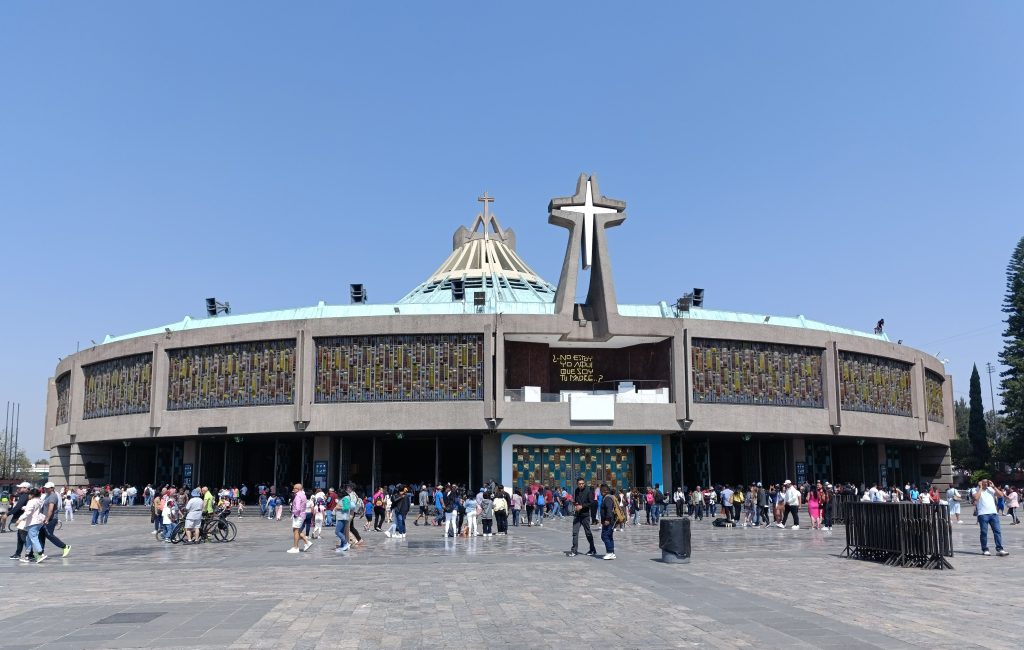
Standing as one of the most visited Catholic churches worldwide, the Basilica of Our Lady of Guadalupe combines colonial and modern architecture.
The complex includes the Old Basilica from the 18th century and the New Basilica, completed in 1976 by architect Pedro Ramírez Vázquez.
It holds the sacred Tilma, bearing the Virgin Mary’s image, said to have miraculously appeared to Juan Diego in 1531.
Every December 12, over one million pilgrims flock here, especially on the Feast Day of Our Lady of Guadalupe, marking its profound religious and cultural significance.
8. Casa Luis Barragán
Casa Luis Barragán in Mexico City’s San Ángel neighborhood exemplifies intimate, private spaces crafted by Luis Barragán, a pioneer who reinvented the International Style.
The house features colors, flat planes, wooden beams, and religious symbols reflecting his interests and beliefs.
Remodeled continuously until his death in 1988, it reveals Barragán’s mastery in blending peaceful retreat with modernism. This poetic masterpiece showcases how Mexican architecture marries tradition with innovation.
9. Templo Mayor
The Templo Mayor was the main temple of the Aztec capital, Tenochtitlán. Excavations uncovered over 7,000 artifacts, now displayed at the adjoining Templo Mayor Museum. This site reveals the Aztec’s architectural skill and religious significance.
Located near Mexico City’s Zócalo, it connects deeply with the Mexico City Metropolitan Cathedral, which was partly built using stones from the original Aztec pyramid.
The Templo Mayor stands as a crucial symbol of Mexico’s pre-Hispanic heritage and is a must-visit for history enthusiasts.
10. Museo Mural Diego Rivera
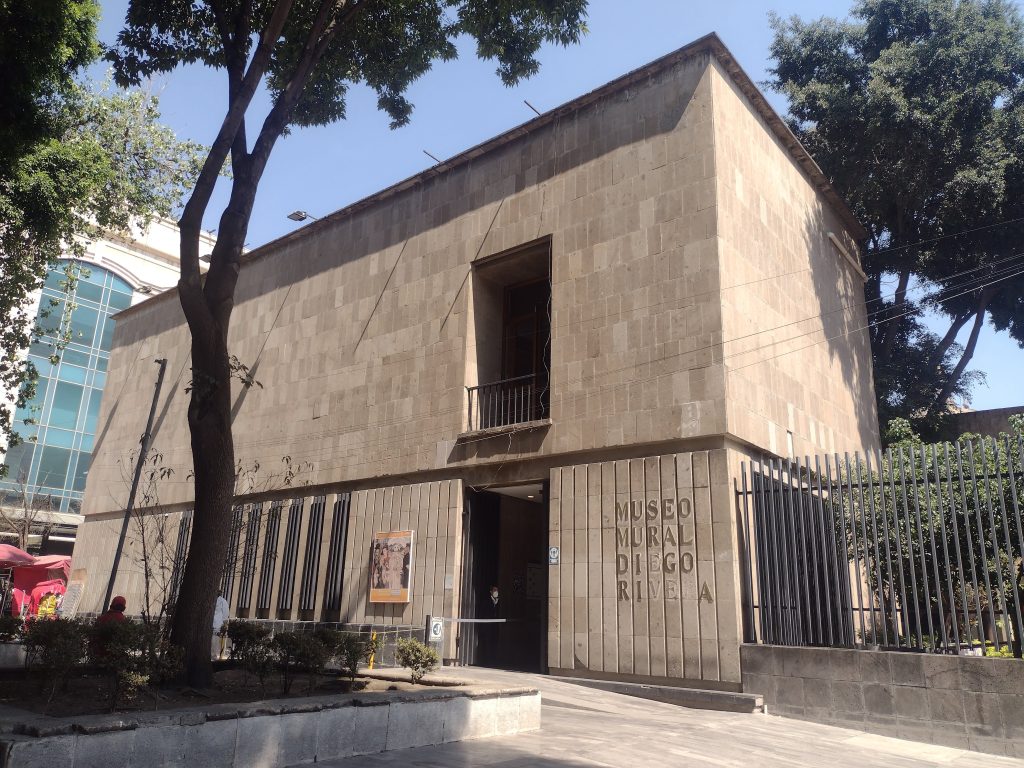
The Museo Mural Diego Rivera, located in Mexico City, was established to preserve and showcase Rivera’s iconic mural Dream of a Sunday Afternoon in the Alameda Central.
Originally created in 1947 for the Hotel del Prado, the mural was relocated after the 1985 earthquake damaged the hotel.
The museum’s main highlight is this monumental work, spanning over 15 meters, depicting 400 years of Mexican history through vivid scenes and famous figures.
Beyond the mural, the museum hosts temporary exhibitions, cultural events, and educational programs, making it an essential stop for those interested in Mexican art, history, and the legacy of Diego Rivera.
Alicia Richards