The United Kingdom is home to some of the most iconic buildings in the world, each telling a unique story about the nation’s rich history and culture.
From the grandeur of Buckingham Palace to the historic significance of the Tower of London, these landmarks have become symbols of British heritage recognized globally.
With architectural styles ranging from medieval castles to modern marvels, the UK’s famous buildings offer a fascinating glimpse into its past and present.
Whether standing in the heart of London or scattered across the countryside, these structures continue to captivate millions of visitors every year.
1. Buckingham Palace
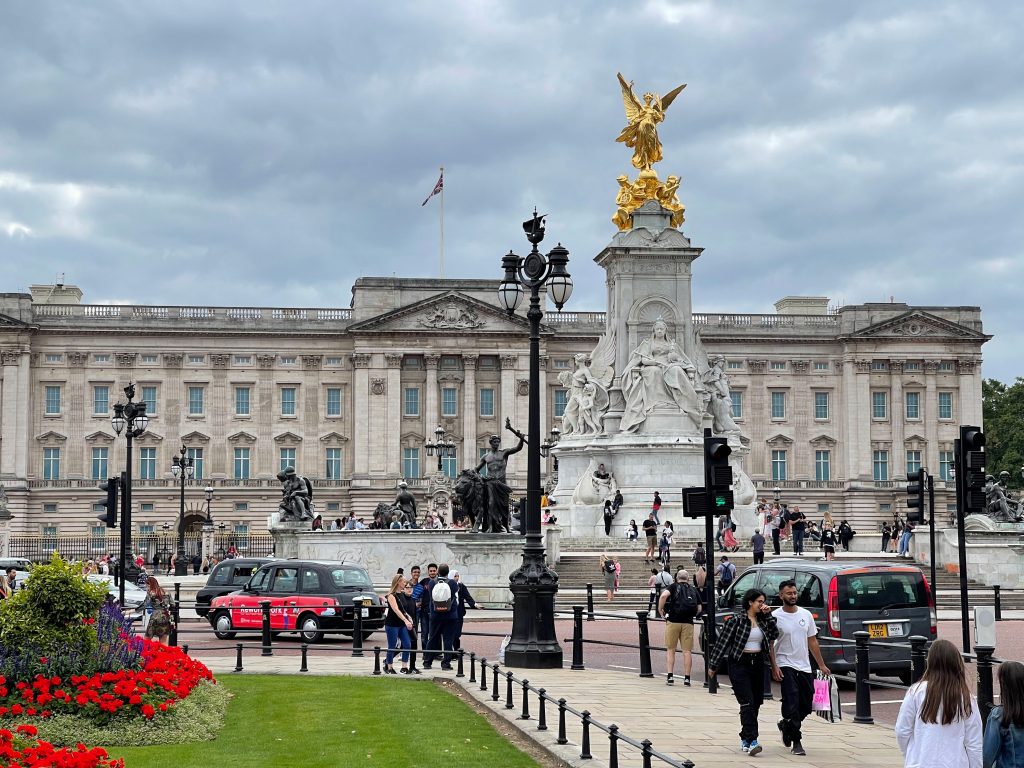
Buckingham Palace stands as the most beautiful building in Britain, earning 24% of votes in a national poll. Originating in 1703, it became the official London residence of the UK monarch in 1837.
This iconic palace draws over a million visitors yearly, symbolizing British heritage and royal tradition. Its impressive façade and central location make it a must-see landmark that shapes London’s historic skyline and cultural identity.
2. St. Paul’s Cathedral
St. Paul’s Cathedral, designed by Sir Christopher Wren and completed in 1710, dominates London’s skyline with its impressive dome rising 111 meters above Ludgate Hill.
It’s the mother church of the Diocese of London and holds significant historical and religious value.
Visitors can explore the crypt housing national heroes, climb the dome’s Whispering Gallery famous for its acoustics, and enjoy panoramic city views from the Stone and Golden Galleries.
Hosting events like Churchill’s funeral and the royal wedding of Prince Charles and Lady Diana, it attracts about 2 million visitors annually.
3. Royal Pavilion
The Royal Pavilion in Brighton stands out with its distinctive Indo-Saracenic architecture, a style inspired by Indian palaces.
Originally a seaside retreat for King George IV, it features ornate domes, minarets, and lavish interiors blending Eastern and Western influences. This stunning building draws visitors interested in royal history and unique design.
Renowned for its historical significance and architectural beauty, the Pavilion remains one of the United Kingdom’s most photographed landmarks outside London. It exemplifies the country’s diverse cultural heritage and royal elegance.
4. Westminster Abbey
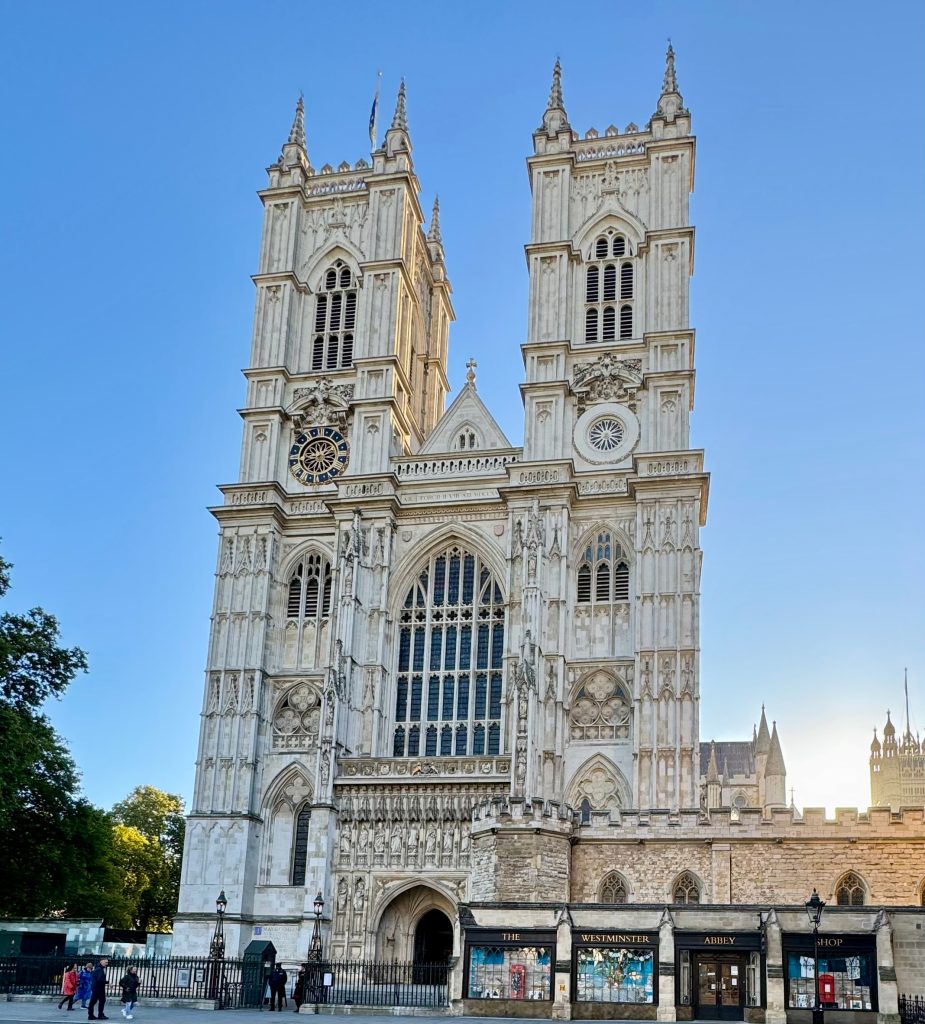
Westminster Abbey stands as one of the United Kingdom’s most significant Gothic buildings, with origins tracing back to 960 AD.
It has hosted every British coronation since 1066, making it a symbol of royal tradition and national heritage.
Visitors admire its intricate stonework, towering stained glass windows, and the Poet’s Corner, where renowned writers like Shakespeare and Dickens are commemorated.
The Abbey also serves as a royal wedding venue and a place of remembrance for notable figures, attracting over 1 million tourists annually. Its architectural grandeur and historical importance make it a cornerstone of British identity.
5. The Shard
The Shard stands as the tallest building in the United Kingdom, soaring 309.6 meters (1,016 feet) across 95 stories. Completed in 2012, this modern skyscraper redefines London’s skyline with its sharp, glass-clad design.
Visitors can access a 360-degree viewing platform on the 72nd floor, located 244 meters (800 feet) above ground, offering unparalleled views of landmarks like the Thames, Tower Bridge, and Big Ben.
An open sky terrace enhances the experience, while multimedia displays share London’s rich history, blending innovation with tradition in a landmark that symbolizes the city’s future.
6. Edinburgh Castle
Perched atop Castle Rock, Edinburgh Castle commands Scotland’s skyline as a symbol of national heritage. This historic fortress, part of a UNESCO World Heritage Site, has guarded the city for centuries.
Its volcanic rock foundation offers strategic views of Edinburgh. Visitors can explore royal chambers, the Scottish Crown Jewels, and the National War Museum.
Edinburgh Castle reflects Scotland’s turbulent past and cultural identity, drawing nearly 2 million tourists annually who seek to experience its medieval architecture and rich history firsthand.
7. Caernarfon Castle
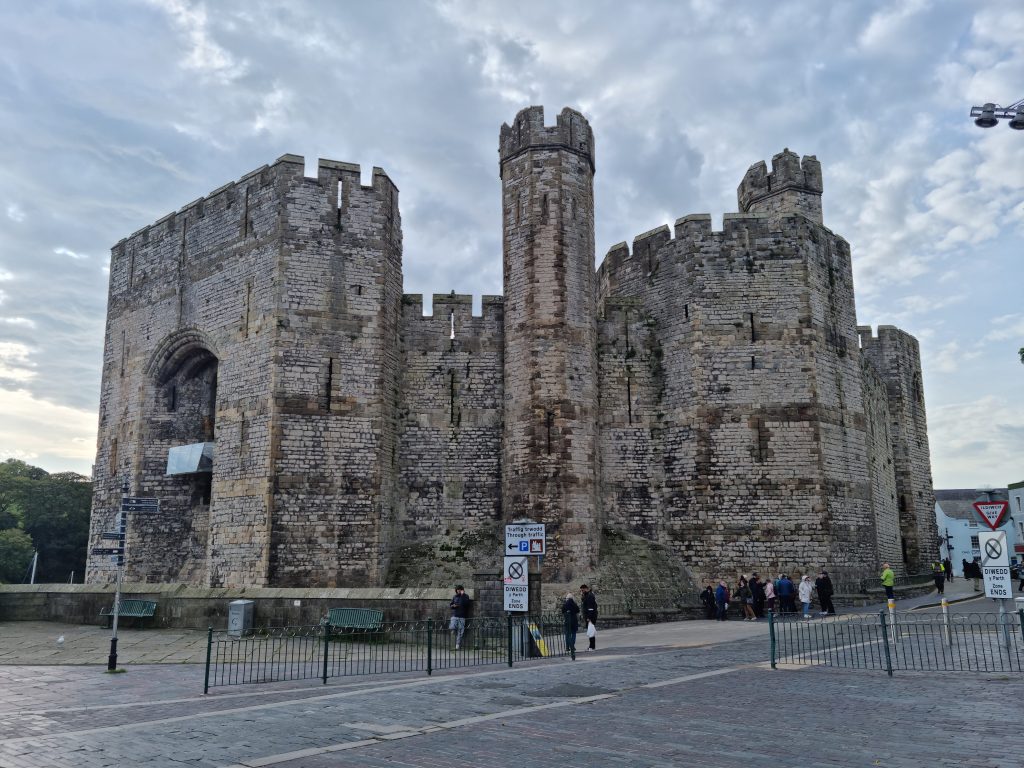
Caernarfon Castle, built by King Edward I in the late 13th century, stands as a striking example of medieval military architecture.
Located on the banks of the River Seiont in Gwynedd, Wales, it features imposing 55-meter long walls and 18-foot-thick fortifications.
The castle survived several sieges during the 15th and 17th centuries and was restored in the 19th century.
Now a UNESCO World Heritage Site, it houses a museum that educates visitors on its turbulent history. Its Eagle Tower, once the royal chambers, remains one of its most popular attractions.
8. Beetham Tower
Beetham Tower in Manchester rises 554 feet with 47 stories, making it one of the UK’s tallest skyscrapers outside London.
Designed by Ian Simpson, this slender tower features a height-to-width ratio of 101:1 on the East-West axis, ranking it among the world’s thinnest.
Its 23rd floor extends 13 feet to add space and character. Completed in 2006, it was Manchester’s tallest building until 2018.
Now housing a hotel, Beetham Tower symbolizes the city’s modern reinvention and impressive architectural innovation.
9. Lincoln Cathedral
Lincoln Cathedral, built in 1075 by William the Conqueror, stands as a masterpiece of Gothic architecture. Known also as Lincoln Minster and St Mary’s Cathedral, it is famed for its soaring spires and intricate stonework.
This historic site once housed one of the four remaining original Magna Carta copies, now relocated to Lincoln Castle.
Located about 143.5 miles from London, the cathedral draws architecture enthusiasts worldwide who admire its stunning interior and rich history.
Its grand design and cultural significance make Lincoln Cathedral a must-visit in the UK’s architectural heritage.
10. Big Ben
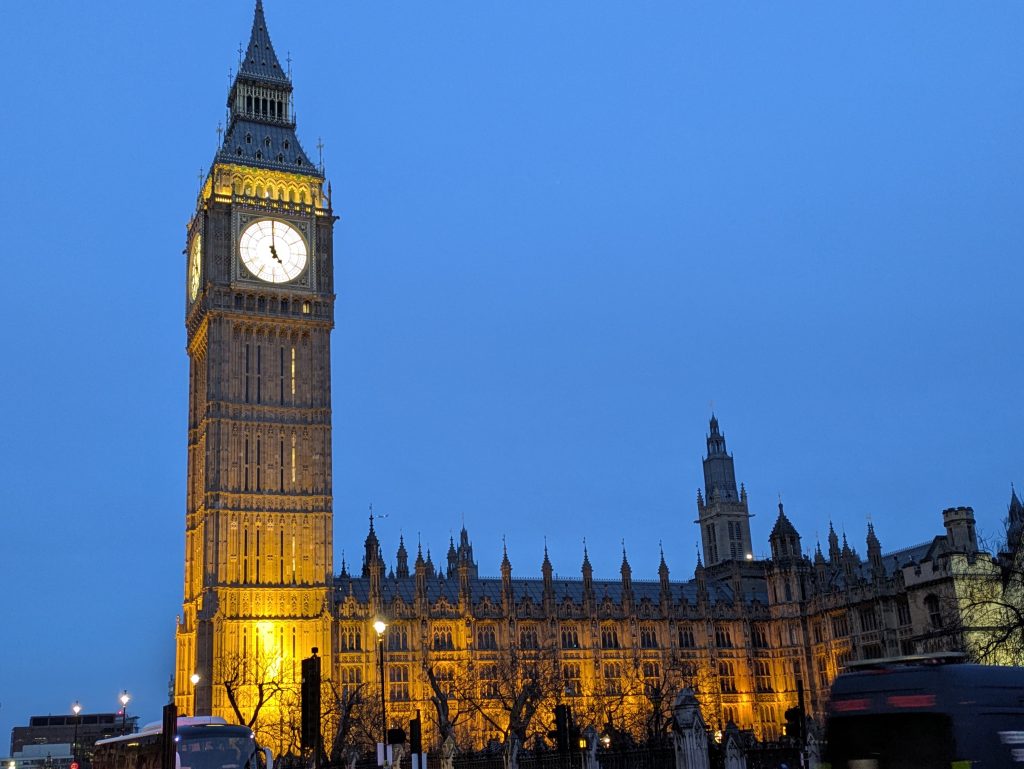
Big Ben, the iconic clock tower at the Palace of Westminster, defines London’s skyline. Completed in 1859, it stands 96 meters tall and houses the Great Bell, which weighs over 13 tons.
Known worldwide for its precise timekeeping, Big Ben chimes every hour and is a symbol of British political heritage.
Millions visit annually to admire its Gothic Revival architecture and hear its distinctive sound, making it one of the most recognizable landmarks in the UK.
Alicia Richards