Rome’s iconic bridges are more than just structures crossing the Tiber River—they are living chapters of history and engineering marvels that have shaped the Eternal City.
With over 30 bridges spanning the river, each tells a unique story from ancient times to modern days. Walking across these bridges offers a rare glimpse into Rome’s rich past and architectural ingenuity.
From the oldest, the Pons Fabricius, to the grand Ponte Vittorio Emanuele II, these bridges showcase Roman innovation, especially the perfected arch design that revolutionized construction worldwide.
Whether admired for their stunning views, historical significance, or artistic beauty, Rome’s bridges invite visitors to explore the city from a captivating new perspective.
1. Ponte Sant’Angelo
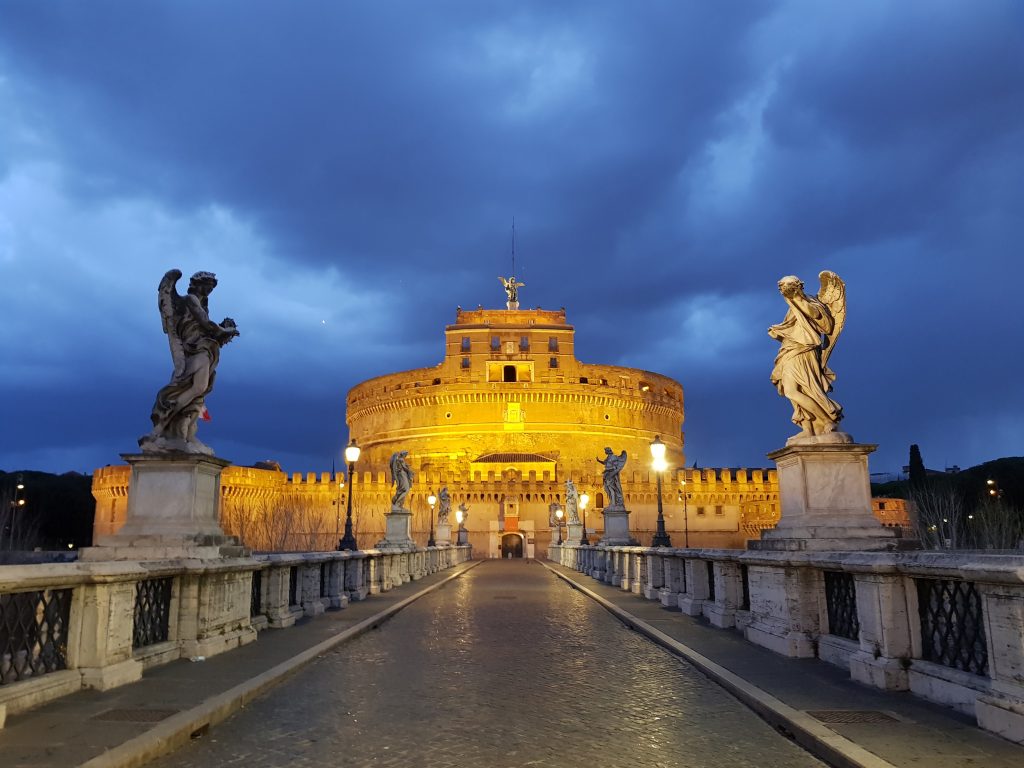
Ponte Sant’Angelo stands as one of Rome’s most iconic bridges, linking the historic center to Castel Sant’Angelo.
Built in 134 AD by Emperor Hadrian, it showcases five elegant arches and is adorned with ten angel statues designed by Bernini.
Visitors crossing this bridge enjoy breathtaking views of the Tiber River and the Vatican nearby. Used originally as a pedestrian route for pilgrims heading to St. Peter’s Basilica, the bridge remains a symbol of Rome’s rich blend of history, art, and architecture.
2. Ponte Milvio
Ponte Milvio stands as Rome’s oldest standing bridge, originally built in 206 BC. They marvel at its strategic importance in Roman history, notably during the Battle of Milvian Bridge in 312 AD, which shaped imperial rule.
Travelers enjoy its sturdy medieval design combined with modern additions, making it both functional and picturesque.
Visitors often walk along its stone arches to admire views of the shimmering Tiber and nearby greenery. Locals value Ponte Milvio as a romantic spot, known for its tradition of “love locks” attached to its railings, symbolizing enduring affection.
3. Ponte Sisto
Ponte Sisto, built between 1473 and 1479 under Pope Sixtus IV, is a key Renaissance bridge in Rome. It connects the lively Trastevere district to the historic center, enhancing pedestrian flow.
The bridge features elegant arches and a central oculus that reduces water pressure during floods. Its harmonious design blends functionality with beauty, offering stunning views of the Tiber River and surrounding landmarks.
Ponte Sisto remains a popular crossing for locals and tourists, perfectly capturing Rome’s blend of history and daily urban life.
4. Pons Aemilius
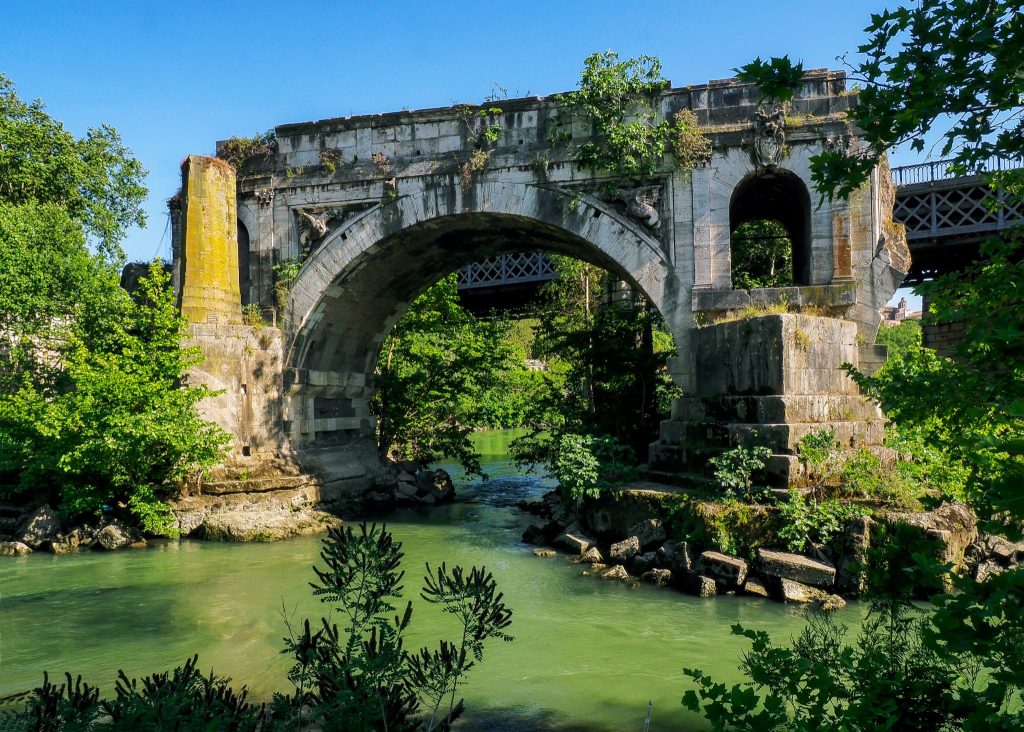
Known as the Ponte Rotto or “Broken Bridge,” Pons Aemilius is Rome’s oldest stone bridge, constructed between 179 and 142 BC.
Once spanning the Tiber with multiple arches, half of the structure was destroyed in the flood of 1598, leaving a single arch as a haunting remnant.
Despite its partial ruin, this historic bridge remains a powerful symbol of Roman engineering and resilience. Its picturesque, solitary arch in the river continues to captivate visitors, offering a unique glimpse into Rome’s ancient past.
5. Pons Fabricius
Built in 62 BC, Pons Fabricius is the oldest Roman bridge still in use. It connects the Jewish Ghetto with the Tiber Island, linking two historic parts of the city.
The bridge features two marble pillars with Janus heads, symbolizing transitions and new beginnings. Its durable stone arches showcase the advanced Roman engineering perfected over centuries.
Visitors crossing Pons Fabricius enjoy stunning views of the Tiber River and the island’s historic buildings, making it a must-see monument that blends architectural beauty with rich history.
6. Ponte della Musica
Ponte della Musica, also known as Ponte della Musica-Armando Trovajoli, is a modern bridge celebrated for its sleek design and cultural significance.
Completed in 2011, it links the Parioli and Flaminio districts, enhancing access to Rome’s Auditorium Parco della Musica.
Featuring wide pedestrian walkways and elegant steel arches, this bridge invites visitors to enjoy panoramic views of the Tiber River while embracing the city’s artistic spirit. It stands as a symbol of contemporary Rome blending innovation with urban connectivity.
7. Ponte Vittorio Emanuele II
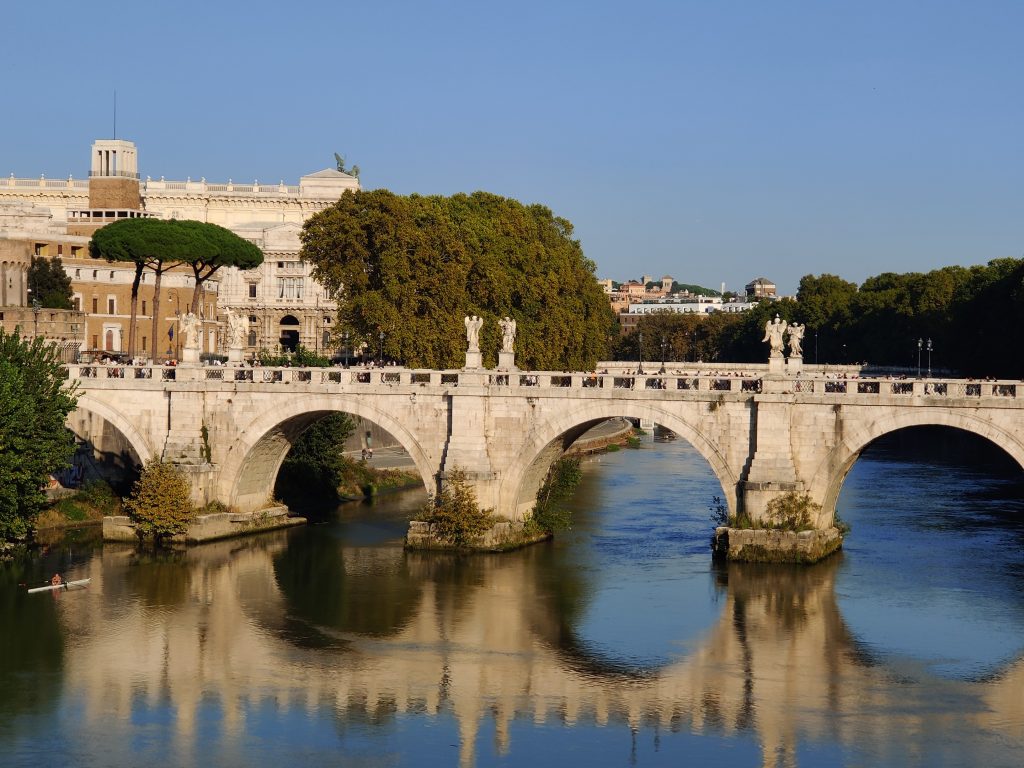
Ponte Vittorio Emanuele II, inaugurated in 1911, celebrates the 50th anniversary of Italy’s unification. This three-arch bridge stands out with its large winged sculptures and dramatic sculpture groups at both ends.
It offers spectacular views of Castel Sant’Angelo, the Tiber’s graceful bend, and the San Giovanni dei Fiorentini church.
Visitors often recognize it from classic films like Roman Holiday, making it a cultural and historical landmark. Crossing this bridge means enjoying panoramic cityscapes while connecting past and present Rome.
8. Pons Cestius
Pons Cestius connects Tiber Island to the Right Bank, showcasing Rome’s enduring Roman engineering. Originally built in the 1st century BC, this stone bridge underwent several restorations, including a major 19th-century rebuild.
Featuring three arches, it complements its sister bridge, Pons Fabricius, on the island’s opposite side.
Visitors crossing Pons Cestius enjoy intimate views of the Tiber River and the island’s historic sites, making it a vital link between ancient history and modern urban life in Rome.
9. Ponte Palatino
Ponte Palatino offers stunning views of Rome’s skyline along the Tiber River. Built in the 19th century, it connects the historic center to the Trastevere district.
Visitors strolling its length enjoy panoramic sights of ancient ruins like the Palatine Hill and the lively riverbanks.
This bridge is a favorite for both locals and tourists seeking picturesque photo opportunities and peaceful walks. Its modern design harmoniously blends with the city’s historic atmosphere, making Ponte Palatino a must-see on any Roman itinerary.
10. Ponte Flaminio
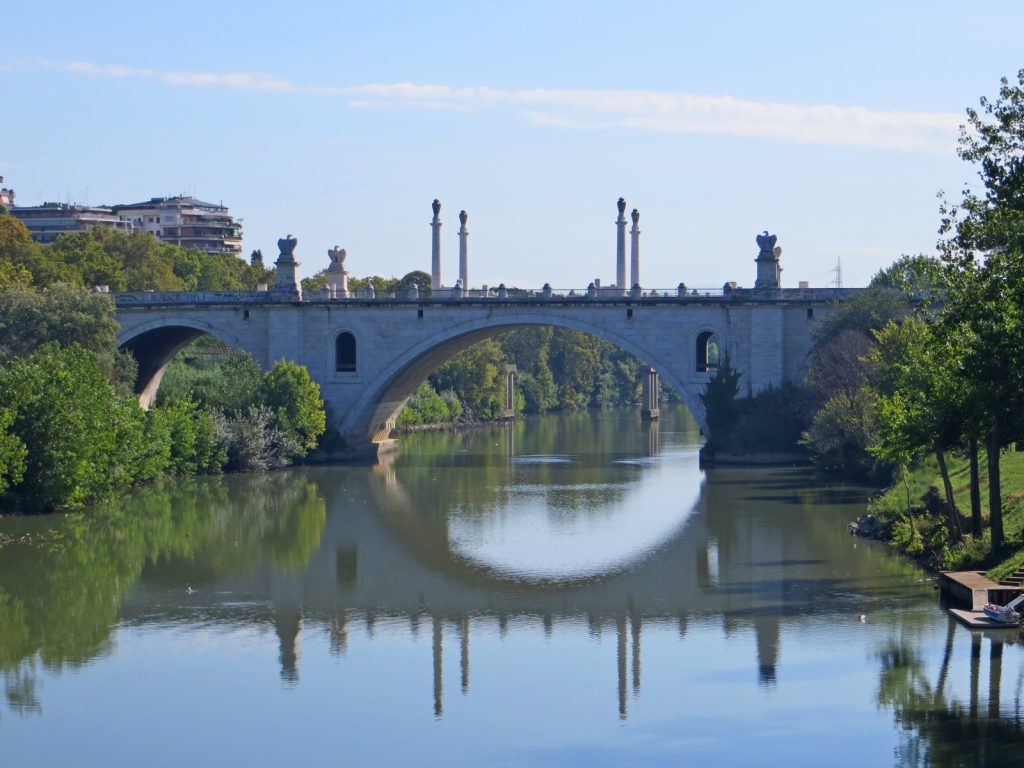
Ponte Flaminio stands as a modern gateway at Rome’s northern entrance, built in 1951 to ease traffic on older bridges. It features a sleek concrete design with clean lines that contrast Rome’s ancient stone arches.
Spanning the Tiber near the Flaminio district, it links major arterial roads and supports heavy vehicular flow.
Visitors appreciate its strategic location close to Piazza del Popolo and the park-lined Tiber banks, offering expansive river views. Ponte Flaminio reflects Rome’s evolution, blending functionality with subtle contemporary aesthetics.
Alicia Richards