Roman temples stand as awe-inspiring reminders of an empire that shaped much of the modern world.
These ancient structures showcase remarkable engineering and artistic achievements that have endured for nearly two thousand years.
From grand domes to intricate columns, the architecture reveals the Romans’ devotion to their gods and their desire to express power through monumental design.
Among the many surviving temples, a select few have earned fame for their exceptional preservation and historical significance.
These sites offer visitors a unique glimpse into ancient religious practices and the daily life of Roman civilization.
Exploring these temples allows one to walk in the footsteps of history and experience firsthand the grandeur of the Roman Empire.
1. Maison Carrée
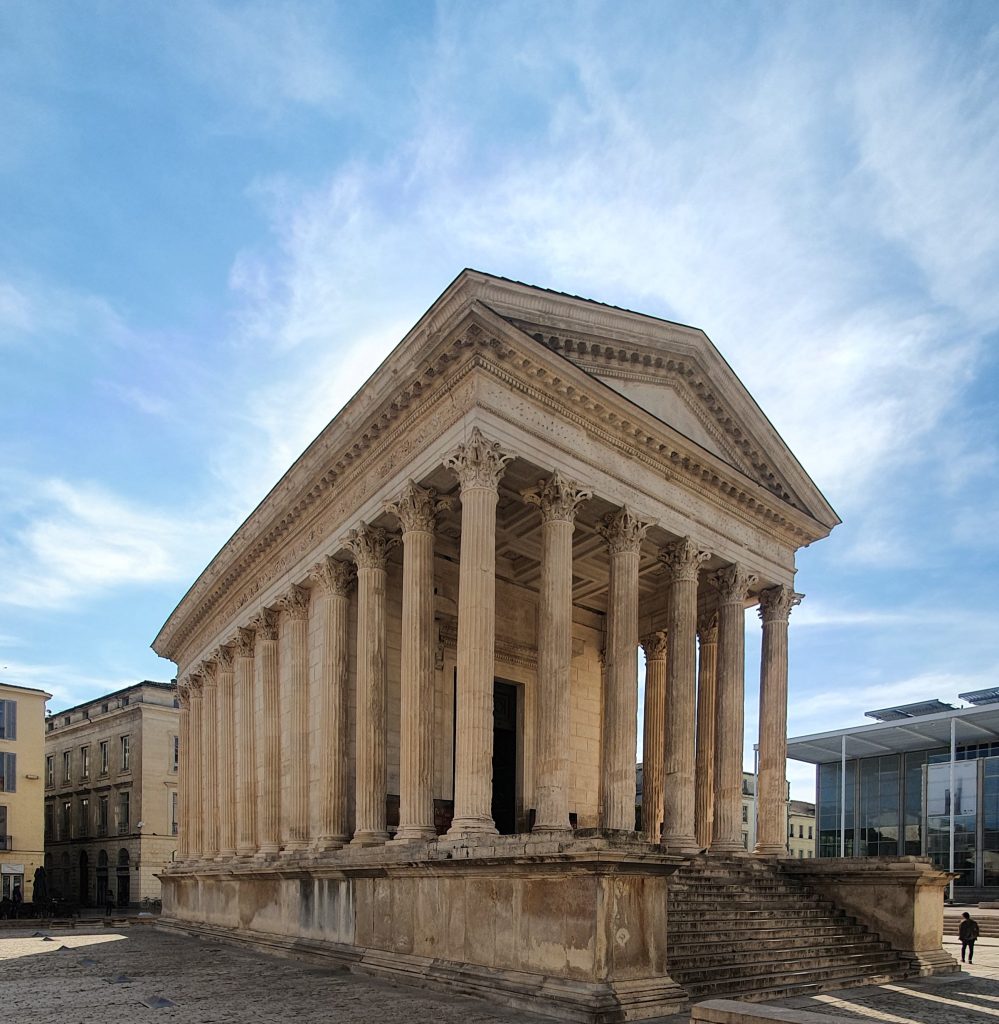
Maison Carrée in Nîmes, France, stands as one of the best-preserved Roman temples. Built around 16 BC by General Agrippa, it honors the grandsons of Emperor Augustus.
Its perfectly square structure features six tall Corinthian columns at the front and rests on a podium nearly 3 meters high, emphasizing its grandeur. Over 2,000 years old, it has served many roles from a church to a town hall.
Today, polished white marble columns and a sturdy concrete roof showcase Roman engineering mastery and offer visitors a rare glimpse into ancient Roman religious architecture.
2. Pantheon Rome
The Pantheon in Rome stands as a pinnacle of ancient Roman architecture, built around 126 AD under Emperor Hadrian.
Its massive concrete dome features a central oculus measuring 8.2 meters, the only source of natural light, symbolizing the connection between earth and sky.
Originally dedicated to all Roman gods, recent studies suggest it may have served as a dynastic sanctuary for Emperor Augustus and his family.
The Pantheon’s exceptional preservation and continuous use as a Catholic church highlight Roman engineering brilliance and religious significance. Visitors today can witness its grandeur and innovative design firsthand.
3. Temple of Augustus
Located in Vienne, France, the Temple of Augustus and Livia stands as a striking example of Roman religious architecture from the late first century BC to early first century AD.
Constructed of white marble, the temple features a rectangular cella with four Ionic columns at each corner, each adorned with gilded statues of Augustus. Flanking the main chamber are smaller cells housing statues of Livia and other Roman deities.
This temple’s reliefs vividly depict the life of Augustus and the cult of Livia, showcasing Rome’s reverence for imperial figures.
Its excellent preservation arises from robust construction and ongoing restoration, offering visitors a powerful glimpse into ancient Roman craftsmanship and devotion.
4. Temple of Bacchus
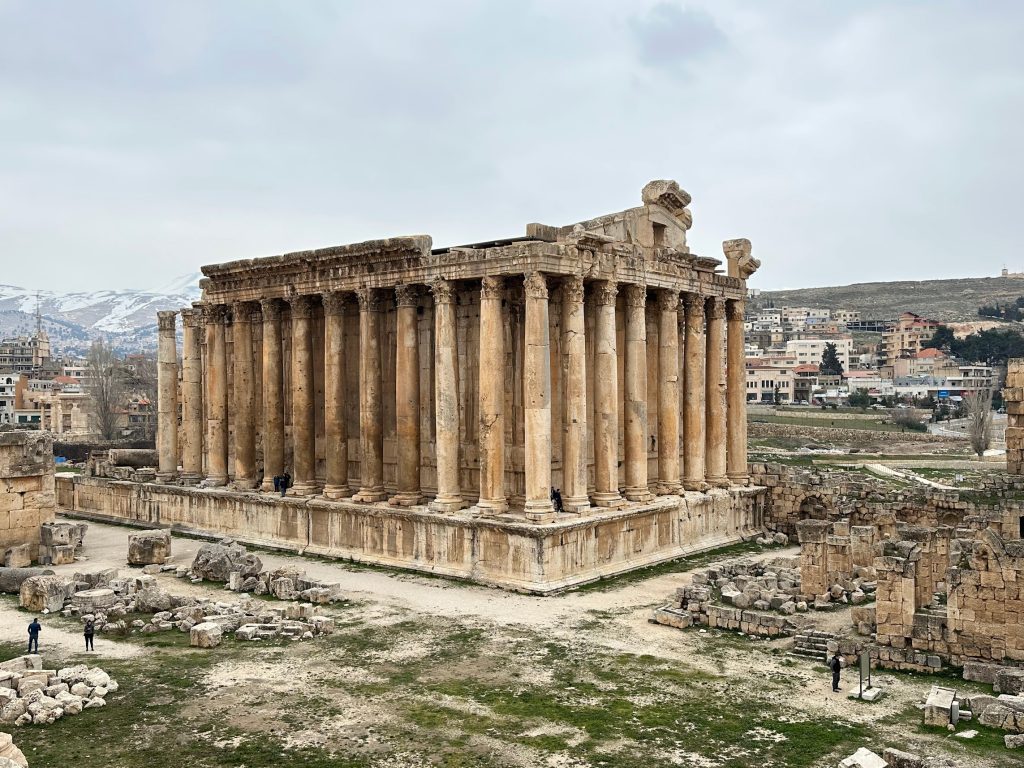
Standing in Baalbek, Lebanon, the Temple of Bacchus is one of the best-preserved Roman temples. Built between 138 and 161 AD under Emperor Antonius Pius, it covers roughly 6,200 square meters.
The structure features 54 Corinthian columns, each 20 meters tall, supporting an ornate roof adorned with intricate reliefs depicting Bacchus and Roman mythology.
As part of the Baalbek complex, a UNESCO World Heritage Site, this temple showcases extraordinary Roman engineering and architectural detail that remains largely intact, offering a powerful glimpse into ancient religious practices.
5. Temple of Portunus
Standing proudly in Rome’s Forum Boarium near the Tiber River, the Temple of Portunus honors the river god Portunus, protector of ports, doors, wheat, and keys.
Built around the 2nd century BC, this temple showcases classic Roman architecture with its sturdy podium and Ionic columns surrounding the cella. Exceptionally well-preserved, it offers rare insight into ancient Roman religious life.
Its location between the Church of Santa Maria in Cosmedin and the Ponte Rotto bridge highlights its significance in commerce and culture. Multiple restorations, the latest completed in 2014, have ensured its enduring presence.
6. Temple of Hercules Victor
Dating back to around 120 BC, the Temple of Hercules Victor stands as the oldest surviving temple in Rome.
This circular temple, made of marble and featuring 20 Corinthian columns, is dedicated to Hercules, the Roman hero and god of strength.
Located in the Forum Boarium near the Tiber River, it showcases exceptional preservation, allowing visitors to experience authentic Roman religious architecture.
Despite older temples like Jupiter Stator no longer existing, the Temple of Hercules Victor remains a crucial link to Rome’s ancient spiritual and architectural heritage.
7. Temple of Jupiter Optimus Maximus
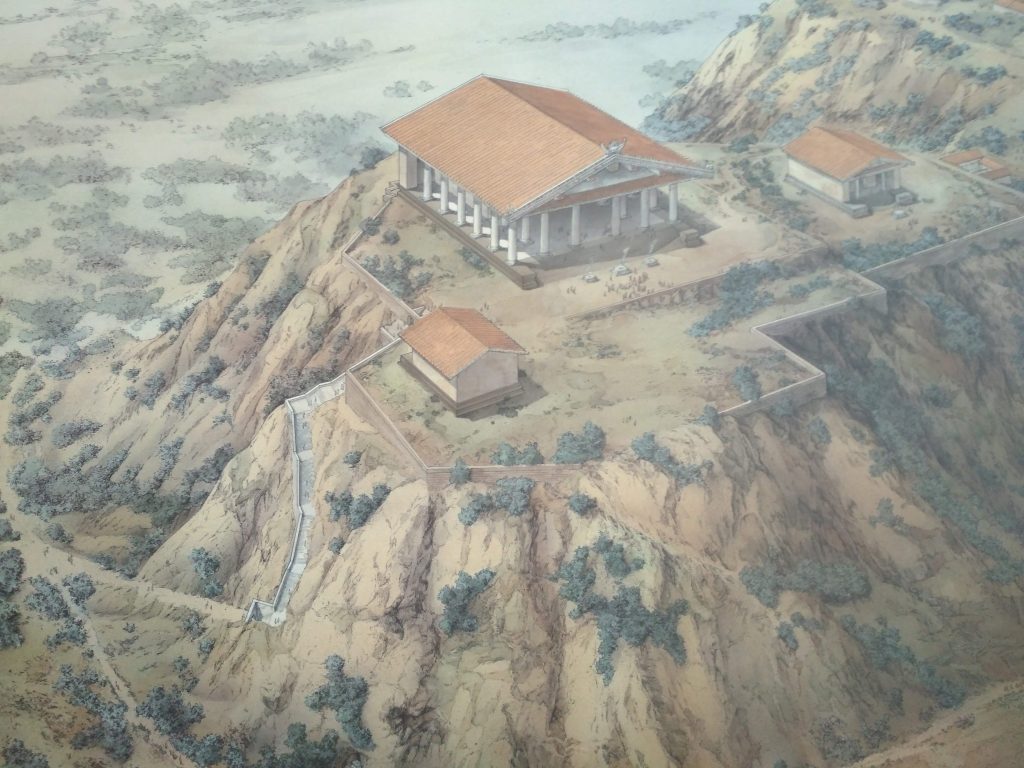
Dominating ancient Rome with its grand staircase, the Temple of Jupiter Optimus Maximus was dedicated to the chief Roman god Jupiter.
The temple featured a massive statue of Jupiter, hailed as a masterpiece of Roman sculpture. Inside, intricate marble floors and walls complemented numerous sculptures of gods, goddesses, and mythological scenes.
This temple, part of a triad including Minerva and Juno, symbolized Rome’s religious devotion and artistic skill, reflecting the power and protection those gods offered to the empire.
8. Roman Temple of Évora
Standing prominently in Évora, Portugal, the Roman Temple of Évora, also known as the Temple of Diana, dates back to the 1st century AD.
Built from large granite blocks without mortar, it features Corinthian columns standing 6.7 meters tall, showcasing typical Roman engineering.
Though partially ruined, the temple’s remaining 14 columns reveal its original grandeur. Positioned in Évora’s historic center, a UNESCO World Heritage Site, it highlights the Romans’ architectural excellence and religious devotion in the Iberian Peninsula. Visitors gain insight into Roman provincial temple design and enduring cultural influences.
9. Temple of Saturn
Dating back to around 500 BC, the Temple of Saturn is one of Rome’s oldest religious sites. It honored Saturn, the god of wealth and agriculture.
Despite suffering damage from fires in 42 BC and 360 AD, the temple was rebuilt multiple times, with the last reconstruction dating to the late 4th century AD.
The iconic remaining ruins, including sturdy columns and a Latin inscription, reflect its historical significance as a center for Rome’s treasury and financial affairs.
Visitors today can explore the ruins in the Roman Forum, experiencing a direct connection to ancient Rome’s religious and economic life.
10. Temple of Hadrian
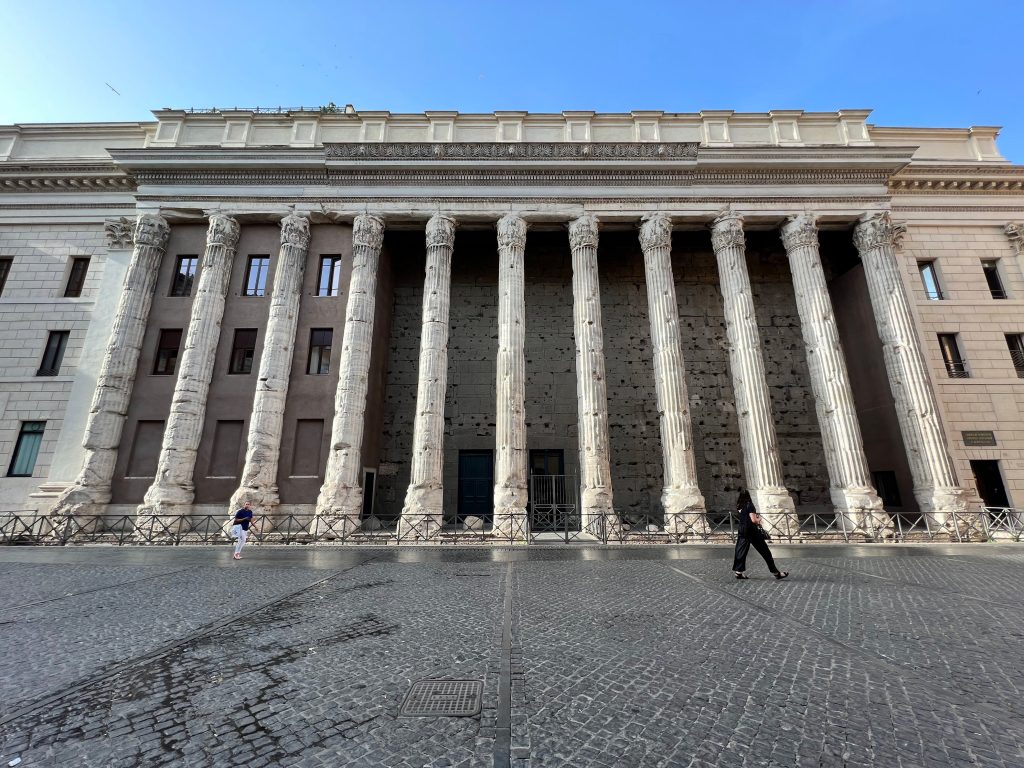
Located in Rome near the Roman Forum, the Temple of Hadrian was built in 145 AD to honor Emperor Hadrian.
Its surviving Corinthian columns, originally part of a larger structure, showcase intricate sculptural details reflecting imperial Roman design.
The temple served as both a religious site and a symbol of Hadrian’s power. Today, these columns stand integrated into the modern Piazza di Pietra’s facade, giving visitors a tangible connection to ancient Roman architectural grandeur.
Alicia Richards