Washington DC stands as a showcase of American history and architectural excellence. The city boasts a remarkable collection of buildings that not only define its skyline but also tell stories of the nation’s past.
From neoclassical masterpieces to modern memorials, Washington DC’s landmarks attract millions of visitors eager to explore its rich heritage.
Among these structures, some have become symbols recognized worldwide. The United States Capitol and the White House are just the beginning of a list filled with iconic buildings designed by some of the greatest architects.
1. United States Capitol
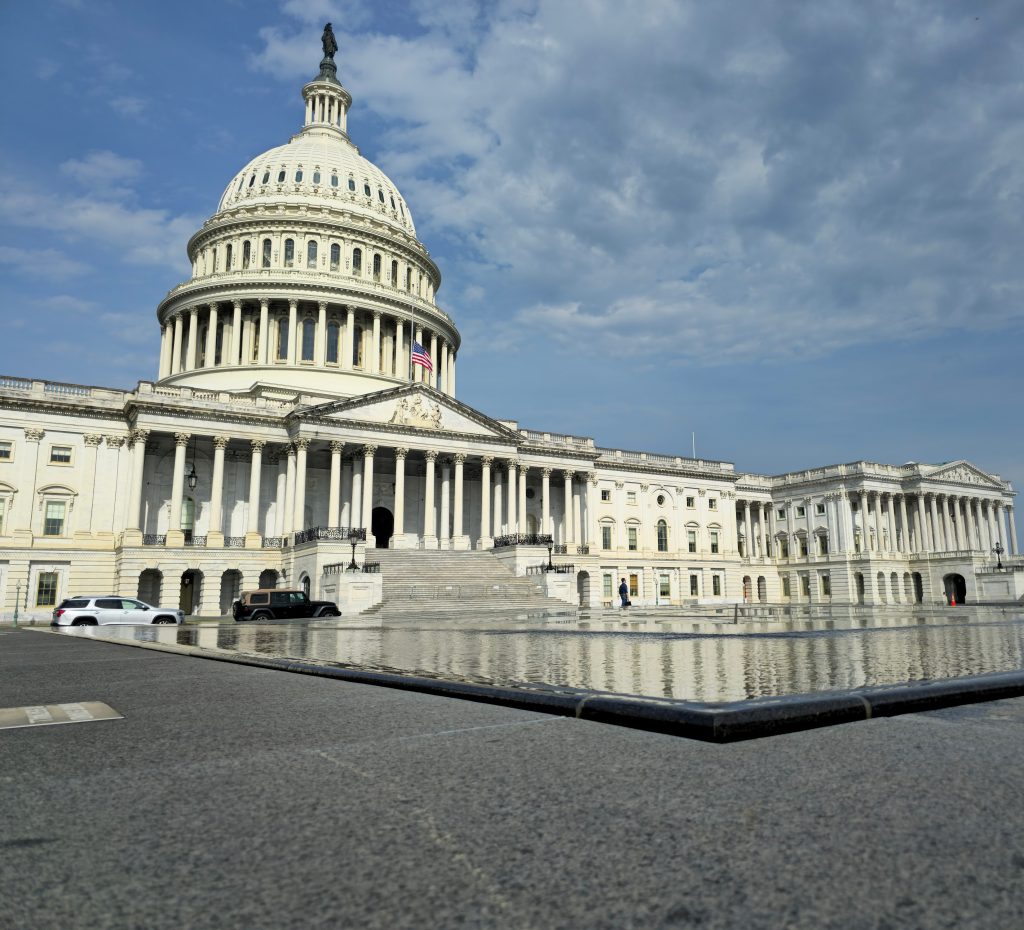
The United States Capitol stands as a symbol of American democracy and legislative power. This neoclassical masterpiece houses the Senate and the House of Representatives. Visitors admire its iconic dome, a global landmark representing governance.
Located at the east end of the National Mall, it features the Rotunda, showcasing historic paintings and statues that capture pivotal moments in U.S. history.
The Capitol’s design reflects the vision of several great architects, combining beauty with function in a space where critical national decisions unfold daily.
2. Washington Monument
The Washington Monument stands as the tallest stone structure in the world, towering at 555 feet on the National Mall.
This iconic obelisk honors George Washington, the nation’s first president and founding father.
Constructed with marble, granite, and bluestone gneiss, the monument’s neoclassical design reflects strength and simplicity. Visitors can take an elevator ride to the observation deck for panoramic city views.
Completed in 1884 after years of construction delays, it symbolizes national unity and the enduring legacy of leadership in American history.
3. White House
The White House stands as the most iconic building in Washington DC and serves as the official residence and workplace of the U.S. President.
Designed in the neoclassical style, its stately white facade represents American leadership and power.
The White House has witnessed pivotal moments in history, including major decisions shaping the nation’s future.
Situated at 1600 Pennsylvania Avenue, it combines elegance with symbolic significance, attracting millions of visitors annually. Its architecture and historical role make it a must-see landmark in any Washington DC tour.
4. Smithsonian Institution Building
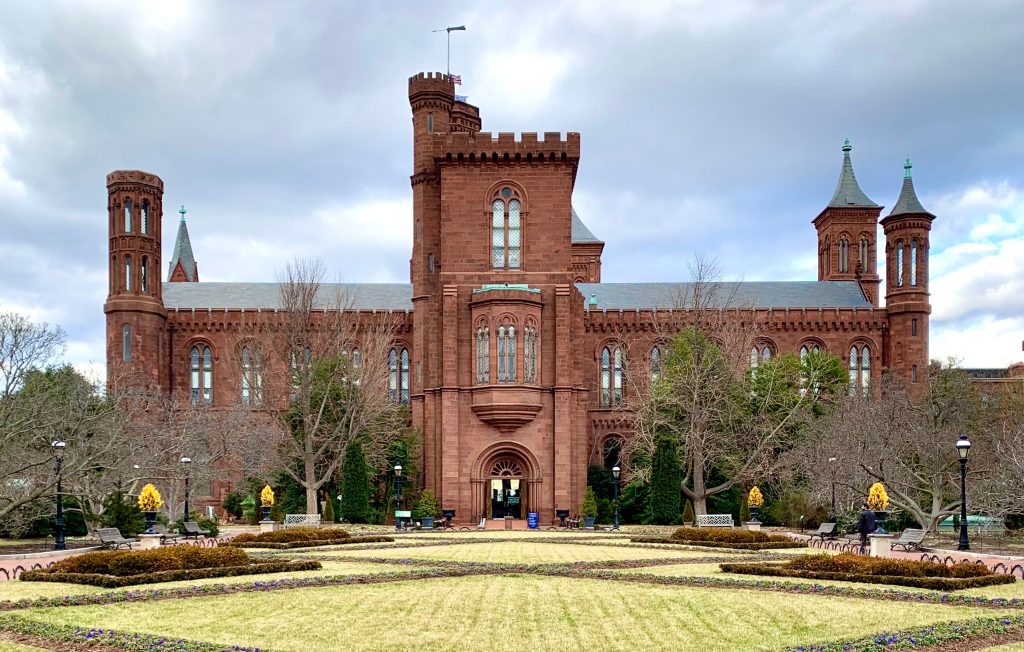
The Smithsonian Institution Building, known as the Castle, is Washington DC’s first Smithsonian structure, completed in 1855.
Designed by James Renwick Jr., who also created New York’s St. Patrick’s Cathedral, the Castle showcases Romanesque and early Gothic styles using distinctive Seneca red sandstone.
It functions as the Smithsonian’s administrative center and a popular visitor hub. The Castle features a visitor center and houses the crypt of James Smithson, the institution’s founder, making it a historic and architectural treasure in the nation’s capital.
5. Jefferson Memorial
Built in 1943, the Jefferson Memorial honors Thomas Jefferson, the third U.S. president and author of the Declaration of Independence.
Its neoclassical design features a circular colonnade inspired by the Roman Pantheon, symbolizing democratic ideals.
Located on the Tidal Basin, the memorial offers stunning views of the cherry blossoms in spring. Inside, a 19-foot statue of Jefferson stands beneath inscriptions of his writings, emphasizing liberty and freedom.
This iconic monument connects visitors to the founding principles of the nation and remains a key piece of Washington DC’s architectural and historical landscape.
6. Lincoln Memorial
The Lincoln Memorial stands at the western end of the National Mall as a powerful tribute to Abraham Lincoln, the 16th president who preserved the Union during the Civil War.
This neoclassical monument features 36 Doric columns, each representing a state in the Union at Lincoln’s death.
Inside, a 19-foot seated statue of Lincoln gazes solemnly, surrounded by inscriptions of his most famous speeches.
The memorial is a symbol of unity and freedom, frequently hosting historic civil rights events, making it one of Washington DC’s most visited and iconic landmarks.
7. Washington National Cathedral
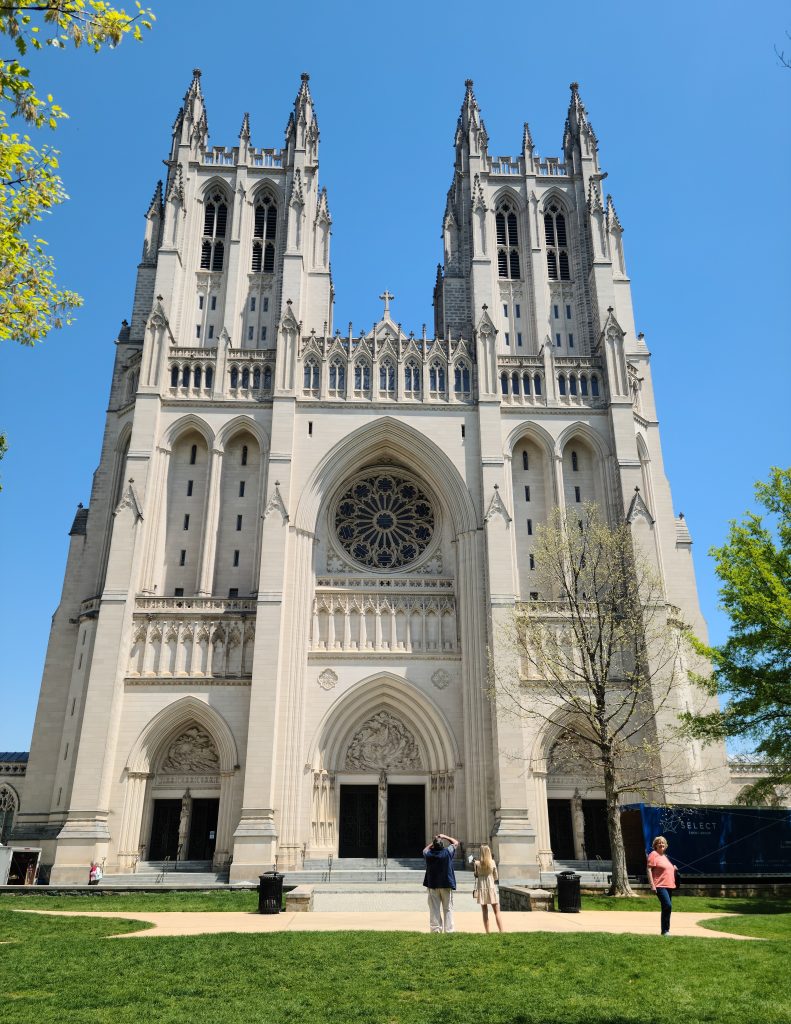
Washington National Cathedral stands as a Gothic Revival masterpiece and a significant religious landmark in the nation’s capital. Constructed starting in 1907, it features the Great Choir with a 10,650-pipe organ and intricate stained glass.
The Space Window highlights American space achievements, while the Bethlehem Chapel honors President Woodrow Wilson’s worship.
Visitors admire the Canterbury Pulpit’s detailed stone carvings and climb to the Pilgrim Observation Gallery for sweeping city views. This cathedral blends architectural grandeur with deep historical and cultural significance.
8. Ford’s Theatre
Ford’s Theatre gained notoriety as the site of President Abraham Lincoln’s assassination in April 1865. Opened in 1863 and designed by Charles Lessig, this historic building focuses more on its significant past than architectural beauty.
It remains a major tourist attraction in Washington DC, commemorating a pivotal moment in American history.
Visitors can explore the theater, museum exhibits, and the adjacent Petersen House, where Lincoln died, making Ford’s Theatre an essential stop for history enthusiasts in the capital.
9. Washington Union Station
Washington Union Station, opened in 1907, stands as a premier example of Beaux-Arts architecture. Its Neoclassical design boasts vaulted entryways, coffered ceilings with gold leaf, and Diocletian windows.
The main concourse extends 760 feet, making it the longest single room worldwide. Serving as a vital transportation hub, it connects Amtrak to cities like New York and Boston and supports local metro, bus, and streetcar lines.
Beyond transit, the station houses shops and dining, blending historic grandeur with practical use. It remains a National Historic Landmark and a bustling gateway to the nation’s capital.
10. National Portrait Gallery
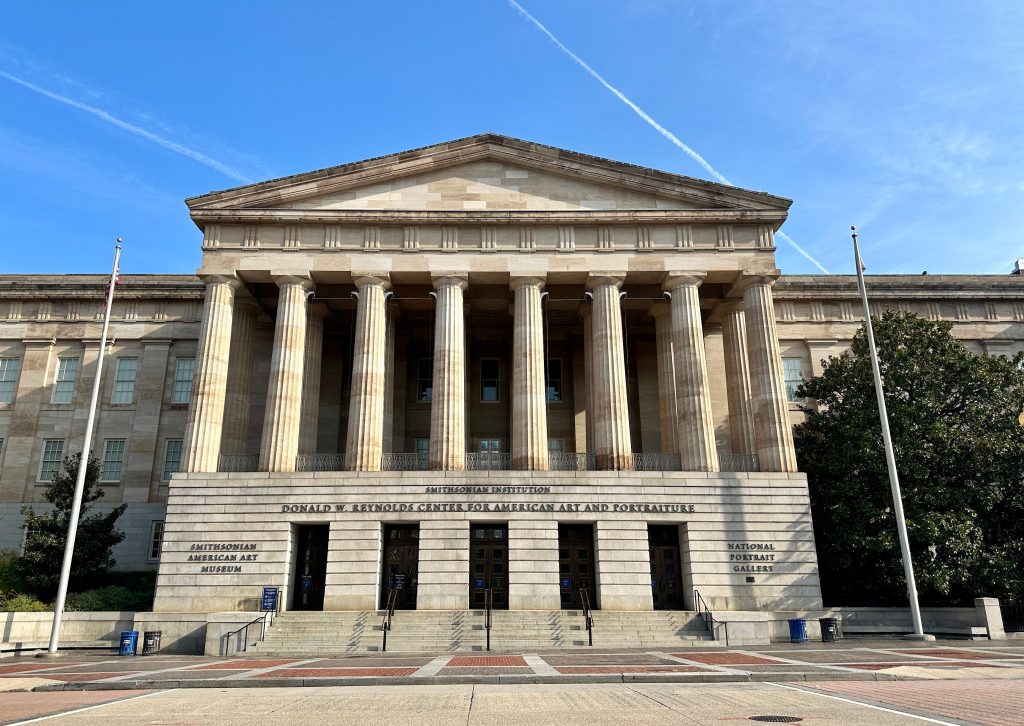
The National Portrait Gallery houses the nation’s only complete collection of presidential portraits outside the White House. It showcases portraits of notable Americans who shaped the country’s history and culture.
As part of the Smithsonian Institution, this landmark features paintings, photographs, and sculptures of influential figures. Located in Washington DC, the Gallery offers visitors a unique glimpse into American identity through art.
Its extensive collection spans politics, arts, sciences, and more, making it a cultural treasure for anyone exploring the capital.
Alicia Richards