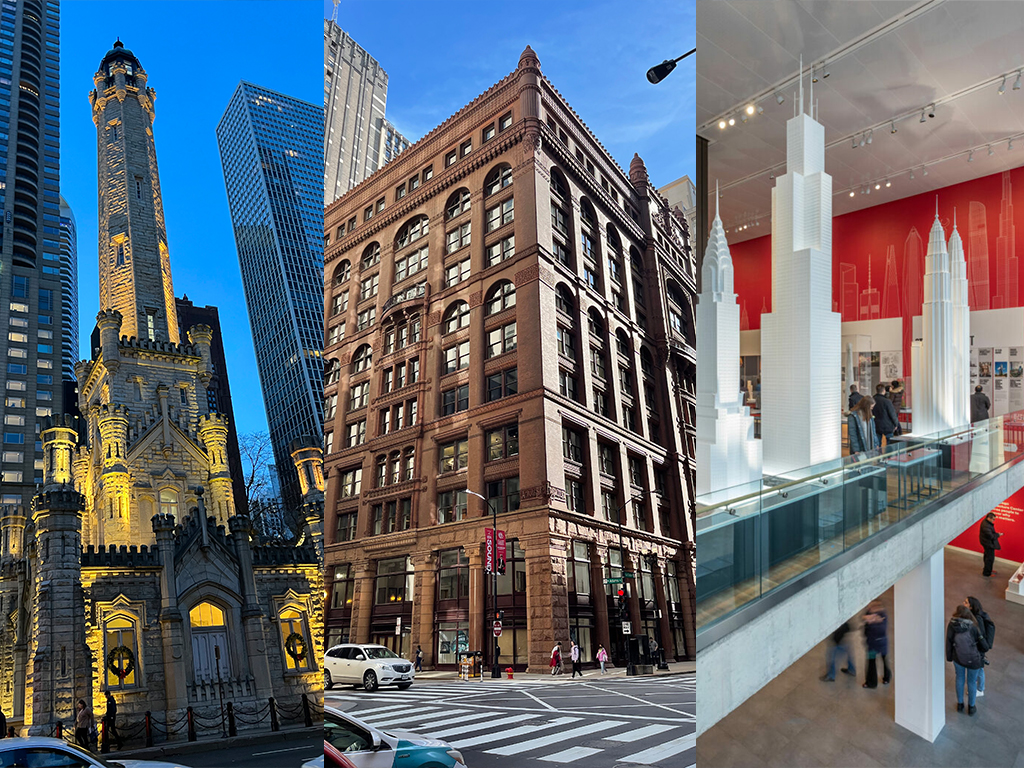
Chicago’s skyline is a stunning blend of historic charm and modern innovation. Known for its architectural diversity the city boasts some of the most iconic buildings in the world.
From soaring skyscrapers offering breathtaking views to masterpieces of design and engineering Chicago’s structures tell a story of creativity and progress.
These buildings are more than just landmarks they reflect Chicago’s rich history and its role as a pioneer in architecture.
Whether it’s the soaring heights of the Willis Tower or the sculptural elegance of the Aqua Tower each building captures a unique aspect of the city’s character.
1. Willis Tower
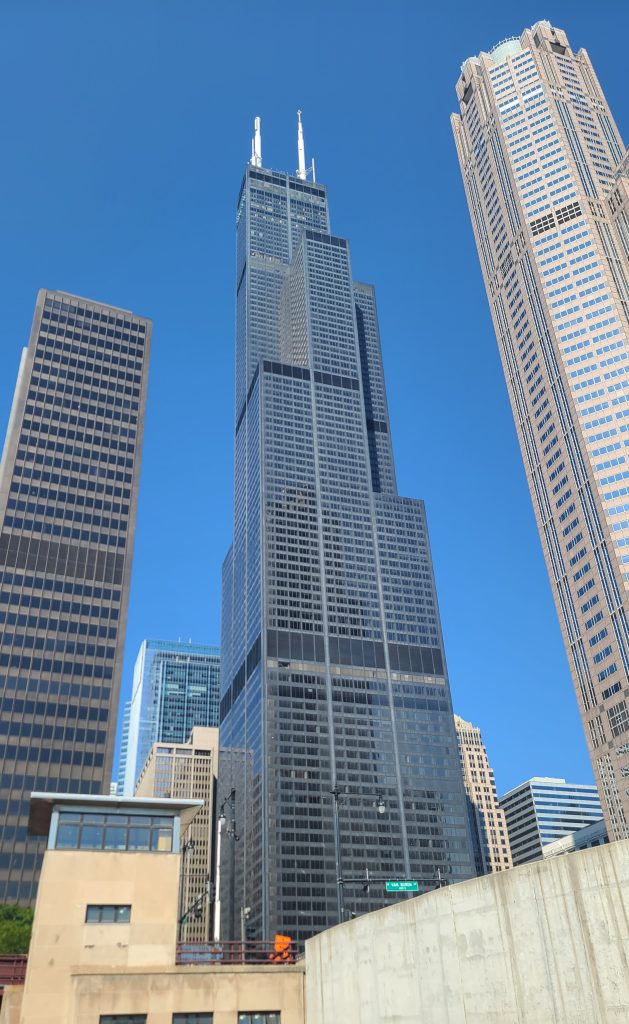
The Willis Tower stands as Chicago’s most iconic skyscraper with 110 stories, once holding the title of the world’s tallest building. It boasts the Skydeck on the 103rd floor, offering panoramic city views.
Visitors can step onto the Ledge, a glass balcony extending four feet outside the tower, providing a thrilling view straight down to the streets below.
This landmark perfectly illustrates Chicago’s architectural innovation and remains a must-see for anyone exploring the city’s skyline.
2. Tribune Tower
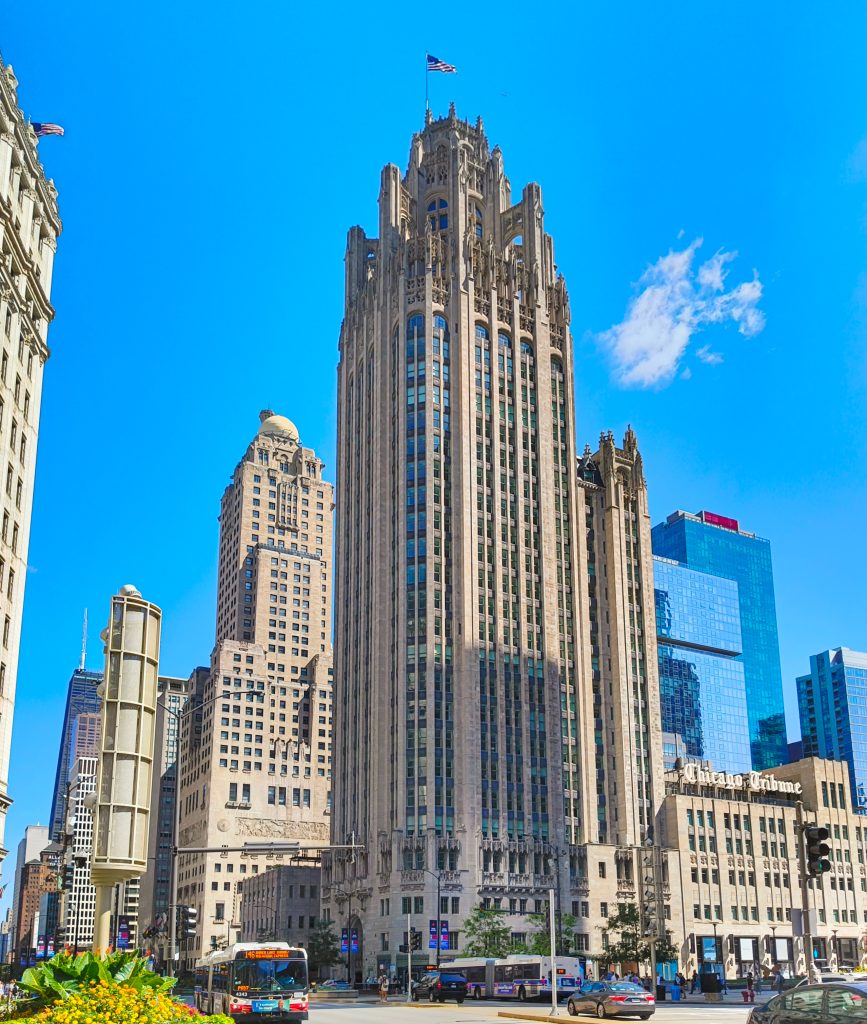
The Tribune Tower, located at 435 North Michigan Avenue, is a neo-Gothic skyscraper completed in 1925.
Designed by John Mead Howells and Raymond Hood, the tower won an international competition with its limestone facade, intricate stone carvings, and buttresses inspired by medieval European architecture.
Standing 141 meters tall along the Chicago Riverwalk, it once housed the Chicago Tribune and WGN Radio.
Its lower walls feature embedded fragments from global landmarks like the Great Wall of China and the Parthenon. The Tribune Tower remains a Chicago Landmark and a highlight on architectural tours.
3. Aqua Tower
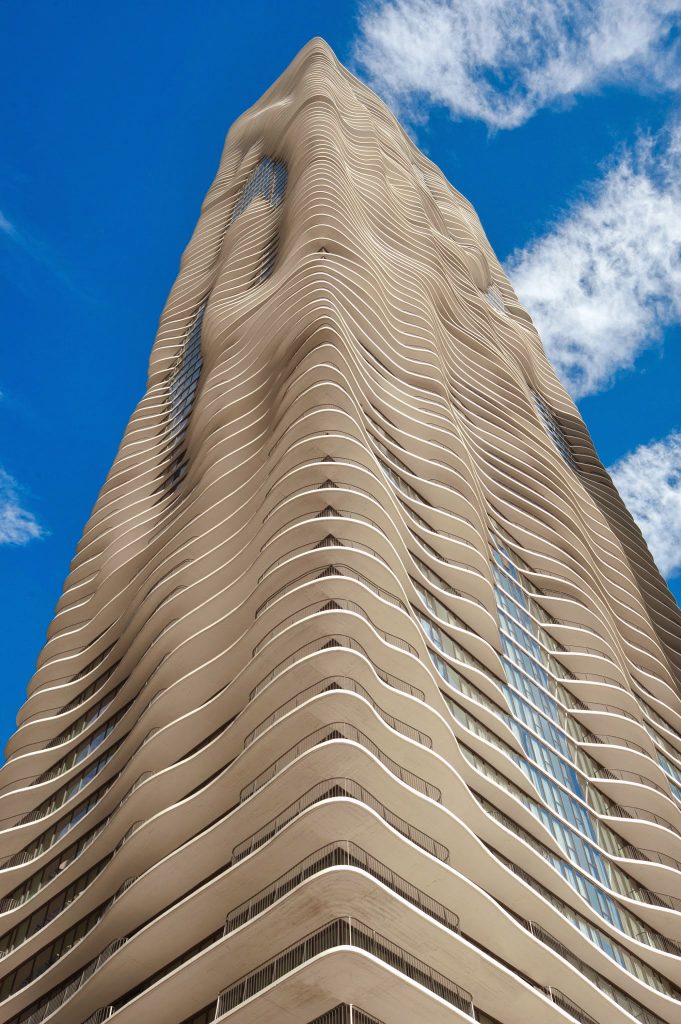
Chicago’s Aqua Tower stands out with its unique design that mimics flowing water through its undulating balconies.
Designed by Jeanne Gang, this 80-story skyscraper blends functionality and art, featuring 82 distinct balcony shapes poured using precise GPS technology.
Completed in 2009, it houses luxury residences and the Radisson Blu Aqua Hotel, connecting residents to the outdoors with terraces that reduce wind impact and provide shade.
The tower also contains the Chicago Architecture Center, offering immersive exhibits alongside stunning views of the Chicago Riverwalk and iconic landmarks like the Wrigley Building.
4. Merchandise Mart
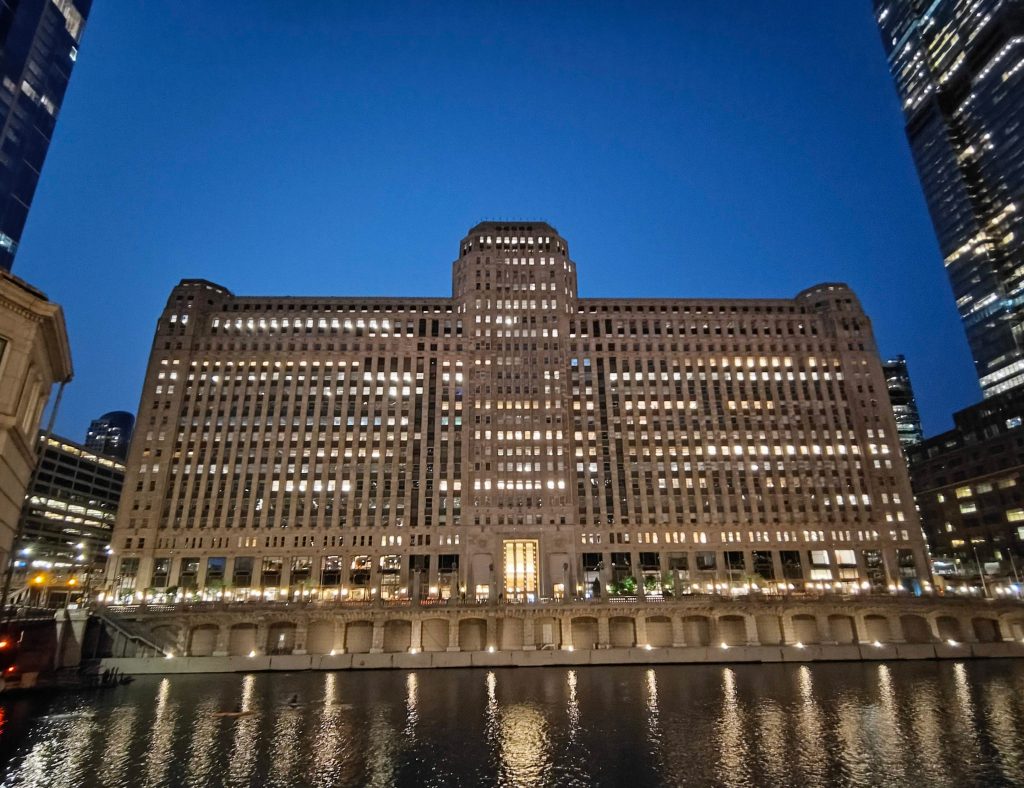
The Merchandise Mart is an iconic Art Deco building located at 222 W Merchandise Mart Plaza. Designed by the Graham, Anderson, Probst and White firm and completed in 1930, it was once the largest building in the world.
The Mart covers over 4 million square feet, hosting more than 20,000 visitors daily. Originally built to consolidate architectural and interior design vendors, it functions as a bustling retail and wholesale hub today.
Its strategic position near the Chicago River’s branches makes it a landmark blending commercial vitality with historical significance in Chicago’s architectural legacy.
5. John Hancock Center
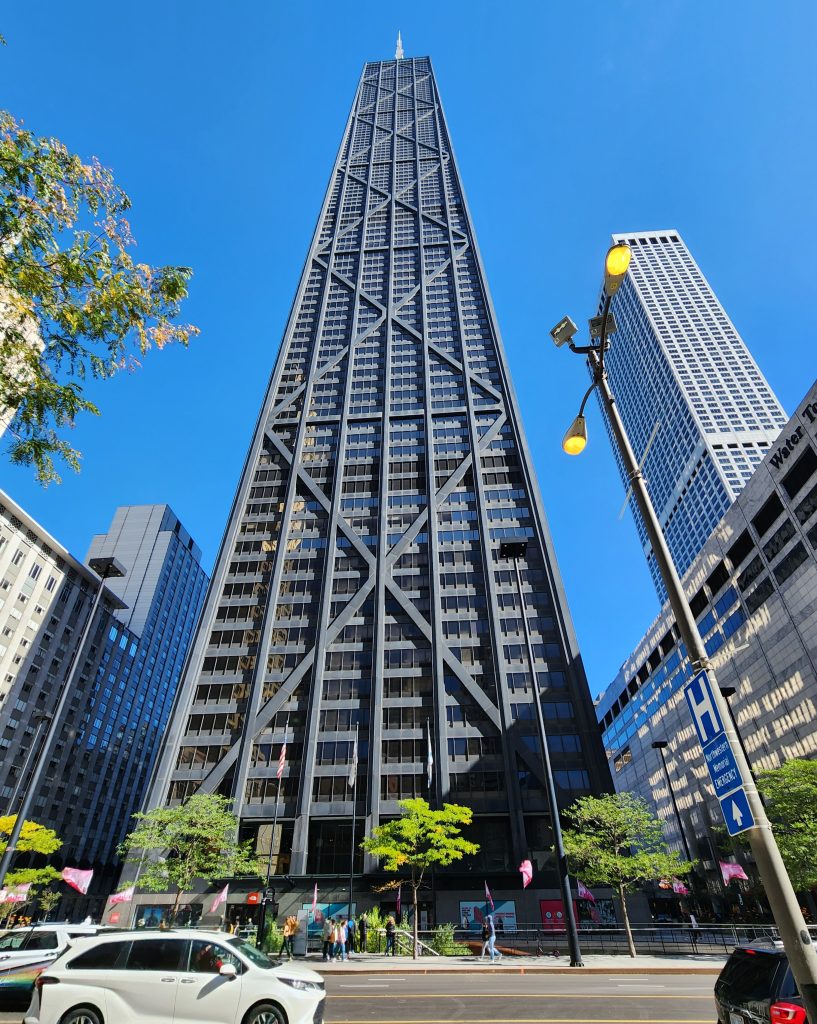
Rising 1,128 feet on Chicago’s Magnificent Mile, the John Hancock Center, now 875 North Michigan Avenue, commands attention with its distinctive X-braced exterior.
Designed by Fazlur Rahman Khan and completed in 1968, this skyscraper blends structural innovation with sleek aesthetics.
It features an observation deck on the 94th floor offering breathtaking panoramic views of Lake Michigan and the cityscape.
Despite a 2013 rebranding, locals still refer to it by its historic name. The John Hancock Center exemplifies Chicago’s blend of engineering excellence and iconic architecture.
6. Chicago Water Tower
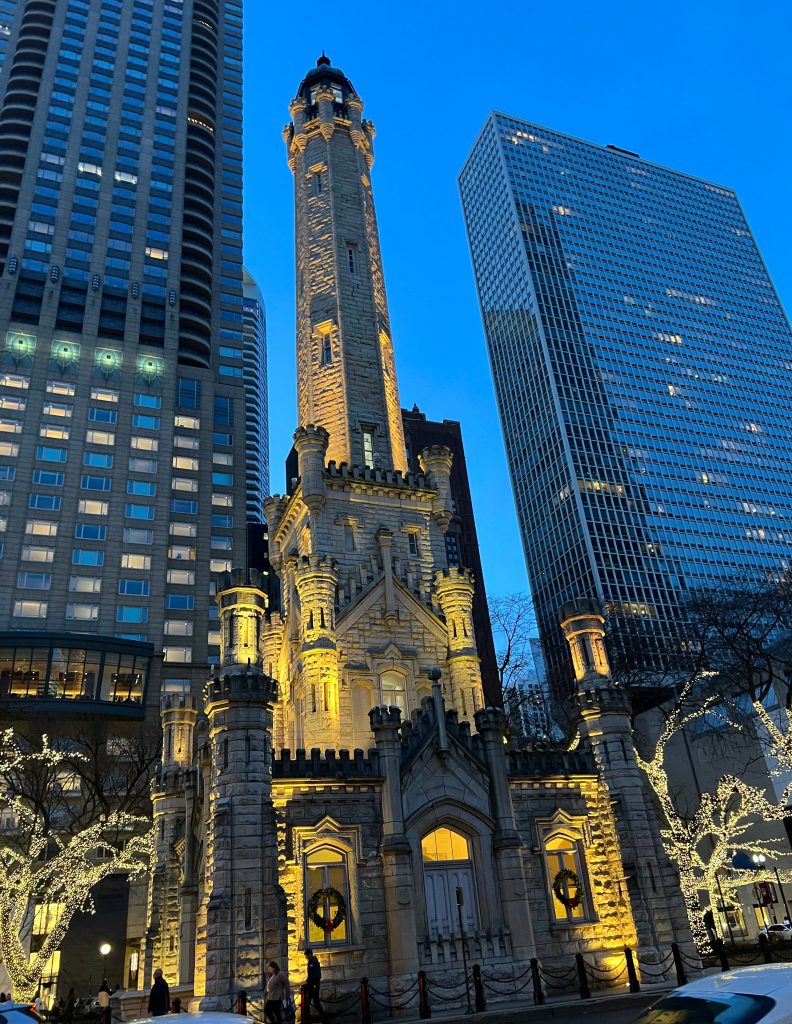
Standing as one of Chicago’s oldest landmarks, the Chicago Water Tower was built in 1869 to house a crucial water pump drawing from Lake Michigan.
Designed by William W. Boyington, this limestone structure showcases Gothic Revival architecture, contrasting sharply with the city’s modern glass and steel skyscrapers.
As the second-oldest water tower in the U.S., it survived the Great Chicago Fire of 1871, symbolizing the city’s resilience. Today, it remains an iconic architectural gem and a must-see on any Chicago tour.
7. Rookery Building
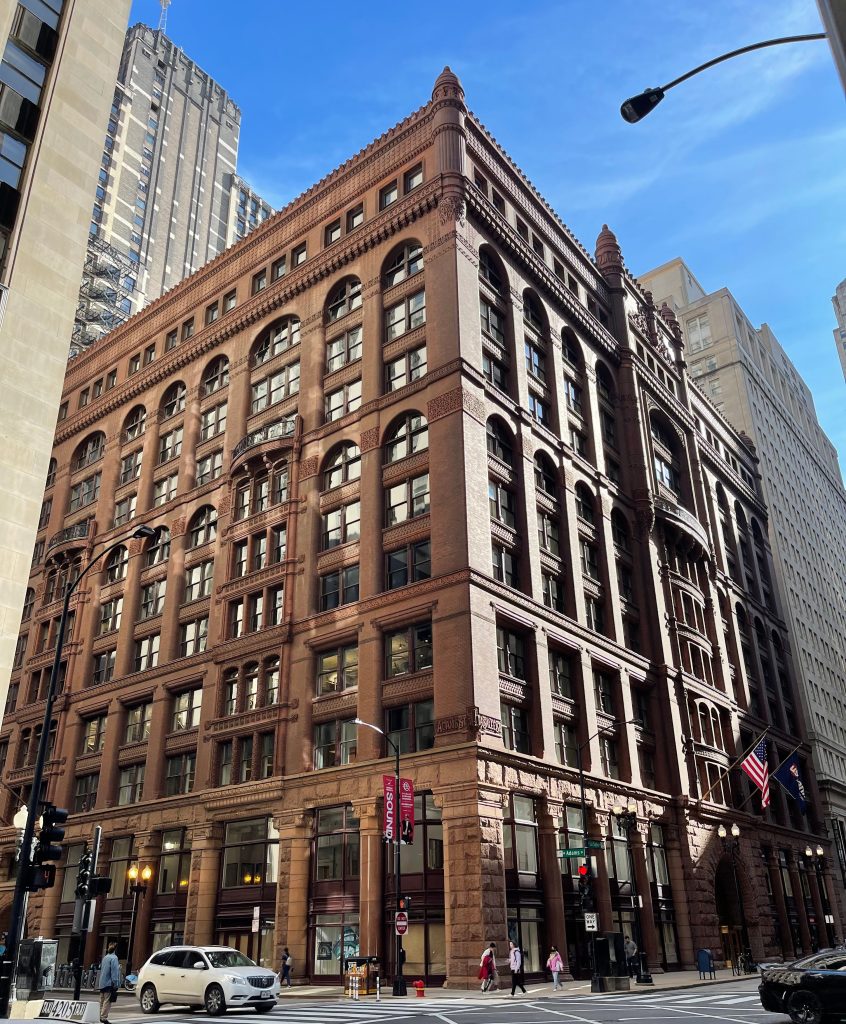
Completed in 1888 by the renowned architectural duo Daniel Burnham and John Root, the Rookery Building stands as a landmark of Chicago’s early skyscraper era.
This masterpiece blends Moorish, Byzantine, Romanesque, and Venetian styles in its ornate exterior and airy interior.
Renovated by legendary architect Frank Lloyd Wright in 1905, its lobby features a stunning light court with a curvaceous oriel staircase and prismatic glass.
Recognized as a Chicago Landmark since 1972, the Rookery remains a symbol of architectural innovation and elegance within the city’s financial district.
8. Civic Opera House
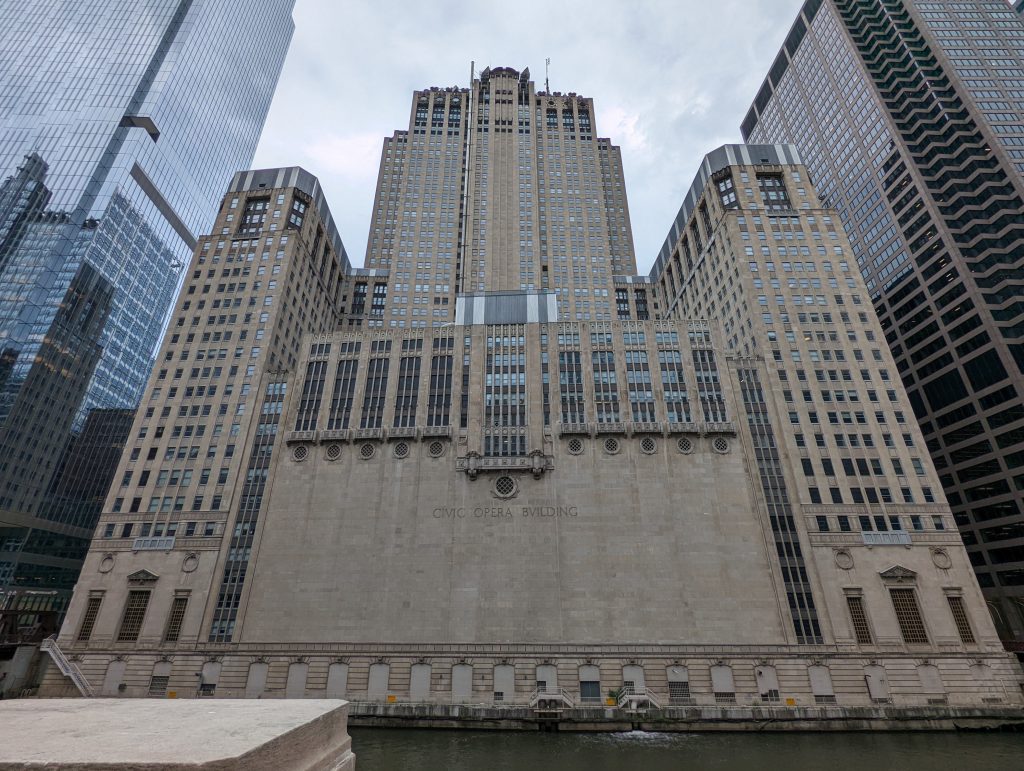
Built in 1929 near Lake Michigan, the Civic Opera House stands as Chicago’s most iconic opera venue.
Designed by Graham, Anderson, Probst & White under Samuel Insull’s vision, its unique silhouette resembles a massive throne, earning the nickname “Insull’s Throne.”
The auditorium, the second largest in North America, seats over 3,500 guests, hosting world-class opera and events.
Its elegant Art Deco design contrasts with Chicago’s modern skyline, making it a historic cultural landmark and a must-see for architecture and performing arts enthusiasts visiting the city.
9. James R. Thompson Center
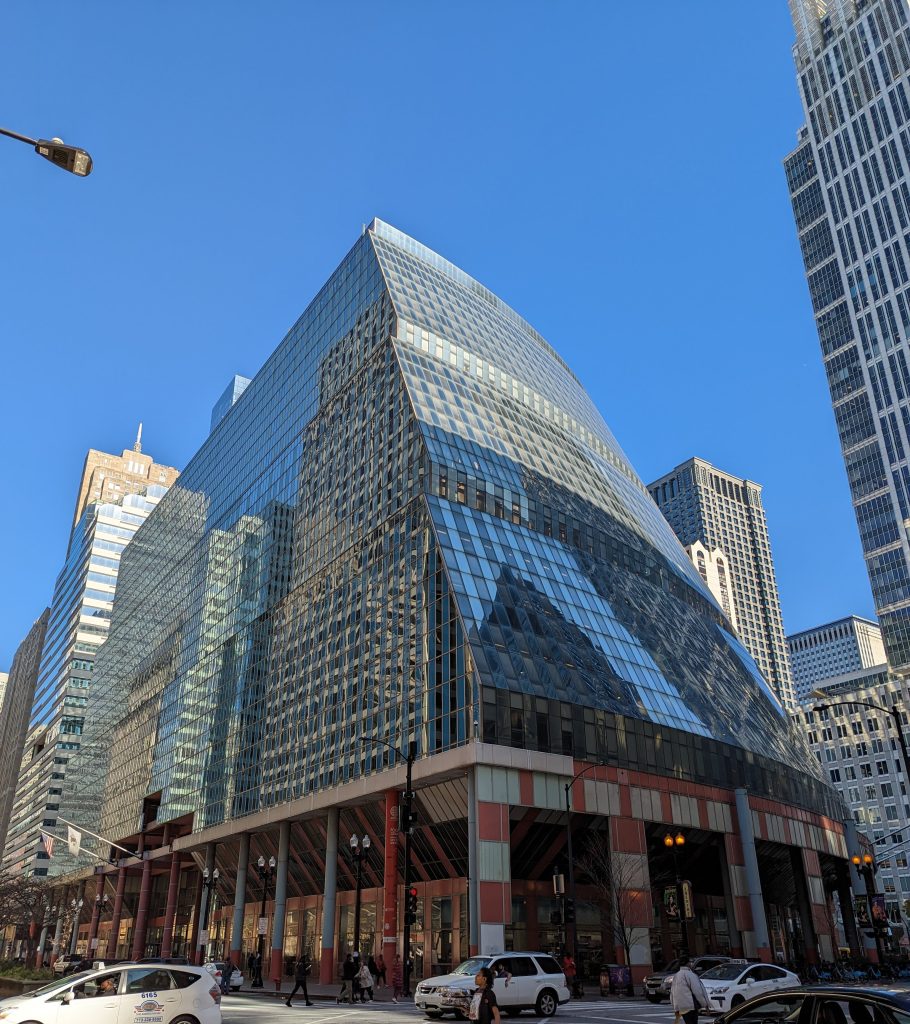
Standing along Lake Michigan’s shore in Chicago’s Loop, the James R. Thompson Center exemplifies postmodern architecture.
Designed by Helmut Jahn and completed in 1985, its striking glass facade features sloping rings stacked vertically. Inside, a vast atrium with a massive skylight creates a public space with exposed stairs and elevators, emphasizing government transparency.
Housing Illinois state offices across 17 floors, the building blends artistic design with practical use.
Despite its iconic status, it faces potential renovation or replacement due to costly maintenance and evolving urban needs. Address: 100 W Randolph St, Chicago, IL 60601.
10. Chicago Architecture Center
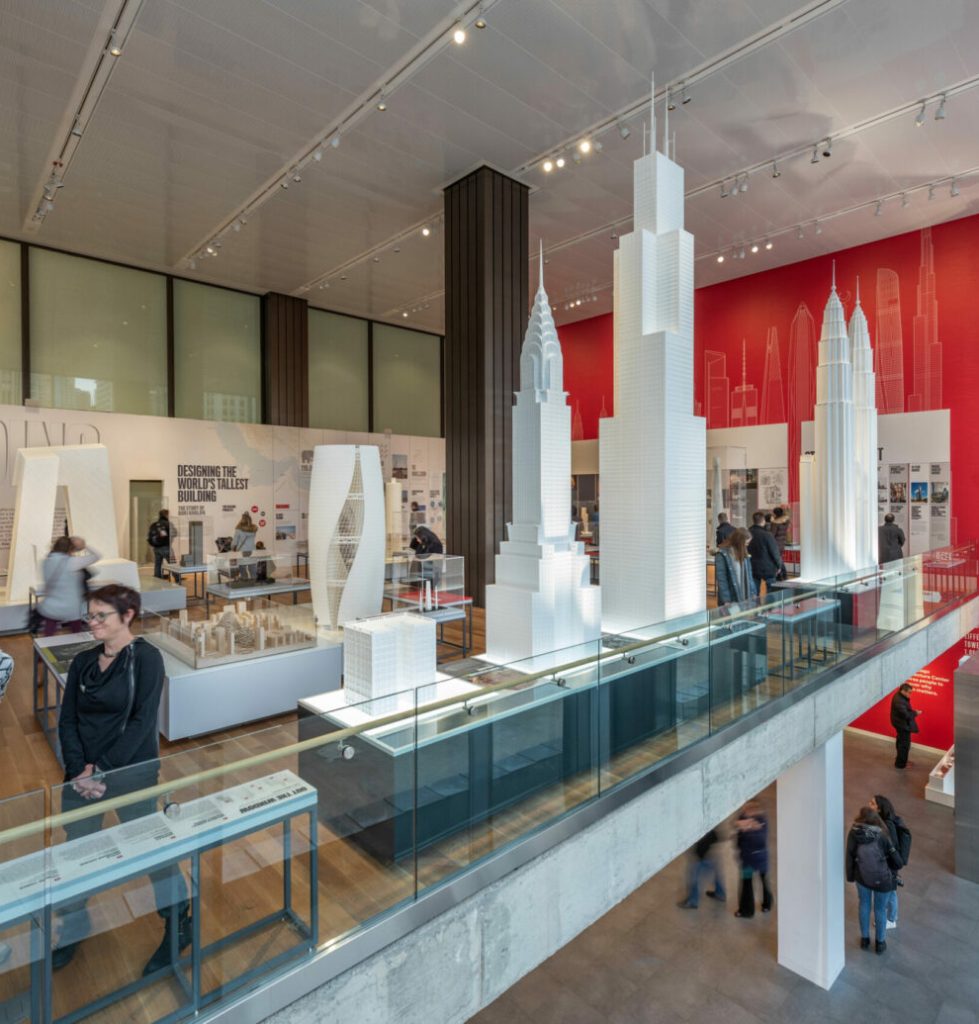
The Chicago Architecture Center spans 20,000 square feet, showcasing models and designs of the world’s most impressive architecture.
Established in 1966 to preserve the historic Glessner House, it now offers 85 diverse tours, including city streets and Chicago River routes.
Visitors explore Chicago’s architectural evolution—from the birthplace of the skyscraper to eco-design innovations.
The Center provides interactive exhibits highlighting Chicago’s resilient spirit and visionary urban planning, making it essential for architecture enthusiasts and students alike.
Alicia Richards