Russian architecture stands out with its distinctive styles and rich history that have shaped the world’s architectural landscape.
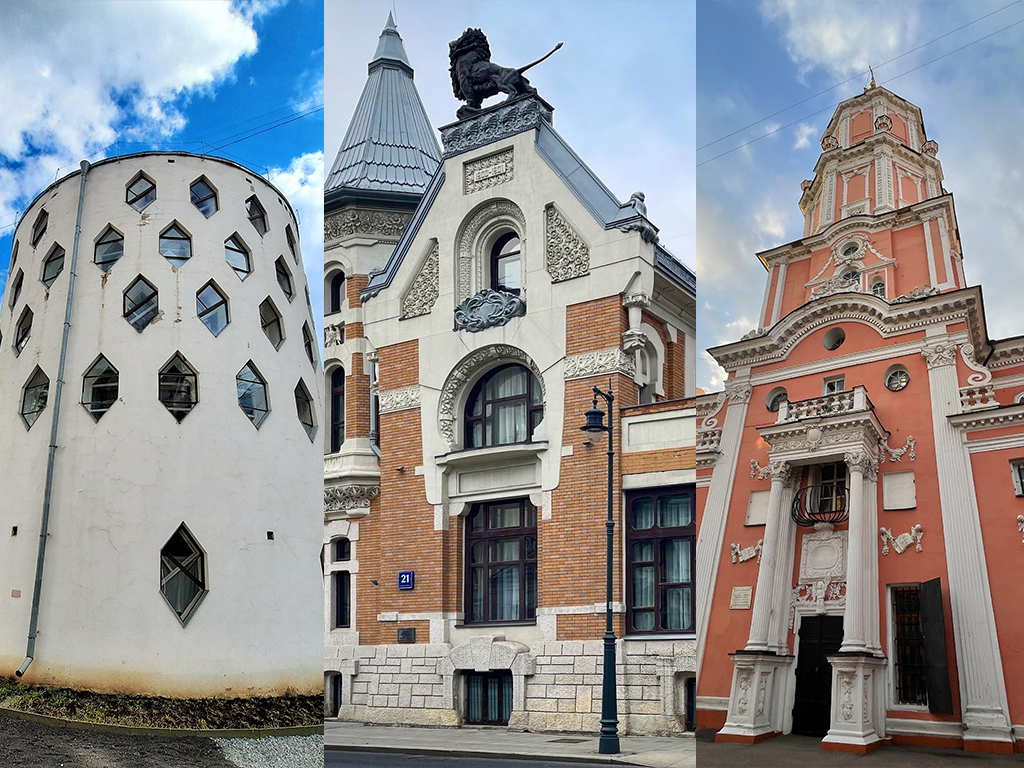
From the intricate onion domes to avant-garde designs, Russian architects have continually pushed creative boundaries, blending tradition with innovation. Their work reflects not only artistic vision but also cultural identity.
Among the 518 architects recorded in global datasets, Russia ranks eighth in producing influential architects, highlighting the country’s significant contribution to the field.
Their stories reveal a blend of skill, creativity, and historical importance that continues to inspire architects today.
1. Konstantin Melnikov
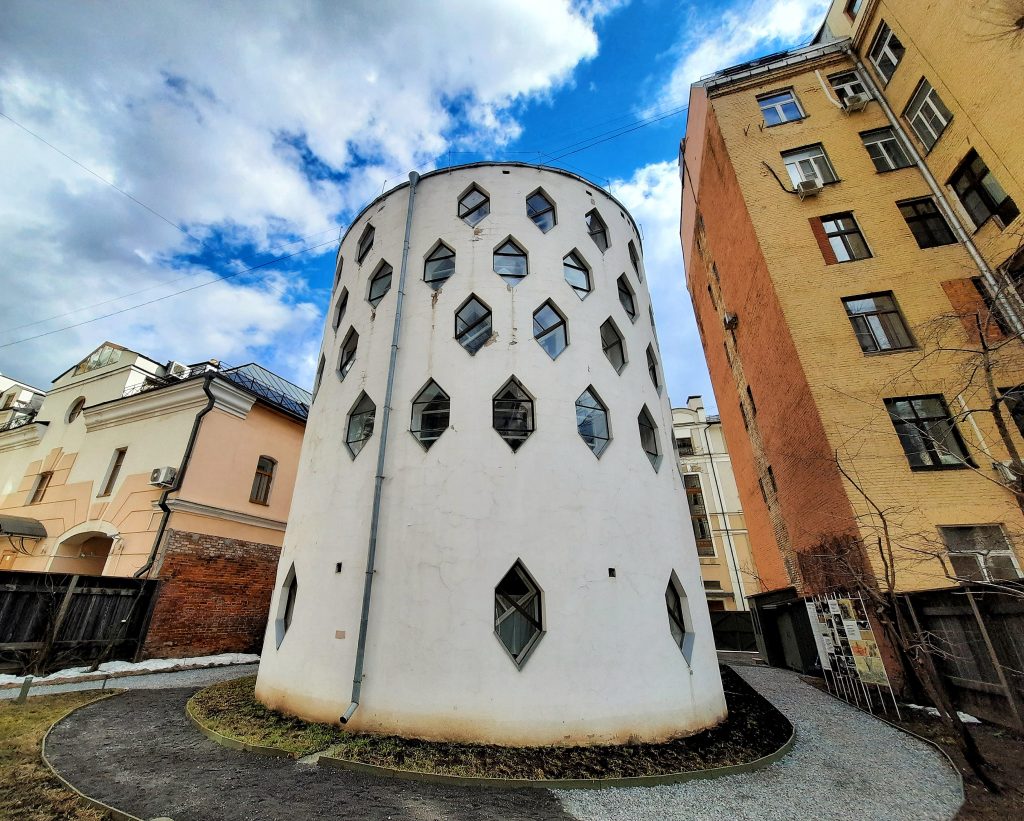
Konstantin Melnikov (1890–1974) led Russian avant-garde architecture during the 1920s. He broke away from strict Constructivist rules, creating bold, experimental designs that combined functional geometry with artistic freedom.
Melnikov’s most famous work, the Melnikov House in Moscow, features interlocking cylindrical towers, a rare example of personal Soviet architecture.
He also designed community centers like the Rusakov Workers Club and innovative garages such as the Bakhmetyevsky garage, blending aesthetics with utility. Later, Melnikov withdrew from architecture, focusing on teaching and portraiture.
2. Francesco Bartolomeo Rastrelli
Born in Paris in 1700, Francesco Bartolomeo Rastrelli became one of Russia’s most influential Baroque architects.
Spending most of his career in Russia, he designed grand palaces and royal buildings commissioned by Empress Elizabeth, Peter I’s daughter.
Rastrelli’s signature works include the opulent Rundāle Palace, Peterhof Palace with its lavish chapels, and the Jelgava Palace.
His distinct Baroque style features elaborate ornamentation and bold forms, leaving a lasting mark on Saint Petersburg and other historic cities across Russia, Ukraine, and Latvia.
3. Viktor Hartmann
Viktor Hartmann (1834–1873) was a versatile Russian architect, painter, and designer, renowned for blending visual arts with architecture.
Orphaned early, he was raised by architect Alexandre Hemilian, who influenced his studies at the Saint Petersburg Academy of Fine Arts.
Hartmann designed numerous buildings across Kyiv, Paris, and other European cities. His architectural legacy includes the monument to Russia’s thousandth anniversary in Novgorod.
He gained lasting fame through paintings of Paris catacombs and Impressionist-style portraits, showcasing his unique artistic vision within mid-19th-century Russian culture.
4. Joseph Bové
Joseph Bové, born in Saint Petersburg in 1784, played a crucial role in Moscow’s reconstruction after the devastating 1812 fire.
Trained from 1802 to 1807, he studied alongside his brothers and later assisted renowned architects Matvei Kazakov and Carlo Rossi.
Bové’s neoclassical style reshaped Moscow, designing landmarks such as the Triumphal Arch and buildings around Red Square and the Bolshoi Theatre.
His work restored much of Moscow’s iconic architecture, securing his legacy as one of Russia’s most celebrated architects.
5. Ivan Fomin
Ivan Fomin (1872–1936) was a key figure in the Russian Neoclassical Revival, blending classical Greek and Roman elements with modern constructivist forms.
He began his career in Art Nouveau, then became famous for his neoclassical mansions and monumental buildings.
Fomin’s notable works include the Dynamo Society building in Moscow with its distinctive Doric columns, the Kursky Rail Terminal, and the People’s Commissariat of Heavy Industry.
His style, called Proletarian Classicism, inspired many Soviet architects and remains influential in Russian architectural history.
6. Fyodor Schechtel
Fyodor Schechtel, born in 1859 in Saint Petersburg, emerged as a leading Russian architect and Art Nouveau pioneer.
Trained at the Moscow School of Painting, Sculpture and Architecture, he transitioned from painting to architecture in 1894 after assisting Alexander Kaminsky.
Schechtel’s designs—such as the Zinaida Morozova Palace, Levenson Printshop, and Moscow’s Shamshin Building—combine innovative Art Nouveau elements with Russian traditions, earning him a reputation as one of Russia’s most prolific late 19th-century architects.
His architectural legacy profoundly influenced Russian design during this period.
7. Gavriil Baranovsky
Gavriil Baranovsky (1860–1920) was a renowned Russian architect, civil engineer, art historian, and publisher. He trained at the Saint Petersburg Institute of Civil Engineers, graduating with honors in 1886.
Baranovsky gained experience as an assistant to Paul Susor and later worked for the Baltic Shipyards. He designed five churches, five theaters, 39 private residences, and the Yaroslavsky Rail Terminal in Moscow.
Baranovsky also completed numerous projects for the prestigious Elisseeff family in Saint Petersburg, including the famous Elisseeff Emporium, showcasing his diverse architectural mastery.
8. Zurab Tsereteli
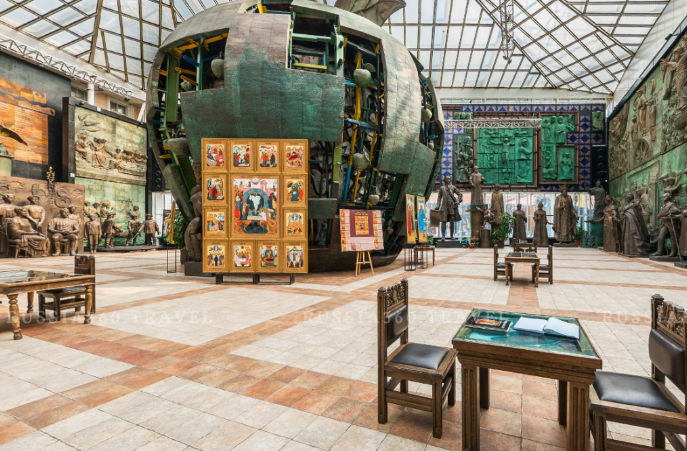
Zurab Tsereteli, born in 1934 in Tbilisi, stands out as one of Russia’s most prominent modern architects and sculptors.
As president of the Russian Academy of Arts since 1997, he has created numerous monumental structures across Moscow, Saint Petersburg, and beyond.
Tsereteli gained international recognition as the chief architect of the 1980 Summer Olympics in Moscow. Among his notable works is the Friendship Forever monument in Tishinskaya Square.
His innovative designs blend bold monumentalism with cultural symbolism, securing his place in Russia’s architectural pantheon.
9. Lev Kekushev
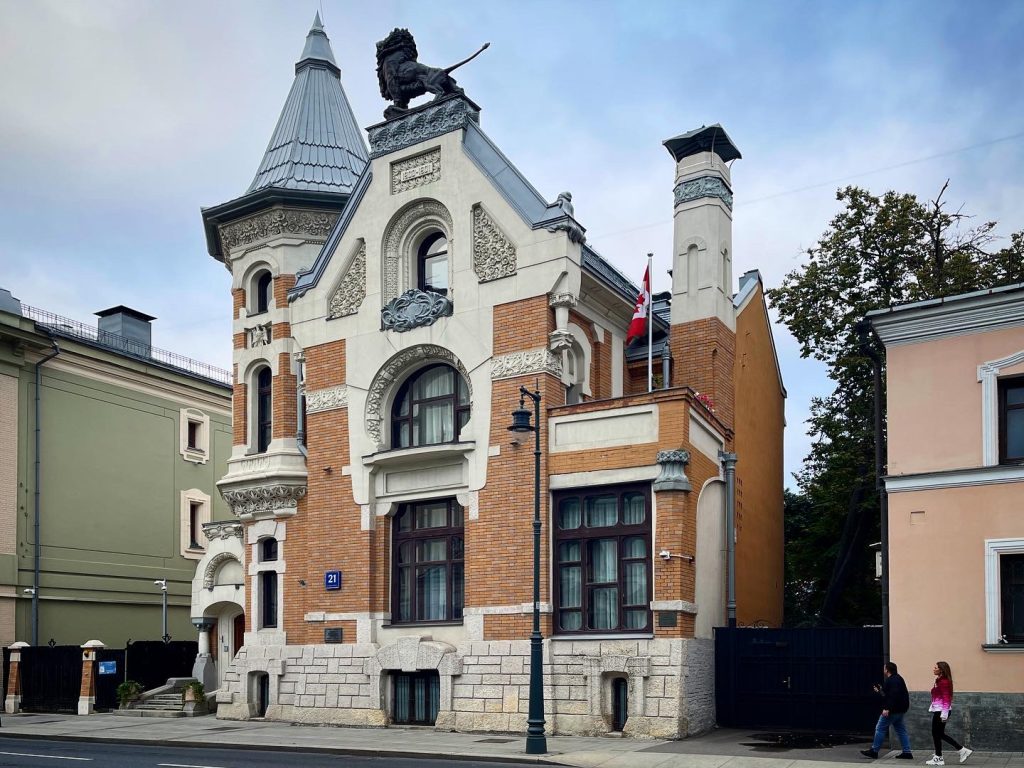
Lev Kekushev, born in 1862 in Vilnius, stands out as a leading Art Nouveau architect in Russia’s late 19th and early 20th centuries.
He pioneered the use of metal ornaments, forging iron and glass into distinctive decorative elements.
After graduating from the Institute of Civil Engineers in Saint Petersburg, Kekushev applied his skills in ironworking and galvanized silver to architecture.
His notable works include Moscow’s Isakov Apartment Building (1906), the Mindovsky House, Ponizovsky House, and his own residence on Ostozhenka Street, showcasing his signature metal craftsmanship and elegant design.
10. Domenico Trezzini
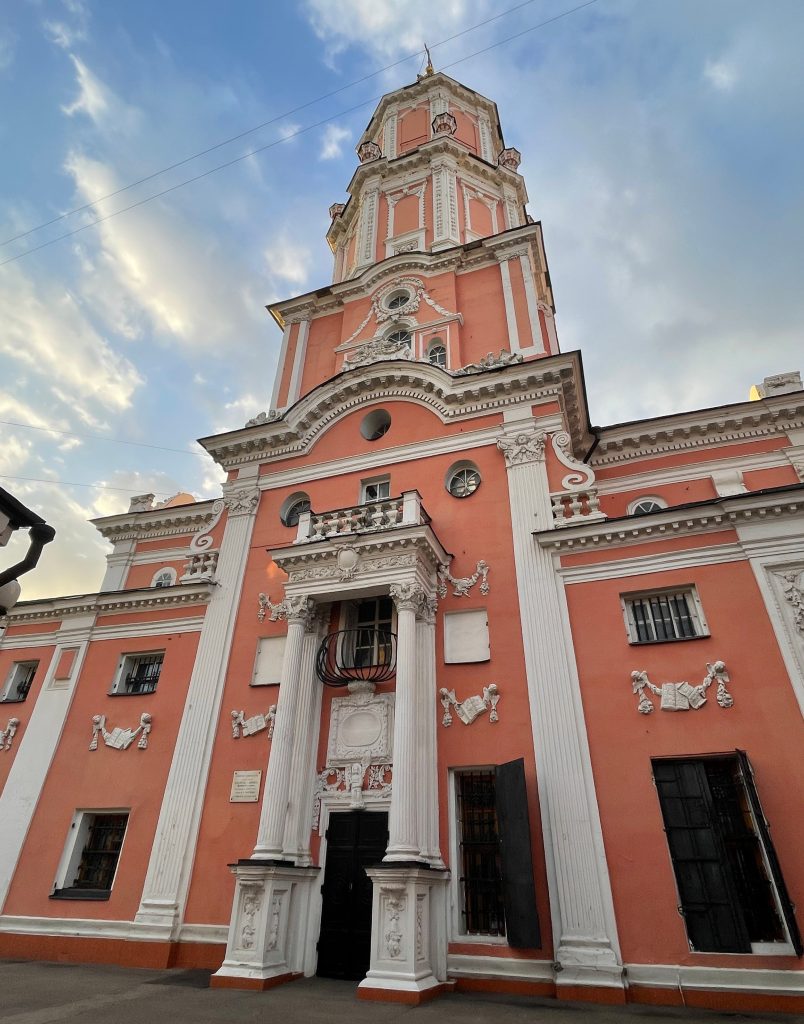
Domenico Trezzini, a Swiss-born architect, profoundly shaped 17th and 18th-century Russian architecture.
He introduced a distinctive style influenced by his studies in Rome, combining Western European aesthetics with Russian traditions.
Trezzini’s most notable contributions include early projects commissioned by Peter I in Saint Petersburg, intended as the new capital.
His works, such as the Peter and Paul Fortress and the Twelve Collegia building, remain architectural masterpieces reflecting Russia’s imperial ambitions and European ties during this transformative era.
Alicia Richards