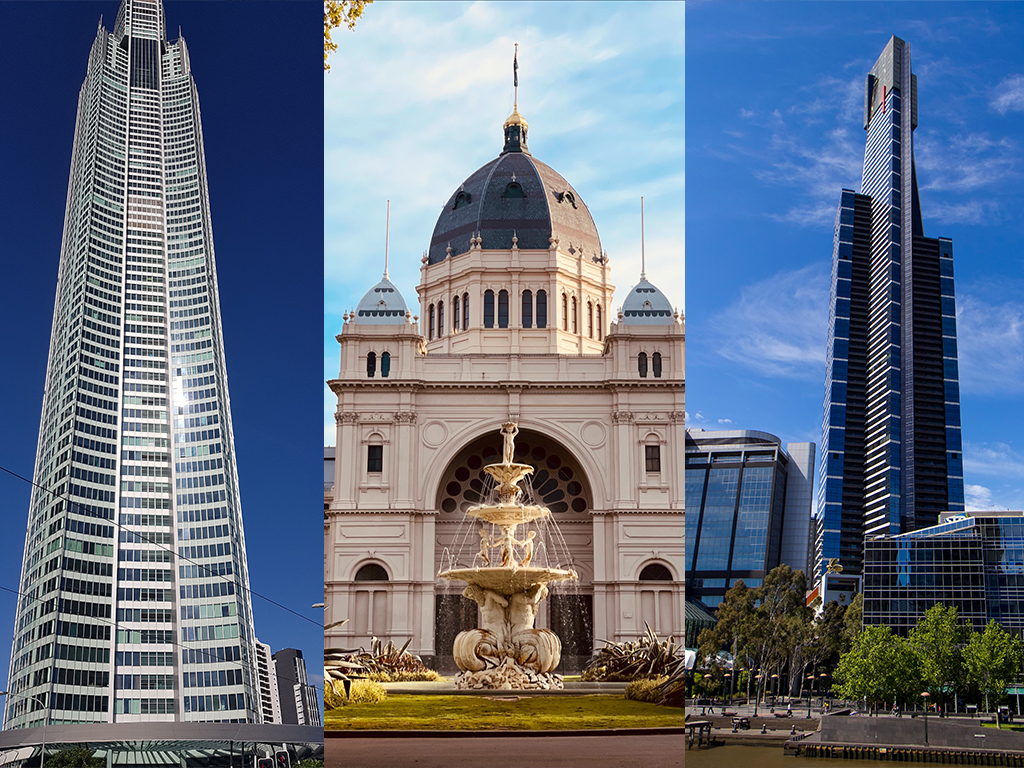
Australia’s architectural landscape is a fascinating blend of history innovation and cultural expression.
From the iconic sails of the Sydney Opera House to the towering heights of Melbourne’s Eureka Tower these buildings tell stories of the nation’s past and present. Each structure stands as a testament to Australia’s unique character and creative spirit.
These ten famous buildings not only define skylines but also serve as hubs for culture government and commerce.
Their designs range from classic Victorian to modernist marvels capturing the diversity of Australian architecture.
1. Sydney Opera House
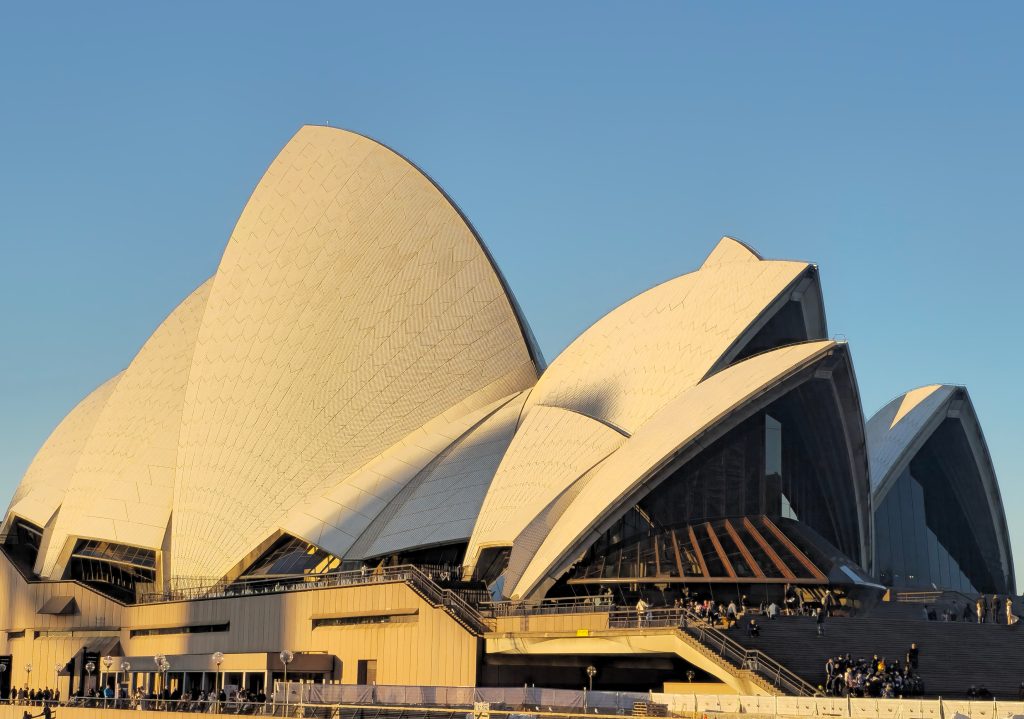
The Sydney Opera House stands as Australia’s most iconic building and a masterpiece of 20th-century architecture. Designed by Danish architect Jørn Utzon, construction began in 1958 and was completed in 1973.
Its distinctive sail-like roof and waterfront location at Bennelong Point make it instantly recognizable worldwide.
A UNESCO World Heritage site, the Opera House hosts multiple venues, including a large concert hall and five smaller theaters.
It accommodates over 15,000 guests, serving as a cultural hub in Sydney’s central business district.
2. Royal Exhibition Building
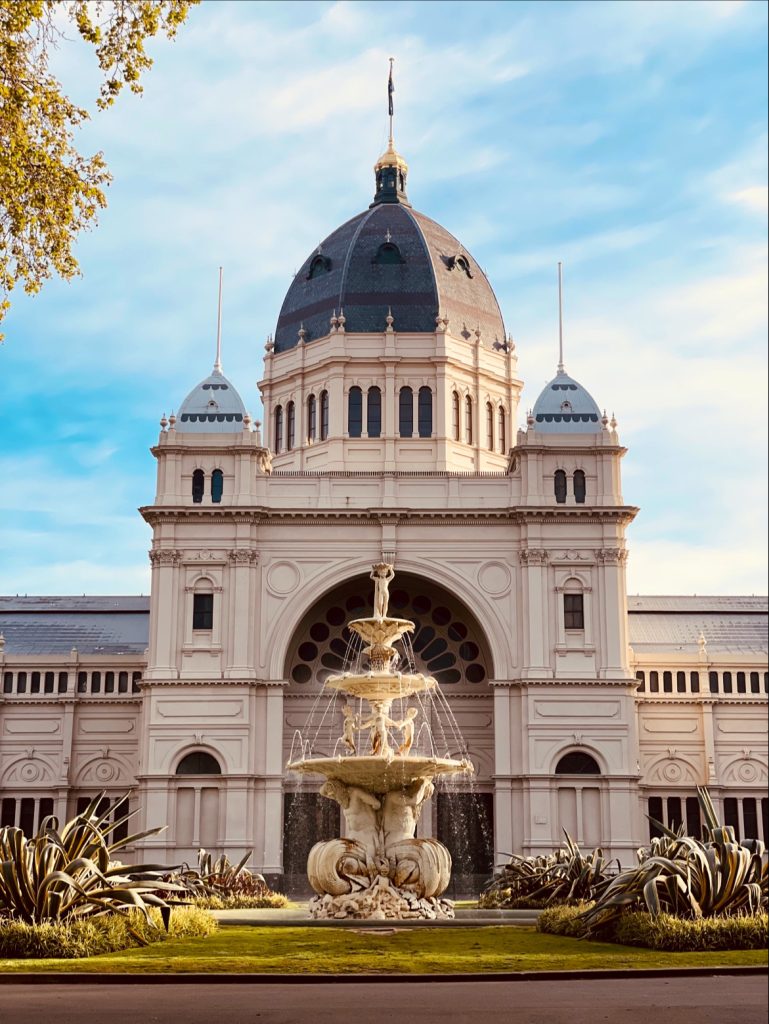
Completed in 1880, Melbourne’s Royal Exhibition Building is one of the world’s oldest remaining exhibition pavilions.
Designed by Joseph Reed in a classical style inspired by ancient Rome and Greece, it features a prominent dome and ornate facade.
This UNESCO World Heritage site covers 12,000 square meters within the Carlton Gardens, hosting major events like the 1888 Centennial International Exhibition and Australia’s first Parliament in 1901.
The building now serves as a cultural venue and symbolizes Australia’s Victorian architectural heritage and historical milestones.
3. Parliament House, Canberra
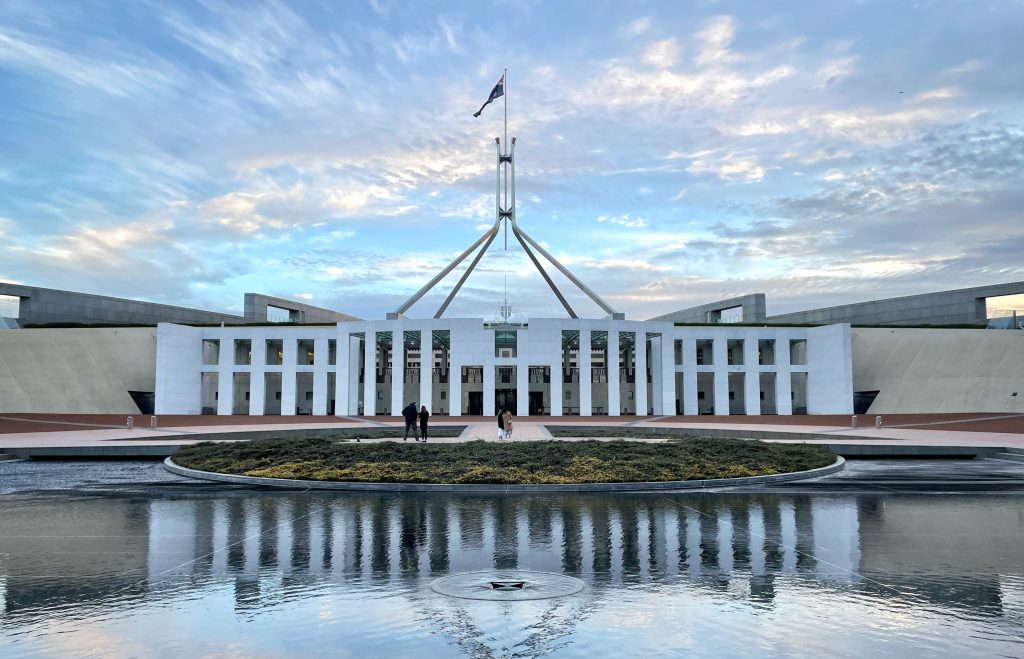
Parliament House, completed in 1988, stands as Australia’s political heart on Capital Hill, Canberra.
Designed by Mitchell/Giurgola & Thorp Architects, its architecture symbolizes democracy through a grass-covered roof blending with the landscape.
The building spans 79 acres (32 hectares) and features grand colonnades, a towering flagpole, mosaic forecourt, and marble foyer.
It serves as both a working parliament and a national ceremonial space, embodying unity and democratic values. Recognized for its creative design, it earned Aldo Giurgola the Royal Australian Institute of Architects Gold Medal in 1988.
4. Q1 Tower
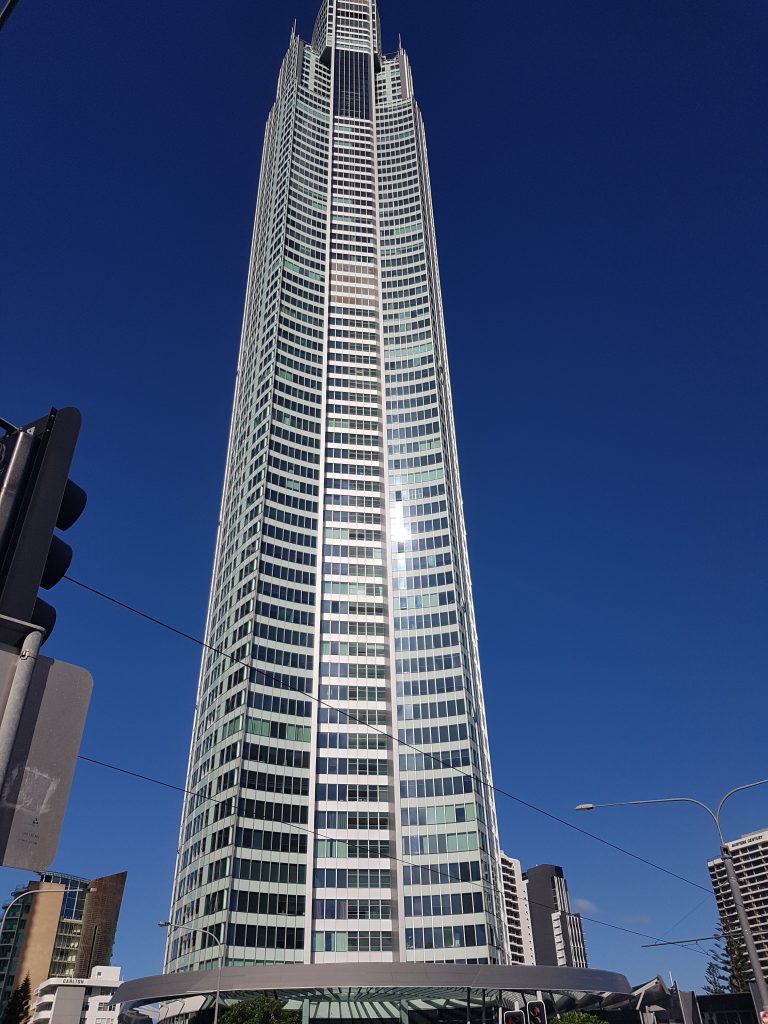
Standing at 1,058 feet (322 meters), Q1 Tower is Australia’s tallest building and the seventh tallest residential tower globally.
Designed by SDG The Buchan Group, its shape draws inspiration from the Sydney 2000 Olympic Torch. Located in Surfers Paradise, Queensland, Q1 not only defines the skyline but also enhances the nightlife and tourism in the area.
Its sleek design and considerable height make it an architectural icon and must-see landmark on the Australian coast.
5. Flinders Street Station
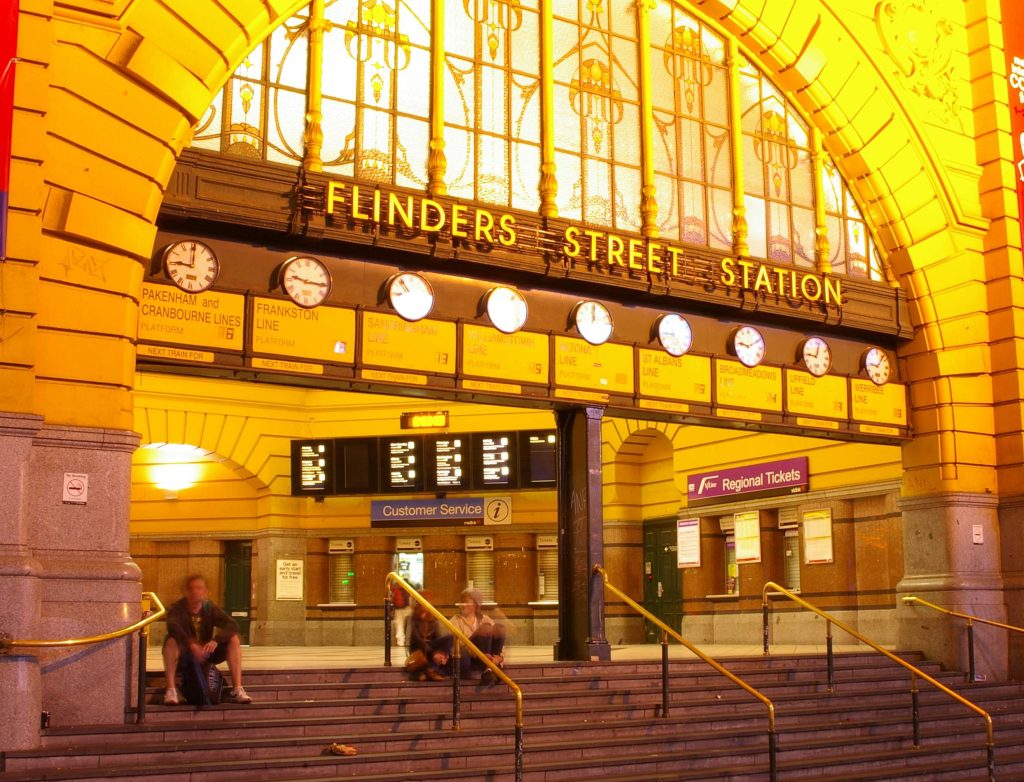
Flinders Street Station, opened in 1910, is Melbourne’s iconic commuter hub and Australia’s first railway station.
Known for its bright facade and green copper dome, it once held the title of the world’s busiest station in 1926, surpassing New York’s Grand Central.
The station features the world’s fourth longest platform at 708 meters and is a heritage-listed landmark. Its rusticated arch entrance with distinctive clock faces serves as a popular meeting spot.
The station blends Victorian grandeur with daily urban life, making it a vital cultural and architectural symbol in Melbourne.
6. Shrine of Remembrance
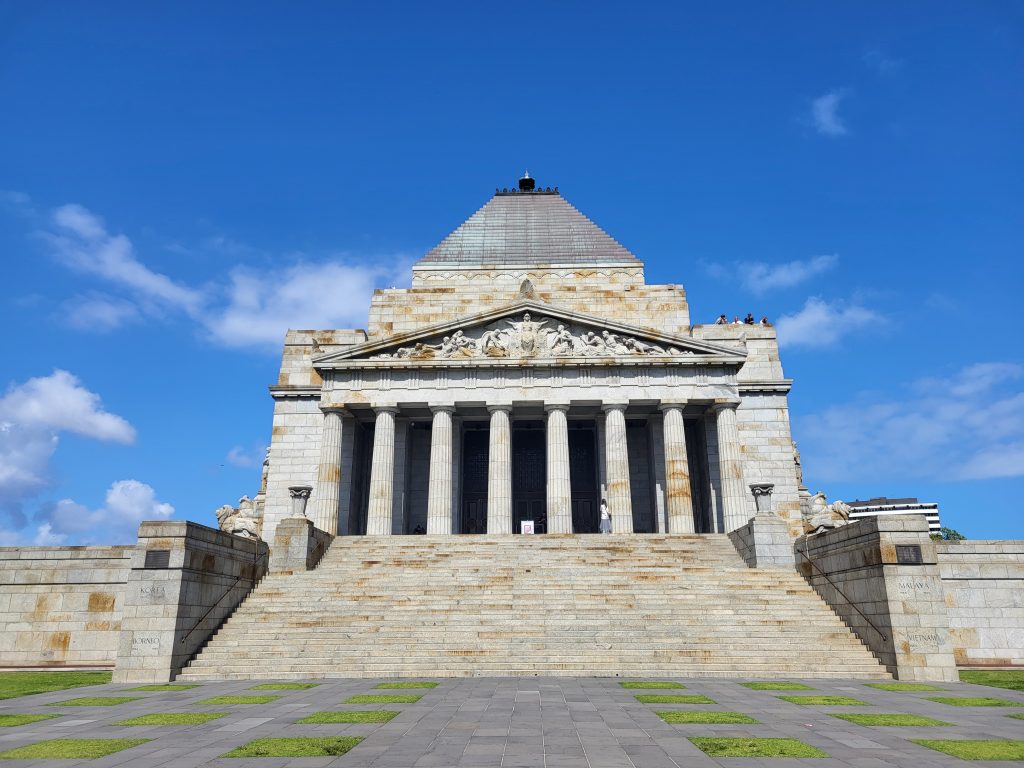
The Shrine of Remembrance in Melbourne honors Victorian men and women who served in World War I and all Australians who served in any war.
Designed by World War I veterans Phillip Hudson and James Wardrop, construction began in 1927 and finished in 1934, using durable Tynong granite. Its classical design draws inspiration from the Tomb of Mausolus and the Parthenon.
Annually, on November 11 at 11:00 a.m., a sunbeam illuminates the word “love” on the Stone of Remembrance.
The site features 42 bronze panels depicting World War I scenes and recently expanded galleries with over 800 artifacts.
7. Council House, Perth
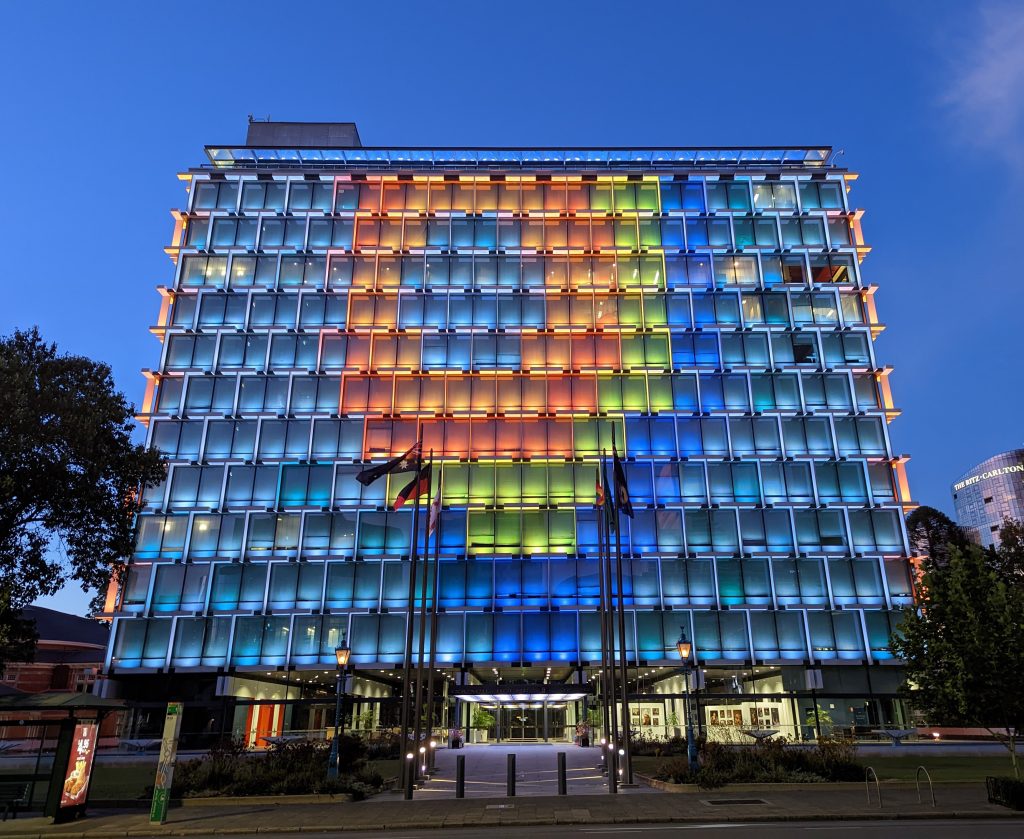
Council House in Perth, designed by Howlett and Bailey architects in the 1960s, stands as a landmark of modern Australian architecture.
Known for its sleek concrete-encased steel frame, it originally served as the city’s administrative hub.
Despite discussions of demolition due to deterioration, the building was revitalized, preserving its iconic mid-century modern style.
Council House remains a prime example of innovative design and urban integration, symbolizing Perth’s architectural heritage and resilience.
8. Queen Victoria Building
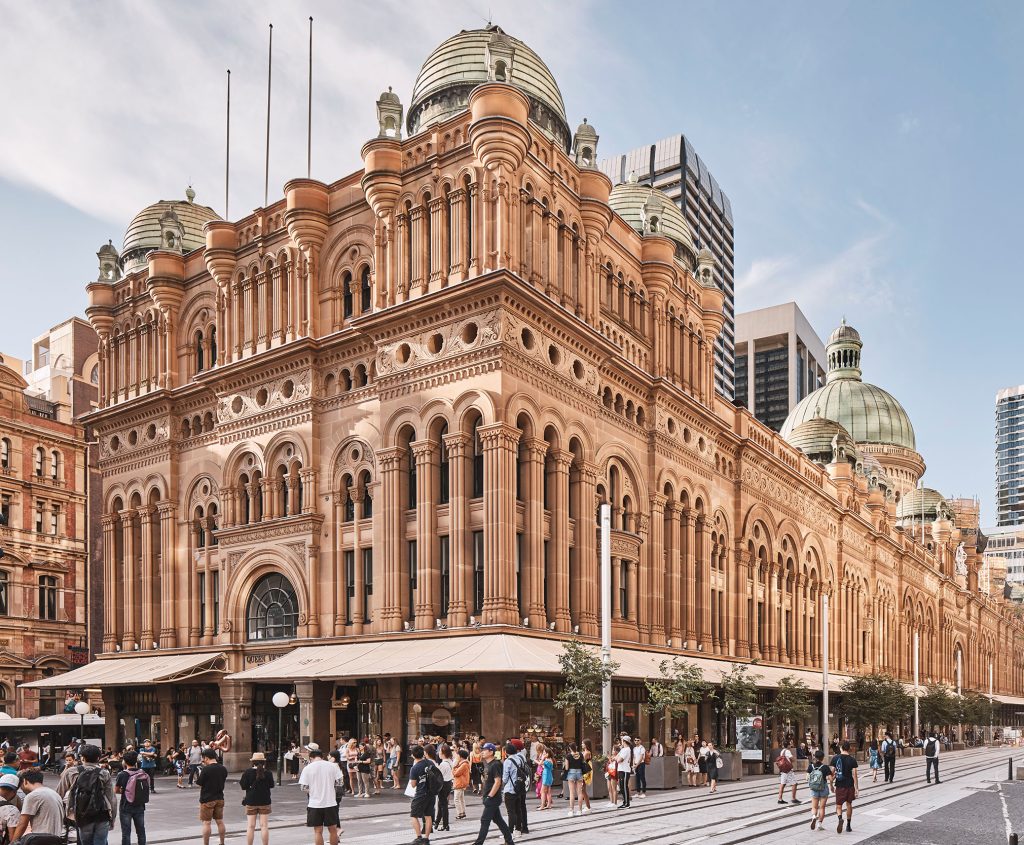
Located in Sydney’s central business district, the Queen Victoria Building (QVB) stands out for its intricate Romanesque Revival architecture and stunning stained-glass windows.
Completed in 1898, the QVB features ornate facades, beautiful arches, and a large central dome that draws visitors’ attention.
Originally built as a marketplace, it now hosts luxury shops and boutiques, blending historical elegance with modern commerce.
Its preserved 19th-century charm makes it one of Australia’s most celebrated heritage buildings, offering both cultural richness and exceptional shopping experiences.
9. Sydney Tower
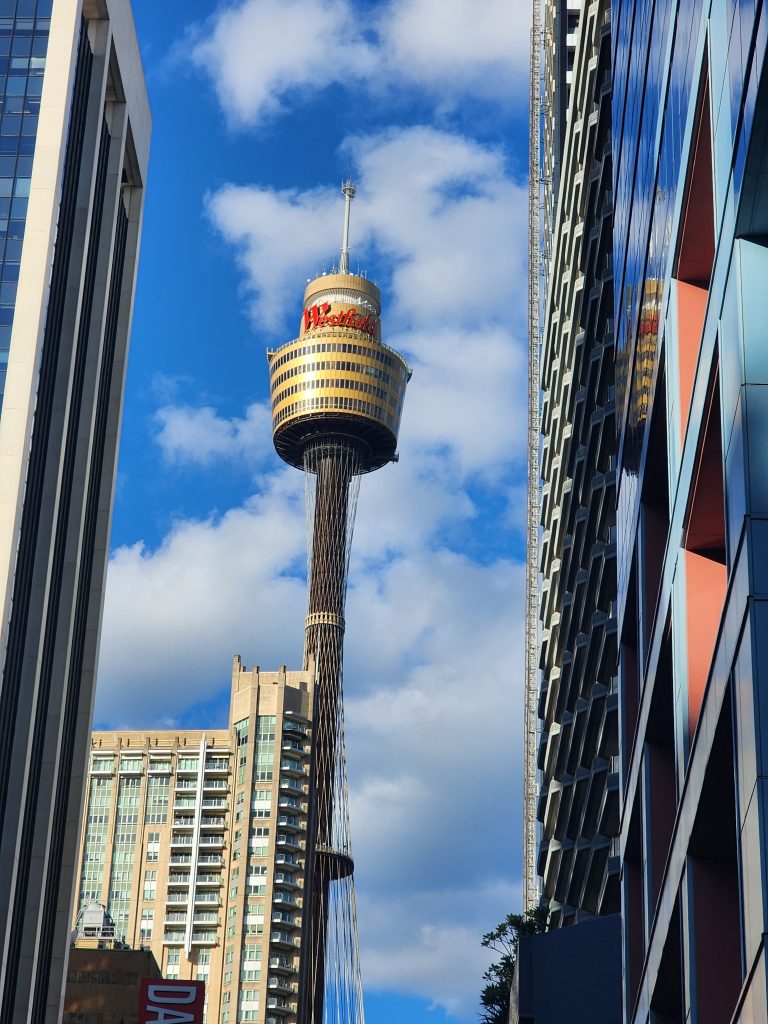
Rising 1,014 feet above Sydney’s skyline, Sydney Tower offers unparalleled 360-degree views of the city and beyond.
Completed in 1981, it stands as Australia’s tallest observation tower and an iconic landmark in New South Wales.
Visitors can experience the observation deck, a revolving restaurant, and a thrilling skywalk along the exterior.
Its sleek structure punctuates the cityscape, symbolizing Sydney’s modern architectural achievement and providing a must-visit vantage point for tourists and locals alike.
10. Eureka Tower
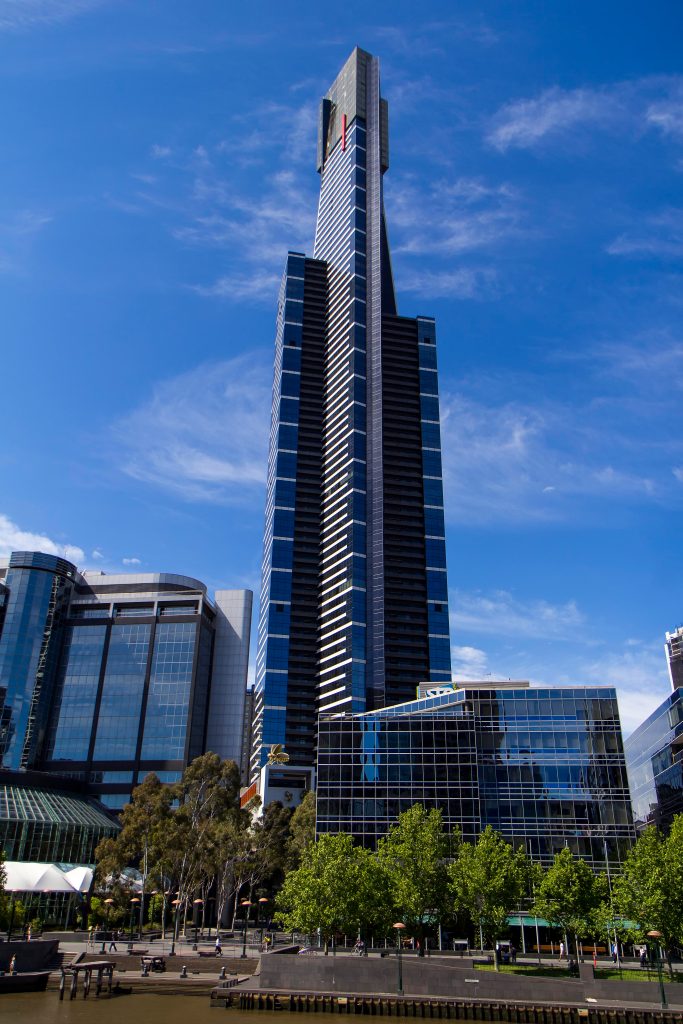
Standing at 974 feet (297 meters) with 91 floors, Eureka Tower is Melbourne’s tallest building and Australia’s second tallest skyscraper.
Designed by Fender Katsalidis Architects and completed in 2006, it features a striking gold-plated glass crown symbolizing wealth and a bold red stripe representing the Eureka Stockade rebellion.
Its observation deck, Eureka Skydeck 88, offers panoramic views of the city, making it a top attraction for visitors and a symbol of Melbourne’s modern architectural innovation.
Alicia Richards