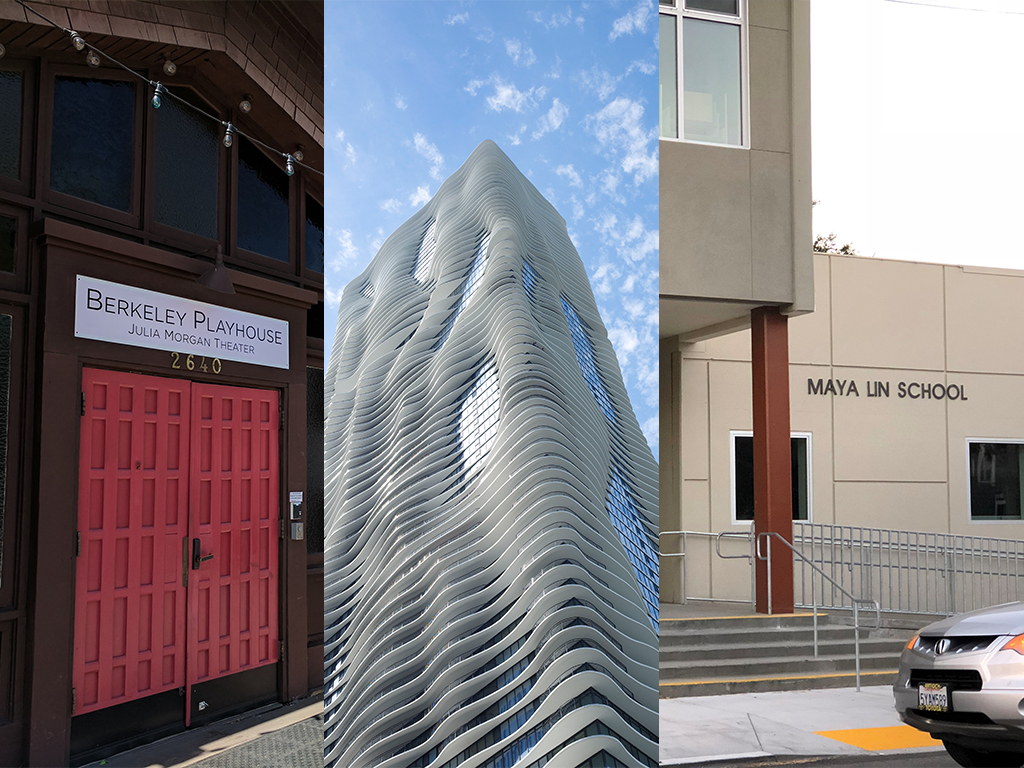
Architecture has long been a male-dominated field with women facing significant barriers to entry and advancement.
Despite these challenges, female architects have steadily broken through glass ceilings, reshaping skylines and redefining the industry.
Today, their innovative designs and leadership continue to inspire and influence the architecture, engineering, and construction sectors.
From pioneering figures of the early 20th century to contemporary trailblazers, women have made lasting contributions that challenge traditional norms and elevate the profession.
Their stories reflect resilience, creativity, and a commitment to addressing social and cultural issues through design.
1. Zaha Hadid

Zaha Hadid, born in Baghdad in 1950, revolutionized architecture with her futuristic, curvilinear designs and innovative use of geometry.
She was the first woman to win the Pritzker Prize in 2004. Hadid’s projects, including the Guangzhou Opera House and the Heydar Aliyev Center, showcase her bold vision.
Known for her parametric design approach, she integrated complex forms using advanced modeling technology.
Her landmark awards, such as the Stirling Prize and RIBA Royal Gold Medal, affirm her global influence. Hadid’s legacy endures through her 950 projects across 44 countries, inspiring architects worldwide.
2. Norma Merrick Sklarek
Norma Merrick Sklarek broke barriers as the first African American woman licensed as an architect in both New York (1954) and California (1962).
She rose to become the first female director at Gruen Associates, spearheading projects like the U.S. Embassy in Tokyo and San Bernardino City Hall.
As cofounder of Sklarek Siegel Diamond, the largest all-women architecture firm in the U.S., she championed diversity and inclusion.
Despite facing dual discrimination, Sklarek’s technical skill and visionary designs reshaped modern architecture and paved the way for future generations.
3. Marion Mahony Griffin
Marion Mahony Griffin was one of the first licensed female architects worldwide and a pioneering force in modern architecture. Graduating from MIT in 1894, she was likely the first woman licensed in Illinois.
Marion’s exceptional drafting shaped Frank Lloyd Wright’s Prairie School style, while her collaboration with husband Walter Burley Griffin led to the master plan for Canberra, Australia’s capital.
Known for integrating natural landscapes into design, she created intricate renderings and detailed architectural elements that influenced organic architecture.
Marion’s groundbreaking career broke gender barriers and advanced architectural artistry and urban planning.
4. Jeanne Gang

Jeanne Gang, founder of Studio Gang, is a pioneer in sustainable architecture. Known for designs like Chicago’s Aqua Tower, she blends sculptural aesthetics with environmental responsibility.
Gang champions community engagement and actionable idealism, redefining urban spaces through ecology-inspired concepts. Her St. Regis Chicago marks the tallest building designed by a woman worldwide.
Beyond practice, she advances architectural research and activism, earning prestigious awards including the Cooper Hewitt National Design Award and TIME’s Most Influential People list.
Gang’s work exemplifies innovation, sustainability, and social impact in modern architecture.
5. Lina Bo Bardi
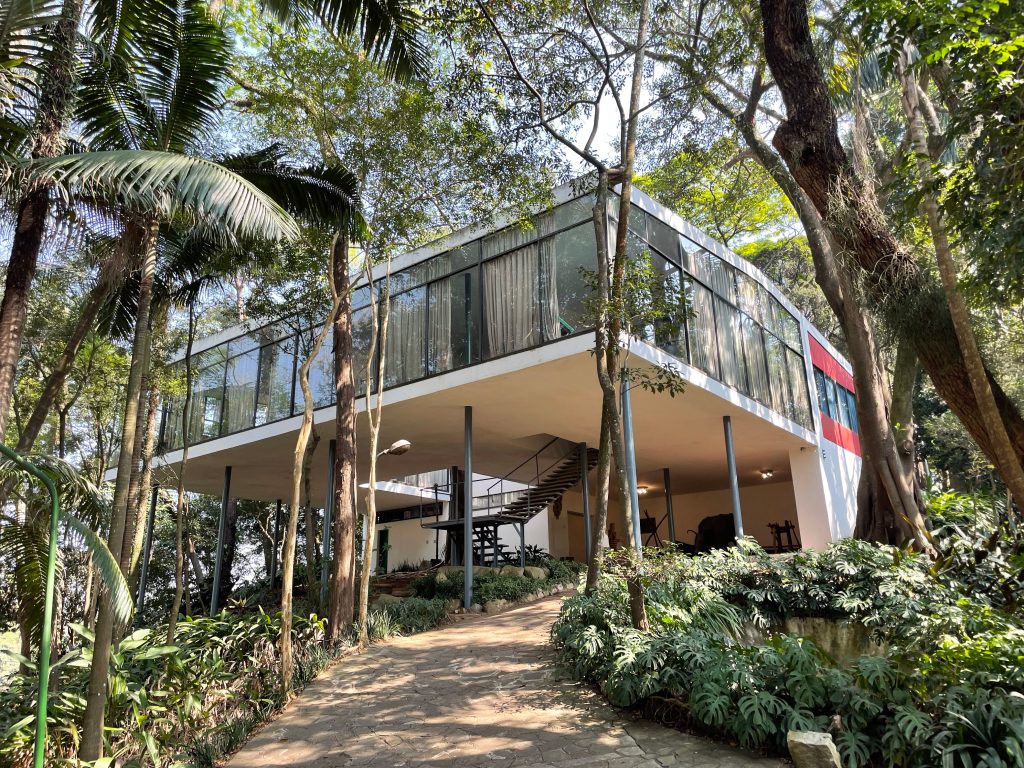
Lina Bo Bardi reshaped Brazilian architecture by blending modernism with local culture. She designed São Paulo Museum of Art (MASP) in 1968, famed for its daring glass walls and concrete legs that suspend its main gallery.
Bo Bardi’s Sesc Pompéia, a cultural center opened in 1982, combines industrial design with community spaces, embodying social inclusivity.
She co-founded Habitat Magazine, influencing postwar Brazilian design. Her humanistic approach earned her the 2021 Royal Institute of British Architects (RIBA) Royal Gold Medal posthumously, celebrating her legacy as a visionary social innovator in architecture.
6. Kazuyo Sejima

Kazuyo Sejima, cofounder of SANAA, is renowned for her minimalist designs that blend interior and exterior spaces seamlessly.
Born in 1956 in Ibaraki, Japan, she graduated from Japan Women’s University in 1979 and launched SANAA in 1995 with Ryue Nishizawa.
Sejima’s airy, transparent aesthetic is evident in projects like New York’s New Museum and Switzerland’s Rolex Learning Center.
She became the second woman to win the Pritzker Prize in 2010 and was the first female director of the Venice Biennale’s architecture sector, marking her profound influence on contemporary architecture.
7. Denise Scott Brown
Denise Scott Brown co-founded Venturi Scott Brown and shaped postmodern architecture. She coauthored Learning from Las Vegas (1972), critiquing modernism and emphasizing popular culture’s role.
Her design for the Sainsbury Wing (1991) blends classical and postmodern styles at London’s National Gallery. Scott Brown influenced urban planning for cities like Miami Beach and Memphis.
Despite facing recognition challenges alongside her husband, she earned the Jane Drew Prize in 2017. Her work continues to inspire diversity and innovation in architecture and urbanism globally.
8. Julia Morgan

Julia Morgan was the first woman to study architecture at Paris’ École des Beaux-Arts and became California’s first licensed female architect.
She designed over 700 buildings, blending Arts and Crafts, Beaux-Arts, and Art Deco styles. Morgan led major projects alone for almost 50 years, defying gender norms.
Her most famous work is Hearst Castle in San Marino, a lavish mansion that showcases her unmatched skill in merging classical detail with modern design. Morgan’s legacy remains a pillar of American West Coast architecture.
9. Maya Lin

Maya Lin pioneered minimalist memorial design with her Vietnam Veterans Memorial in Washington, D.C., completed in 1982.
She blends architecture with landscape, creating contemplative spaces that evoke emotion and memory.
Lin’s projects often emphasize ecological harmony, seen in works like the Confluence Project and the Museums of Chinese in America.
Her innovative approach challenges traditional forms, integrating environmental art into architecture.
Lin’s influence spans decades, inspiring architects to merge design with cultural and natural narratives, redefining memorial and public space design worldwide.
10. Neri Oxman
Neri Oxman merges design, architecture, and biology, pioneering Material Ecology by creating structures shaped by nature and context. Born in Haifa, Israel, in 1976, she studied architecture at Technion and earned a PhD from MIT.
Oxman’s notable projects include the Silk Pavilion and the Womens Opportunity Center in Rwanda, where she used village-inspired pavilions to empower 300 local women through sustainable farming.
Her innovative approach fuses environmental design with digital morphogenesis, influencing future architectural methods worldwide.
Alicia Richards