Architecture shapes the way we live and experience the world around us. Throughout history some architects have risen above the rest leaving a lasting impact with their innovative designs and visionary ideas.
These masters of their craft have created iconic structures that continue to inspire and influence generations.
From timeless classical designs to groundbreaking modern creations the work of famous architects reflects the cultural and technological shifts of their eras.
Their buildings don’t just serve a purpose they tell stories and define the skylines of cities worldwide.
Exploring the lives and legacies of these 15 most famous architects reveals how their creativity transformed the built environment and shaped the future of architecture.
1. Frank Lloyd Wright
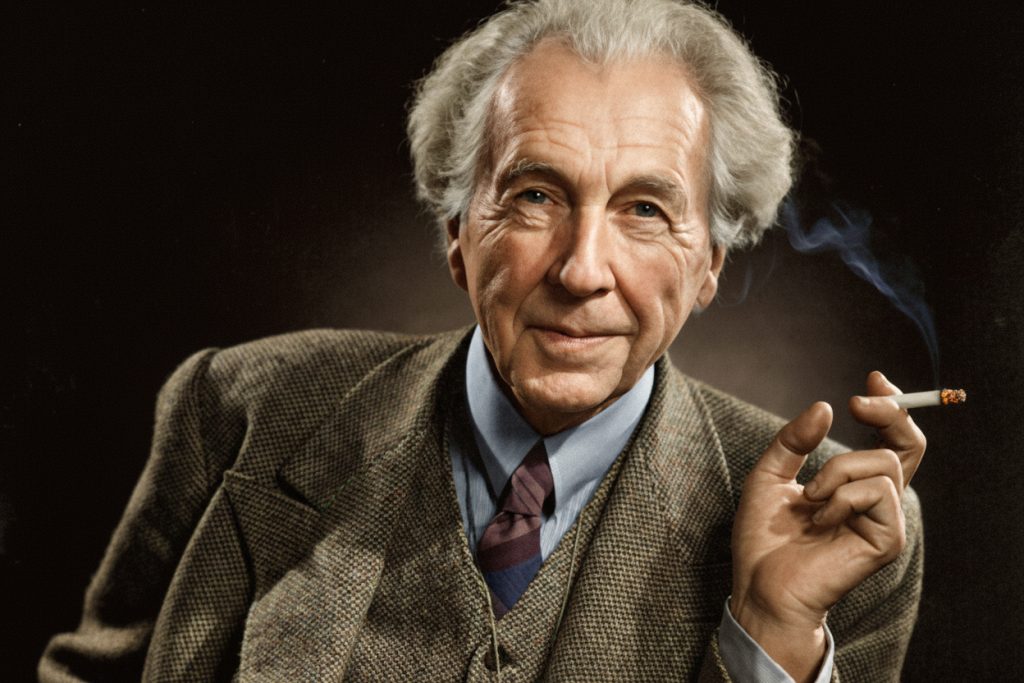
Frank Lloyd Wright, hailed as the greatest American architect, revolutionized architecture with his Prairie School and organic architecture movements.
He designed over 1,000 structures, emphasizing harmony between buildings and nature. Notable works include Fallingwater, the Solomon R. Guggenheim Museum, and the Robie House.
Wright’s philosophy integrated human needs with natural surroundings, influencing generations of architects worldwide.
His innovative designs redefined residential and public architecture, securing his legacy as a pioneering figure in 20th-century architecture.
2. Frank Gehry

Frank Gehry is a Canadian-American architect celebrated for his groundbreaking, sculptural designs. Born in 1929 in Toronto, he reshaped modern architecture with innovative forms and unconventional materials.
Gehry’s works, including the Guggenheim Museum in Bilbao, Walt Disney Concert Hall in Los Angeles, and Louis Vuitton Foundation in Paris, showcase his signature curved shapes and dynamic facades.
His use of Digital Project software revolutionized design and construction processes. Gehry’s achievements earned him prestigious honors like the Pritzker Prize and the Presidential Medal of Freedom, marking him as a leading figure in 20th and 21st-century architecture.
3. Zaha Hadid

Zaha Hadid revolutionized architecture with her fluid, gravity-defying designs. Born in Iraq and based in the UK, she broke barriers in a male-dominated field, becoming the first woman to win the Pritzker Architecture Prize in 2004.
Known for neofuturistic visions, her work features sweeping curves and dynamic forms, as seen in the London Aquatics Centre and Guangzhou Opera House.
Hadid embraced digital technology and advanced materials to create inhabitable sculptures that challenge traditional architecture.
Despite controversies over her bold style and project management, she remains a role model for innovation and women in architecture.
4. Ludwig Mies van der Rohe
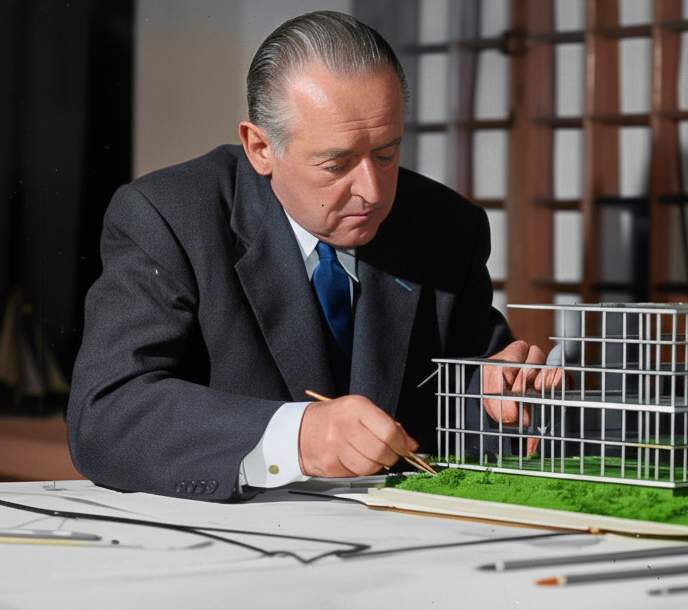
Ludwig Mies van der Rohe revolutionized modern architecture by championing minimalism and functionalism. Known for his iconic dictum “less is more,” he designed clean, open spaces using steel and glass.
His masterpieces include the Farnsworth House in Illinois, the Barcelona Pavilion, and the Seagram Building in New York.
As the last director of the Bauhaus and head of the Illinois Institute of Technology’s architecture program, Mies shaped architectural education and practice.
His work emphasizes simplicity, honest materials, and the balance between form and function, defining the International Style.
5. Le Corbusier
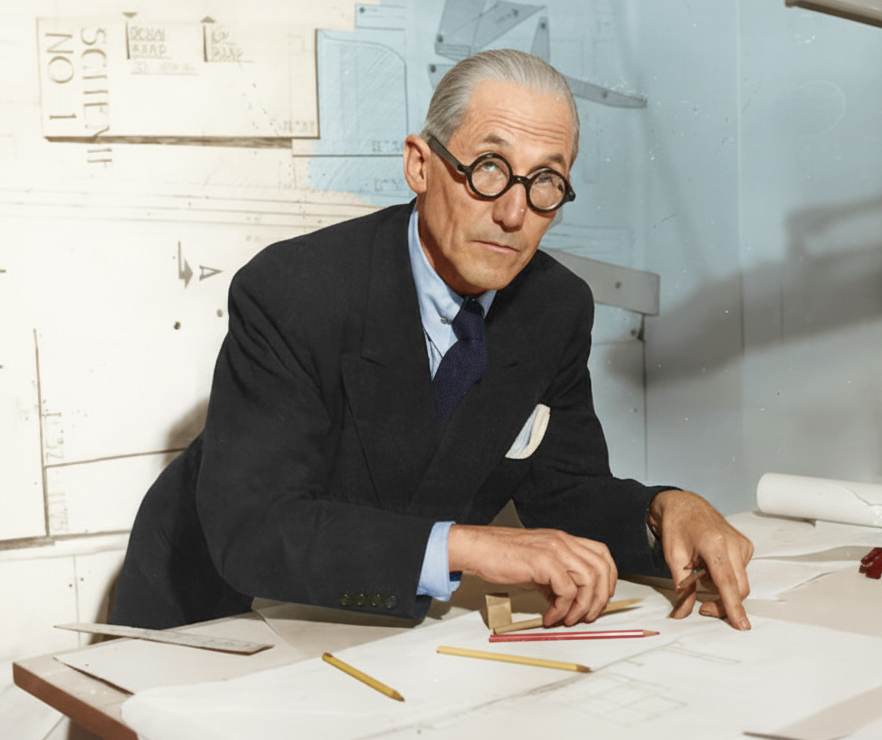
Le Corbusier, born in 1887 in Switzerland and later a French citizen, revolutionized 20th-century architecture by blending functionalism with sculptural expressionism.
He championed open floor plans, geometric forms, and modern materials like concrete and glass. His iconic works—Villa Savoye, Unité d’Habitation, and the chapel at Ronchamp—reflect his “Five Points of Architecture” emphasizing efficiency and harmony with nature.
Beyond buildings, he designed furniture and urban plans, notably Chandigarh in India. Le Corbusier’s visionary ideas shaped modern architecture, advocating buildings as machines for living and inspiring global architectural practices.
6. Norman Foster
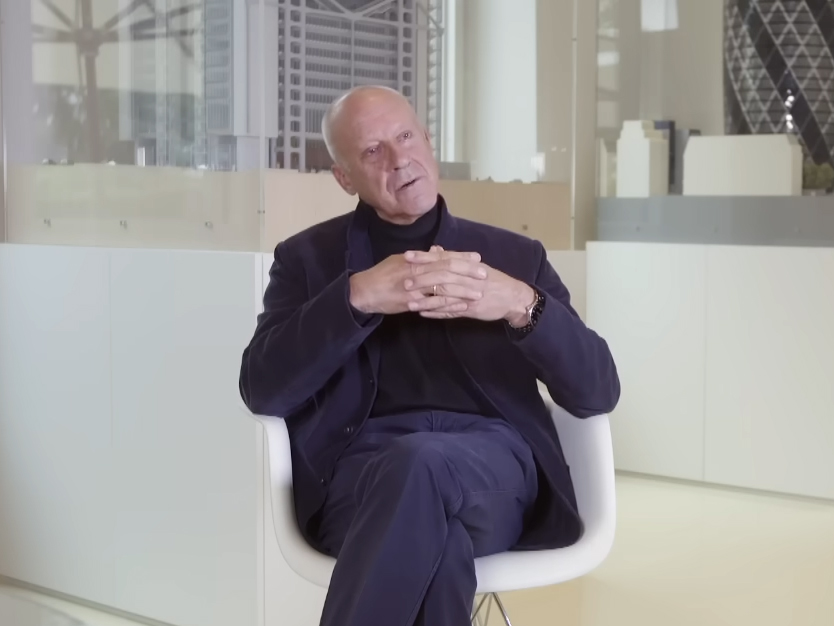
Norman Foster, born in 1935 in Manchester, is a pioneering British architect known for sleek modern structures using steel and glass. He founded Foster and Partners, shaping high-tech architecture and sustainable urban design.
Foster’s iconic projects include the Gherkin and Millennium Bridge in London, Hong Kong International Airport, and Apple Park in California.
Championing technology and ecology, he integrates engineering innovation with social responsibility.
Recognized globally, Foster earned the Pritzker Prize in 1999 and was knighted in 1990. His visionary work continues to inspire architects worldwide, blending functionality with futuristic aesthetics.
7. Antoni Gaudí
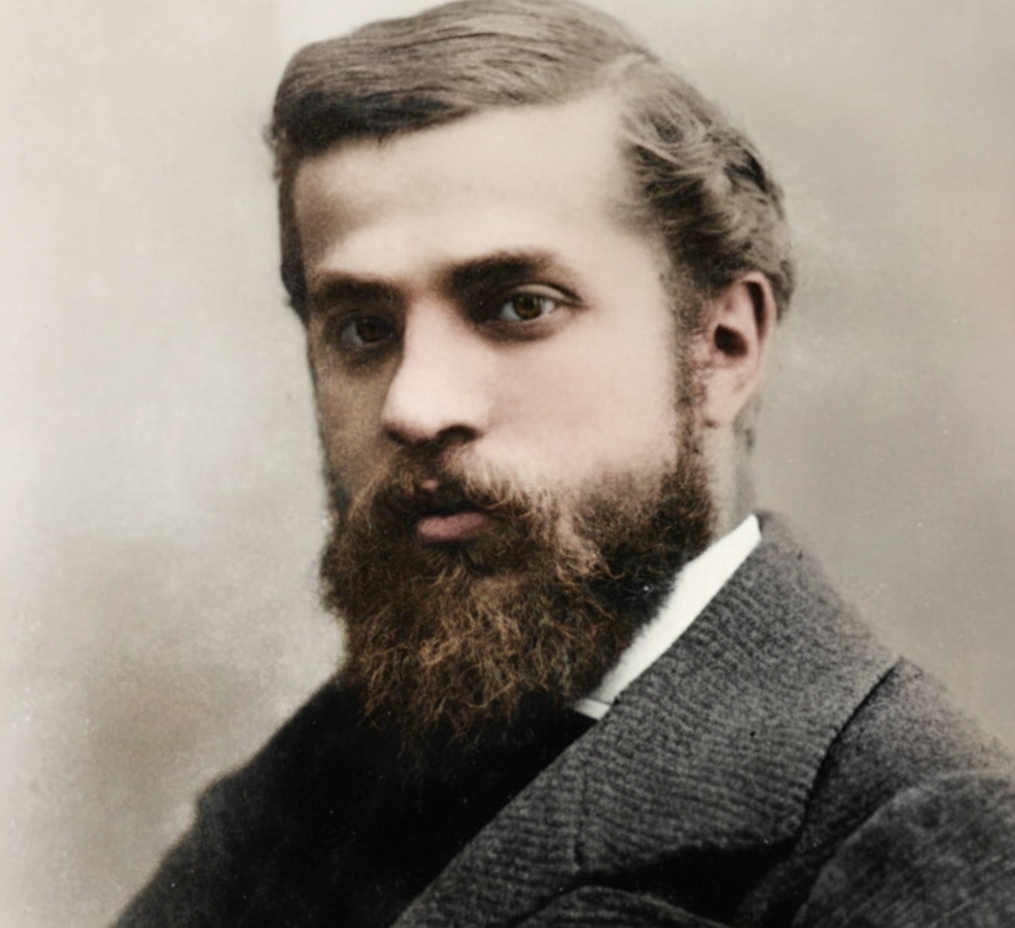
Catalan architect Antoni Gaudí revolutionized Modernisme with his organic, nature-inspired designs. Born in 1852, he crafted iconic structures like La Sagrada Família, Casa Milà, and Park Güell in Barcelona.
Gaudí’s work features flowing curves, intricate ceramics, stained glass, and innovative trencadís mosaics. He believed buildings should avoid straight lines, reflecting natural forms.
Gaudí’s devotion to religion, art, and the environment shaped his visionary architecture, earning him seven UNESCO World Heritage Sites and inspiring generations worldwide.
8. Renzo Piano
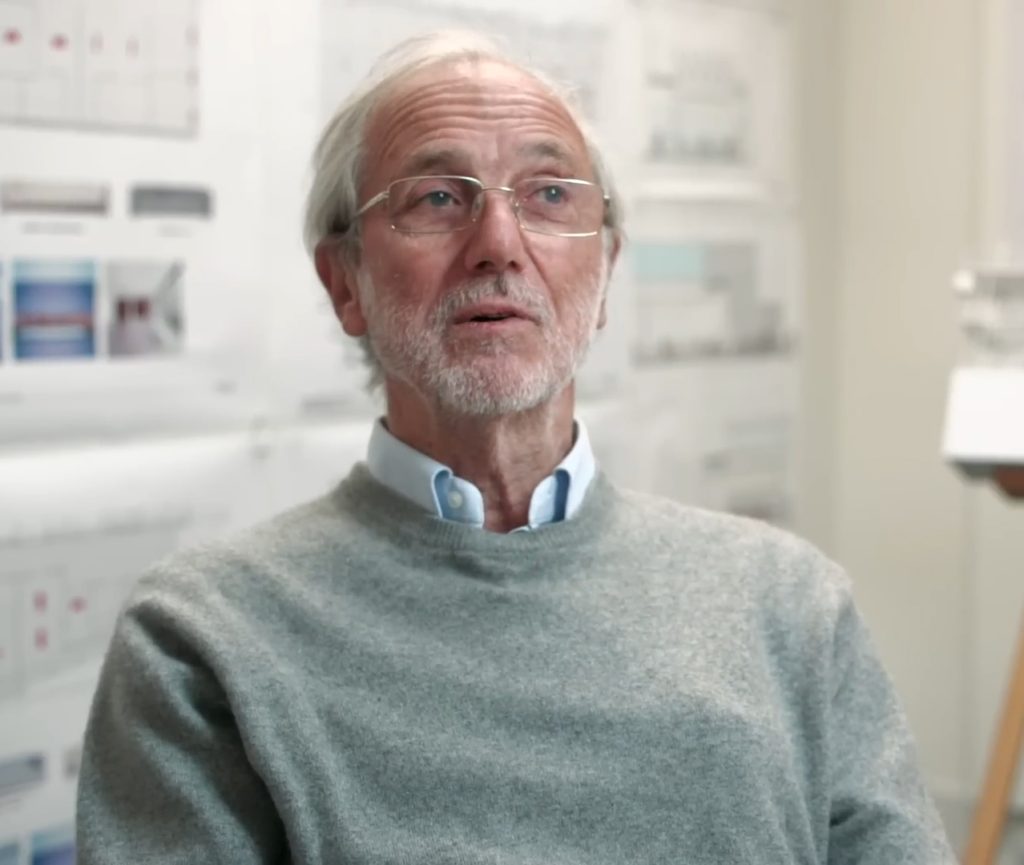
Renzo Piano, born in Genoa in 1934, is celebrated for his white geometric buildings emphasizing clarity and harmony. He co-designed the iconic Centre Pompidou in Paris (1977), a symbol of high-tech architecture.
Piano integrates sustainability using roof gardens, solar panels, and rainwater systems, with notable works like The Shard in London and the Whitney Museum in New York.
His style merges modernism and human-centered design, influenced by Le Corbusier and Frank Lloyd Wright. Recipient of the Pritzker Prize (1984) and multiple honors, Piano reshaped contemporary architecture with elegant technology-driven structures.
9. Eero Saarinen
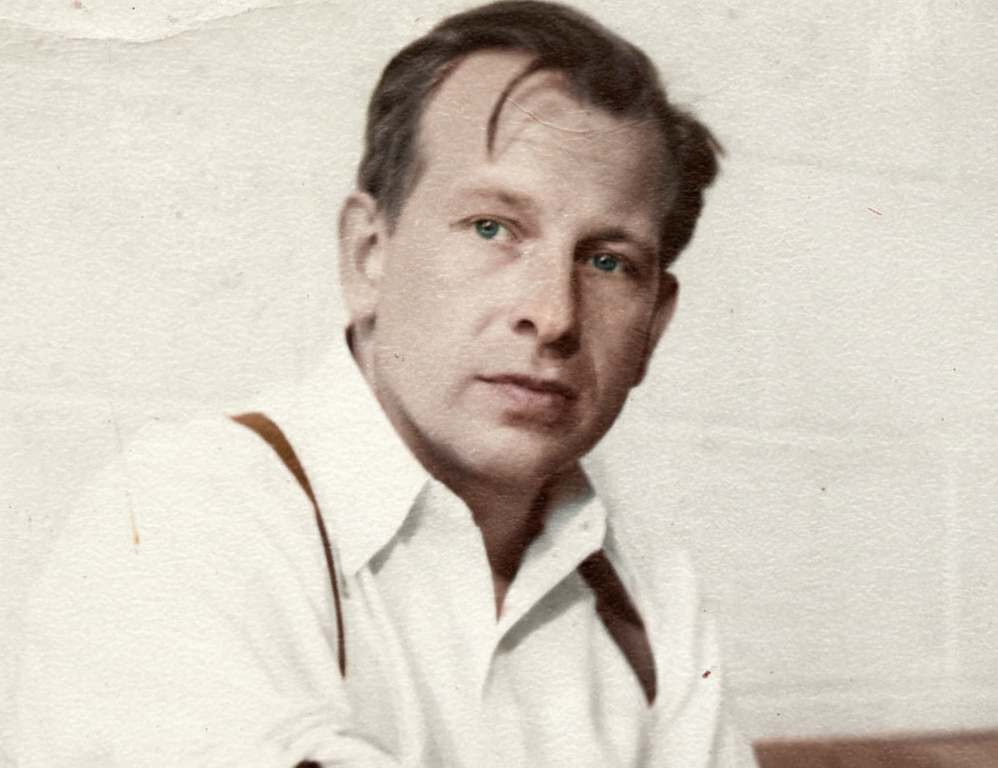
Eero Saarinen was a Finnish-American architect known for his bold, sculptural designs in midcentury modern and international styles.
His iconic works include the Gateway Arch in St. Louis, the TWA Terminal at JFK Airport, and Dulles International Airport.
Saarinen’s innovative use of organic forms set him apart during an era dominated by strict International Style. He also designed celebrated furniture like the Womb chair.
Recognized for blending form, function, and emotion, Saarinen’s visionary architecture continues to inspire, earning him posthumous honors such as the AIA Gold Medal in 1962.
10. Santiago Calatrava
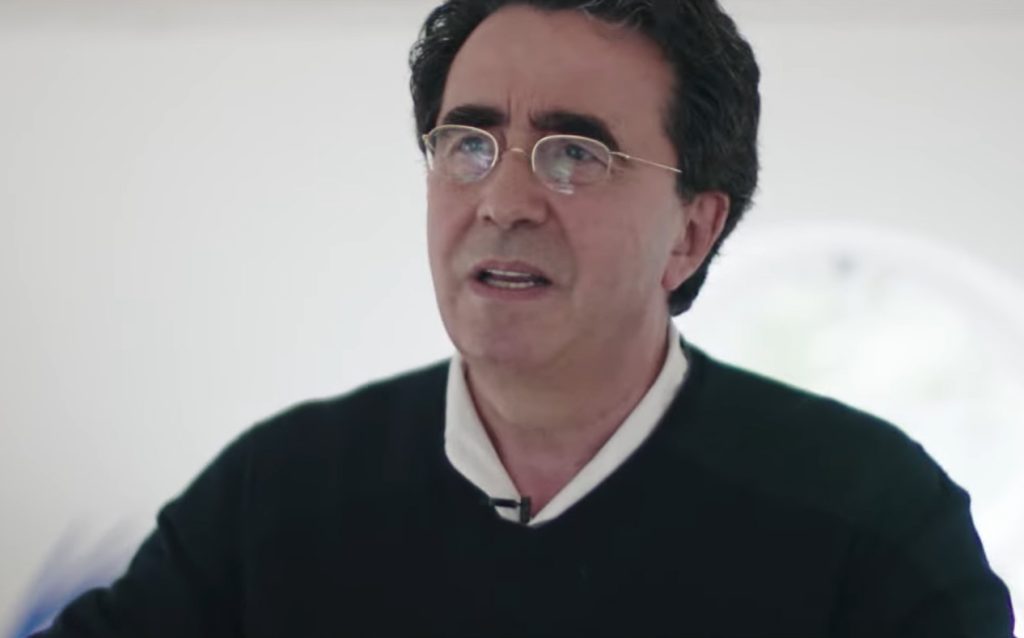
Santiago Calatrava is a Spanish-Swiss architect, engineer, and sculptor known for merging art with structural innovation.
He pioneers neofuturism, using materials like white concrete, steel, and glass to create organic shapes inspired by nature and human anatomy.
Calatrava’s iconic works include the Oculus at New York’s World Trade Center, the Dubai Creek Tower, and the City of Arts and Sciences in Valencia.
His designs fuse technical precision with sculptural elegance, reflecting the surrounding environment while pushing architectural boundaries globally. Calatrava’s approach redefines high-tech architecture with dynamic, living forms.
11. Philip Johnson
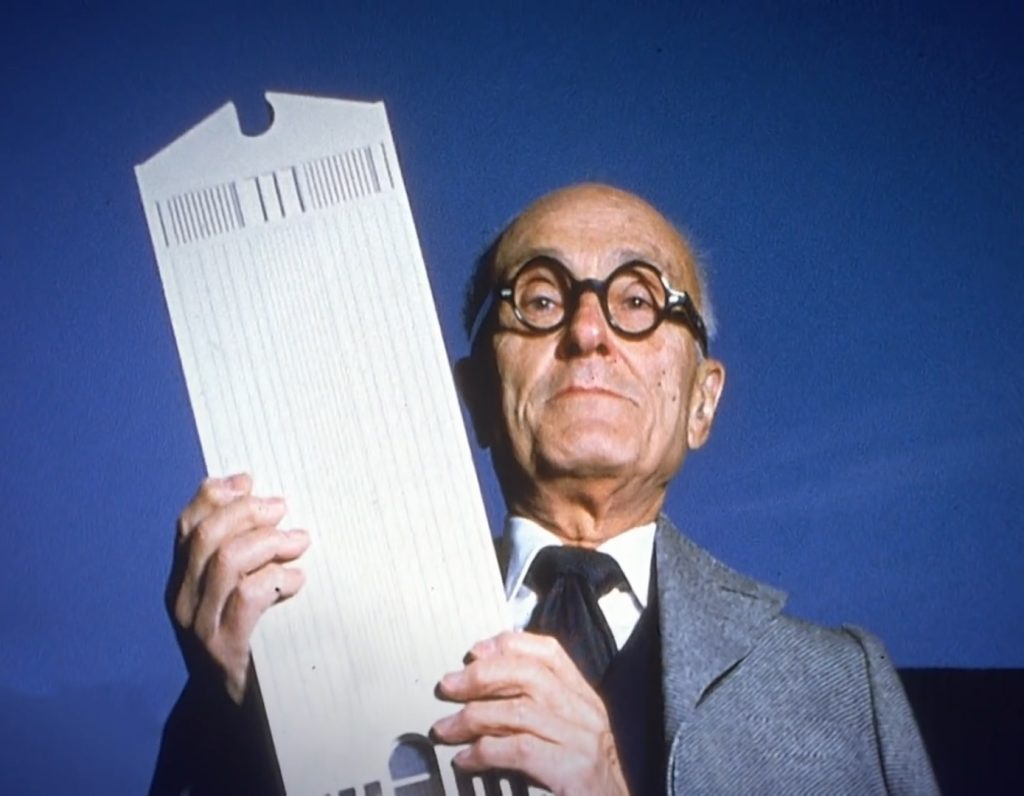
Philip Johnson shaped modern architecture in America as a versatile designer and curator. He co-curated MoMA’s 1932 Modern Architecture International Exhibition, introducing the International Style.
Johnson later embraced Postmodernism, designing iconic works like the Glass House and the playful AT&T Building with its Chippendale roof.
His collaborations with Ludwig Mies van der Rohe produced landmarks like the Seagram Building in New York.
Johnson also mentored architects such as Frank Gehry and Michael Graves. Honored with the first Pritzker Prize in 1979, his legacy blends innovation with stylistic evolution.
12. Louis Sullivan
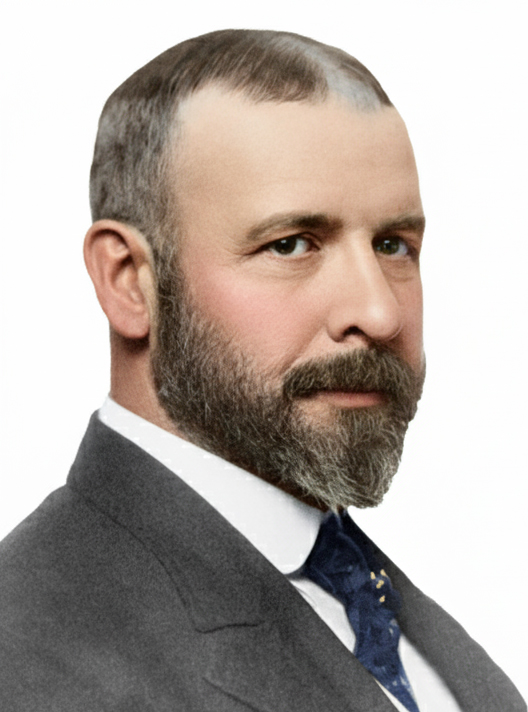
Louis Sullivan is known as the father of skyscrapers and a pioneer of modern American architecture. He championed the principle “form follows function,” creating buildings that combined practicality with beauty.
Sullivan was a leader of the Chicago School, using steel-frame construction to shape urban skylines.
His landmark works include the Wainwright Building in St. Louis and the Carson Pirie Scott Building in Chicago, notable for their organic ornamentation.
Mentoring Frank Lloyd Wright, Sullivan influenced the Prairie School and helped define a distinctly American architectural style free from European tradition.
13. I. M. Pei
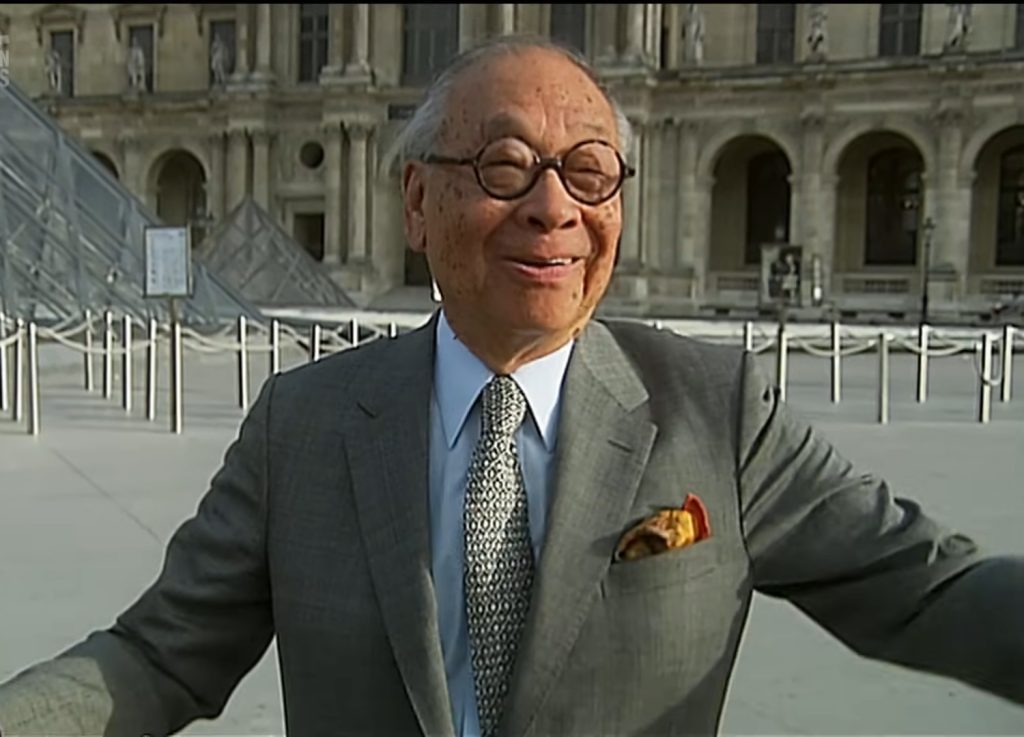
Ieoh Ming Pei, a Chinese-American architect, rose to fame for his modernist designs blending geometric forms with cultural influences.
He introduced innovative use of glass, steel, and concrete, evident in iconic projects like the Louvre Pyramid in Paris, the Bank of China Tower in Hong Kong, and the Museum of Islamic Art in Doha.
Pei’s work combines traditional architectural values with progressive structures featuring pyramids, cubes, and triangles.
His integration of natural light and surroundings earned him prestigious honors like the Pritzker Prize and Presidential Medal of Freedom, marking him as a transformative force in global architecture.
14. Oscar Niemeyer
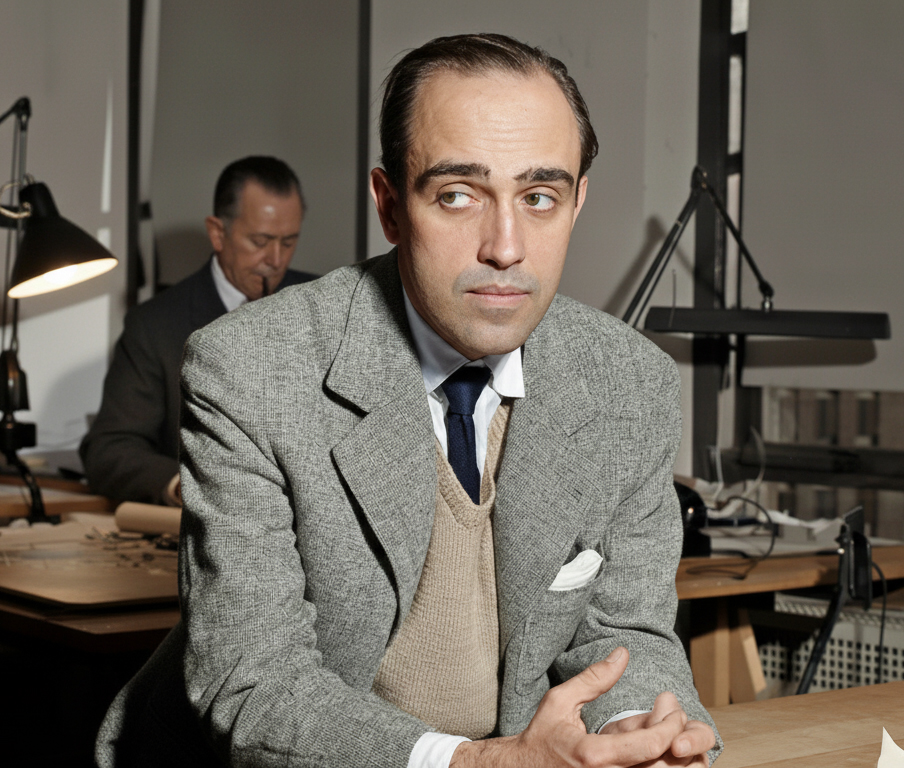
Oscar Niemeyer reshaped modern architecture with his pioneering use of curves and organic forms. Known for designing Brasília’s iconic civic buildings, he merged bold geometry with graceful fluidity to create structures that harmonize with nature.
Niemeyer’s innovative use of reinforced concrete allowed him to craft daring, sculptural designs like the Cathedral of Brasília and the Niterói Contemporary Art Museum.
His architecture evokes emotion and freedom, abandoning strict right angles for dynamic shapes that continue to inspire architects worldwide. Niemeyer’s enduring legacy lies in blending structural innovation with poetic beauty.
15. Rem Koolhaas

Rem Koolhaas, born in Rotterdam in 1944, is a Dutch architect, urbanist, and theorist renowned for redefining modern architecture. He founded the Office for Metropolitan Architecture (OMA), a global firm blending architecture, media, and urbanism.
Koolhaas’s landmark projects include the Netherlands Embassy in Berlin, Seattle Public Library, and the Central China Television Headquarters in Beijing, famous for its looping form.
His book Delirious New York highlights his deep architectural theory. Awarded the Pritzker Prize in 2000, Koolhaas consistently challenges architectural norms, merging innovative design with urban cultural insights.
Alicia Richards