Europe is a treasure trove of architectural wonders, boasting some of the most famous buildings in the world. From ancient ruins to modern masterpieces, the continent offers a rich tapestry of history and design that attracts millions of visitors each year.
These landmarks not only showcase incredible craftsmanship but also tell captivating stories about the cultures and eras they represent.
With over 400 UNESCO World Heritage sites across 27 countries, Europe’s architectural diversity is unmatched. Italy alone leads with 60 UNESCO sites, highlighting its deep historical significance.
Whether it’s a fairytale castle or a stunning cathedral, these landmarks promise unforgettable journeys through Europe’s past and present.
1. Eiffel Tower
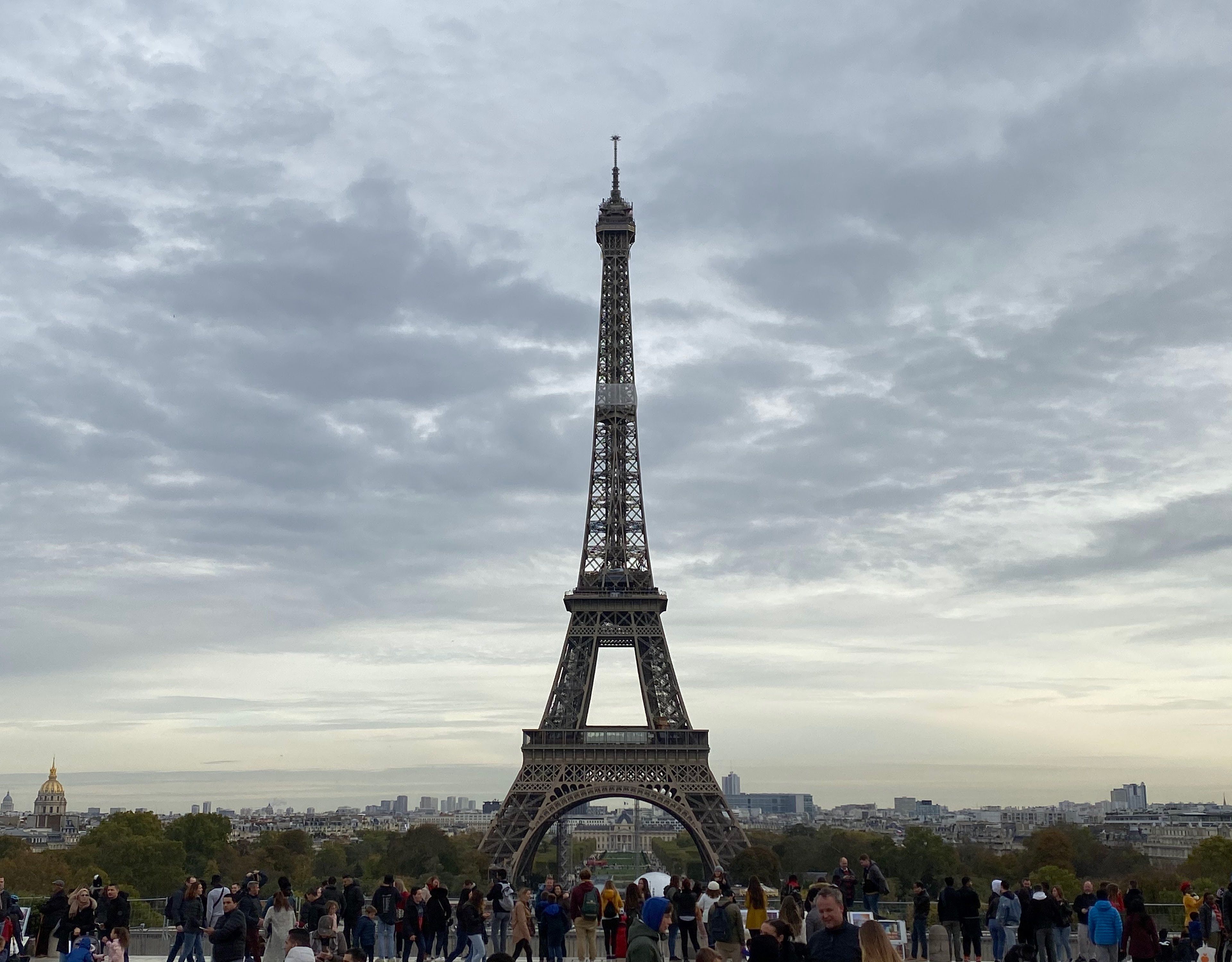
Standing at 324 meters, the Eiffel Tower is Paris’s tallest structure and a global icon of architecture. Designed by Gustave Eiffel for the 1889 Universal Exhibition, it was originally meant to be temporary.
Its iron lattice framework offers unparalleled views of Paris from multiple observation decks. Millions visit annually to experience its illuminated beauty by night and its intricate design by day.
The tower’s blend of industrial innovation and artistic elegance makes it a must-see symbol of European creativity and engineering.
2. Colosseum
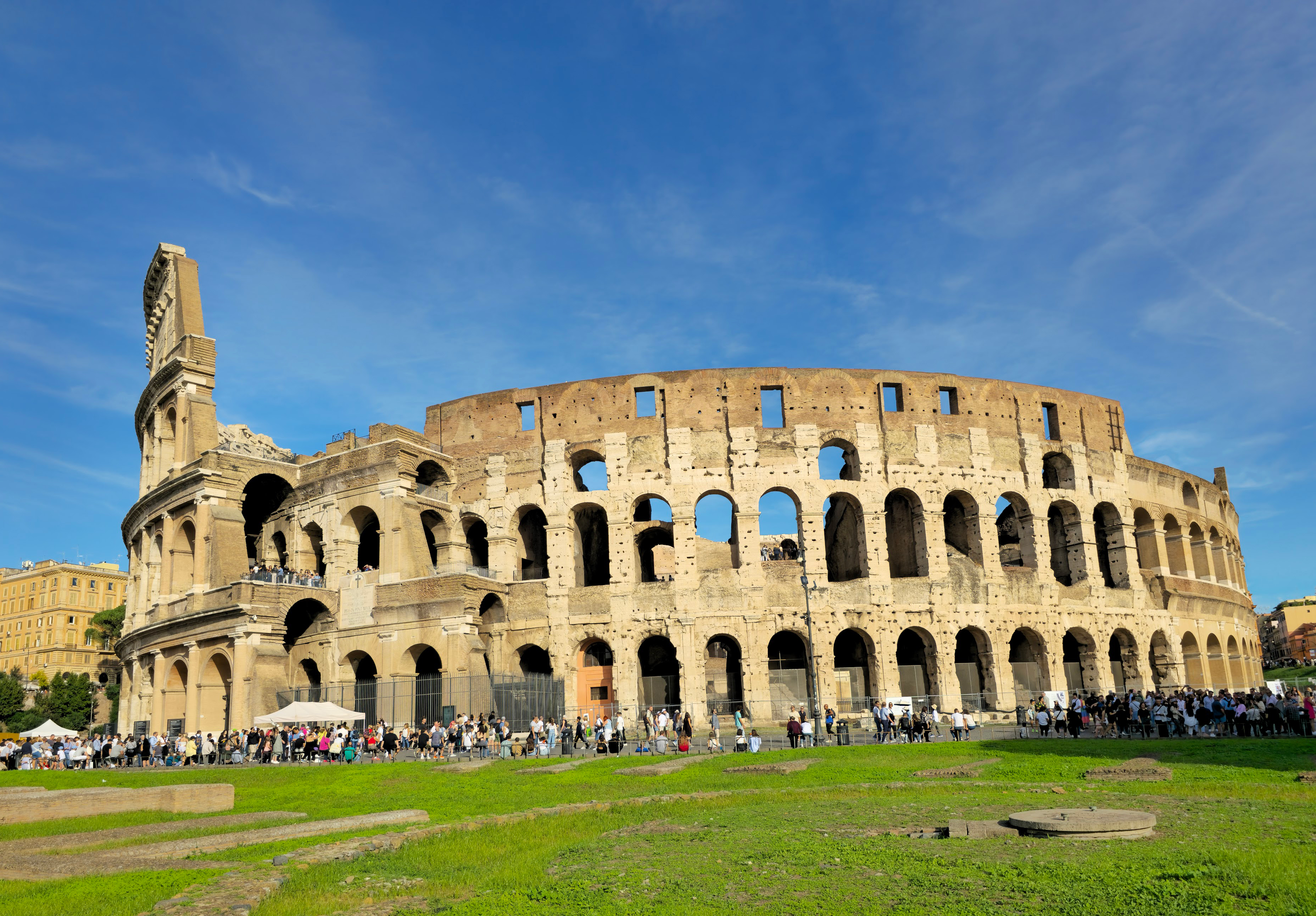
Standing at the heart of Rome, the Colosseum is an engineering marvel built in 80 AD. This massive amphitheater once held over 80,000 spectators for gladiator games and public spectacles. Surviving earthquakes and centuries of wear, it remains mostly intact.
Visitors can explore its vast interior and underground chambers on guided tours. Drawing over 6 million visitors annually, it ranks among Europe’s top historic landmarks.
Its iconic arches and grand scale highlight ancient Roman architectural ingenuity, immersing travelers in the empire’s rich cultural heritage.
3. Leaning Tower of Pisa

The Leaning Tower of Pisa stands about 56 meters tall next to Pisa’s Cathedral in Piazza dei Miracoli, Italy. Its famous lean began during construction in 1173 due to unstable clay, fine sand, and shells beneath the foundation.
The tilt, reduced from 5.5 degrees to about 3.97 degrees after engineering efforts from 1990 to 2001, attracts millions of visitors eager to snap iconic photos.
This Romanesque campanile features seven stories with arcades and marble columns. Tourists often visit Pisa as a day trip from Florence to experience this engineering marvel and its medieval surroundings.
4. Big Ben
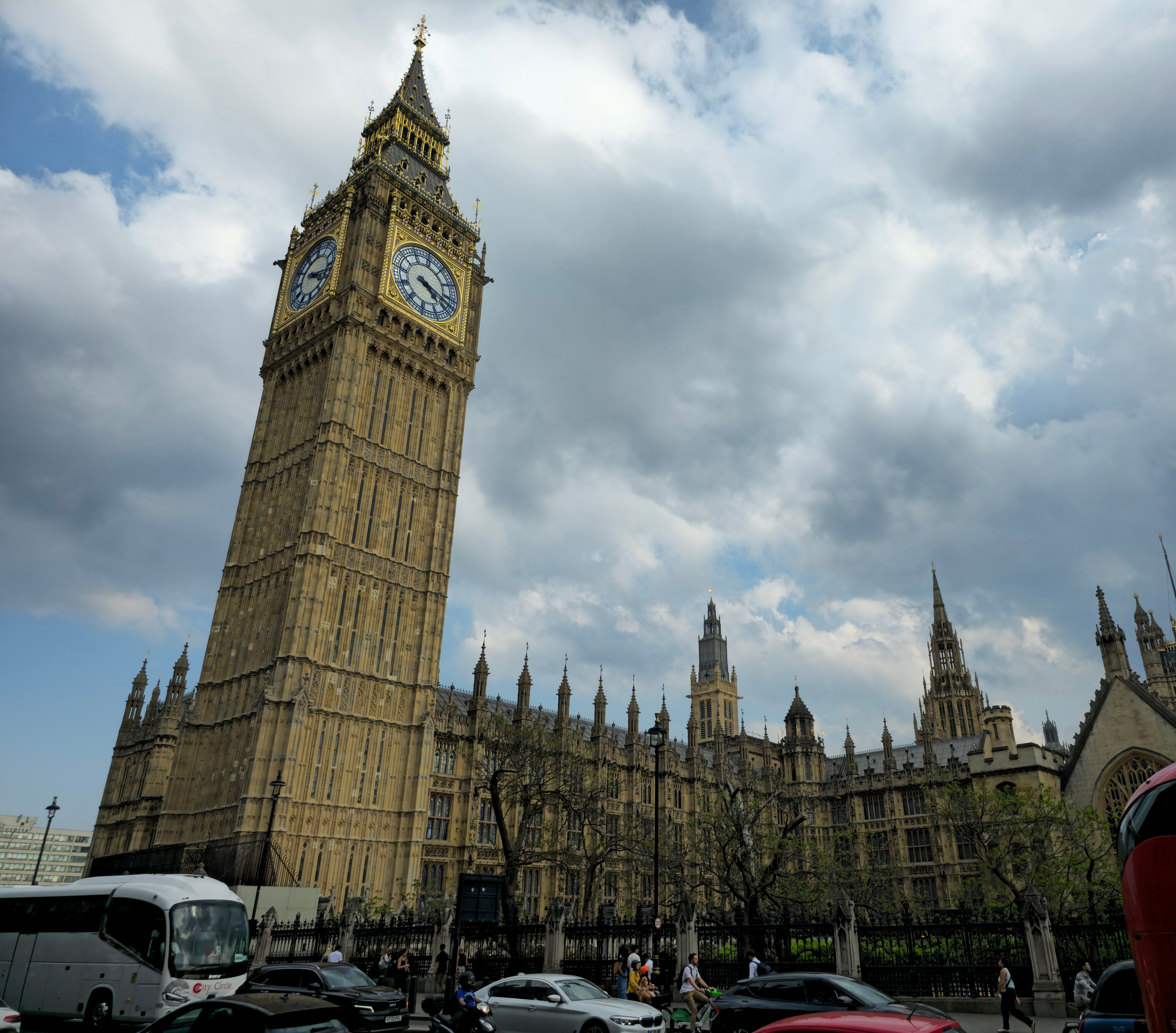
Big Ben stands as one of London’s most iconic landmarks, towering 96 meters high at the north end of the Palace of Westminster. Built in 1859, it features a four-faced clock and a chime bell known as the Great Bell.
Officially named the Elizabeth Tower since 2012, Big Ben has become synonymous with British heritage and parliamentary history.
Millions visit to admire its Victorian Gothic architecture and hear its distinctive hourly chimes, making it a must-see symbol of England’s capital.
5. Sagrada Familia
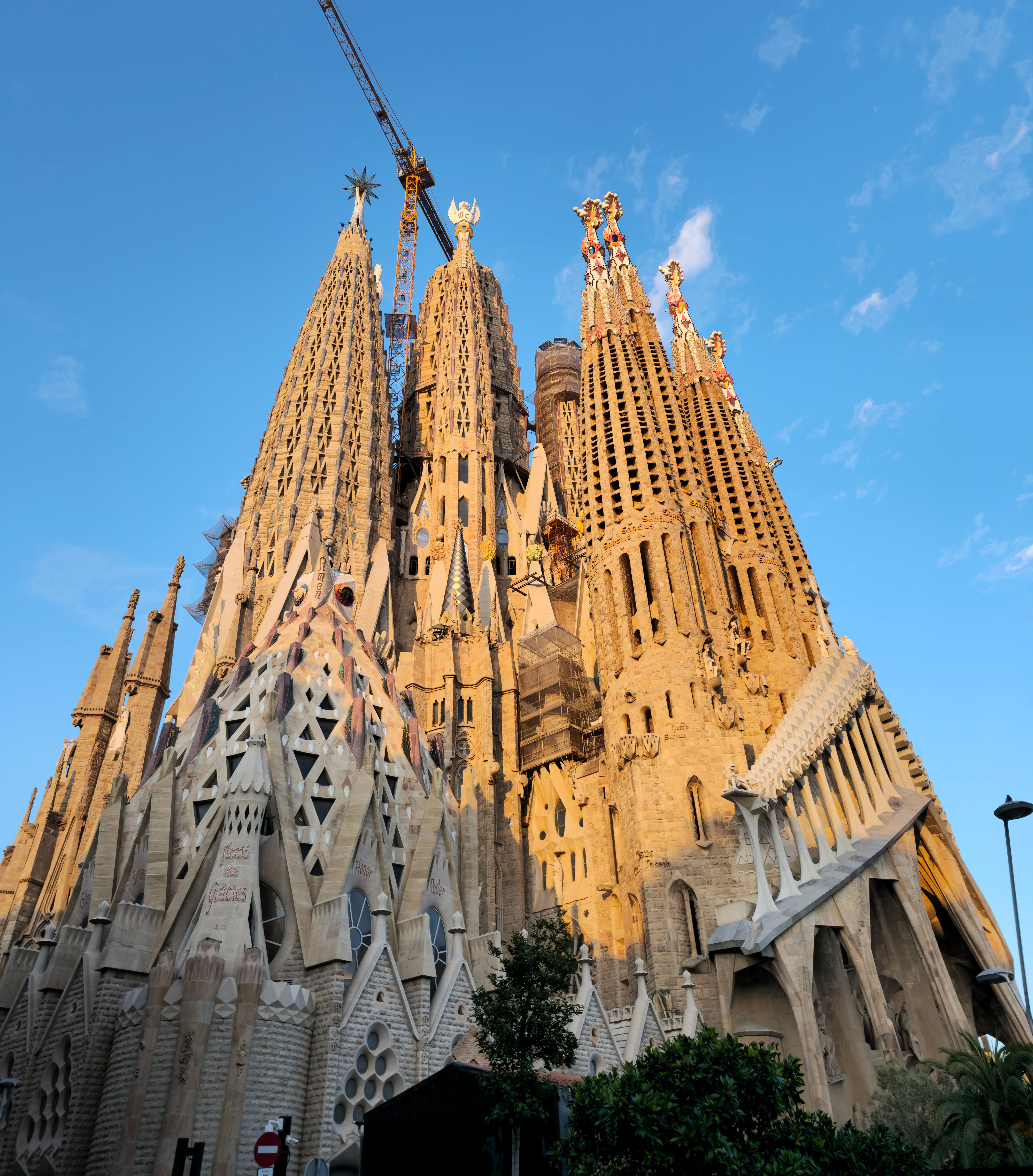
Standing as one of Europe’s most extraordinary landmarks, La Sagrada Familia in Barcelona has been under construction since 1883.
Designed by Antoni Gaudí, its unique blend of Gothic and Art Nouveau styles features 18 towers symbolizing apostles, evangelists, Mary, and Jesus Christ.
Despite 138 years of work, only 8 towers are complete, with final completion aimed for 2026. The basilica draws millions annually with its intricate facades, stained glass, and harmonious interior.
Visitors are advised to book tickets in advance for a seamless experience of this UNESCO World Heritage site.
6. Notre Dame de Paris
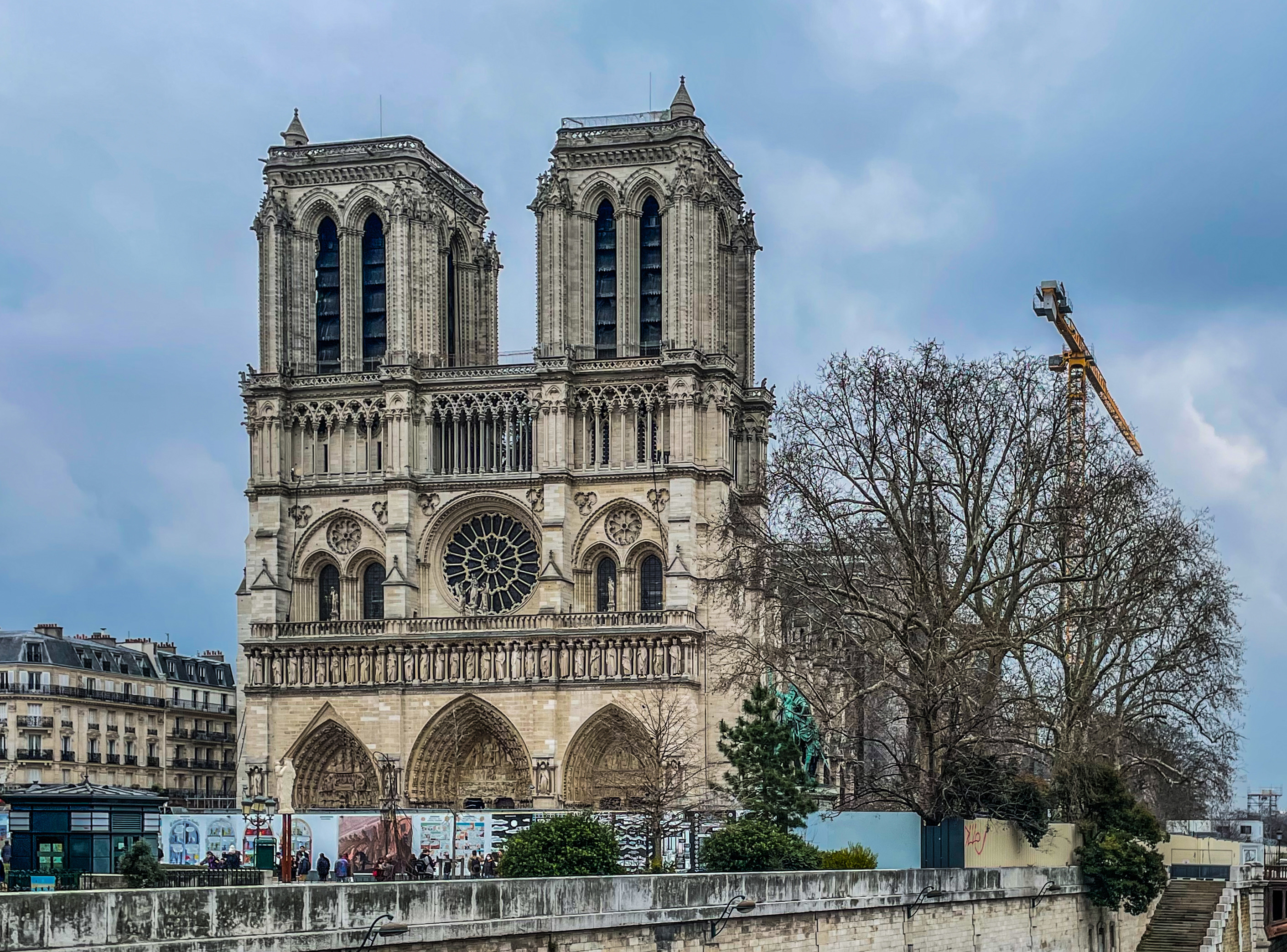
Notre Dame de Paris stands as a masterpiece of French Gothic architecture, built between the 12th and 14th centuries. Its iconic flying buttresses, intricate rose windows, and detailed sculptures define medieval artistry.
The cathedral has witnessed historic events, including coronations and royal ceremonies. Despite the devastating 2019 fire that damaged the roof and spire, restoration efforts aim to return it to its former glory.
Millions visit annually to admire its grand facade and spiritual significance, making Notre Dame a symbol of resilience and cultural heritage in Europe.
7. St. Peter’s Basilica
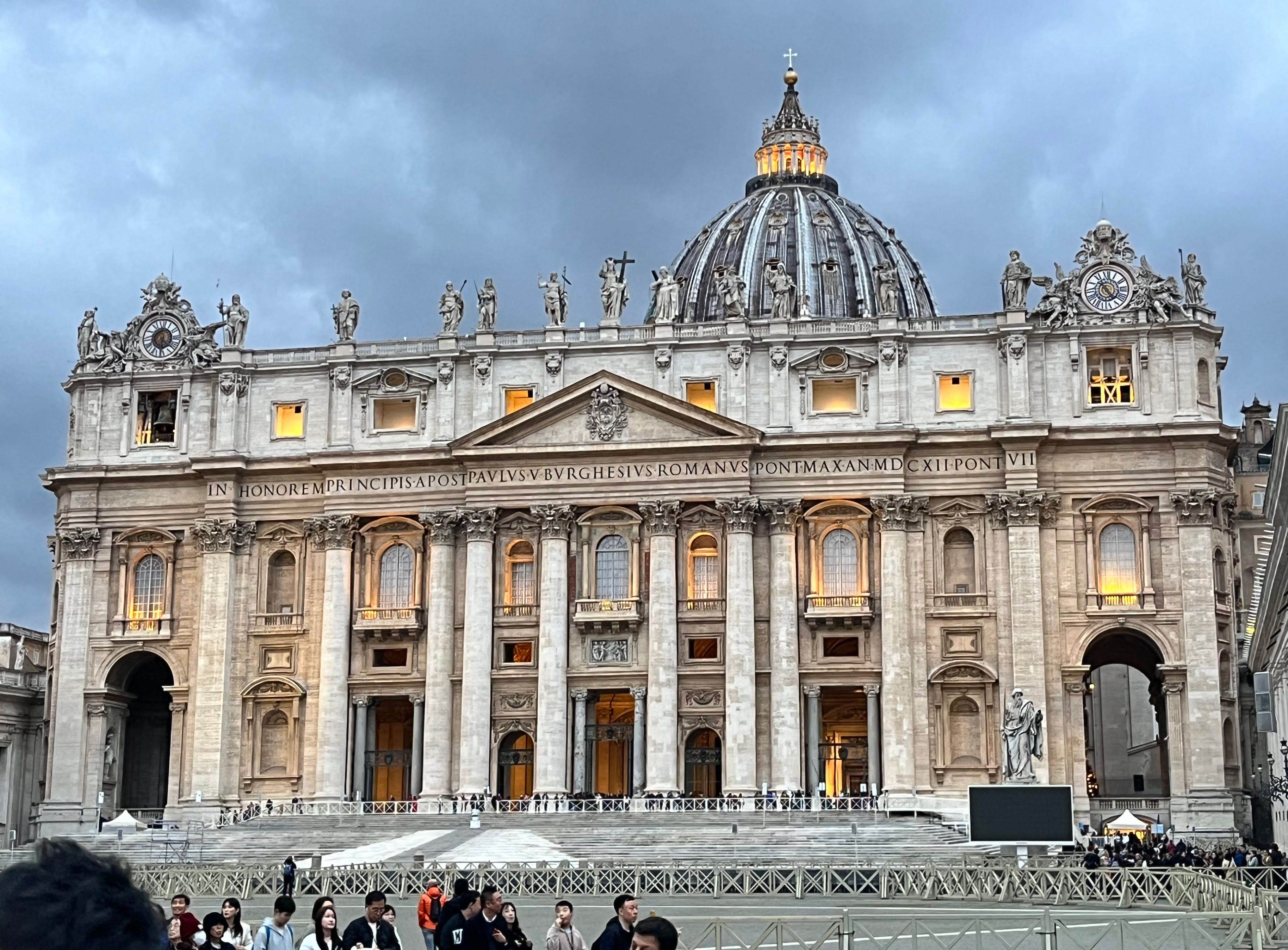
St. Peter’s Basilica in Vatican City stands as a pinnacle of Renaissance architecture and Christian significance.
Completed in 1626 after over 100 years of construction, it was designed by renowned artists including Michelangelo, Bramante, and Bernini.
The basilica features Michelangelo’s iconic dome, Bernini’s Baldachin, and the revered Pietà sculpture.
As the largest church in the world, it houses the tomb of Saint Peter and serves as a major pilgrimage site, drawing millions of visitors annually to witness its spiritual and artistic grandeur.
8. Pantheon Rome

Standing since AD 126, Rome’s Pantheon exemplifies ancient Roman engineering. Its massive unreinforced concrete dome spans 142 feet, showcasing unmatched mastery of space and light
Originally built as a temple for all gods under Emperor Hadrian, the Pantheon features 16 imposing Corinthian columns that highlight Roman grandeur.
Remarkably intact, its oculus at the dome’s center illuminates the interior naturally. Today, it draws millions of visitors, offering free entry and a breathtaking glimpse into classical architecture’s lasting influence across Europe.
9. Sistine Chapel

Admired worldwide, the Sistine Chapel is a masterpiece of Renaissance art by Michelangelo, located within Vatican City. Created between 1508 and 1512, its ceiling frescoes depict biblical scenes with breathtaking detail.
Visitors cannot take photos inside to protect the delicate artwork from flash damage and copyright restrictions.
The chapel’s iconic Last Judgment fresco, completed later by Michelangelo, complements the stunning ceiling. It remains an essential stop for art lovers exploring the Vatican Museums and stands as a symbol of artistic genius and spiritual heritage.
10. Buckingham Palace
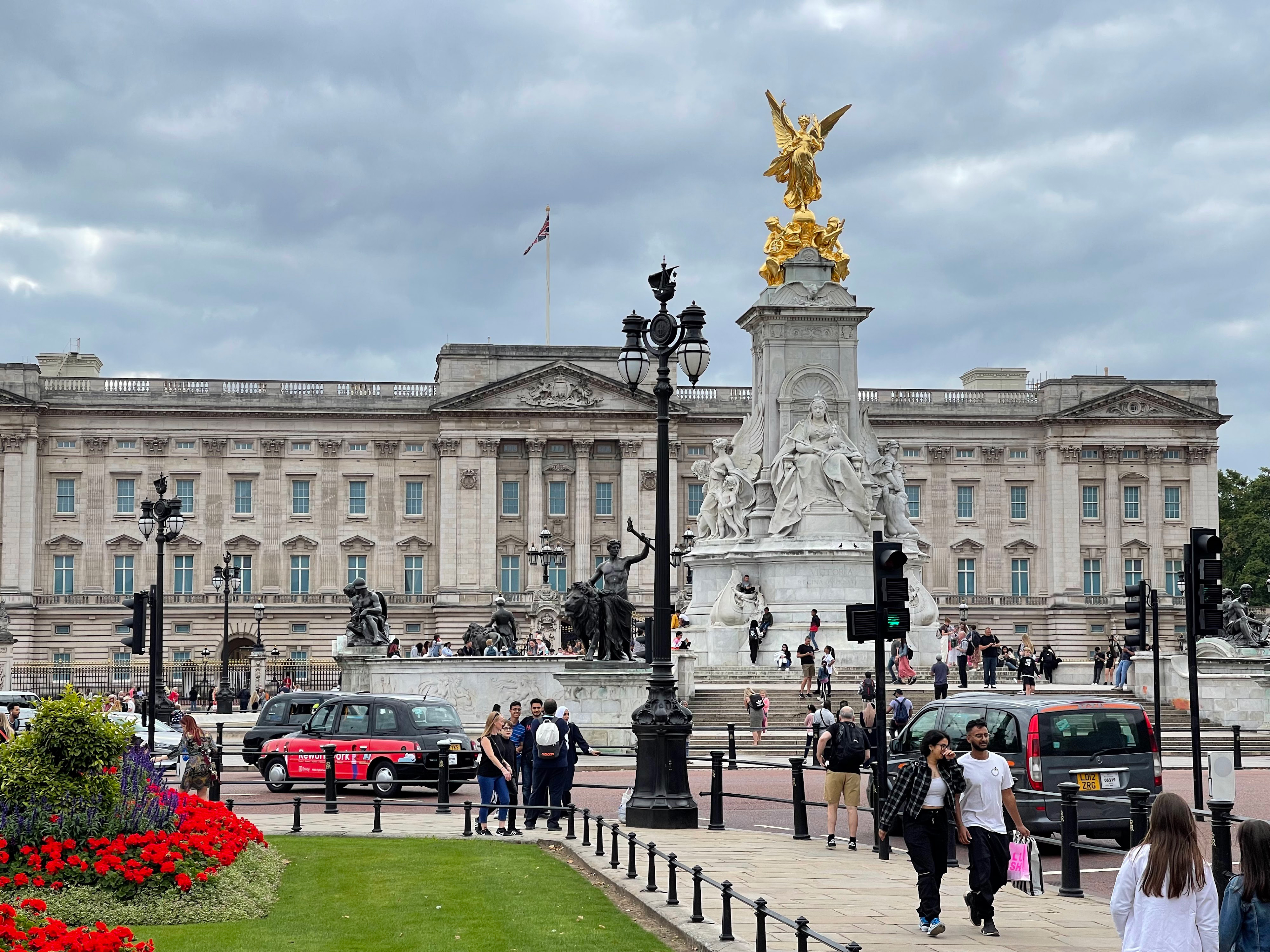
Buckingham Palace serves as the official London residence and administrative headquarters of the British monarch.
Originally built as Buckingham House in 1703, it was expanded and redesigned into the grand Greco-Roman style palace it is today.
The palace features 775 rooms, including the famous Music Room where acoustics feel alive, and the lavish Banquet Hall used for official dinners.
Surrounded by beautifully maintained gardens, Buckingham Palace attracts millions of visitors who admire its iconic facade and rich royal history.
11. St. Basil’s Cathedral
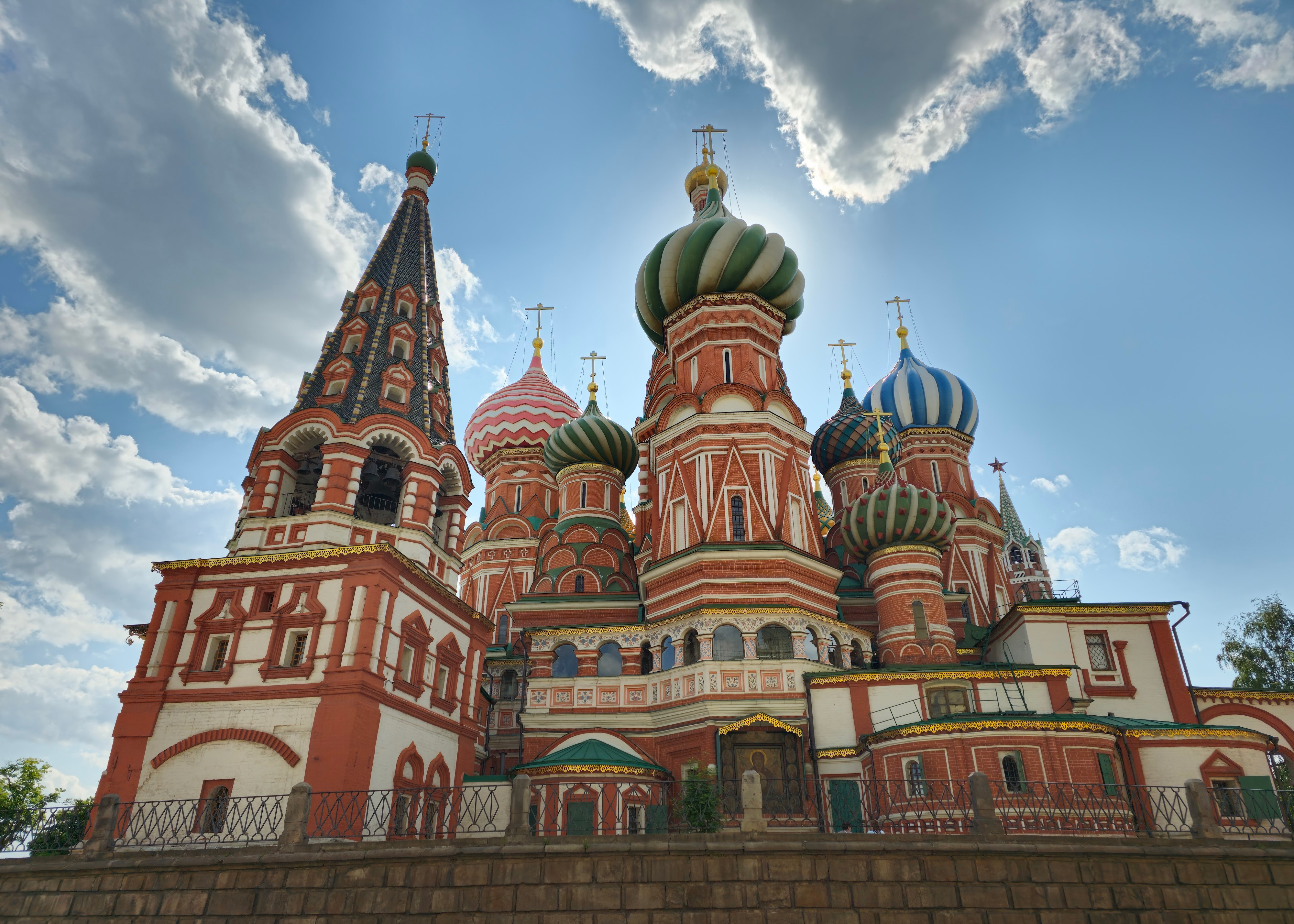
St. Basil’s Cathedral in Moscow stands out for its , colorful onion domes and unique architectural structure.
Located in Red Square, it consists of nine chapels, each with distinct altars connected by hidden staircases and narrow passages.
This complex design allows visitors to explore different chapels seamlessly. Facing the Ivory Gate Chapel, the cathedral’s intricate detail and bold design make it a must-visit landmark, symbolizing Russia’s rich religious and cultural heritage. Its extraordinary appearance leaves a lasting impression on every traveler entering Moscow.
12. Palace of Versailles
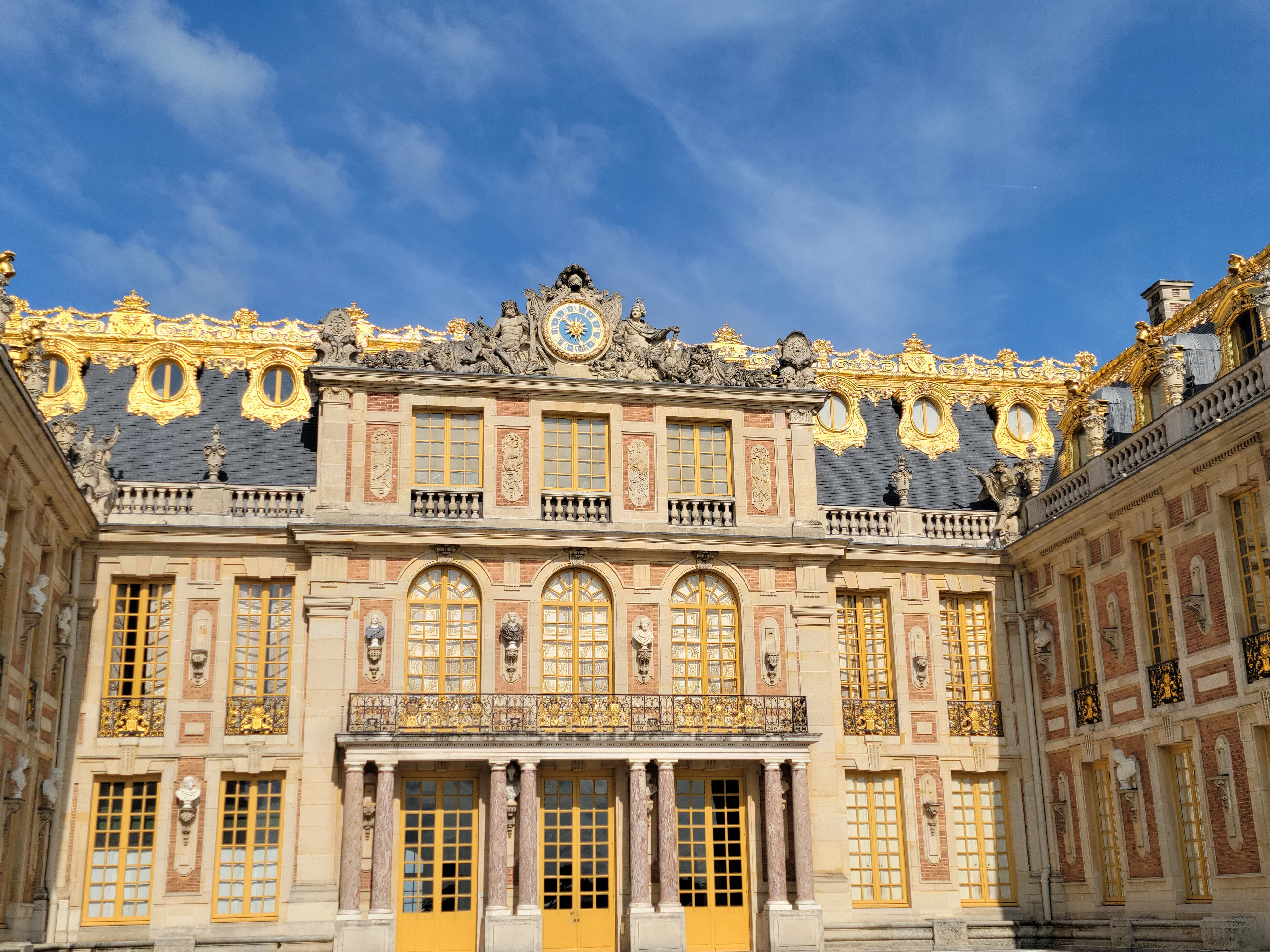
Standing just outside Paris, the Palace of Versailles is a masterpiece of French Baroque architecture.
Originally a hunting lodge, it transformed under Louis XIV into a lavish royal residence symbolizing absolute monarchy.
Visitors can explore the Hall of Mirrors with its 357 mirrors and grand chandeliers, the extensive gardens designed by André Le Nôtre, and exquisite royal apartments adorned with ornate frescoes and gilded sculptures.
As a UNESCO World Heritage site, Versailles draws millions annually, offering a stunning glimpse into 17th-century opulence and political history.
13. Arc de Triomphe

Standing tall at the heart of Paris, the Arc de Triomphe marks the western end of the Champs-Élysées. Construction began in August 1806 and took 30 years to complete.
This monument honors the sacrifice of French soldiers from the Revolution, with the names of the fallen inscribed on its walls. Visitors can climb 234 steps to the top, where panoramic views of Paris await.
The Arc de Triomphe is both a stunning architectural landmark and a powerful symbol of French history, making it a must-see on any European tour.
14. Florence Cathedral
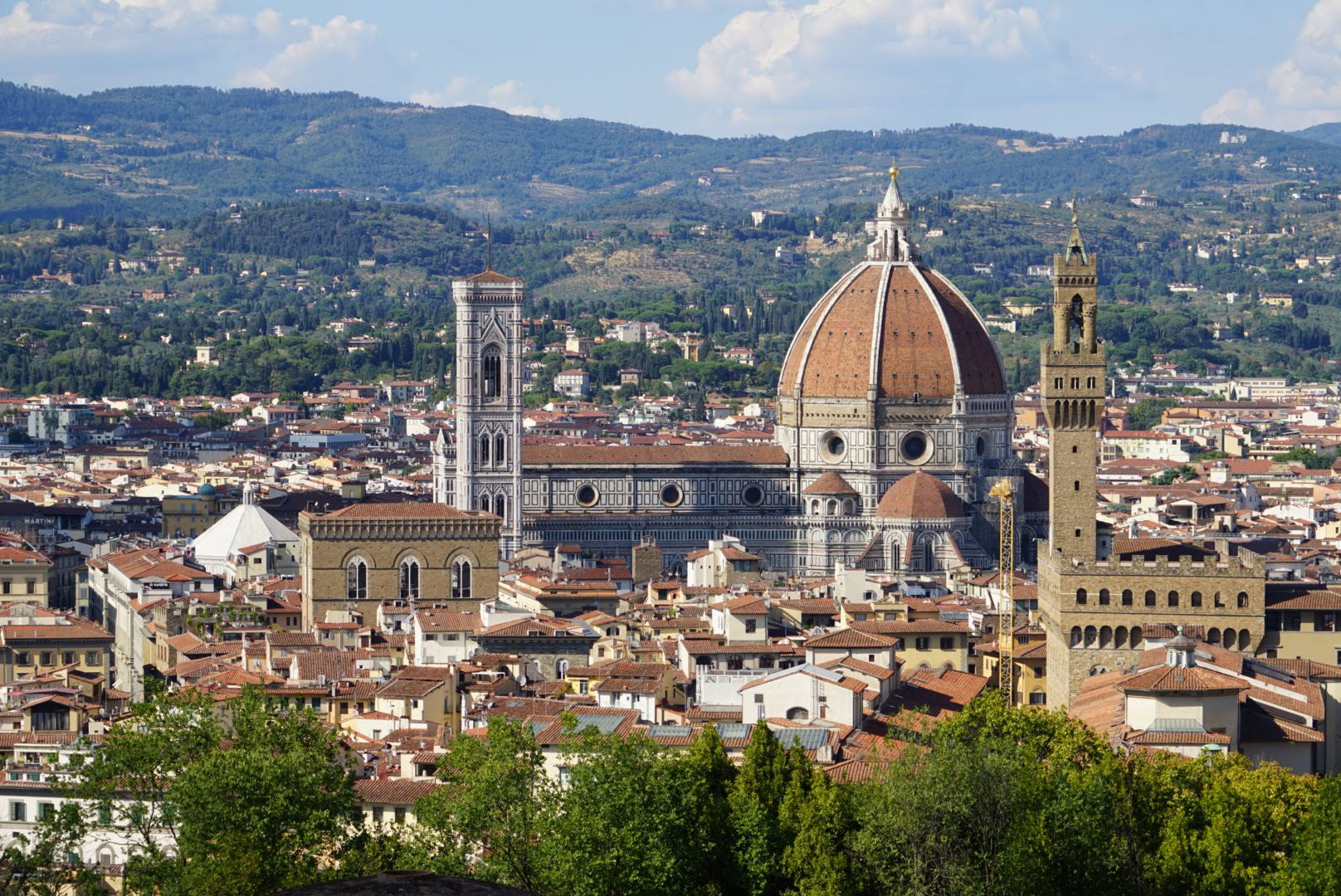
Florence Cathedral, also known as the Duomo, is a Gothic masterpiece completed in 1436 by Arnolfo di Cambio. Its massive dome, engineered by Filippo Brunelleschi, remains an architectural marvel.
Visitors can climb 463 steps to the observation deck for panoramic city views. The cathedral’s intricate façade and stunning frescoes inside, including Vasari’s Last Judgment, attract millions annually.
Its combination of Renaissance innovation and medieval design makes it a must-see in Florence’s rich architectural landscape.
15. Parthenon Athens

Standing atop the Acropolis, the Parthenon is a 2,500-year-old temple dedicated to Athena, Athens’ patron goddess. It was completed in 432 BCE after 15 years of construction.
Visitors can hike up the hill to admire its iconic white marble columns and detailed sculptures. Despite damage in 1687, the Parthenon remains a symbol of ancient Greek architectural mastery.
The nearby Acropolis Museum houses many original artifacts, enriching the experience with historical context. Early visits offer cooler temperatures and smaller crowds, enhancing appreciation of this UNESCO World Heritage site.
Alicia Richards