Education stands as a fundamental human right, a cornerstone of societal progress that governments worldwide take with utmost seriousness.
Yet, despite this universal commitment, the journey of learning unfolds in strikingly diverse ways across the globe.
Each nation crafts its own unique education system, curriculum, and distinct approach to schooling, making the entire concept of global education a truly fascinating subject to explore.
From ancient institutions to innovative modern structures, and from daily routines that defy convention to deeply ingrained cultural values, the world of education is a rich tapestry of surprising practices and philosophies.
Prepare to discover some of the most captivating facts about schools and the varied learning environments you’ll encounter worldwide, revealing just how unique and impressive global education truly is.
1. The World’s Highest School
Phuma Changthang, Tibet Nestled in the breathtaking region of Phuma Changthang, Tibet, lies a primary school renowned as the highest school in the entire world.
Its extraordinary elevation is attributed to its location on Mount Everest, the world’s highest mountain.
Standing at an astounding 5,373 meters above sea level, this school is quite literally close to the sky, offering an unparalleled example of education delivered in one of the planet’s most extreme environments.
2. The Oldest School Still Standing
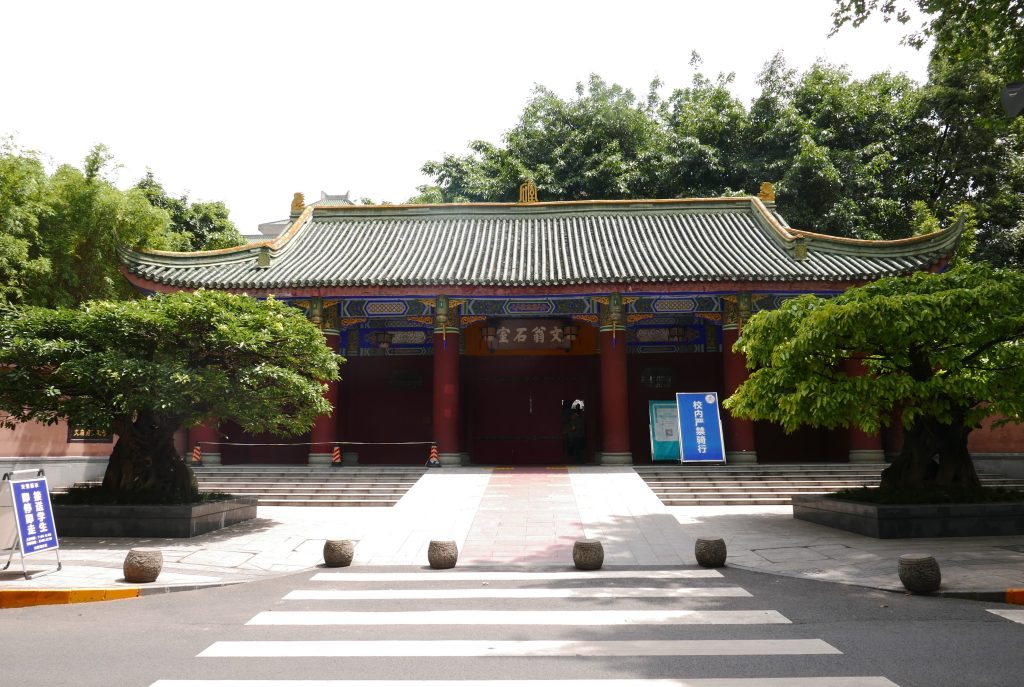
Shishi High School, Chengdu, China History whispers through the halls of Shishi High School in Chengdu, China, which proudly holds the title of the world’s oldest school still in existence.
This venerable institution was originally established in 194 AD, marking it as the first Chinese public school ever.
While steeped in history, Shishi High School is far from outdated; it transformed into a modern school in 1902 and today boasts up-to-date and very high-quality equipment and supplies, ensuring it comfortably provides a contemporary education.
3. A School Built from Recycled Bottles
The Philippines In a remarkable display of innovation and sustainability, a unique school in the Philippines, aptly named “the bottle school,” is constructed entirely from recycled pop bottles.
This one-of-a-kind structure is reported to have required approximately 9,000 bottles, meticulously assembled by numerous volunteers.
To ensure their sturdiness and strength, each bottle was filled with a mixture of water, sand, and straw, and then held together with a cement-like substance as they were stacked to form the school’s walls.
4. The Largest School in the World
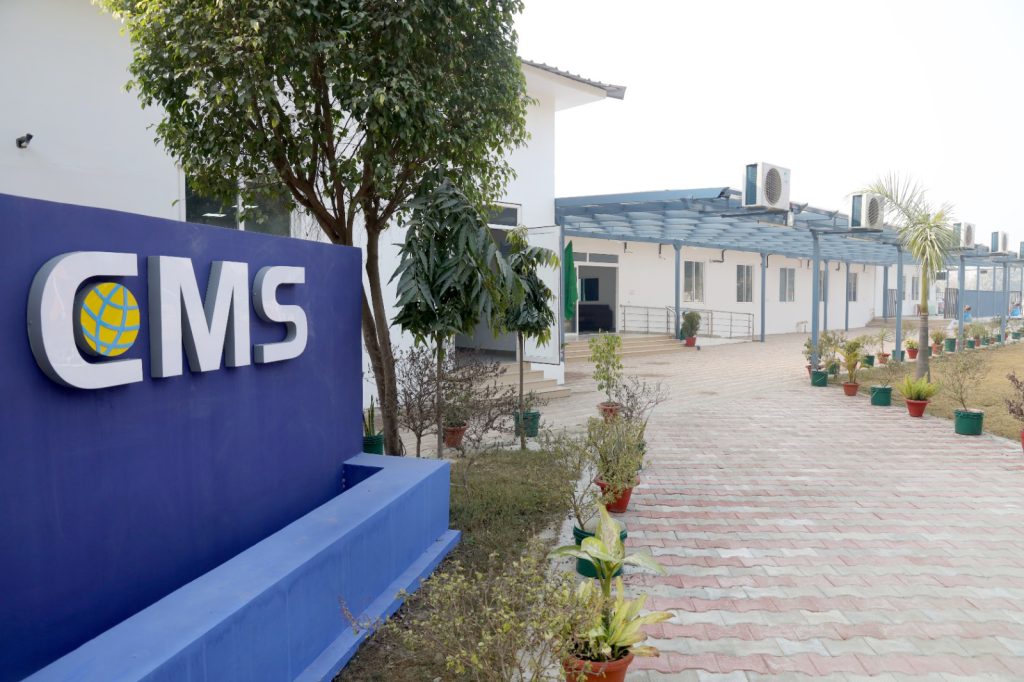
City Montessori School, Lucknow, India When considering scale, the City Montessori School in Lucknow, India, stands out as the largest school in the world in terms of student enrollment.
This immense institution has earned a place in the Guinness Book of World Records for its colossal student body.
Currently, an astonishing 56,000 pupils attend the school on a daily basis, highlighting an educational model designed to accommodate a vast number of learners.
5. The Smallest School in the World
Turin, Italy (2014) In stark contrast to India’s largest school, a peculiar situation arose in Turin, Italy, in 2014, where an elementary school gained the reputation of being the smallest.
This school operated with an incredibly intimate setup: only one teacher and one student. The single student reportedly admitted to feeling lonely, even needing to imagine other students in the class for a sense of normalcy.
Despite its minuscule size, officials decided to keep the school open as long as there was at least one pupil attending.
6. A New Student Every Day
Starting Age in the Netherlands The Netherlands has a unique approach to school entry: children begin their formal education on their fourth birthday.
This means that schools frequently welcome new students into classes on an ongoing basis throughout the year, rather than just at the start of a new academic term.
This system allows older students more time to settle in and make friends, and it aims to ensure that children are at a similar developmental level when they experience their very first day of school.
7. Mealtime as a Curriculum in France
In France, the education curriculum extends beyond academic subjects to include meal times as an integral part of learning.
While children typically learn table manners at home, these skills are reinforced in schools, where students are also educated about different foods and their origins.
This impressive approach aims to cultivate good manners and etiquette, and to foster an appreciation for local food suppliers, embedding cultural values directly into the daily school routine.
8. Students as Custodians
Cleaning Responsibilities in South Korea and Kenya A testament to instilling responsibility and community spirit, students in South Korea are routinely expected to stay behind and help clean their classrooms once lessons conclude. This duty can involve tasks such as sweeping, taking out trash, and even vacuuming.
This practice of students being responsible for their learning environment is also very common in Kenyan schools, where tidying classrooms and managing trash are consistently student responsibilities, particularly in day schools before heading home.
9. “Knowledge Day” in Russia
A Unique School Start Russia celebrates a distinctive tradition known as ‘Knowledge Day’, which marks the official start of the school year on September 1st.
Remarkably, this date is observed regardless of whether it falls on a weekend or a public holiday.
The morning often begins with a special assembly where the oldest students (typically 11th graders) ceremoniously lead the new first graders into the school compound, often ringing a bell to mark the occasion.
This tradition symbolizes older students paving the way for the younger ones, fostering a sense of support throughout their educational journey.
10. Zip-Lining to School in Colombia
For children living in the remote area of Los Pinos, Colombia, the daily commute to school is an extraordinary adventure: they often travel by zip line.
This isolated valley relies on zip-lining as the primary mode of transportation. For safety, very young children are not permitted to use the zip lines alone; instead, they travel along the steel cable with a parent or an older sibling who is familiar with the system.
The alternative to this thrilling commute is a dangerous two-hour walk through the rainforest, fraught with potential hazards like wild animals.
11. Late Start, High Quality
Finland’s Approach to Early Education Finland, renowned for its highly successful education system, adopts a distinctive approach to early schooling: children do not typically begin formal schooling until the age of seven.
While this starting age is considered quite late compared to many other countries worldwide, it is a common practice in Finland.
Importantly, most Finnish children attend high-quality daycares or preschools before entering primary school, suggesting a focus on developmental readiness rather than early formal instruction.
12. Four-Month Summers
Vacations in Chile For students in Chile, the summer vacation is exceptionally generous, offering an extended period of rest and play.
Their summer break begins in mid-December and concludes in early March, resulting in a vacation period that lasts for almost four months.
This lengthy break provides Chilean children with ample time away from the classroom, a duration that is likely the envy of students in many other parts of the world.
13. Sweet Start
Germany’s “Schultüte” Tradition On their very first day of school, German children are greeted with a delightful and long-standing tradition: they receive special paper cones known as Schultüte.
These festive cones are typically filled with an assortment of sweets, candy, new school supplies, and toys.
The exciting catch for the children is that they are only permitted to open these cones once they officially begin school.
This tradition serves as a joyous celebration, a symbolic acknowledgment, and an indication of a child’s significant transition into the new stage of formal education.
14. Shortest Year, Longest Day
France’s School Schedule France presents a paradoxical school schedule, balancing a notably short academic year with some of the longest school days.
The total school year in France does not exceed 36 weeks, which is considerably shorter than the over 40 weeks common in many other countries.
Despite this, French children experience long school days, typically running from 8:30 a.m. to 4:30 p.m.
Students attend classes four days a week, with Wednesdays, Saturdays, and Sundays as their designated days off, and they are also allocated a generous two hours for lunch each school day.
15. The Most Independent Students
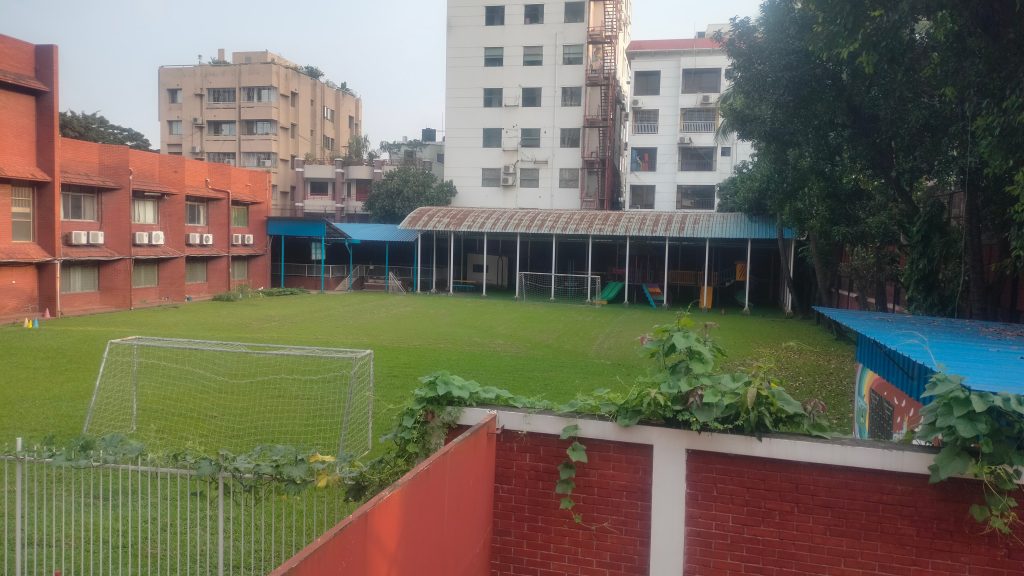
Japanese Schools The education system in Japan places a significant emphasis on cultivating high discipline from a very young age, leading to some of the most independent students globally.
Japanese children demonstrate remarkable self-reliance: they travel to school alone, are responsible for cleaning their own classrooms, and even serve their own lunch.
Notably, Japanese schools typically do not employ janitors or operate canteens, reinforcing this culture of student responsibility.
While students are sometimes allowed to bring their own lunch boxes for special occasions, most days they share the same meal provided by the school.
16. Pre-Primary Education
Kenya’s Evolving Mandate For many years in Kenya, prior to recent curriculum changes, attending pre-primary or early childhood development classes was not mandatory before joining primary school.
This historical approach led to considerable debate. However, with the recent introduction of the CBC (Competency-Based Curriculum) curriculum, a significant revision has been made: it is now a requirement for all children to begin their educational journey from kindergarten, with no exceptions.
17. Smallest & Largest Schools (Continued)
A Global Spectrum While the City Montessori School in India stands as the largest by enrollment and the Turin elementary school once held the record for smallest by student count, these examples underscore the vast spectrum of educational scales worldwide.
The fact that the Turin school, despite having only one teacher and one student in 2014, remained open as long as there was a single pupil, highlights a commitment to education even in its most minimal form.
Conversely, the City Montessori School, with its around 56,000 pupils, exemplifies an entirely different challenge and achievement in managing education on a mega-scale.
18. China’s Highly Ranked Education System
China’s education system consistently earns recognition as one of the best globally. This reputation is underscored by international test results, where Chinese students, particularly those from Shanghai, have demonstrated outstanding performance.
Shanghai, for instance, was ranked number one in the world across all three categories of science, reading, and mathematics in international assessments.
While these results have sometimes faced controversies, the general trend indicates that Asian students are among the highest-achieving globally.
19. Lifelong Engagement
Education in Denmark In Denmark, education is not merely a phase of life but a continuous engagement for its citizens.
Danish people are described as being actively involved in the education system throughout their entire lives.
This deep and sustained participation is rooted in a fundamental belief that being very qualified education-wise is key for the future of the country.
As a direct result of this pervasive tradition, Denmark boasts a workforce comprised of highly educated individuals, reflecting a societal commitment to lifelong learning and development.
20. Boat Schools of Bangladesh (Continued)
Adapting to Environment The existence of over 100 boat schools in Bangladesh is a testament to ingenious adaptation in the face of environmental challenges.
Frequent and severe flooding in Bangladesh often disrupts learning for thousands of students, with rivers rising as high as four meters and rendering roads impassable.
These innovative boat schools serve as a crucial solution, allowing education to continue even amidst adverse conditions.
Furthermore, these floating classrooms are remarkably advanced, being solar-powered and equipped with internet access and libraries, ensuring that students maintain access to modern learning resources regardless of their surroundings.
Alicia Richards