Australia’s architectural landscape is a vibrant tapestry woven from diverse cultural influences and innovative designs.
Its unique climate and rich heritage have inspired architects to create structures that are not only functional but also deeply expressive.
Over the years, visionary Australian architects have pushed boundaries, blending sustainability with creativity to shape the nation’s urban and natural environments.
From pioneering figures who laid the groundwork for modern Australian architecture to contemporary designers redefining city skylines, these architects have left an indelible mark on the country’s built environment.
Their work ranges from iconic public buildings to thoughtfully designed homes that respond to Australia’s distinct lifestyle and environment.
1. Glenn Murcutt

Glenn Murcutt is Australia’s only Pritzker Prize winner, honored in 2002 for his environmental sensitivity and minimalist designs.
He creates lightweight structures using timber, steel, and corrugated metal that respond organically to Australia’s climate.
Murcutt employs passive solar design, natural ventilation, and rainwater harvesting to reduce environmental impact.
Notable projects like the Marie Short House and Australian Islamic Centre showcase his sustainable, vernacular approach.
Working solo and drawing by hand, Murcutt embodies a deeply personal, site-specific architecture that harmonizes with the landscape.
2. Harry Seidler
Harry Seidler pioneered modernist architecture in Australia, fully embracing Bauhaus principles. He designed over 180 buildings, mainly in Sydney, blending bold geometry with innovative materials and functionality.
Influenced by masters like Walter Gropius and Oscar Niemeyer, Seidler’s work includes iconic projects such as Australia Square Tower (1967) and Rose Seidler House (1948–1950).
Awarded the RAIA Gold Medal and Praemium Imperiale, he transformed urban living with elegant, modern designs that remain highly influential in Australian architecture.
3. Robin Boyd

Robin Boyd was a leading Australian architect, writer, and critic renowned for championing the International Modern Movement in Australia.
He famously critiqued suburban sprawl and poor design quality through his influential book The Australian Ugliness (1960).
Boyd pioneered affordable, elegant housing via the Small Homes Service, significantly shaping Australian residential architecture.
Key works include Boyd House II (1959), showcasing regional modernism, and the Domain Park Flats (1961), one of Australia’s first high-rise strata title apartments.
Awarded the RAIA Gold Medal in 1969, his legacy endures through the Robin Boyd Award for Residential Architecture.
4. Brit Andresen

Brit Andresen became the first female recipient of the RAIA Gold Medal in 2002, recognizing her sustained impact on Australian architecture. Born in Norway, she moved to Australia in 1977 and began teaching at the University of Queensland.
Andresen co-founded Andresen O’Gorman Architects, focusing on sustainable residential designs using native hardwoods.
Her work, including Mount Nebo House and Mooloomba House, explores the intersection of natural environments and built spaces, emphasizing climate-sensitive, context-driven architecture that blends seamlessly into the Queensland landscape.
5. Kerstin Thompson
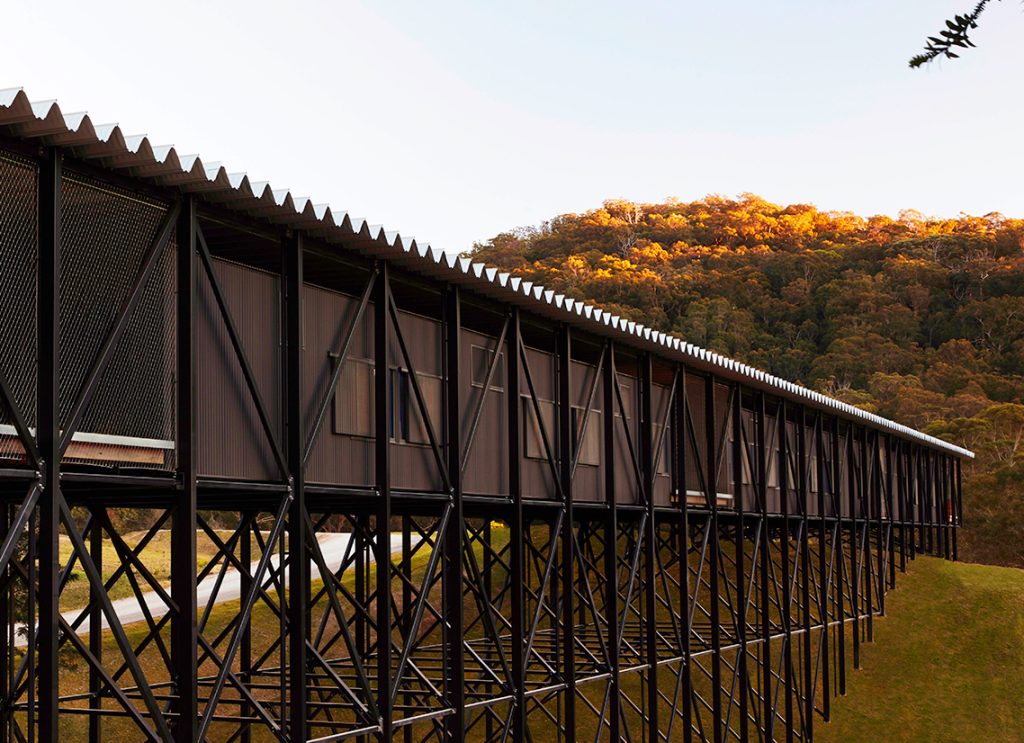
Kerstin Thompson leads a Melbourne-based firm renowned for blending architecture with community and environment.
Since 1994, her firm has delivered projects that connect people to their surroundings, such as the Bundanon Art Museum and the Queen and Collins development, which won the Melbourne Architecture Prize in 2022.
Notable works include the Monash University Museum of Art and the House at Lake Connewarre, showcasing her commitment to architecture as a civic endeavor that supports local culture and climate.
6. Francis Greenway

Francis Greenway is celebrated as one of Australia’s earliest and most influential colonial architects. Transported as a convict in 1814, he quickly became the official colonial architect of New South Wales.
Greenway’s designs, including the Macquarie Lighthouse and St. James’ Church in Sydney, reflect Georgian elegance adapted to the Australian context.
His work set foundational standards for public buildings, blending classical symmetry with local materials.
Greenway’s legacy remains integral to Australia’s architectural heritage, exemplifying the transformation from penal colony to emerging nation through enduring civic architecture.
7. Edmund Blacket
Edmund Blacket stands as a key figure in Australian Gothic Revival architecture, shaping much of Sydney’s 19th-century skyline.
He designed iconic structures like the University of Sydney’s Quadrangle and St. Andrew’s Cathedral, blending medieval Gothic details with local materials.
Blacket’s work balances grandeur and functionality, showcasing pointed arches, intricate stonework, and steep gables.
Often called the “Wren of Sydney,” his designs remain some of Australia’s most celebrated heritage buildings, influencing generations of architects and preserving colonial architectural identity.
8. Roy Grounds

Roy Grounds stands out as a pivotal figure in mid-20th century Australian architecture. He masterfully blended modernist principles with a unique elegance, emphasizing simplicity and geometric forms.
Grounds is best known for designing the National Gallery of Victoria, a landmark project that redefined cultural architecture in Australia. His work also includes the iconic Sidney Myer Music Bowl, showcasing innovative structural design.
Grounds’ commitment to timeless, functional spaces cemented his reputation, influencing generations of architects and shaping Australia’s architectural identity with clarity and refined style.
9. John Wardle

John Wardle is a Melbourne-based architect known for designing award-winning residential, commercial, and public buildings.
He emphasizes collaboration with artists, craftsmen, and engineers to create innovative, sustainable spaces responsive to context and users.
Notable projects include the Melbourne School of Design, Queensland Brain Institute, and Tanderrum Pedestrian Bridge. Wardle champions recycled materials and functional design, earning national recognition.
His work balances craft, creativity, and context, shaping Australia’s architectural identity with sensitivity and forward-thinking principles.
10. Nonda Katsalidis
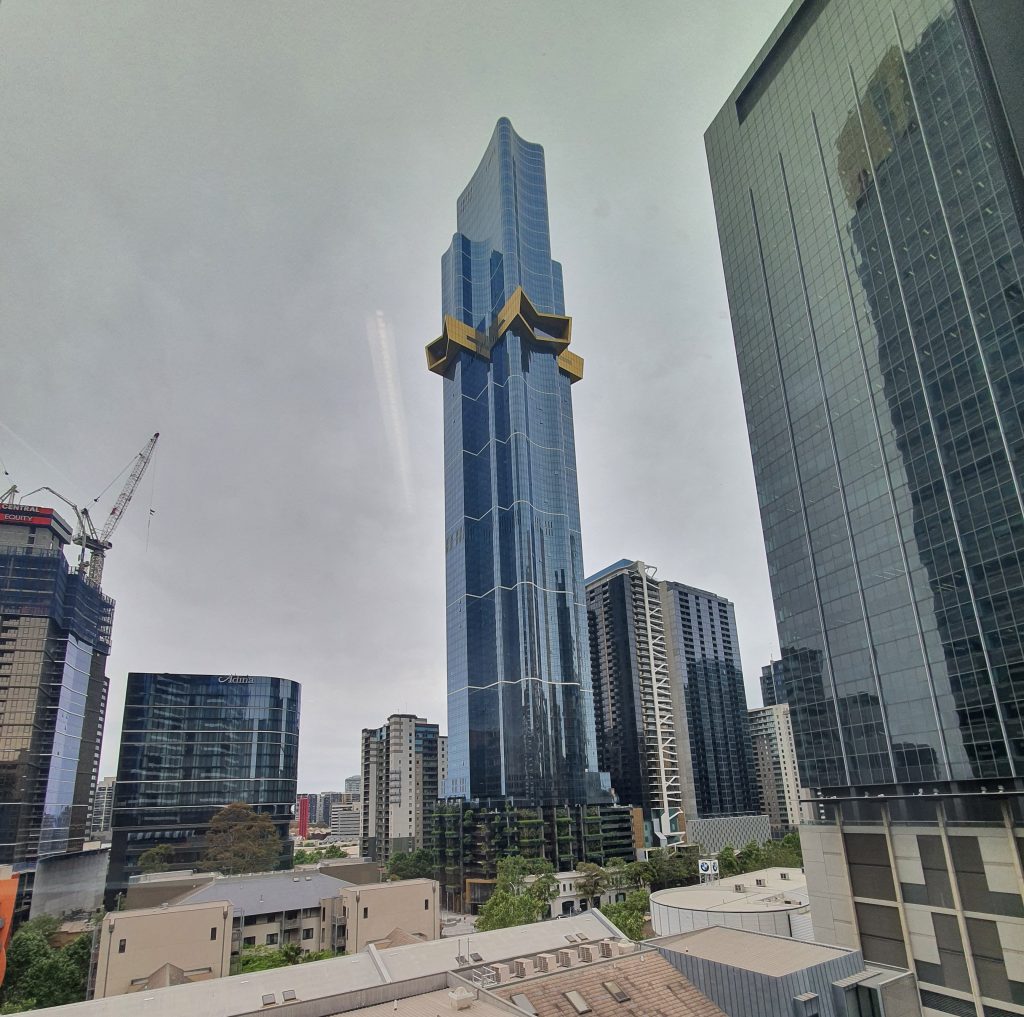
Nonda Katsalidis is a leading figure in Australian architecture, known for his innovative and sustainable designs.
As a founding partner of Fender Katsalidis Architects, he has created iconic structures like Melbourne’s Eureka Tower and the NewActon Precinct in Canberra.
Katsalidis employs cutting-edge materials and urban design strategies to address Australia’s unique climate and cultural context.
His work emphasizes sustainability, functionality, and aesthetic boldness, setting new standards in contemporary Australian architecture.
Alicia Richards