Bridges do more than connect two points—they link histories, cultures, and communities. Europe, with its rich architectural heritage, boasts some of the most stunning and iconic bridges in the world.
These structures blend engineering brilliance with artistic beauty, making them must-see landmarks for travelers and history enthusiasts alike.
From medieval stone arches to modern steel marvels, Europe’s famous bridges tell stories of the cities they adorn. Crossing these bridges offers breathtaking views and a glimpse into the continent’s past and present.
Whether you’re wandering through historic streets or admiring river vistas, these bridges are unforgettable symbols of European charm and ingenuity.
1. Rialto Bridge
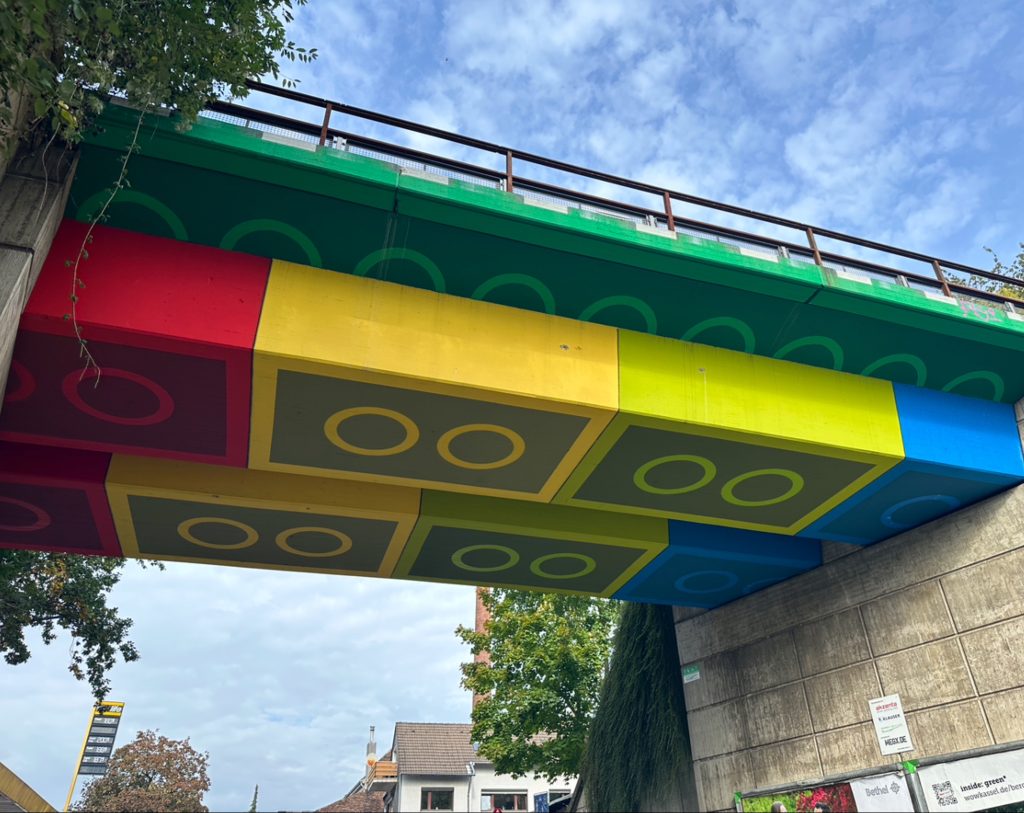
The Rialto Bridge spans Venice’s Grand Canal, connecting the island’s two bustling sides. Built in the 16th century, it is the oldest and most iconic of the four bridges crossing the canal. Its unique stone arch design combines functionality with aesthetic charm.
Visitors enjoy panoramic views of the canal from the bridge’s central walkway, making it a hotspot for photographers.
As a central hub for water taxis and buses, the Rialto Bridge plays a vital role in Venice’s transportation while standing as a symbol of the city’s rich history and architectural elegance.
2. Millau Viaduct
Standing as the tallest vehicular bridge worldwide, the Millau Viaduct soars 1,104 feet (336.4 meters) above the Tarn River valley in Southern France.
Opened in 2004, this multi-span cable-stayed bridge was designed by British architect Norman Foster and is celebrated as a modern engineering marvel.
It dramatically cuts through the dramatic gorge, enhancing the A75 motorway and reducing travel time. The bridge’s sleek design combines strength with elegance, making it an iconic symbol of contemporary European infrastructure.
3. Tower Bridge
Tower Bridge spans the River Thames in London, featuring iconic Gothic Revival architecture. Completed in 1894, the bridge combines suspension and bascule elements, allowing its two massive towers to lift for passing ships.
It connects the city’s financial district with Southwark and offers stunning views of London’s skyline, including the Tower of London nearby.
Recognized worldwide, Tower Bridge is not only a functional crossing but also a symbol of London’s rich history and engineering prowess.
4. Ponte Vecchio
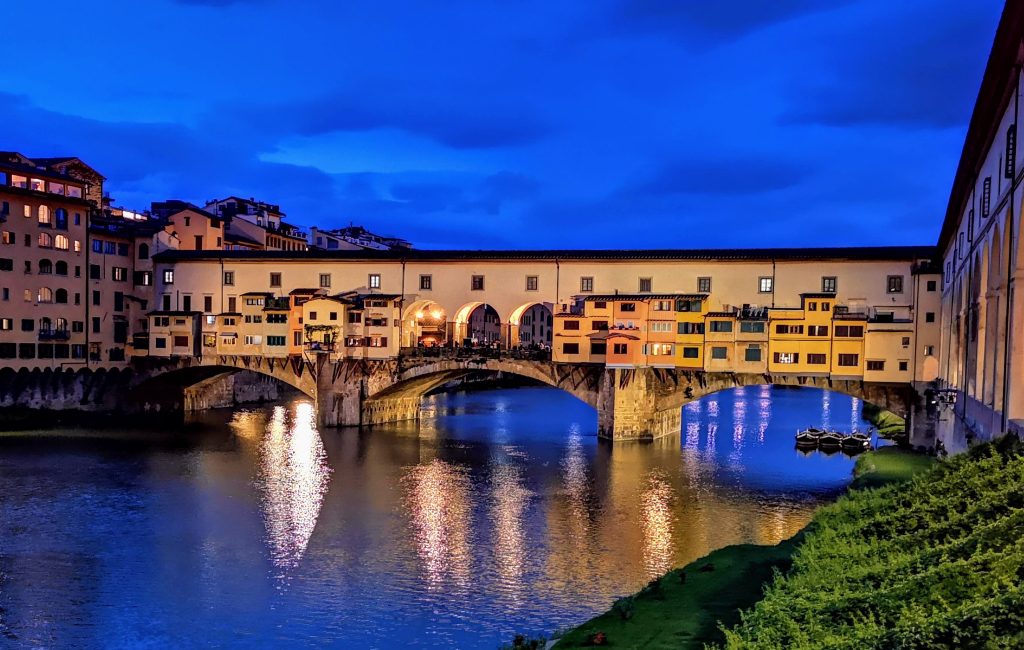
Ponte Vecchio spans the River Arno in Florence and stands out as a unique medieval bridge lined with shops.
Dating back to 1345, it’s the city’s narrowest point at about 90 meters wide. Originally home to butchers, the shops now sell jewelry, art, and crafts, preserving its historic charm.
The bridge’s distinctive design and bustling atmosphere make it a must-visit landmark just a short walk from Florence’s renowned Uffizi Gallery. Its blend of history, architecture, and commerce reflects Florence’s cultural richness.
5. Kapellbrücke
Kapellbrücke, or Chapel Bridge, is a stunning covered wooden footbridge in Lucerne, Switzerland. Spanning the Reuss River, it dates back to the 14th century, making it one of Europe’s oldest wooden bridges.
The bridge features a unique roofed walkway adorned with 17th-century paintings illustrating Lucerne’s history.
Despite a devastating fire in 1993, Kapellbrücke was meticulously restored, retaining its original charm.
Draped with flowers and illuminated at night, it remains one of Switzerland’s most photographed and visited landmarks, perfectly blending medieval architecture with scenic river views.
6. Széchenyi Chain Bridge
Connecting Buda and Pest, the Széchenyi Chain Bridge is Budapest’s iconic 19th-century stone suspension bridge. Designed by William Tierney Clark, it was the first permanent bridge over the Danube in Hungary.
The bridge rises 20 meters above the water, offering striking views of landmarks like Buda Castle and the Hungarian Parliament.
Though destroyed in 1945 during World War II, it was rebuilt and reopened in 1949, continuing to serve as a vital pedestrian and vehicle link. Its illumination at night makes it one of Europe’s most picturesque bridges.
7. Charles Bridge
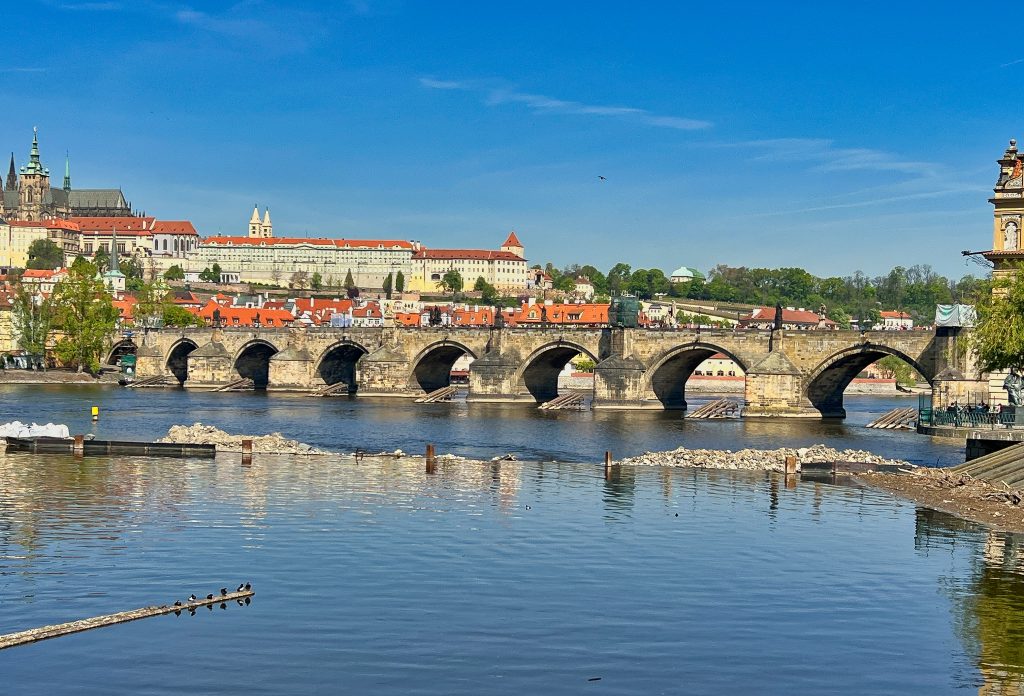
Charles Bridge in Prague stands as a stunning 14th-century stone arch bridge commissioned by King Charles IV. It features about 30 Baroque statues that line both sides of the pedestrian walkway, adding artistic charm.
Visitors can climb the towers at each end for panoramic city views. The bridge remains a lively hub, with street performers and vendors enhancing the experience.
Touching the statue of St. John of Nepomuk is a popular tradition believed to bring good luck and ensure a return visit to Prague, making Charles Bridge a truly memorable European landmark.
8. Stari Most
Stari Most, the Old Bridge in Mostar, Bosnia and Herzegovina, stands as a symbol of resilience and history. Built in the 16th century under Ottoman rule, its distinctive single-arch stone design spans the Neretva River.
Destroyed during the 1990s Balkan Wars, it was meticulously rebuilt using original materials and techniques, reopening in 2004. The bridge connects Mostar’s old town, offering stunning views and serving as a reminder of cultural unity.
Visitors can watch cliff divers leap from the bridge or enjoy panoramic scenes from nearby cafes and the Mehmed Pasha Mosque minaret, making Stari Most a must-see European landmark.
9. Clifton Suspension Bridge
The Clifton Suspension Bridge spans the Avon Gorge in Bristol, England, showcasing Victorian engineering brilliance. Designed by Isambard Kingdom Brunel and completed in 1864, it features a 702-foot (214-meter) main span suspended by iron chains.
The bridge offers breathtaking views of the gorge and the city, attracting tourists and locals alike.
As a symbol of innovation, it connects Clifton to Leigh Woods, easing transportation while preserving the natural beauty surrounding it. Its elegant design and historical significance make it one of Europe’s most iconic suspension bridges.
10. Glenfinnan Viaduct
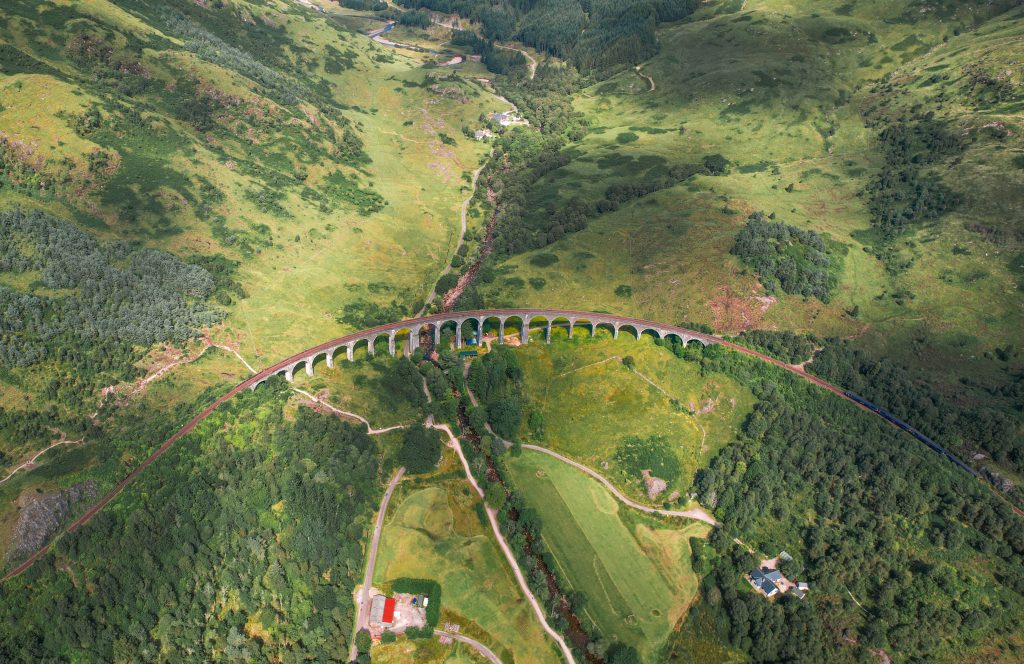
Standing in Invernessshire, Scotland, the Glenfinnan Viaduct is a marvel of late 19th-century engineering. Completed in 1901 after 15 years of construction, this 21-span railway bridge spans the scenic Loch Shiel and overlooks the Glenfinnan Monument.
Its imposing concrete arches made it one of Europe’s largest concrete structures at the time.
Famous for its appearance in the Harry Potter films as the Hogwarts Express route, the viaduct even features on Scotland’s £10 banknote, highlighting its cultural and architectural significance. Visitors cherish its panoramic views, combining historic charm and natural beauty.
Alicia Richards