Florence’s iconic bridges are more than just crossings over the Arno River—they’re living pieces of history that connect the city’s past with its present charm.
Each bridge tells a story, from medieval commerce to Renaissance artistry, making them essential landmarks for anyone exploring this Tuscan gem.
Among these, the Ponte Vecchio stands out as the oldest and most famous, lined with quaint shops and steeped in centuries of tradition.
But Florence’s other bridges, like Ponte Santa Trinita and Ponte alla Carraia, offer equally stunning views and unique experiences, showcasing the city’s architectural beauty and cultural richness.
Discovering these ten famous bridges reveals Florence’s soul, blending picturesque scenery with historical significance.
Whether for a leisurely stroll or capturing breathtaking photos, these bridges invite visitors to experience the city’s timeless allure from new perspectives.
1. Ponte Vecchio
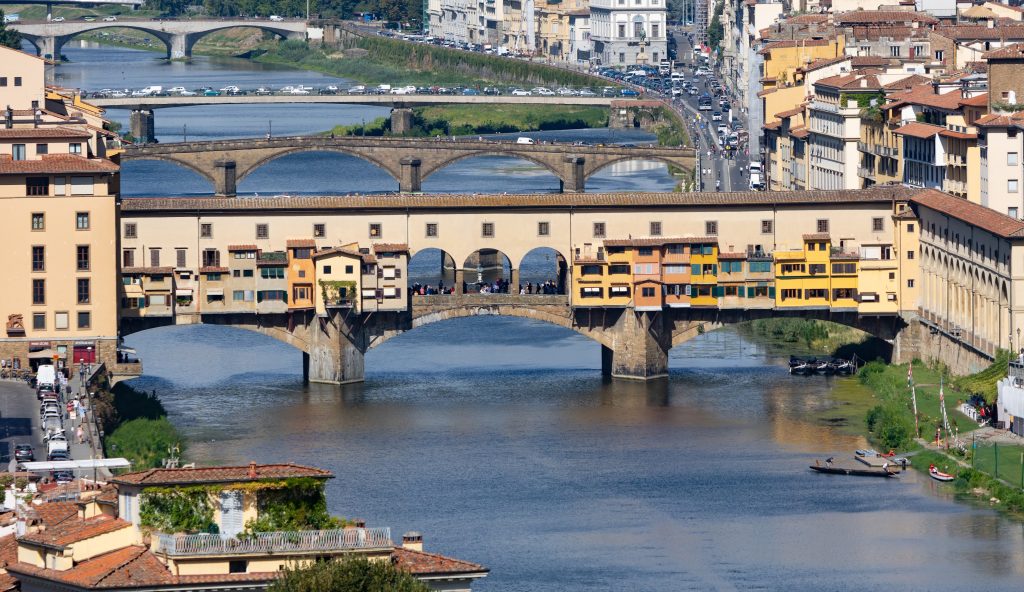
Ponte Vecchio is Florence’s most iconic and oldest bridge, dating back to the 14th century. It uniquely features a row of shops built along its sides, where artisans sell jewelry, art, and souvenirs.
Originally serving as the city’s main crossing over the Arno River, it’s now pedestrian-only, ideal for leisurely strolls.
The bridge also connects key historic districts and offers stunning views of the river and cityscape. Its medieval charm and rich history make Ponte Vecchio a must-visit highlight for every Florence traveler.
2. Ponte alle Grazie
Ponte alle Grazie stands out with its layered history, originally built in the 13th century and rebuilt twice—in the 16th and 19th centuries.
It offers a quieter, less crowded spot for visitors seeking authentic Florentine atmosphere away from main tourist hubs.
This bridge gracefully connects key neighborhoods on either side of the Arno, providing charming views of the river and nearby historic buildings.
Its sturdy arches and classic design make it an overlooked gem that enriches Florence’s rich tapestry of Renaissance architecture and riverside beauty.
3. Ponte alla Carraia
Ponte alla Carraia is a historic bridge spanning the Arno River, originally built in the early 14th century. It was rebuilt in the 18th century after several renovations, showcasing classic Florentine architecture.
The bridge offers stunning panoramic views of the river and cityscape, making it popular for photography and peaceful strolls.
Locals often gather here to relax or fish, adding to its authentic charm. Its central location connects Florence’s neighborhoods, providing easy access to nearby landmarks and riverside cafes. Ponte alla Carraia remains a vital link and a serene retreat within Florence’s bustling historic center.
4. Ponte Santa Trinita
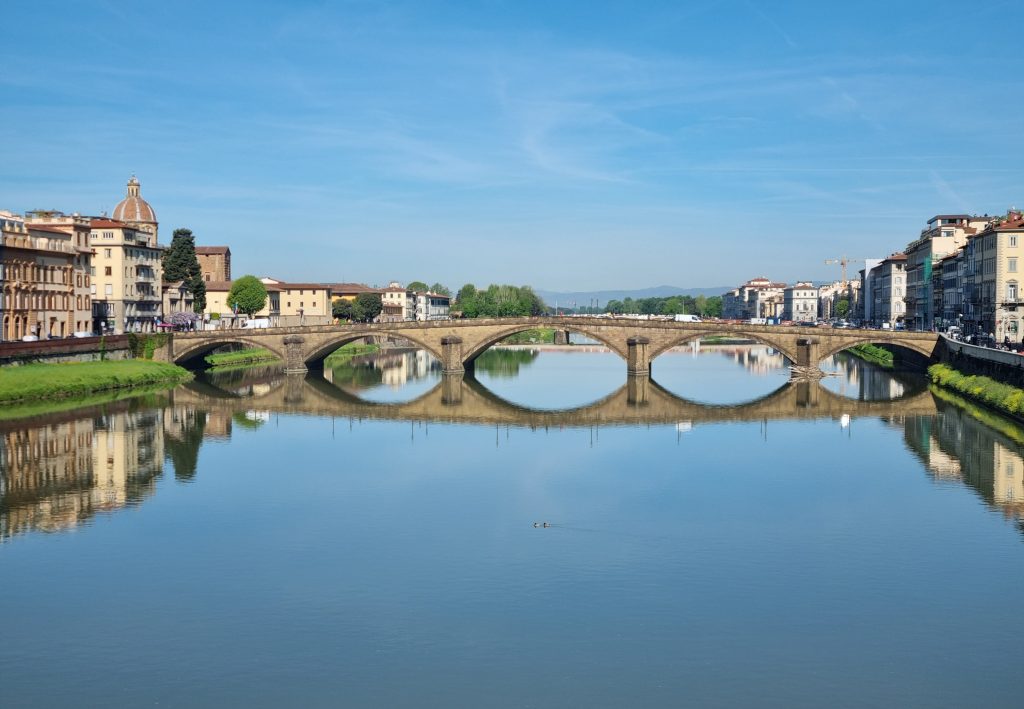
The Ponte Santa Trinita stands as Florence’s oldest elliptical arch bridge, originally built in the 16th century. It links the Oltrarno district with the city center, offering picturesque views of the Arno River.
Destroyed during World War II, it was meticulously rebuilt using original stones, preserving its Renaissance design.
Renowned for its elegant arches and sculptures representing the four seasons, this bridge is a perfect spot for sunset watching and photography. Its blend of history, art, and stunning views makes it a must-see among Florence’s iconic bridges.
5. Ponte San Niccolò
Ponte San Niccolò is one of Florence’s oldest surviving bridges, located on the southern side of the historic center. It features unique medieval architecture with three arches of irregular shapes and sizes.
Visitors enjoy peaceful walks here, appreciating stunning views of the Arno River and Florence’s skyline. This bridge leads to a neighborhood filled with galleries, offering a blend of history and contemporary culture.
Unlike the central bridges, it lies outside the UNESCO-protected area, providing a quieter and authentic Florentine experience.
6. Ponte Amerigo Vespucci
Opened in 1957 and designed by architect Giovanni Michelucci, Ponte Amerigo Vespucci stands out with its single-span arch stretching 120 meters across the Arno River.
Named after the Italian explorer Amerigo Vespucci, it links Lungarno Amerigo Vespucci and Borgo Ognissanti.
This modern engineering marvel offers a sleek contrast to Florence’s historic bridges and provides tranquil riverside views, perfect for peaceful strolls away from tourist crowds.
Its unique design and serene setting make it a notable yet less crowded gem among Florence’s famous river crossings.
7. Ponte Alla Vittoria
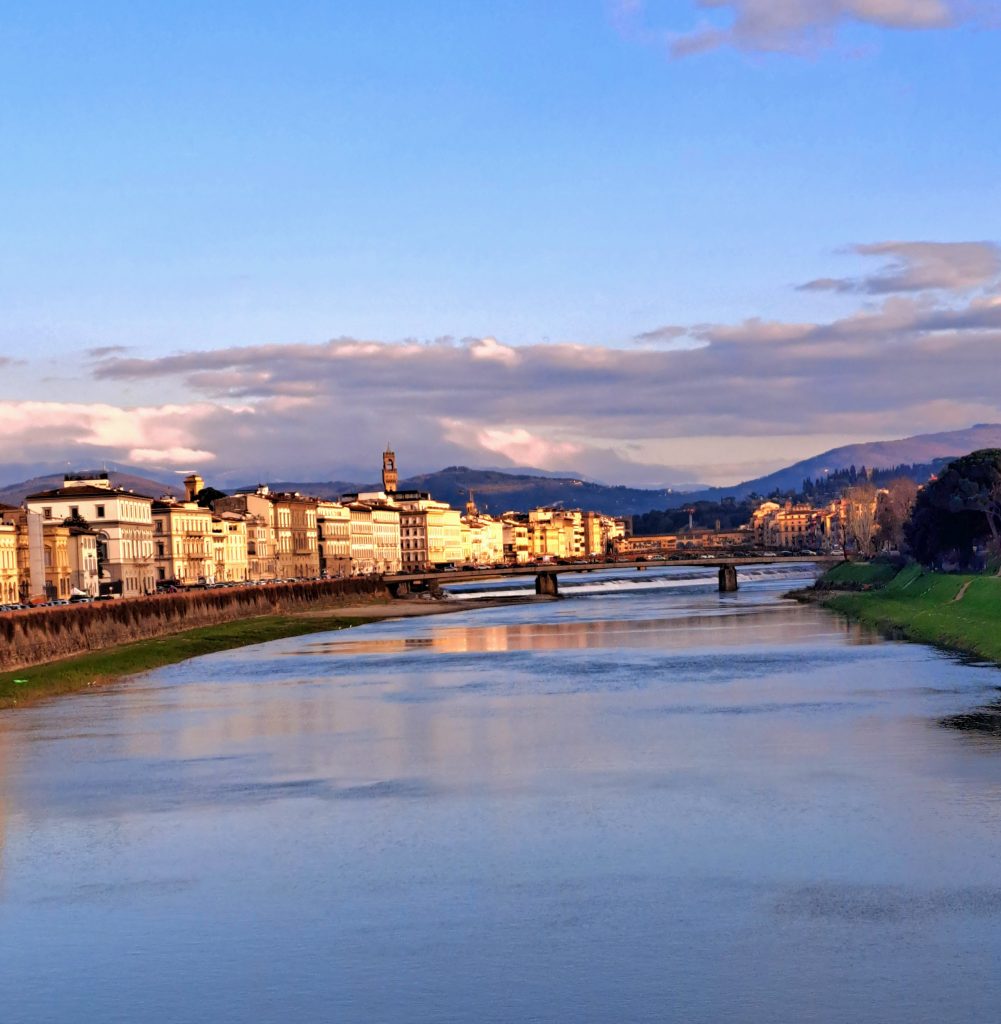
Bridging Lungarno della Zecca Vecchia with the historic center, Ponte Alla Vittoria offers a quieter crossing over the Arno River.
Built in the early 20th century, this bridge blends traditional stone construction with early modern design elements.
Visitors appreciate its elegant arches and clean lines paired with fewer crowds than Florence’s more famous bridges.
It provides lovely views of nearby landmarks and riverside walkways, making it ideal for peaceful strolls and photography enthusiasts seeking a serene Florentine vantage point.
8. Ponte Giovanni da Verrazzano
Spanning the Arno River, Ponte Giovanni da Verrazzano is a relatively modern bridge named after the Italian explorer Giovanni da Verrazzano. Its clean, functional design contrasts with Florence’s historic stone bridges while still complementing the cityscape.
This bridge connects the San Niccolò area with the Lungarno Serristori district, providing easy access for both pedestrians and vehicles.
Visitors admire its wide walkways and unobstructed river views, making it a relaxed spot for quiet reflection away from tourist crowds.
Its strategic location enhances Florence’s river crossing network, balancing history and modernity seamlessly.
9. Indiano Bridge
Spanning the eastern edge of Florence, Indiano Bridge connects the city to the expanding neighborhoods beyond the Arno River.
Its modern design contrasts with Florence’s historic stone bridges, featuring sleek concrete arches that offer unobstructed views of the river and city skyline.
Opened in the late 20th century, it extends the city’s river crossing network, accommodating both vehicles and pedestrians.
Indiano Bridge provides a quieter, less touristy vantage point perfect for locals and visitors seeking peaceful riverside walks and unique photographic angles of Florence’s iconic waterways.
10. Ponte Della Tramvia
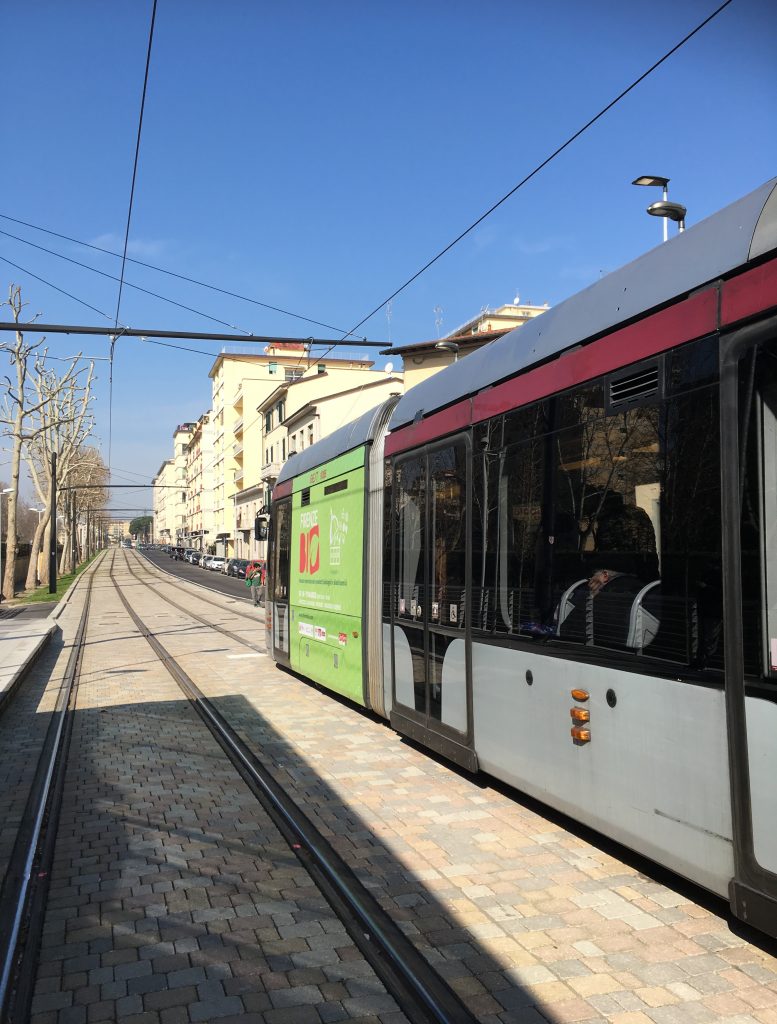
Ponte Della Tramvia is a modern addition to Florence’s network of bridges, designed primarily to support the city’s expanding tram system.
It features sleek, functional construction that contrasts with the historic stone arches of older bridges.
Connecting key neighborhoods on both sides of the Arno, this bridge enhances public transportation accessibility while offering unobstructed views of the river.
Its contemporary design and practical purpose make it a noteworthy part of Florence’s evolving urban landscape, blending modern infrastructure with the city’s timeless scenery.
Alicia Richards