Japan’s bridges are more than just pathways—they’re stunning landmarks that blend history, culture, and engineering marvels.
From ancient wooden arches to sleek modern designs these structures play a vital role in transportation while offering breathtaking views that attract millions of visitors each year.
Exploring Japan’s most famous bridges reveals unique stories and architectural brilliance. Whether it’s the timeless elegance of a 350-year-old wooden bridge or the impressive span of a contemporary suspension bridge these sites showcase the country’s dedication to craftsmanship and innovation.
For travelers and architecture enthusiasts alike these bridges provide unforgettable experiences and scenic journeys across Japan’s diverse landscapes.
1. Kintai Bridge
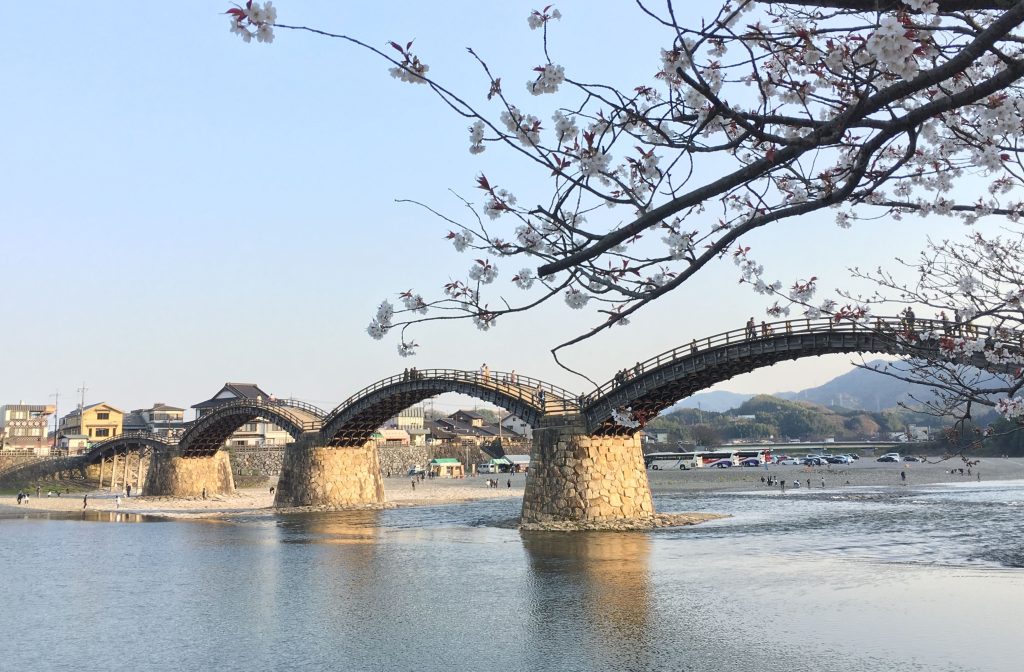
Kintai Bridge spans 210 meters across the Nishiki River in Iwakuni City, Yamaguchi Prefecture. Known for its five elegant wooden arches, it dates back 350 years and is one of Japan’s three most famous bridges.
Built without nails using intricate wood joinery, it showcases exceptional craftsmanship and structural ingenuity.
Surrounded by 3,000 cherry blossoms in spring and foliage in autumn, Kintai Bridge blends beauty with nature’s seasons.
Its historic value and exquisite design make it a must-see icon, currently under consideration for World Heritage status.
2. Akashi-Kaikyo Bridge
The Akashi-Kaikyo Bridge, also known as the Pearl Bridge, is the world’s longest suspension bridge with a main span of 1,991 meters. Connecting Kobe and Awaji Island, it plays a vital role in Japan’s transportation network.
Its engineering marvel withstands typhoons and earthquakes, showcasing advanced seismic design. The bridge illuminates beautifully at night, attracting tourists and photographers alike.
With steel cables spanning arrays of 300,000 wires, the Akashi-Kaikyo Bridge combines strength and elegance, making it an iconic symbol of modern Japanese innovation and infrastructure.
3. Rainbow Bridge
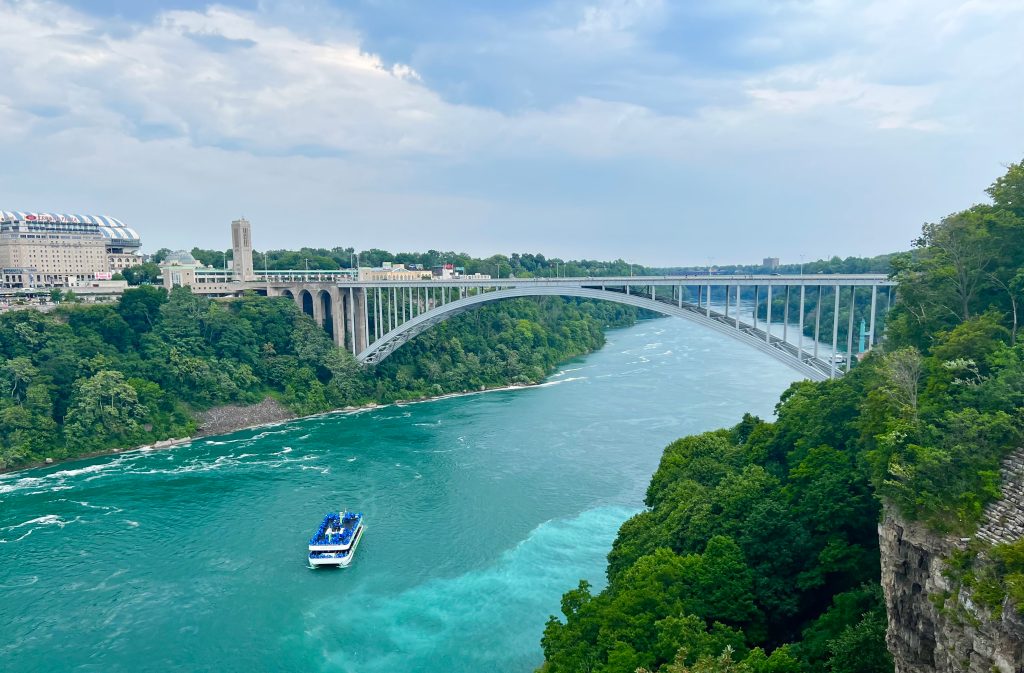
They find the Rainbow Bridge in Tokyo Bay famous for its nighttime illumination. Built in the 1990s, it connects central Tokyo to the artificial island of Odaiba, serving as a major transportation hub.
They enjoy spectacular views of the city skyline while crossing this double-decked suspension bridge.
Its lights change colors, creating a rainbow effect that attracts millions of tourists and photographers yearly. The bridge’s blend of functionality and beauty makes it a must-see modern icon in Japan.
4. Megane Bridge
Megane Bridge, located in Nagasaki, stands out for its distinctive double-arched design that resembles a pair of spectacles—hence its name, “Megane,” meaning glasses.
Constructed in 1634, it is Japan’s oldest stone arch bridge and offers stunning reflections in the Nakashima River, creating perfect circular shapes.
Designated as an Important Cultural Property, the bridge combines historical significance with elegant architecture. Visitors admire not just its beauty but also its role in connecting communities and preserving Nagasaki’s rich heritage.
5. Kazura bridge at the Iya Valley
The Kazura Bridge in Tokushima’s Iya Valley stretches 45 meters and hangs over deep, lush canyons.
Built from intertwined vines connected to sturdy cedar trees, it creates an authentic, wild atmosphere reminiscent of Tarzan’s jungle adventures.
Modern steel cables reinforce it for safety, but the bridge still sways and creaks with every step. Visitors must stay alert as they cross, enjoying thrilling views of the rugged valley below.
This unique suspension bridge blends natural materials with human ingenuity, making it a must-see for adventurers and nature lovers.
6. Ikitsuki Bridge
Stretching 570 meters, Ikitsuki Bridge connects Ikitsuki Island to Hirado Island in Nagasaki Prefecture. Completed in 1991, it’s Japan’s longest continuous truss bridge.
The steel structure supports vital local transport and offers stunning coastal views. Engineering-wise, its design resists strong sea winds and earthquakes, showcasing Japan’s advanced construction techniques.
Visitors appreciate the bridge not only for its function but also as a scenic landmark linking cultural heritage and natural beauty on both islands.
7. Mishima Skywalk
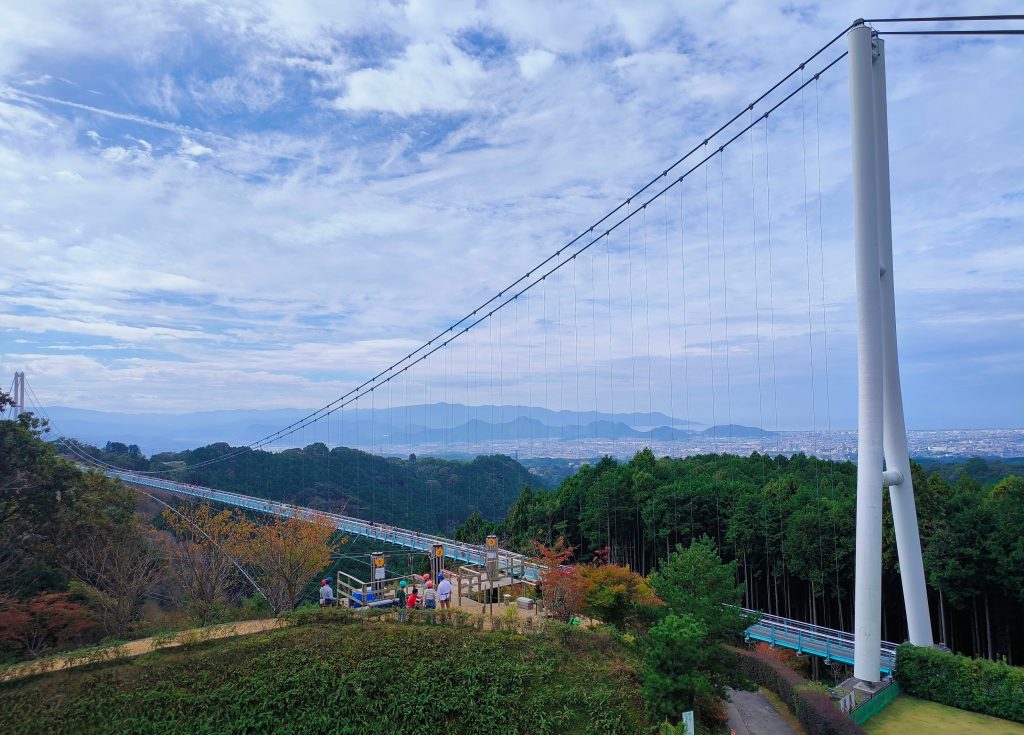
Standing 400 meters long, Mishima Skywalk is Japan’s longest pedestrian suspension bridge. It spans Suruga Bay, offering panoramic views of Mount Fuji and the surrounding hills.
Visitors pay a 1,000 yen fee to cross, enjoying a unique blend of natural beauty and engineering. Nearby hiking trails pass historic sites like Yamanaka Castle and the Tokaido Road’s Amazake Tea House.
Suspended 70 meters above the ground, the bridge delivers breathtaking vistas and memorable outdoor experiences combining adventure and culture.
8. Eshima Ohashi Bridge
Eshima Ohashi Bridge connects Matsue and Sakaiminato over the Nakaumi Lake. It’s Japan’s largest rigid-frame bridge, stretching 1,700 meters long with a steep gradient that creates dramatic views.
Known for its roller coaster-like slope, the bridge was built to allow ships to pass underneath easily without disrupting road traffic.
Eshima Ohashi’s unique design attracts photographers and tourists worldwide, making it a standout landmark blending bold engineering with functional utility.
9. Tokyo Gate Bridge
Tokyo Gate Bridge spans Tokyo Bay with a striking truss design earning it the nickname “Dinosaur Bridge.” Opened in 2012, it connects the mainland to reclaimed land used for port facilities.
The bridge stretches 2,618 meters and supports heavy truck traffic vital for industry. Visitors admire panoramic views of the bay and the Tokyo skyline.
Its unique shape minimizes interference with nearby air traffic at Haneda Airport, showcasing innovative urban engineering. The bridge is a modern landmark blending utility and aesthetic appeal in Japan’s capital region.
10. Tatara Bridge
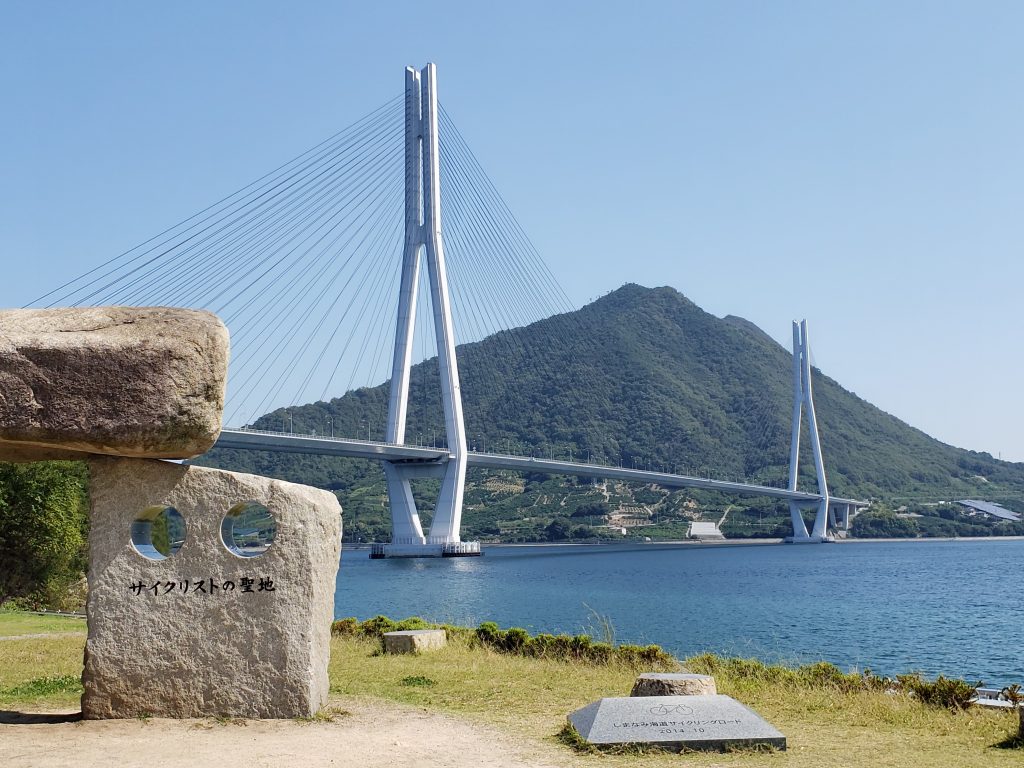
Tatara Bridge ranks as one of Japan’s longest cable-stayed bridges, stretching 1,480 meters across the Seto Inland Sea. Completed in 1999, it connects the islands of Honshu and Shikoku as part of the Nishiseto Expressway.
The bridge’s elegant design features steel cables arranged in a fan shape, offering both strength and aesthetic appeal.
Known for its seismic resilience, Tatara Bridge showcases Japan’s advanced engineering and commitment to safe, efficient transportation. Visitors enjoy panoramic sea views and the seamless blend of functionality and beauty.
Alicia Richards