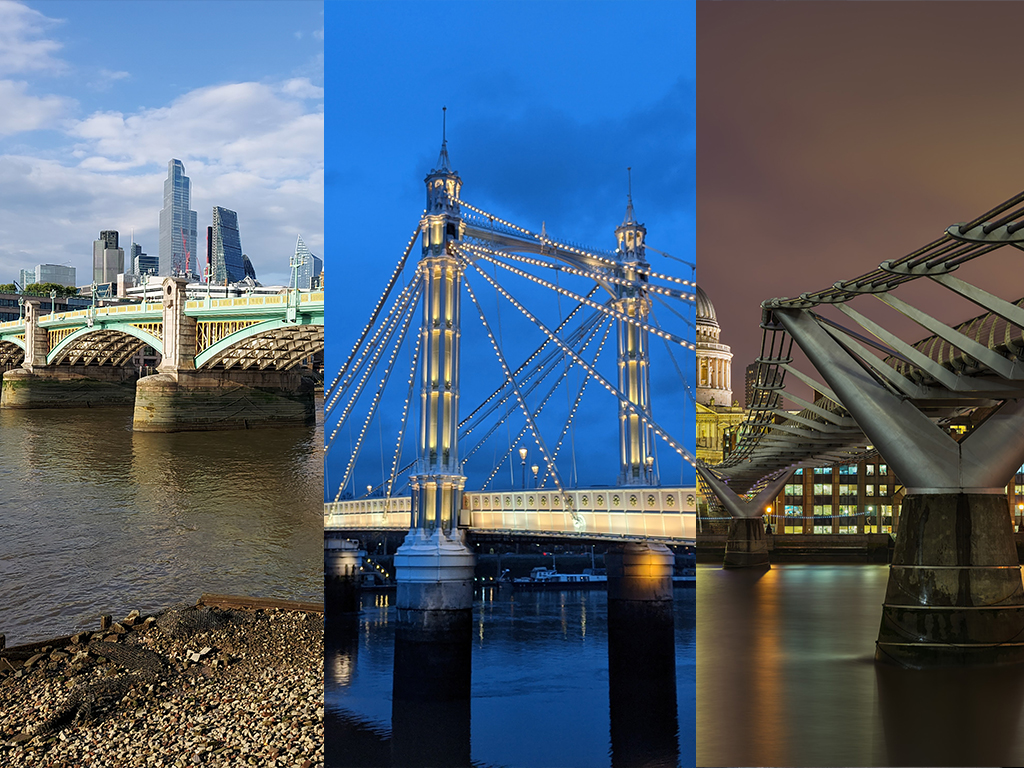
London’s skyline is defined not just by its historic buildings but also by its iconic bridges spanning the River Thames.
These structures are more than mere crossings—they’re landmarks rich with history, architectural beauty, and cultural significance.
From the grand Victorian elegance of Tower Bridge to the sleek modernity of the Millennium Bridge, each tells a unique story.
With over 30 bridges connecting the city from east to west, some stand out for their design, views, or historical importance.
Whether it’s the picturesque Albert Bridge or the bustling Westminster Bridge offering stunning cityscapes, London’s bridges attract millions of visitors and locals alike.
1. Tower Bridge
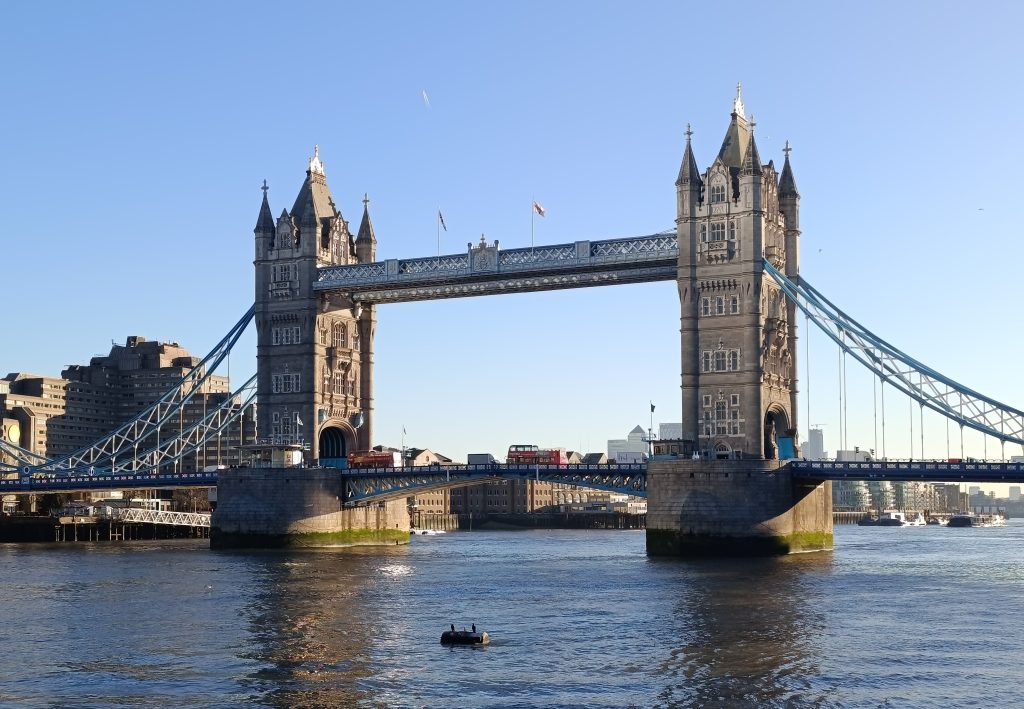
Built between 1886 and 1894, Tower Bridge is London’s most iconic crossing over the River Thames.
Its two 65-meter-tall towers, connected by a high-level pedestrian walkway and supported by suspension bridges, create a striking Neo-Gothic silhouette.
At 244 meters long, Tower Bridge opens its central section to allow ships to pass, attracting millions of visitors annually.
The bridge’s use of Cornish granite and Portland stone emphasizes its Victorian grandeur. Today, it remains a functional road bridge and a celebrated symbol of London’s historic and architectural heritage.
2. London Bridge
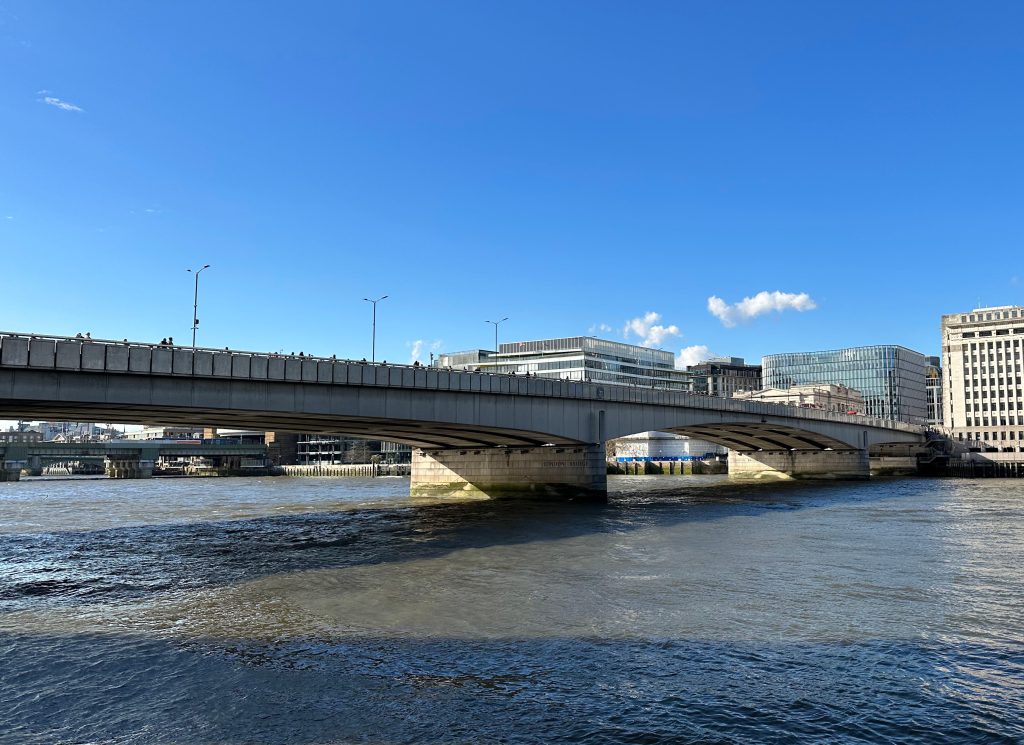
London Bridge, a vital Thames crossing with roots dating back to Roman times, stands as a symbol of London’s evolving infrastructure.
The current concrete and steel structure, opened in 1973, replaced various historic incarnations, including the medieval stone bridge once crowded with houses.
Unlike Tower Bridge, its neighbor, London Bridge focuses on functionality and traffic flow rather than elaborate design.
It links the City of London with Southwark, providing easy access to nearby attractions like Borough Market and the Shard.
This practical crossing serves thousands of commuters daily, showcasing London’s blend of history and modernity.
3. Millennium Bridge
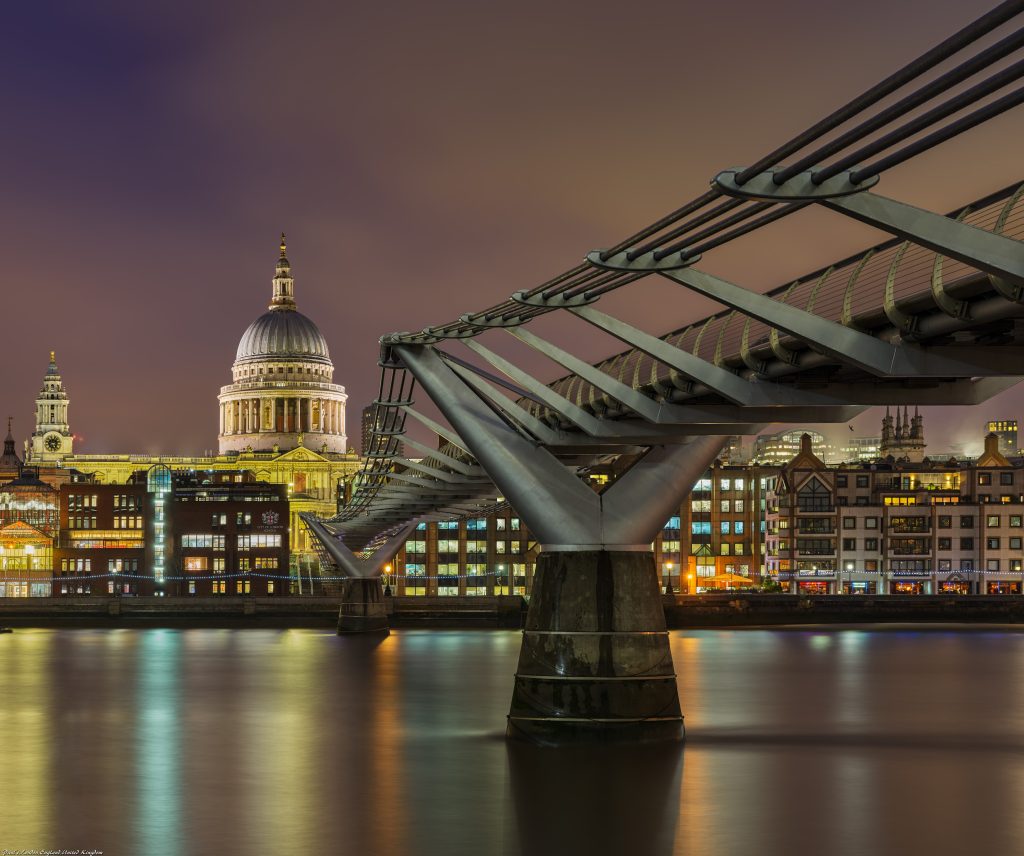
Opened in 2000, the Millennium Bridge is London’s first new pedestrian bridge over the Thames in more than a century.
Linking St Paul’s Cathedral with the Tate Modern, this sleek steel suspension bridge quickly became famous as the “Wobbly Bridge” due to an unexpected side-to-side sway when crowded. Engineers resolved this with added dampers, and it reopened wobble-free in 2002.
Today, the Millennium Bridge provides stunning views and a vital cultural link between the historic City of London and the Southbank arts scene.
4. Westminster Bridge
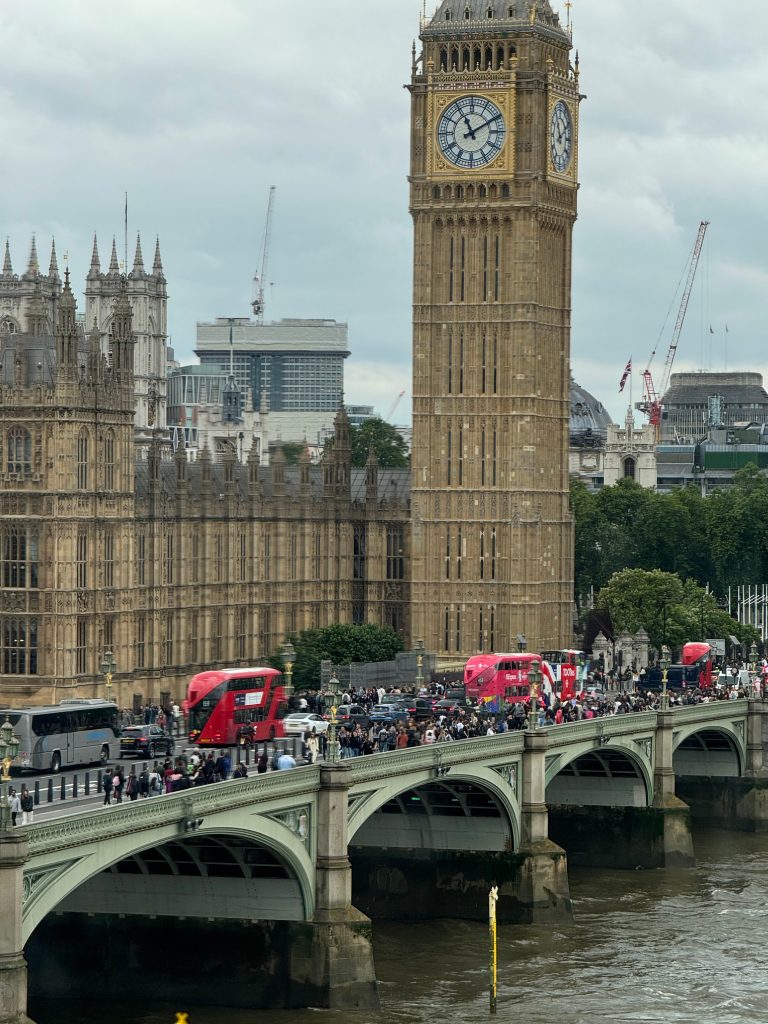
Standing out with its striking green color, Westminster Bridge spans the River Thames near the Houses of Parliament. Opened in 1862, it features gothic-style ironwork complementing the nearby Palace of Westminster.
The bridge offers spectacular views of Big Ben, the London Eye, and the South Bank. Pedestrians and vehicles cross this seven-arch bridge daily, making it one of London’s busiest.
Its proximity to iconic attractions and excellent photo opportunities, especially at sunset, make Westminster Bridge a must-visit landmark for both tourists and locals.
5. Blackfriars Bridge
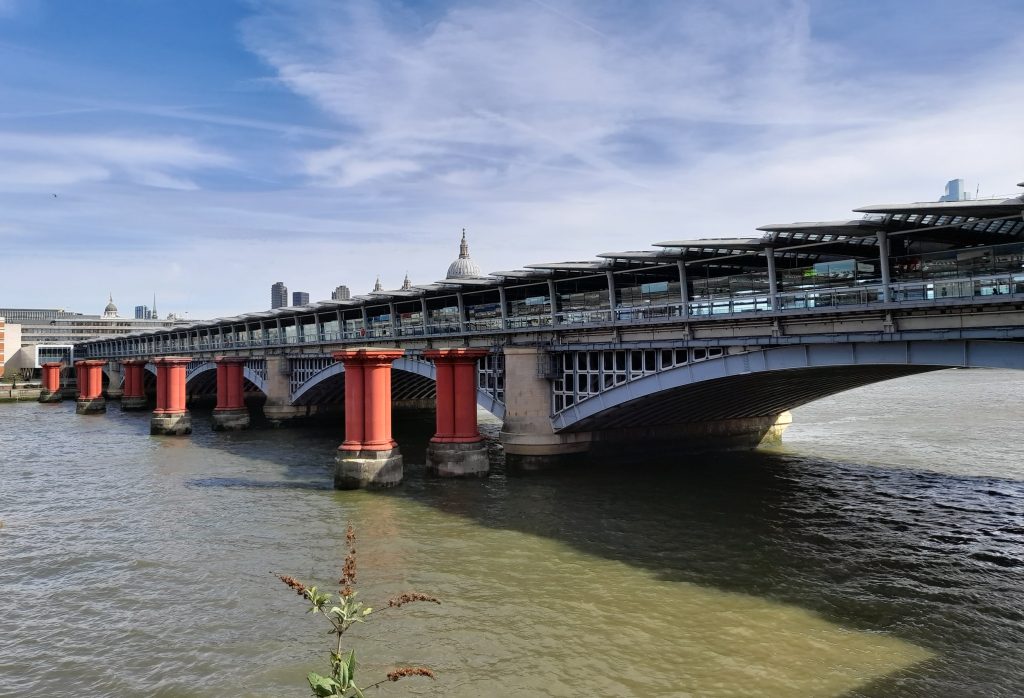
Blackfriars Bridge, opened in 1869, connects the City of London with Southwark. This elegant nine-arch stone bridge stretches 923 feet (281 meters) over the Thames.
It features distinctive red ironwork, reflecting the City’s colors. The nearby Blackfriars Railway Bridge is known for its solar panel roof, making it one of the world’s largest solar bridges.
Pedestrians enjoy impressive views of St. Paul’s Cathedral and the Tate Modern from this busy crossing that balances historic charm with modern sustainability.
6. Southwark Bridge
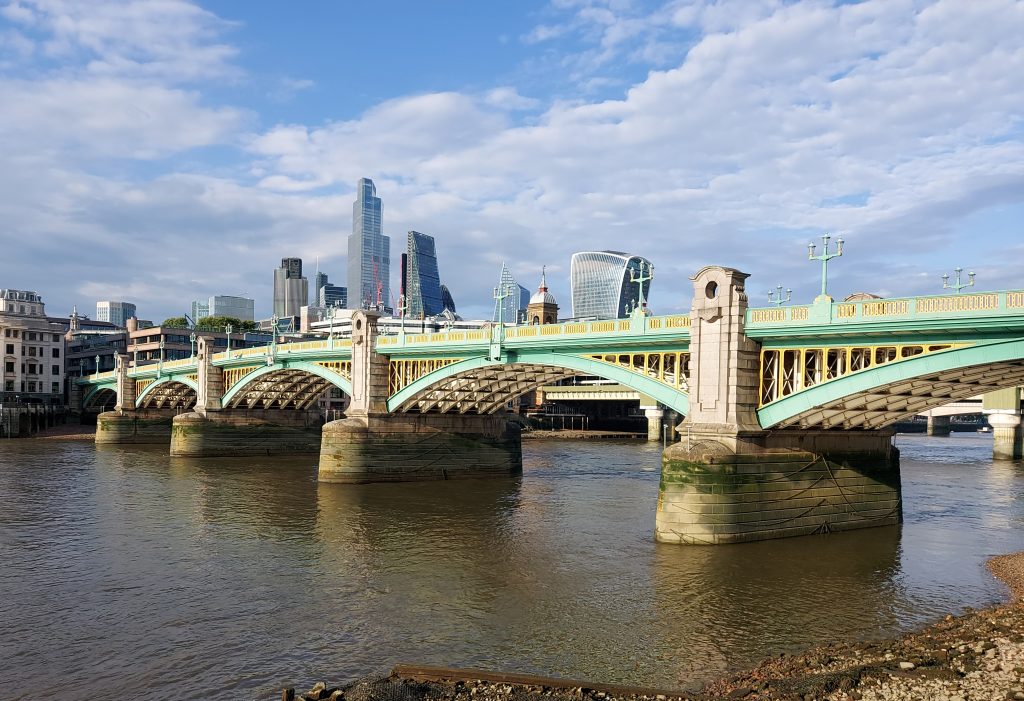
Southwark Bridge, a steel arch crossing opened in 1921, links the City of London with the Southwark area. Known for its green color, it offers quieter pedestrian access compared to nearby London and Millennium Bridges.
Spanning 800 feet, Southwark Bridge features elegant curved arches and provides scenic views of landmarks like the Tate Modern and Shakespeare’s Globe Theatre.
Easily accessible by public transport, it connects areas rich in culture and history, making it a favored route for both commuters and visitors seeking a more peaceful Thames crossing.
7. Waterloo Bridge
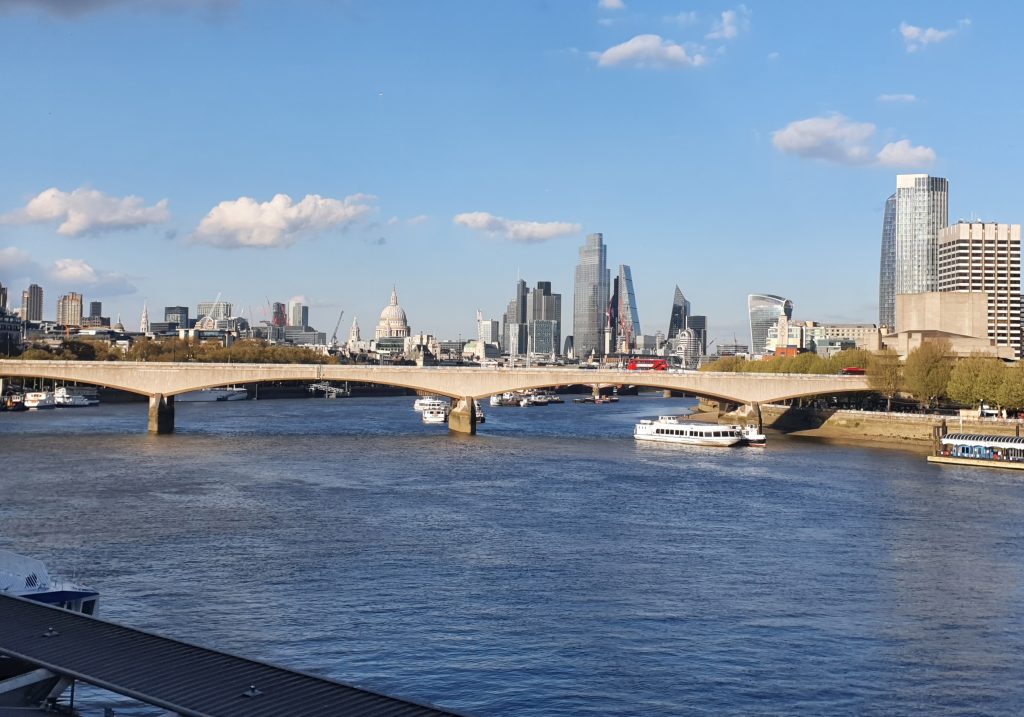
Waterloo Bridge spans the River Thames between the South Bank and the City of Westminster. Known for its elegant concrete arches, it offers some of the best panoramic views of London’s skyline, including landmarks like the London Eye and St. Paul’s Cathedral.
Completed in 1945, this bridge replaced an earlier 19th-century structure and is often called the “Ladies’ Bridge” because many of its builders were women during World War II.
It’s a vital pedestrian and vehicle crossing, celebrated for both its architectural simplicity and its stunning city vistas.
8. Albert Bridge
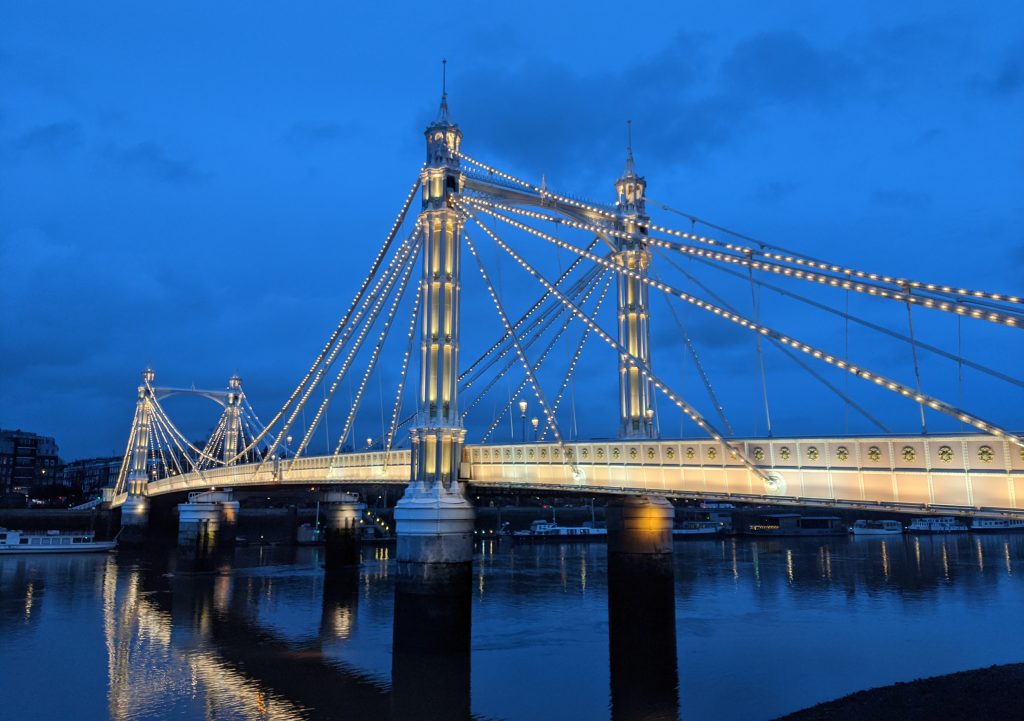
Albert Bridge stands out as one of London’s most beautiful structures. Built in 1873, this delicate suspension bridge combines elements of a cable-stayed and suspension design.
Its pastel colors and intricate detailing give it a fairy-tale charm, especially when illuminated at night. Spanning the River Thames between Chelsea and Battersea, Albert Bridge offers serene views and a quieter crossing compared to busier bridges.
Its unique design and scenic backdrop make it a favorite for photographers and walkers seeking to experience a lesser-known yet iconic London bridge.
9. Richmond Bridge, London
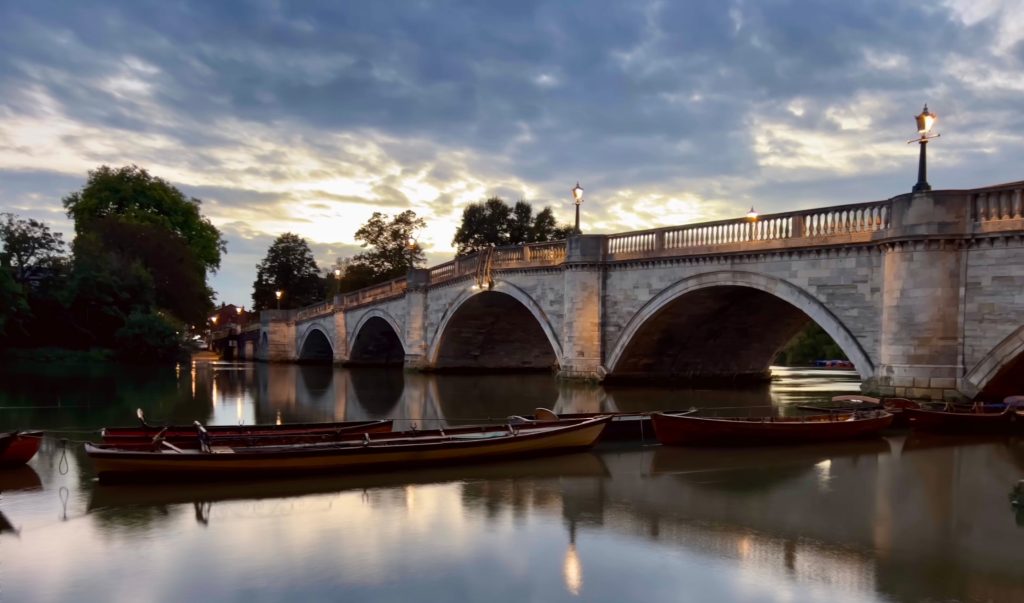
Richmond Bridge, opened in 1777, is London’s oldest surviving toll-free bridge spanning the River Thames. Nestled in the scenic borough of Richmond upon Thames, it offers stunning views of the river and surrounding greenery.
Known for its elegant stone arches, this bridge is a favorite among locals and visitors alike. Richmond itself is famed for its celebrity residents and consistently ranks as London’s happiest borough.
The bridge connects key areas, making it easily accessible via nearby Richmond Station and local bus routes, perfect for peaceful walks or sightseeing.
10. Chelsea Bridge
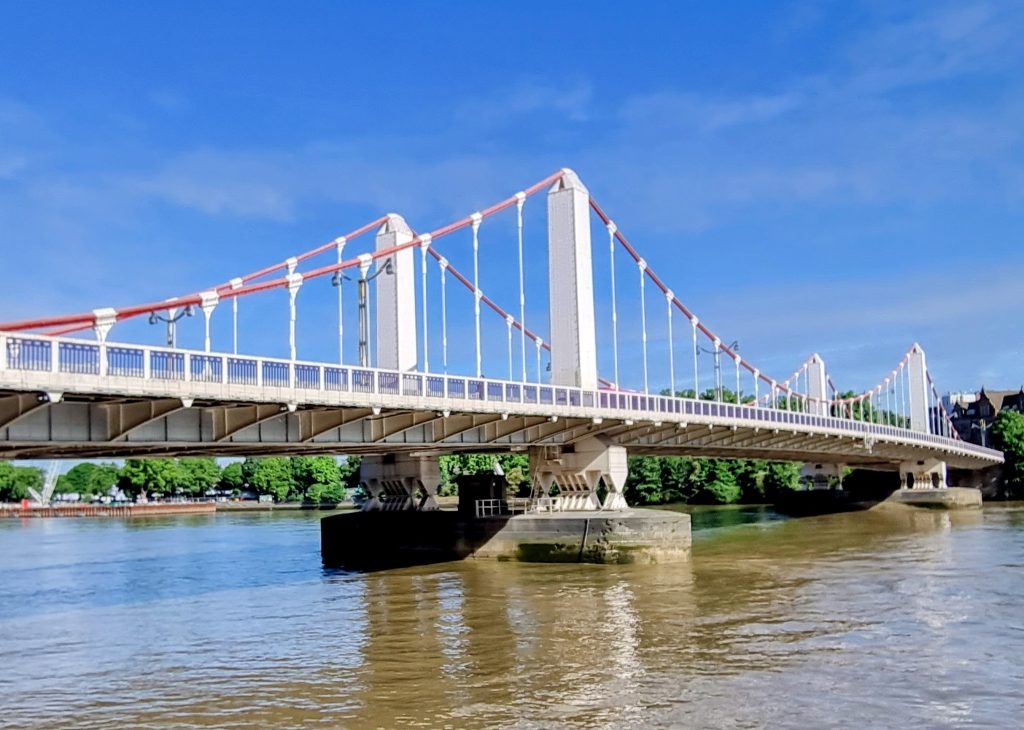
Chelsea Bridge, opened in 1937, is a striking road and footbridge connecting Chelsea to Battersea. Its elegant steel arch design replaced an earlier suspension bridge from 1858.
Often admired for its distinctive green and white color scheme, Chelsea Bridge offers scenic views of Battersea Park and the London skyline.
The bridge is well served by nearby Sloane Square and Battersea Park stations. Its location near cultural attractions like the Royal Hospital Chelsea makes it a practical yet picturesque crossing over the Thames.
Alicia Richards