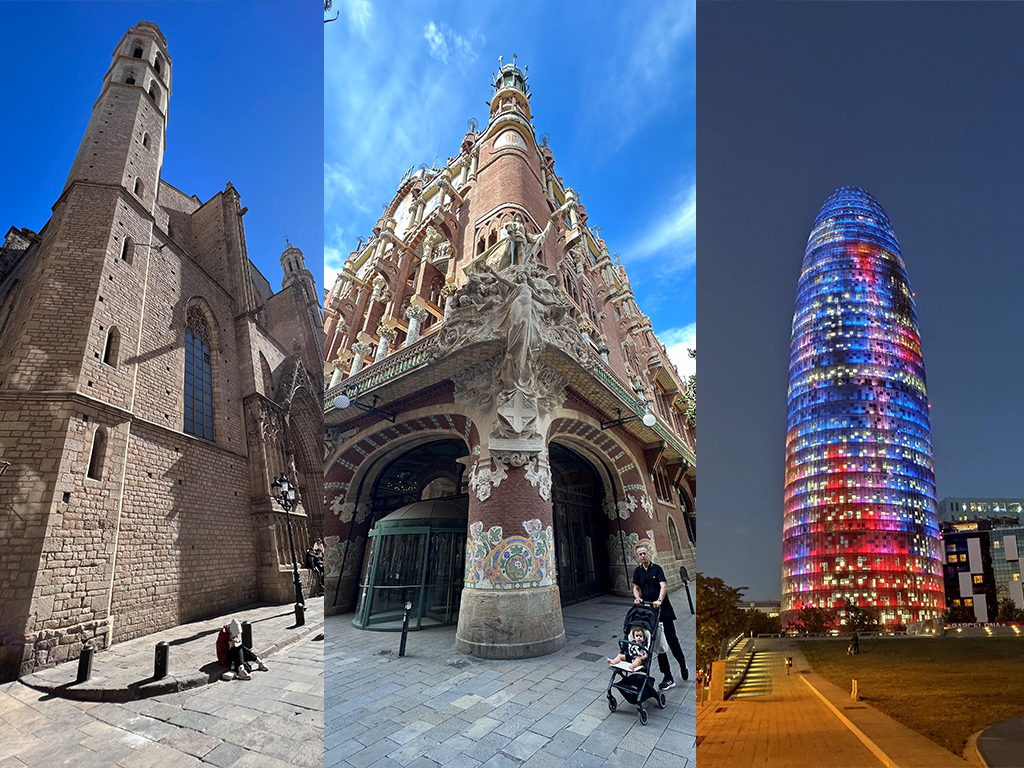
Barcelona stands as a showcase of architectural brilliance blending centuries of history with groundbreaking modern design.
From the soaring spires of Gothic cathedrals to the whimsical curves of Art Nouveau masterpieces the city’s skyline tells a story of creativity and cultural richness.
This article highlights ten of Barcelona’s most famous buildings each a symbol of the city’s unique heritage.
Visitors and architecture enthusiasts alike will find inspiration in landmarks that range from medieval marvels to contemporary icons.
Whether wandering through the Gothic Quarter or admiring the works of Antoni Gaudí the city’s architectural gems offer an unforgettable experience.
1. Casa Milà
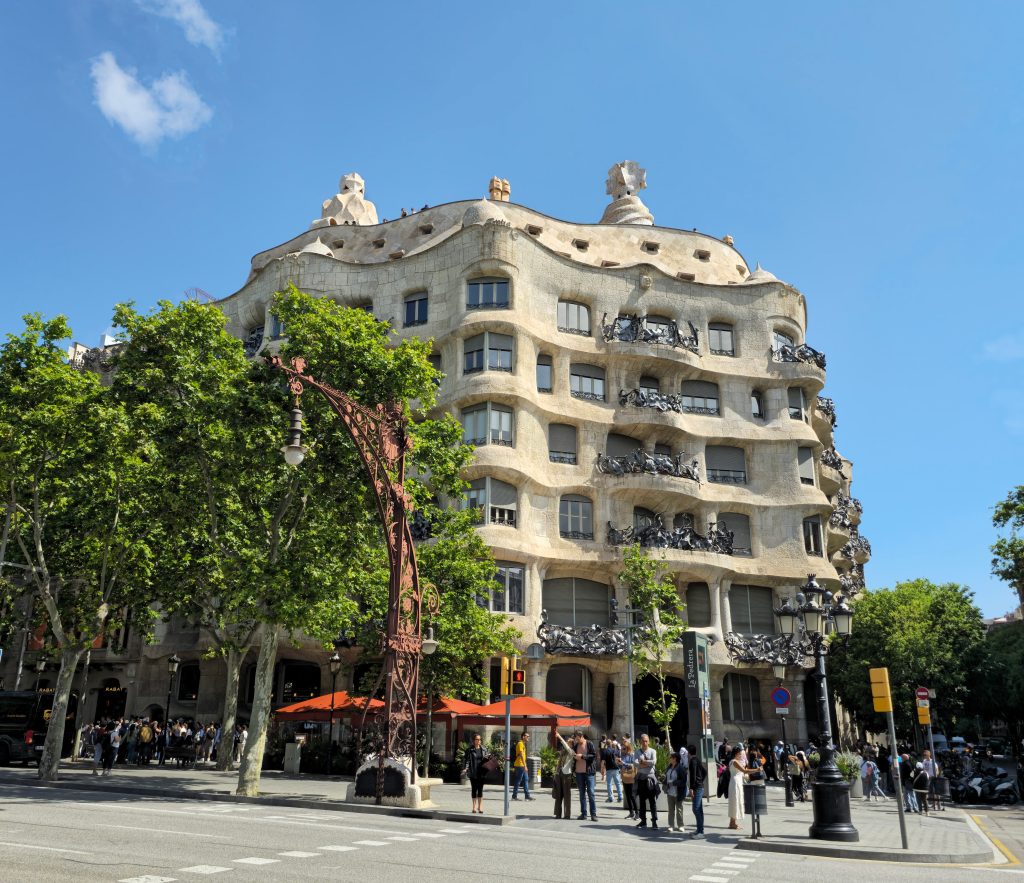
Casa Milà, also known as La Pedrera, stands out for its innovative design and sculptural form. Antoni Gaudí designed this masterpiece between 1906 and 1912, breaking traditional architectural norms with undulating stone facades and wrought-iron balconies.
Its rooftop terrace features surreal chimneys that appear like modern sculptures. The building’s functionality combined with its artistic vision makes Casa Milà a key example of Catalan Modernism, attracting millions who marvel at its unique aesthetics and structural daring.
2. Sagrada Familia
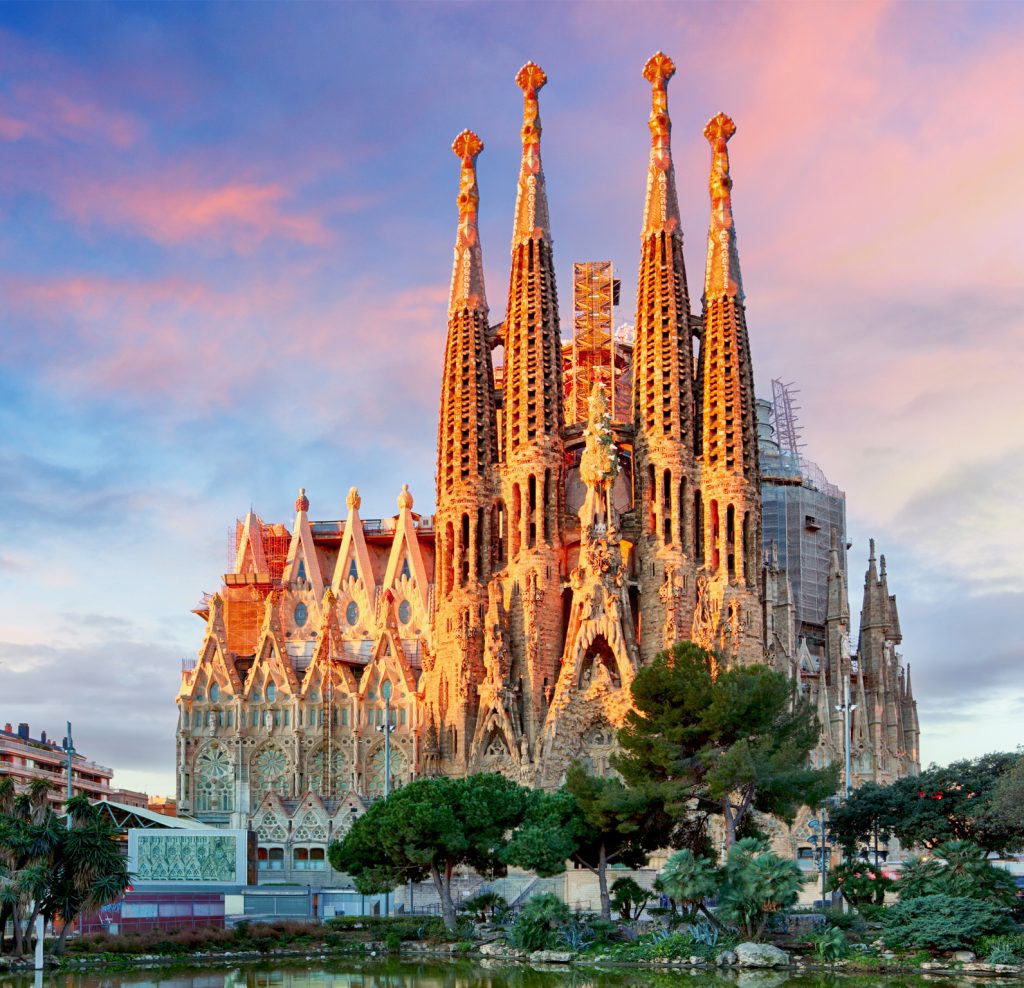
Standing as Barcelona’s most iconic landmark, the Sagrada Familia draws over 5 million visitors annually.
Antoni Gaudí’s unfinished basilica combines Gothic and Art Nouveau styles, showcasing intricate facades and towering spires.
Its organic shapes and religious symbolism reflect Gaudí’s visionary approach. The basilica remains under construction, planned to be completed with modern techniques while preserving Gaudí’s original vision.
Booking guided tours offers skip-the-line access, enriching visits with detailed insights into its architectural and symbolic masterpieces.
3. Casa Batlló
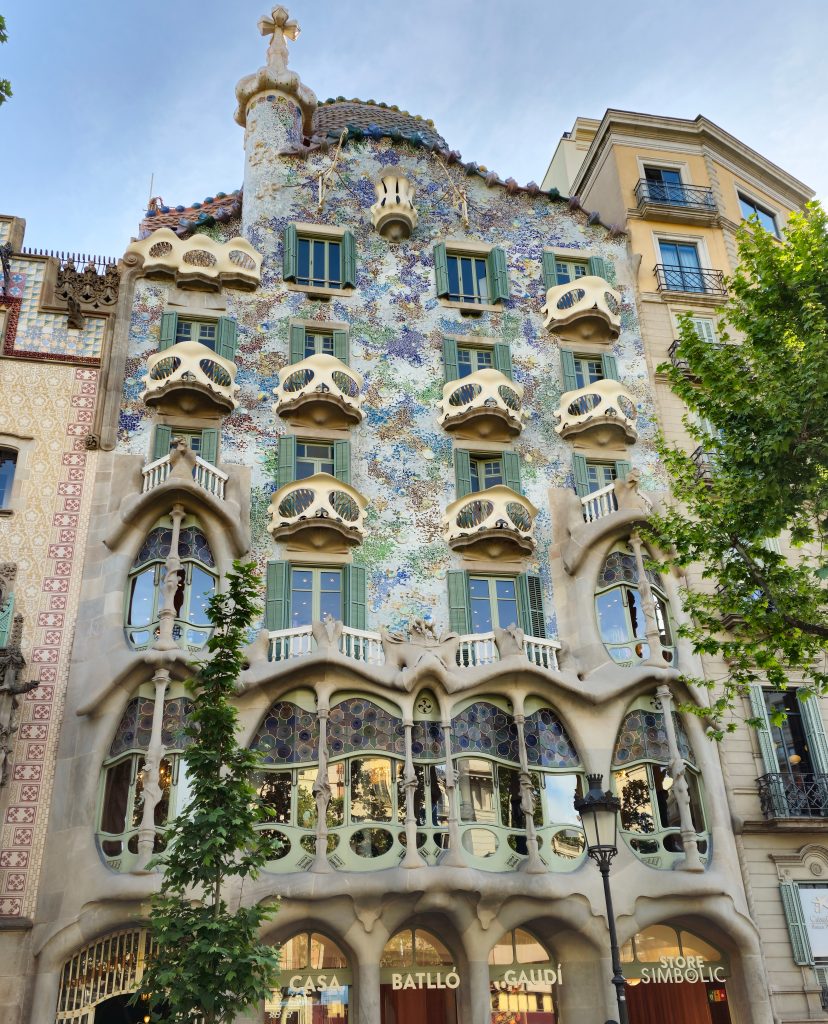
Casa Batlló stands as one of Antoni Gaudí’s most imaginative works, located on the iconic Passeig de Gràcia.
Its facade features flowing organic shapes, mosaic tiles, and bone-like balconies that embody Catalan Modernism.
The building’s interior dazzles with natural light, curved walls, and intricate craftsmanship, reflecting Gaudí’s fascination with nature.
Recognized as a UNESCO World Heritage Site, Casa Batlló invites visitors to explore a dreamlike space where architecture and art blend seamlessly. It remains a must-see landmark, showcasing Gaudí’s signature style and innovative design.
4. Palau Güell
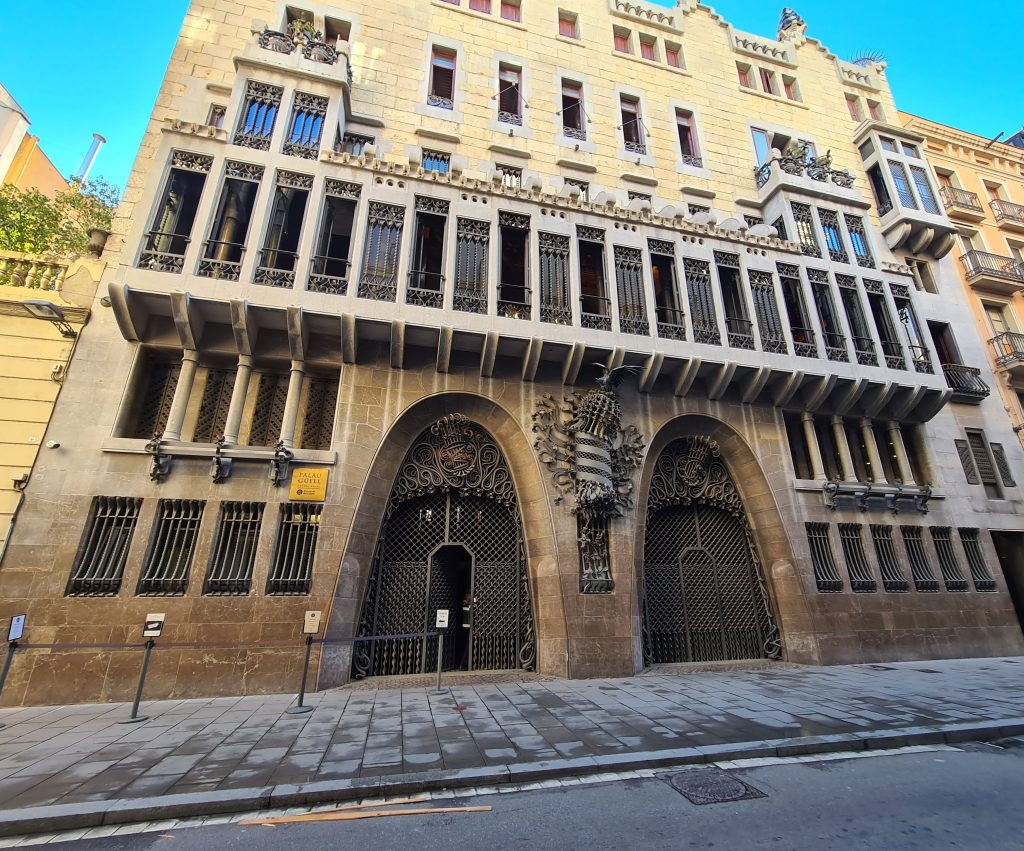
Palau Güell, designed by Antoni Gaudí in the late 19th century, exemplifies early Modernisme with its elegant fusion of luxury and innovation.
Located near La Rambla, this mansion features wrought-iron gates, parabolic arches, and a stunning rooftop adorned with colorful chimneys.
The interior showcases intricate woodwork, stained glass, and novel spatial layouts that emphasize light and ventilation.
Recognized as a UNESCO World Heritage Site, Palau Güell highlights Gaudí’s talent for blending functionality with artistic expression, making it a must-visit architectural gem in Barcelona.
5. Casa Vicens Gaudí

Casa Vicens, Antoni Gaudí’s first major commission, showcases his early Modernisme style. Completed in 1888 in Barcelona’s Gràcia neighborhood, it features intricate tilework and a colorful façade inspired by Moorish and Oriental influences.
The building combines mosaics, organic shapes, and natural motifs, establishing Gaudí’s recognizable artistic language.
As a UNESCO World Heritage Site, Casa Vicens offers insight into Gaudí’s evolving creativity, marking the beginning of his transformative impact on Barcelona’s architectural landscape.
6. Palau de la Música Catalana
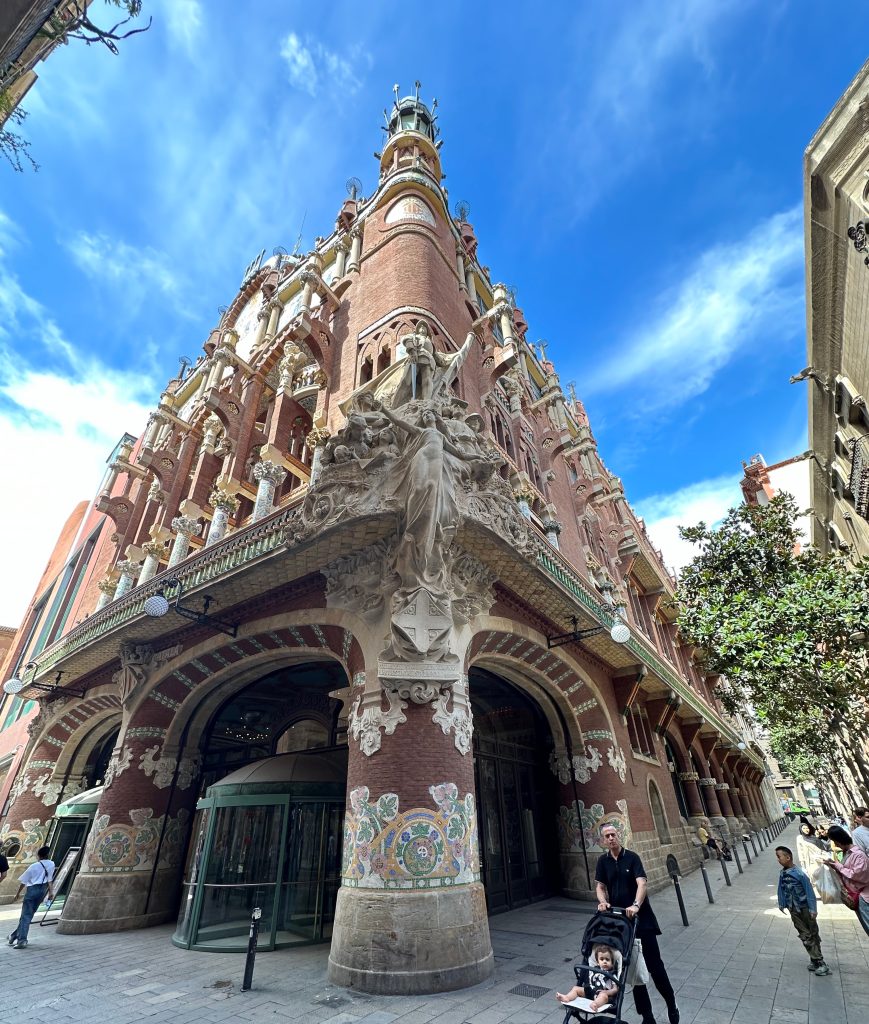
Designed by Lluís Domènech i Montaner, the Palau de la Música Catalana is a stellar example of Catalan Modernism.
This UNESCO World Heritage Site is famed for its stunning facade and a breathtaking auditorium illuminated entirely by natural light through stained glass arches.
The central ticket box at the entrance’s main pillar stands out as a unique feature. Known for its performances and architectural beauty, the building embodies Barcelona’s cultural and artistic spirit perfectly. Visitors can’t miss this masterpiece when exploring the city’s architectural gems.
7. Torre Glòries
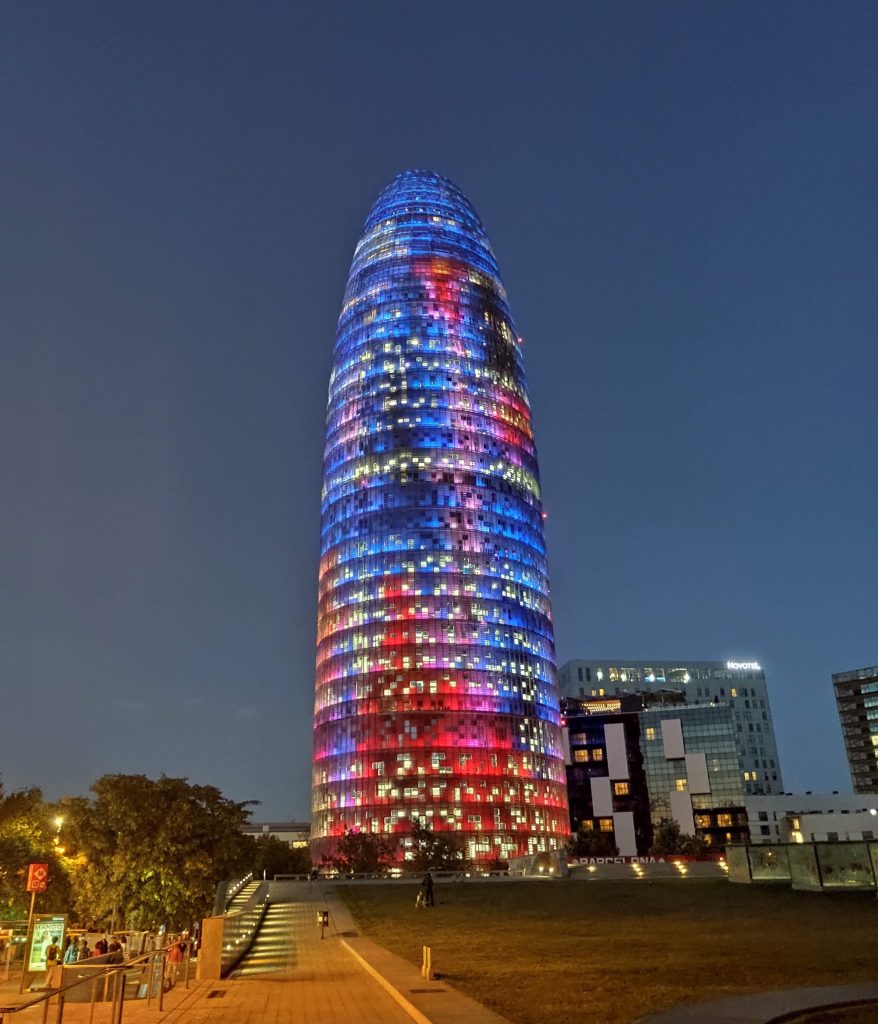
Torre Glòries, formerly Torre Agbar, stands as a modern icon in Barcelona’s Poblenou district. Designed by Jean Nouvel and completed in 2005, this skyscraper features a cylindrical glass facade illuminated by thousands of colorful LED lights at night.
Inspired by natural elements like Montjuïc hill, its design symbolizes Barcelona’s innovative spirit. Torre Glòries houses offices, conference spaces, and a shopping center, praised for its energy-efficient, sustainable design, making it a standout example of contemporary architecture in the city’s skyline.
8. Casa Amatller

Casa Amatller, designed by Josep Puig i Cadafalch in 1900, stands proudly on Passeig de Gràcia. This striking building blends Gothic and Art Nouveau styles, showcasing Catalan Modernism’s ornamental charm.
Commissioned by chocolate maker Antoni Amatller, its unique facade features intricate sculptures, colorful ceramic tiles, and pointed gables.
Now a museum, Casa Amatller offers visitors an immersive experience of early 20th-century design and craftsmanship, reflecting Barcelona’s artistic heritage and architectural innovation.
9. Monasterio de Pedralbes

Situated in the affluent Pedralbes neighborhood, the Monasterio de Pedralbes is a stunning example of Catalan Gothic architecture.
Founded in 1326, this former royal convent blends serene cloisters, a Gothic church, and a museum showcasing religious art.
Visitors appreciate its peaceful gardens, detailed frescoes, and medieval craftsmanship. The monastery offers a unique glimpse into Barcelona’s spiritual and architectural history, standing as a tranquil retreat amid the bustling city.
It remains a cherished cultural and historic landmark, preserving centuries of monastic life and artistic heritage.
10. Santa Maria del Mar, Barcelona
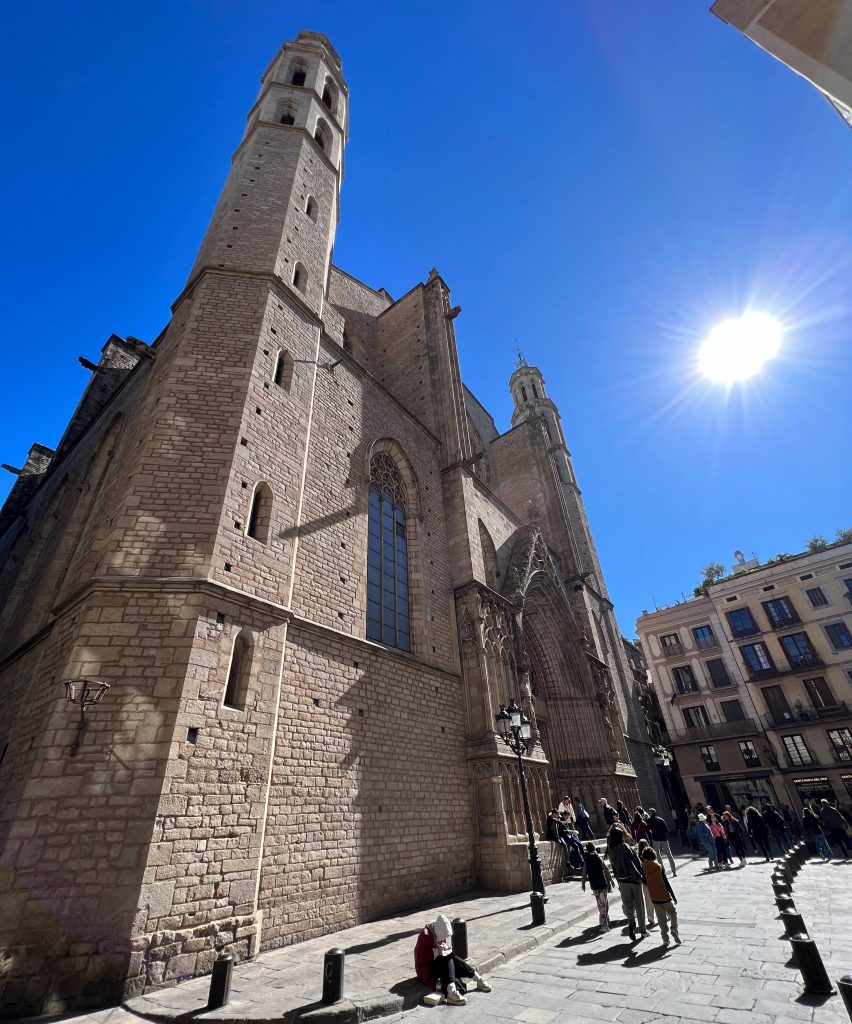
Santa Maria del Mar stands as a pure Gothic masterpiece, built within just 55 years, ensuring architectural unity.
Known as the “Cathedral of the Sea,” its soaring arches, slender columns, and stained-glass windows create a breathtaking interior.
The church highlights medieval craftsmanship and Catalonia’s rich religious heritage. Located in the Ribera district, it invites visitors to explore its serene atmosphere and historical significance, making it a must-visit landmark in Barcelona’s Gothic skyline.
Alicia Richards