France stands as a beacon of architectural brilliance blending centuries of history with artistic innovation. Its buildings tell stories of royal grandeur medieval strength and modern creativity.
From the soaring spires of cathedrals to cutting-edge contemporary designs these structures embody the nation’s rich cultural heritage.
Each landmark captures unique aspects of French identity attracting millions of visitors eager to witness their beauty and significance.
Whether it’s the iconic silhouette of the Eiffel Tower or the striking lines of the Pompidou Center these buildings define France’s skyline and spirit.
Discovering these architectural masterpieces reveals why France remains a top destination for lovers of history art and design. This guide highlights the must-see buildings that continue to inspire and captivate people worldwide.
1. Eiffel Tower
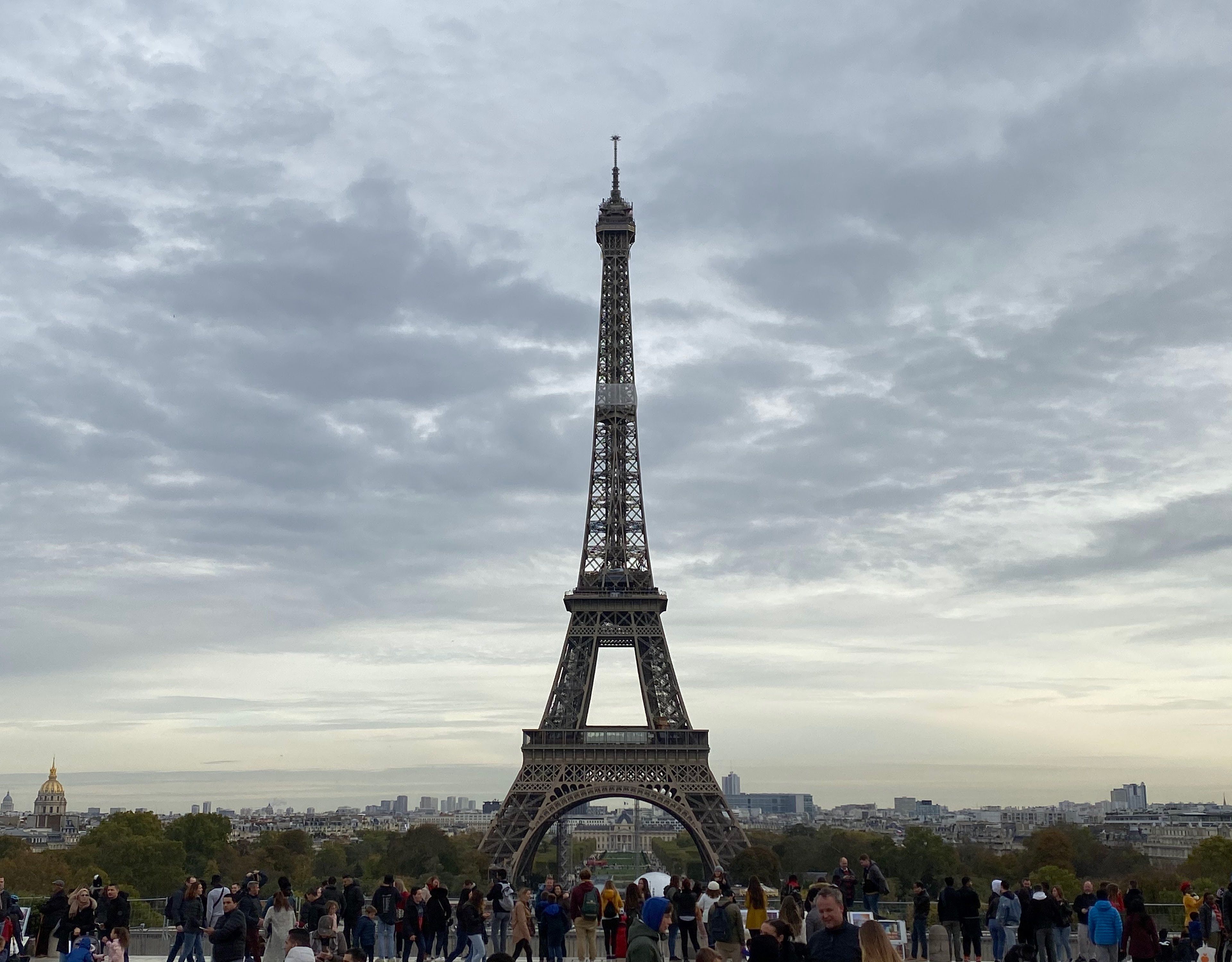
The Eiffel Tower stands as France’s most iconic building, symbolizing Paris and French innovation. Designed by Gustave Eiffel for the 1889 World’s Fair, it reaches 330 meters, making it Paris’s tallest structure.
Visitors can climb or take elevators to three observation levels for panoramic city views. The tower attracts over 6 million visitors annually, reflecting its enduring appeal.
Its iron lattice design was revolutionary, highlighting 19th-century engineering brilliance. As a UNESCO World Heritage Site since 1991, the Eiffel Tower continues to inspire with its blend of artistry and function.
2. Louvre Museum
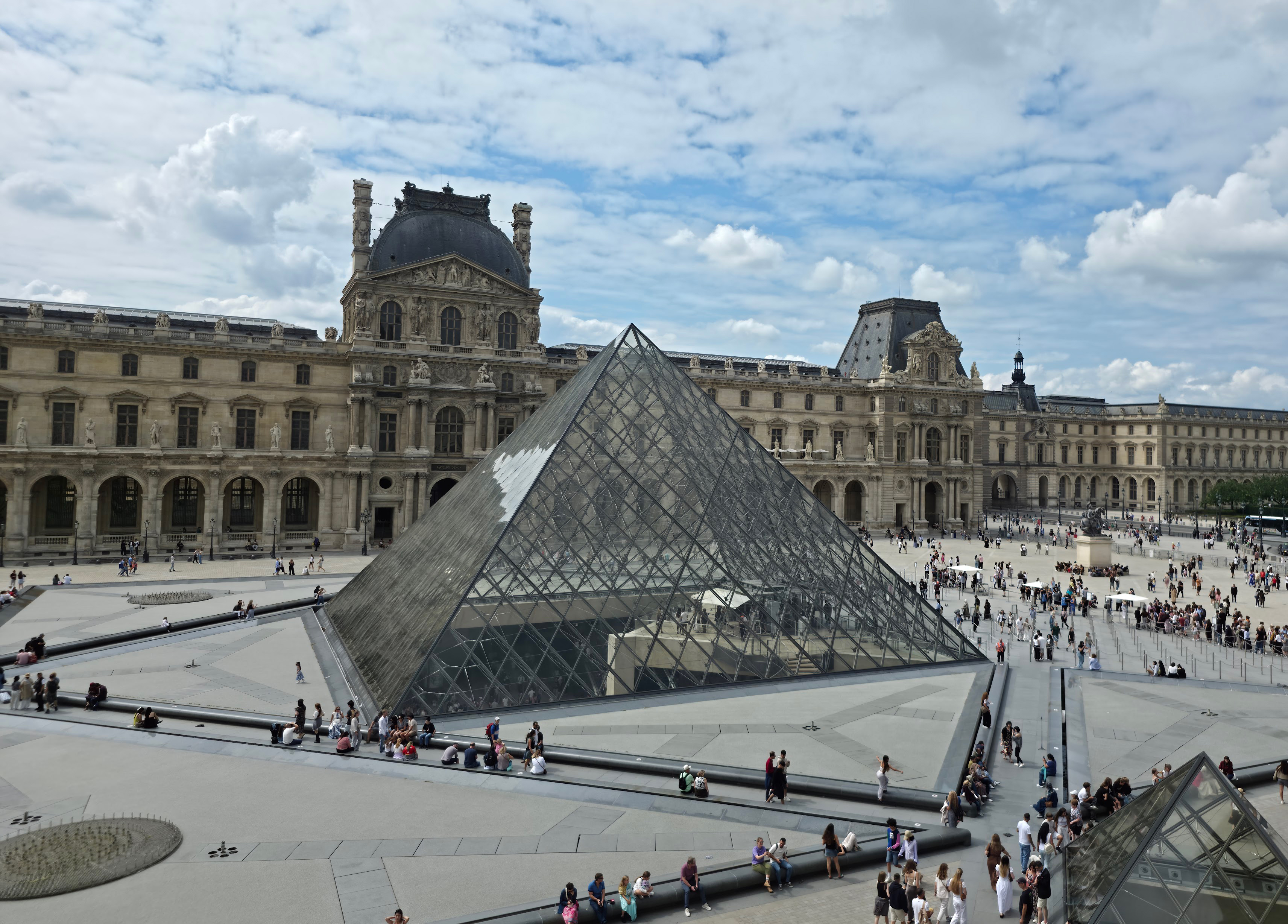
The Louvre Museum stands as the world’s most visited art museum, attracting millions annually. Originally a 12th-century fortress, it evolved into a royal palace before opening as a public museum in 1793.
It houses over 38,000 objects spanning prehistory to the 21st century, including the Mona Lisa and the Venus de Milo. The glass pyramid entrance, designed by I.M. Pei, contrasts modernity with classical architecture.
Visitors can explore diverse collections such as French sculptures, Egyptian artifacts, and Islamic art, making it a cultural treasure in the heart of Paris.
3. Notre Dame de Paris
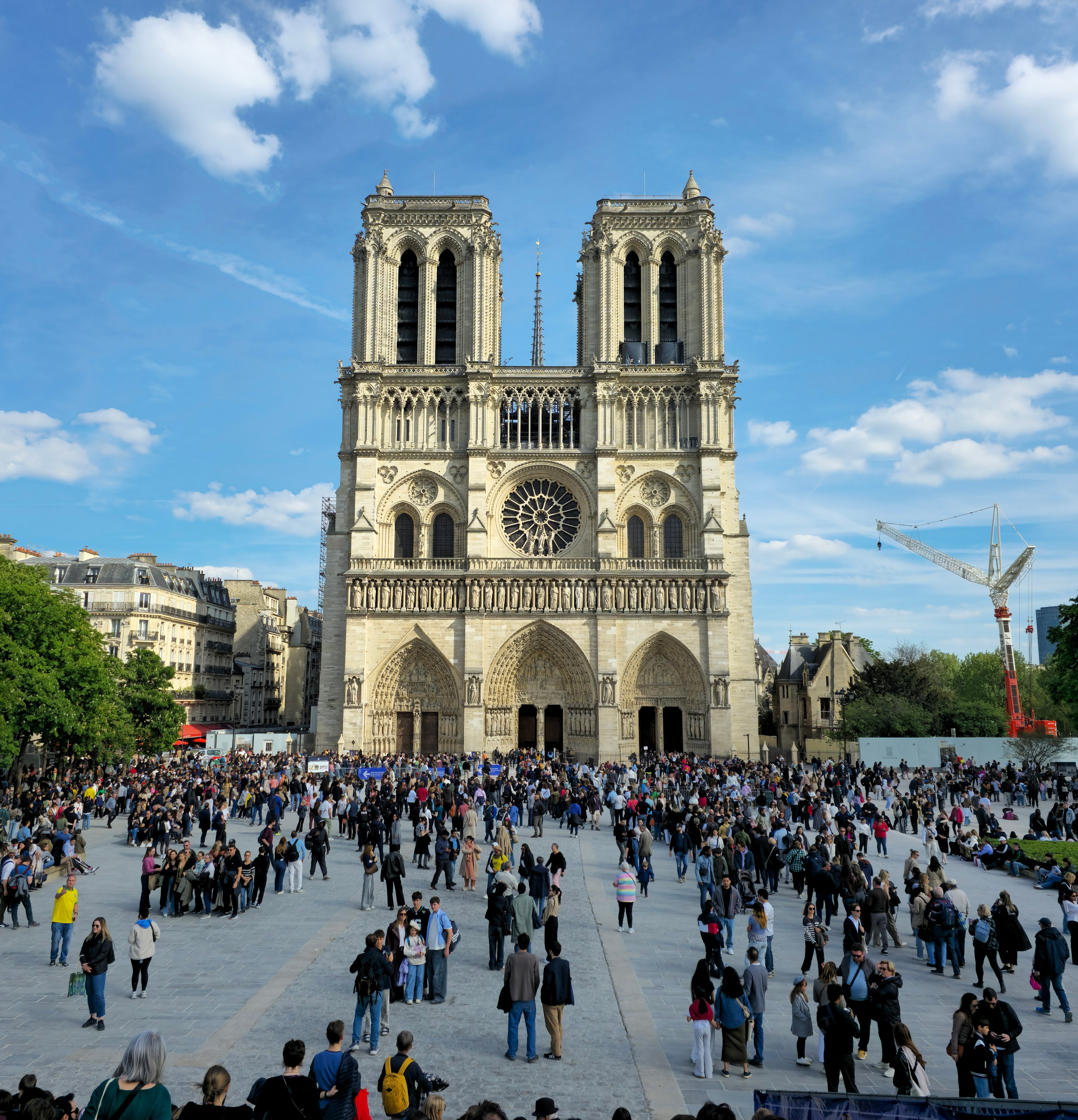
Built between 1163 and 1345 on the Île de la Cité, Notre Dame de Paris is a masterpiece of French Gothic architecture. Its iconic twin towers, grand rose window, and intricately carved portals showcase biblical scenes.
Inside, the cathedral boasts high vaulted ceilings, centuries-old relics, statues, and altars. Famous for hosting historic events like Napoleon’s coronation, it suffered a severe fire in 2019, collapsing its spire.
Restoration continues, but visitors can still admire the exterior and nearby square, a testament to Notre Dame’s enduring cultural and spiritual significance.
4. Arc de Triomphe

The Arc de Triomphe stands proudly at the center of Place Charles de Gaulle, honoring French soldiers who fought in the Revolutionary and Napoleonic Wars.
Commissioned by Napoleon in 1806, this neoclassical triumphal arch rises 50 meters tall and features intricate bas-reliefs depicting historic battles.
Visitors can climb 284 steps to reach its rooftop for panoramic views of Paris’s grand avenues. The Tomb of the Unknown Soldier lies beneath, marked by an eternal flame symbolizing remembrance. The Arc remains a powerful symbol of patriotism and French national pride.
5. Palace of Versailles

The Palace of Versailles embodies French royal extravagance and classical architecture. Visitors can walk through the Hall of Mirrors, a 73-meter gallery lined with 357 mirrors and crystal chandeliers.
They can explore the Royal Apartments, featuring painted ceilings and period furnishings that reveal kingly life. The expansive 800-hectare Gardens of Versailles with sculpted hedges and fountains offer a scenic retreat.
Nearby, the Grand and Petit Trianon palaces served as private royal sanctuaries, enriching Versailles’ historical appeal. Located in Versailles, this monument showcases France’s cultural heritage and opulence.
6. Sacré-Cœur, Paris
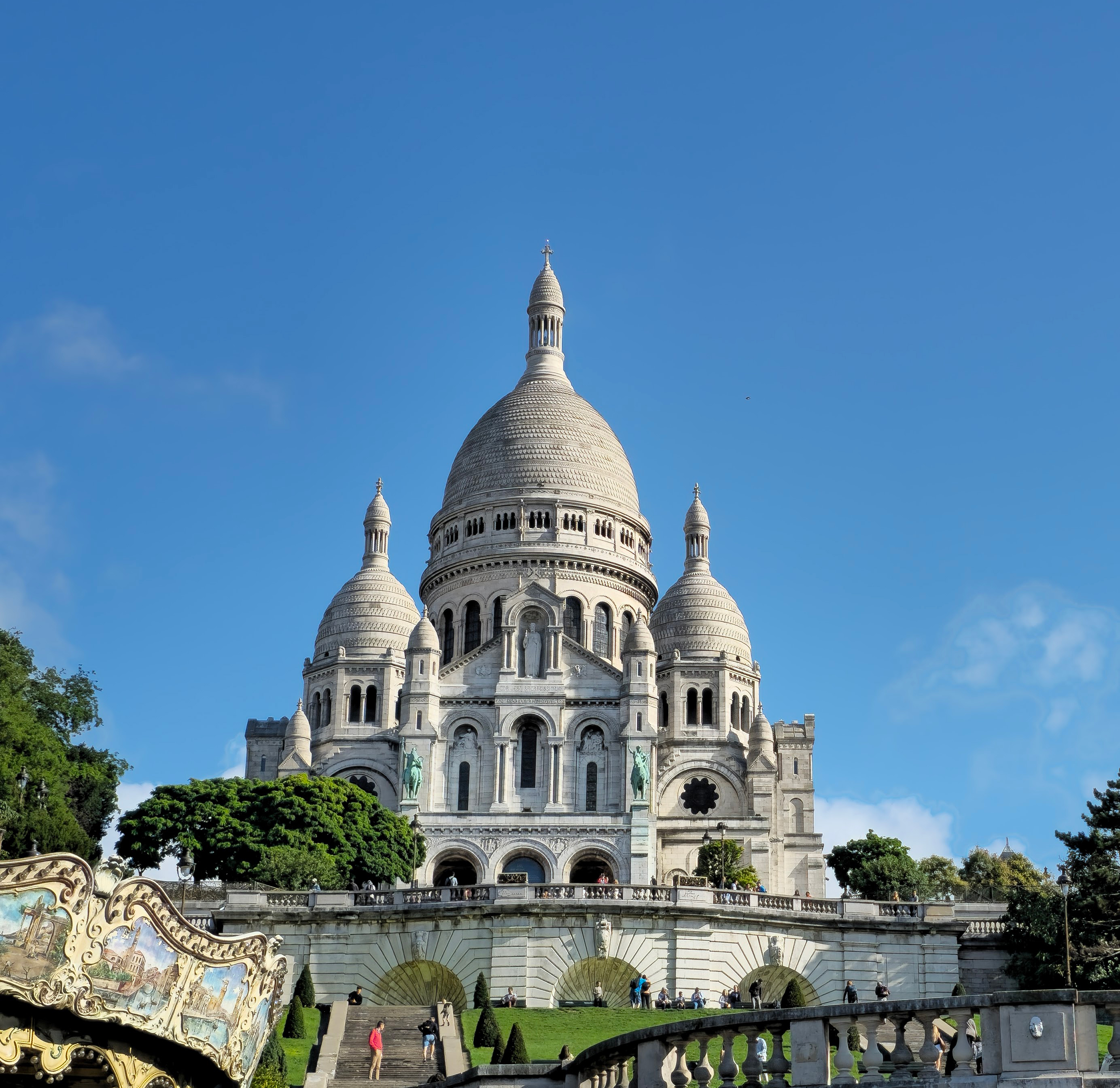
Situated atop Montmartre Hill, Sacré-Cœur Basilica dominates the Paris skyline with its striking white domes. Built between 1875 and 1914 by architect Paul Abadie, this modern Catholic church blends Byzantine and Romanesque styles.
The basilica’s white travertine stone keeps it gleaming despite weathering. Visitors often climb the 300 steps to its dome for panoramic views of Paris, especially breathtaking at sunset.
Inside, the basilica showcases impressive mosaics and modern religious art, symbolizing spiritual devotion and Parisian heritage. Sacré-Cœur remains a top attraction, drawing thousands annually.
7. Sainte-Chapelle

The 13th-century Sainte-Chapelle stands as a Rayonnant Gothic masterpiece, celebrated for its 1,113 stained glass scenes spanning 670 square meters.
In the upper chapel, once reserved for royalty, 15 towering windows—each soaring 15 meters high—depict vivid biblical stories in breathtaking color.
The lower chapel, historically used by palace staff, charms visitors with its painted wood columns and fleur-de-lis motifs, a testament to medieval artistry.
Originally built as a relic sanctuary to house the revered Crown of Thorns, Sainte-Chapelle holds immense significance in the French Catholic Church.
Today, guided and audio tours reveal its intricate history, from surviving devastating fires and floods to enduring the destructive impact of the French Revolution.
8. Centre Pompidou
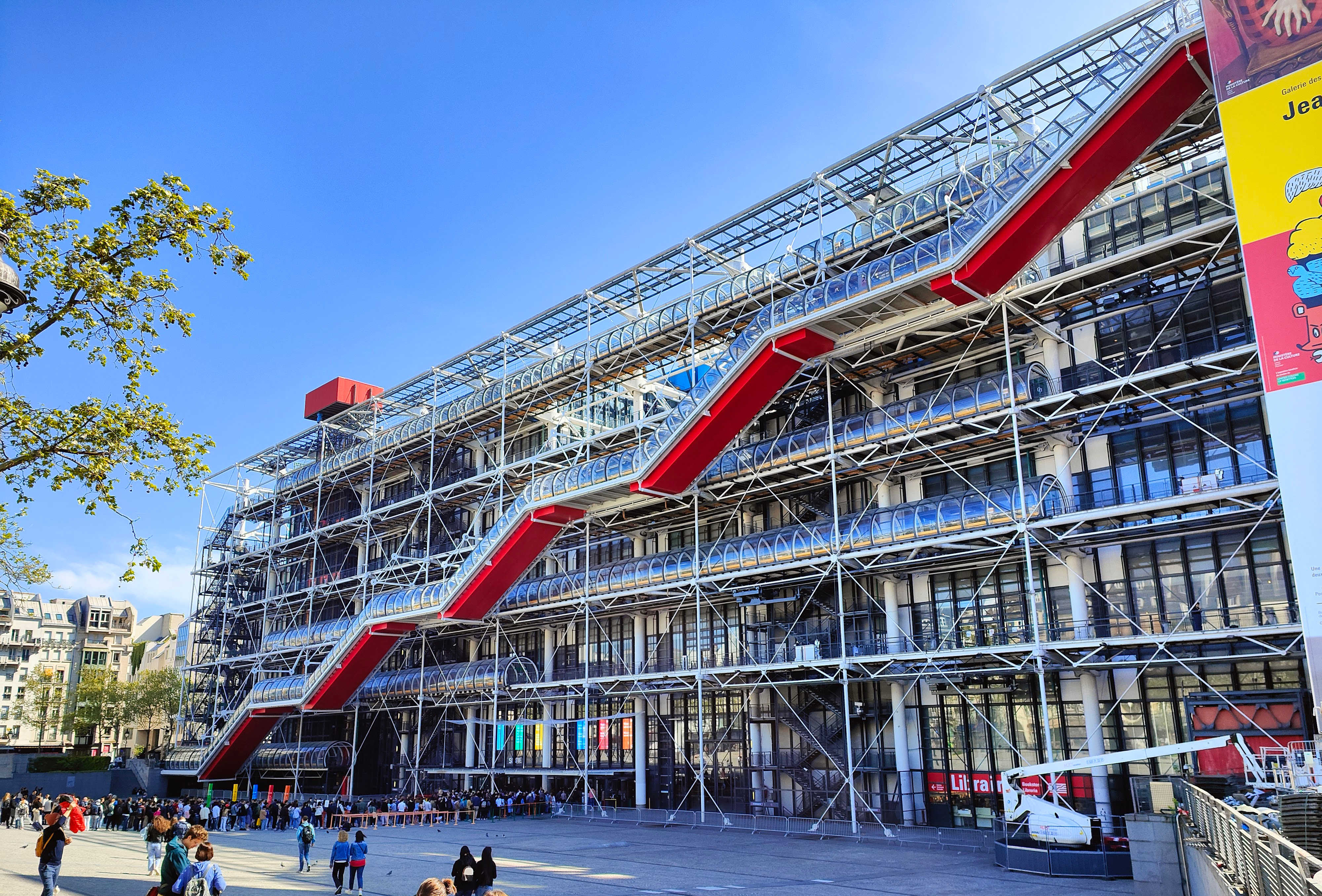
Boasting the 3rd largest modern art collection in the world, the Centre Pompidou dazzles with over 100,000 works by 6,400 artists.
Designed by Renzo Piano, Richard Rogers, and Gianfranco Franchini, its inside-out, color-coded mechanical facade breaks Paris’s classical architecture mold.
Opened in 1977, it houses the Musée National d’Art Moderne, Europe’s largest public library, a cinema, and concert venues.
Visitors love the 6th-floor terrace for panoramic city views. Located near the Marais, the Pompidou remains a hub for contemporary culture and innovation.
9. Musée d’Orsay

Designed as a Beaux-Arts railway station for the 1900 Paris Universal Exhibition, the Musée d’Orsay now houses the world’s largest collection of French art from 1848 to 1914.
Visitors explore masterpieces by Monet, Manet, Renoir, Cézanne, Van Gogh, and Degas displayed beneath soaring vaulted ceilings.
Famous works include Renoir’s Dance at Le Moulin de la Galette and Cézanne’s The Card Players.
The museum bridges the gap between classical art at the Louvre and modern pieces at the Pompidou, making it essential for Impressionism and Post-Impressionism enthusiasts.
10. Les Invalides

Recognized by its stunning golden dome, Les Invalides in Paris was built in 1678 by Louis XIV as a hospital and retirement home for war veterans.
It now honors France’s military history, housing the Musée de l’Armée, the Order of the Liberation Museum, and the Relief Map Museum. Visitors admire the Cathedral of St. Louis des Invalides with its rich decorations and sculptures.
The site’s centerpiece is Napoleon Bonaparte’s tomb, located beneath the dome, drawing history enthusiasts worldwide to this emblem of French military heritage.
11. Mont-Saint-Michel Abbey

Dominating a rocky island off Normandy’s coast, Mont-Saint-Michel Abbey mesmerizes with its soaring spires and ancient stonework.
Visitors step onto the island via a modern bridge or brave guided walks across the tidal bay, where Europe’s highest tides change the landscape dramatically.
The abbey stands as a medieval masterpiece and major Christian pilgrimage site dedicated to Archangel Michael.
Its cryptic architecture blends fortification and sacred space, offering panoramic views across glistening sands at low tide and a mystical floating illusion when the tide rises.
12. Palais des Papes

Standing in Avignon, the Palais des Papes is a massive Gothic fortress and former papal residence.
Built in the 14th century, it served as the pope’s home during the Avignon Papacy, symbolizing church authority and power.
Visitors can explore grand halls, chapels, and intricately decorated rooms. The palace also hosts cultural events and exhibitions, enhancing its historical significance.
A UNESCO World Heritage Site, it remains one of Europe’s largest and most impressive medieval palaces, attracting history enthusiasts and architecture lovers alike.
Alicia Richards