Japan’s architectural landscape offers a fascinating blend of history and innovation. From ancient temples to towering modern skyscrapers, the country’s buildings tell stories of cultural richness and technological advancement.
These structures not only showcase Japan’s artistic heritage but also highlight its dynamic evolution in design.
Among the most famous buildings are landmarks like the golden-hued Kinkakuji Pavilion and the imposing Himeji Castle, both steeped in tradition.
On the other hand, modern marvels such as the Tokyo Skytree stand as symbols of cutting-edge engineering and contemporary aesthetics.
1. Sensō-ji
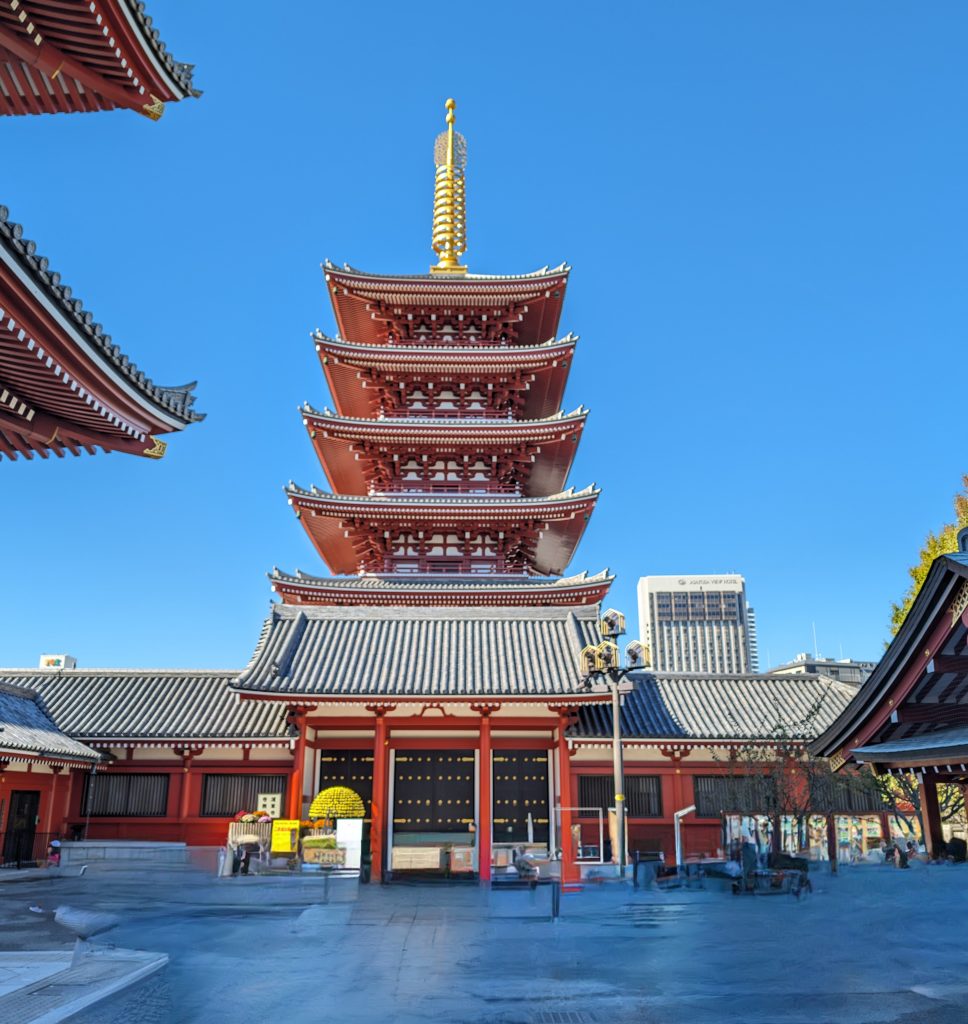
Sensō-ji, Tokyo’s oldest temple, stands as a beacon of traditional Japanese architecture and spirituality.
Founded in 628 AD, this iconic Buddhist temple features a majestic Thunder Gate (Kaminarimon) with a giant red lantern, symbolizing good fortune.
Visitors experience a approach lined with shops selling traditional crafts and snacks, leading to the spacious Hōzō-mon gate and the beautiful main hall.
Sensō-ji seamlessly blends historical design with cultural vibrancy, making it a must-see for those exploring Japan’s architectural and spiritual heritage.
2. Tokyo Skytree
Tokyo Skytree stands as Japan’s tallest structure at 634 meters and the world’s second tallest tower. Completed in 2012 and designed by Nikken Sekkei, it serves as a broadcasting tower, restaurant, and observation deck.
Visitors enjoy panoramic views of Tokyo from its two observation platforms. Its modern design blends advanced engineering with sleek aesthetics, making it a symbol of Tokyo’s urban innovation.
Tickets start at 18 USD, and thousands of tourists rate it highly for its breathtaking cityscapes and architectural significance.
3. Kinkaku-ji
Kinkaku-ji, the Golden Pavilion, is a Zen Buddhist temple in Kyoto renowned for its top two floors covered in gold leaf.
Originally built in the 14th century and rebuilt in 1955 after a fire, the temple reflects brilliantly on the pond below, creating a mesmerizing sight.
Its exquisite wooden interior, though closed to the public, complements the shimmering exterior.
Surrounded by manicured gardens emphasizing harmony, Kinkaku-ji remains one of Japan’s most photographed and visited landmarks, easily accessible by train from Kyoto city center.
4. Fushimi Inari Taisha
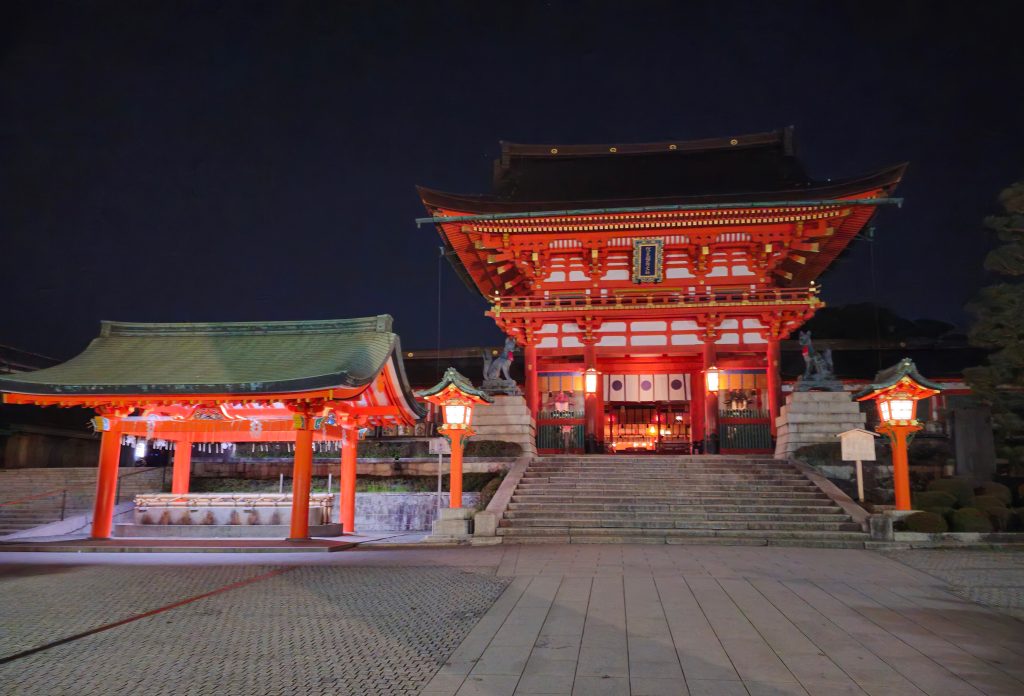
Fushimi Inari Taisha, built in the 8th century, honors the god of rice and is a vital Shinto shrine in Kyoto. Visitors explore thousands of red torii gates forming tunnels along trails up Mt. Inari, creating a distinctive and mesmerizing path.
The shrine complex includes ancient wooden structures and offers spiritual tranquility amid natural surroundings.
Accessible by train from Kyoto, it attracts millions annually, making it one of Japan’s most iconic and photogenic landmarks.
5. Tokyo Tower
Tokyo Tower, completed in 1958, stands 333 meters tall and was once Japan’s tallest structure. Designed by Tachū Naitō and inspired by the Eiffel Tower, it’s a prominent red and white landmark in Tokyo’s skyline.
Tokyo Tower serves as a broadcasting antenna and tourist spot, featuring three viewing platforms, restaurants, and souvenir shops.
Visitors enjoy sweeping views of the city, including Mt. Fuji on clear days. Tickets start at approximately $15, and with over 8,000 reviews, it holds a 4.0 rating, reflecting its enduring popularity and cultural significance.
6. Osaka Castle
Osaka Castle, built in the 16th century by Toyotomi Hideyoshi, stands as a symbol of Japan’s unification.
Its main tower features striking black and gold exteriors with ornate roofs covered in gold leaf and tiger-headed golden fish statues on the eaves.
Despite multiple reconstructions after sieges and World War II damage, the castle remains a historic landmark and museum.
Visitors can explore 13 other historic buildings on the grounds while enjoying panoramic views of Osaka city from the tower’s observation deck. This iconic structure reflects traditional Japanese architecture and resilience.
7. Tokyo Metropolitan Government Building
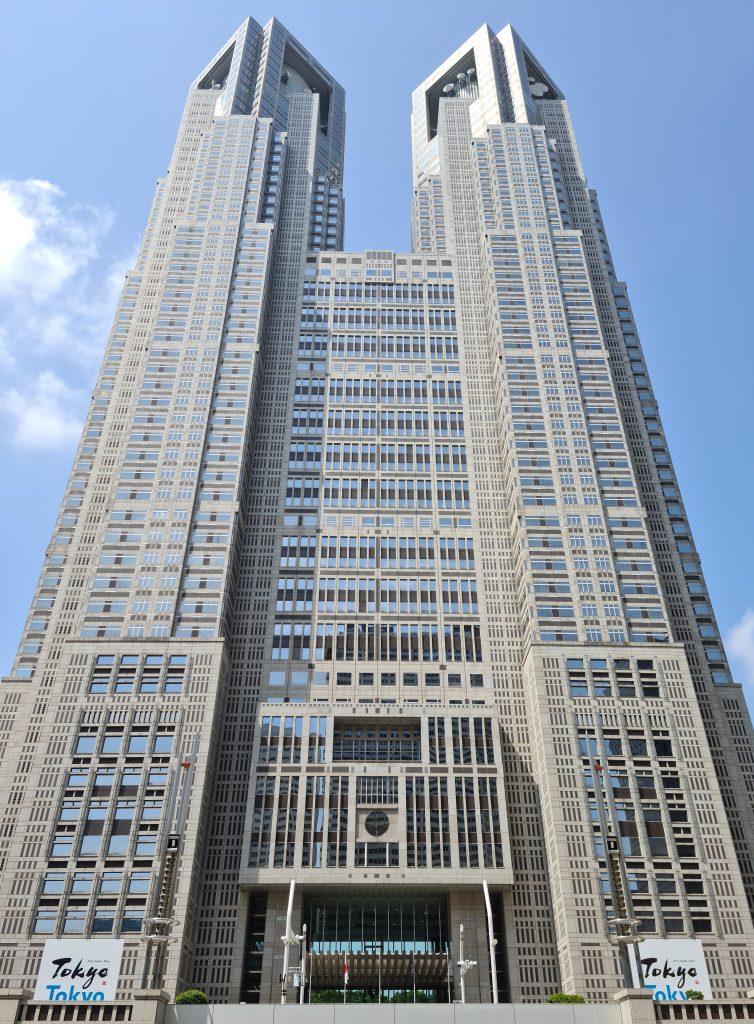
The Tokyo Metropolitan Government Building, designed by architect Kenzo Tange and completed in 1991, stands as a symbol of Tokyo’s modern governance.
Its twin towers rise 243 meters high, offering panoramic city views from observation decks open free to the public.
The building merges futuristic design with practicality, featuring sharp angles and a sleek façade that resembles a Gothic cathedral.
It houses Tokyo’s city government offices and serves as a popular tourist destination, showcasing urban architectural innovation alongside breathtaking vistas of Tokyo’s sprawling skyline.
8. Meiji Shrine
Meiji Shrine, located in Tokyo, honors Emperor Meiji and Empress Shoken. Completed in 1920, it exemplifies traditional Shinto architecture with simple wooden construction and elegant design.
Surrounded by a dense forest, it offers a peaceful retreat from the city’s bustle. Visitors enter through large torii gates and walk along broad gravel paths framed by towering trees.
The shrine’s serene atmosphere and traditional craftsmanship make it a significant cultural and spiritual site, attracting millions annually for both worship and sightseeing.
9. Kiyomizu-dera
Kiyomizu-dera, located in Kyoto, is a masterpiece of traditional Japanese wooden architecture dating back to 778 AD.
It features a large wooden stage that juts out over the hillside, offering panoramic views of cherry blossoms and maple trees below.
Built without nails, the temple uses intricate joinery methods reflecting advanced craftsmanship. Visitors admire its three-story pagoda, historic halls, and the Otowa Waterfall, considered sacred for granting health and success.
Recognized as a UNESCO World Heritage site, Kiyomizu-dera remains a top cultural and architectural attraction in Japan.
10. Kōtoku-in
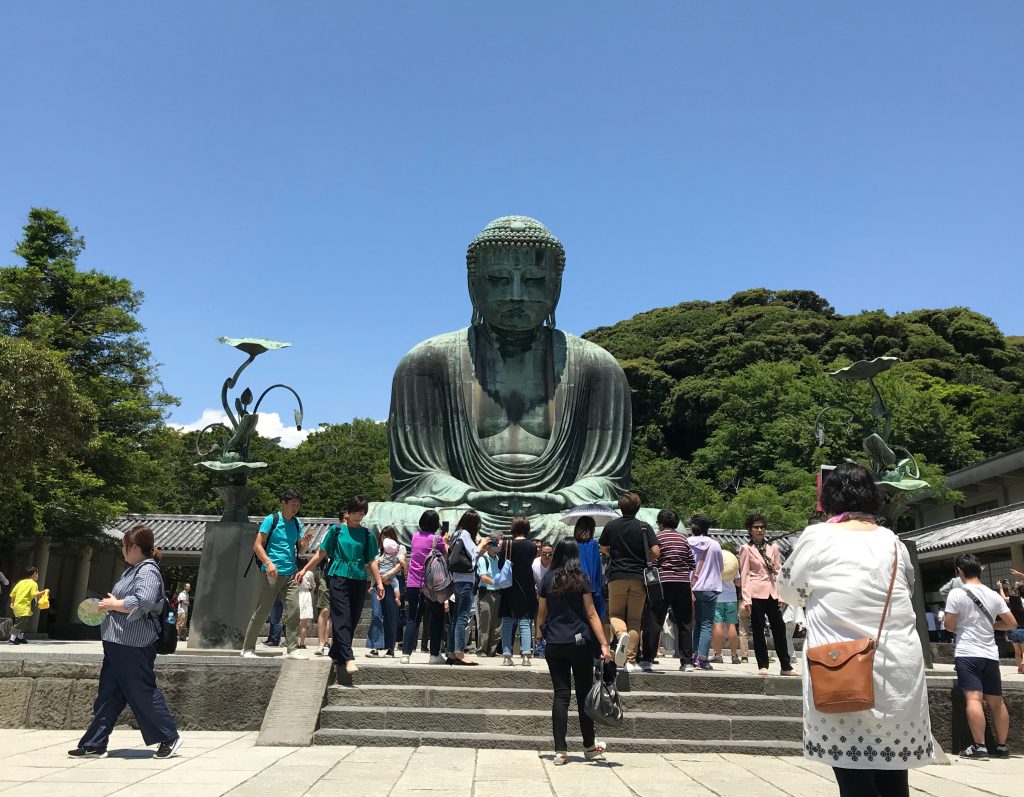
Kōtoku-in in Kamakura houses the Great Buddha, an iconic 13.35-meter bronze statue dating back to the mid-13th century.
This monumental figure exemplifies Japan’s Kamakura period Buddhist art, standing outdoors since a 15th-century tsunami destroyed its hall.
Visitors admire its serene expression and detailed craftsmanship, reflecting religious devotion and historic resilience.
Easily accessible by train, Kōtoku-in remains a must-visit for those exploring Japan’s sacred architecture and cultural heritage.
Alicia Richards