London’s skyline is a captivating blend of history and modernity, boasting some of the world’s most iconic buildings.
From towering skyscrapers to historic palaces, these structures tell the story of a city rich in culture and architectural innovation.
Millions recognize landmarks like Big Ben and Buckingham Palace, symbols that define London’s unique character.
Whether it’s the intricate design of a centuries-old church or the sleek lines of a contemporary high-rise, each building offers a glimpse into London’s evolving landscape.
For visitors and locals alike, these landmarks provide unforgettable experiences and a deeper appreciation of the city’s heritage and modern achievements.
1. 30 St. Mary Axe(The Gerkin)
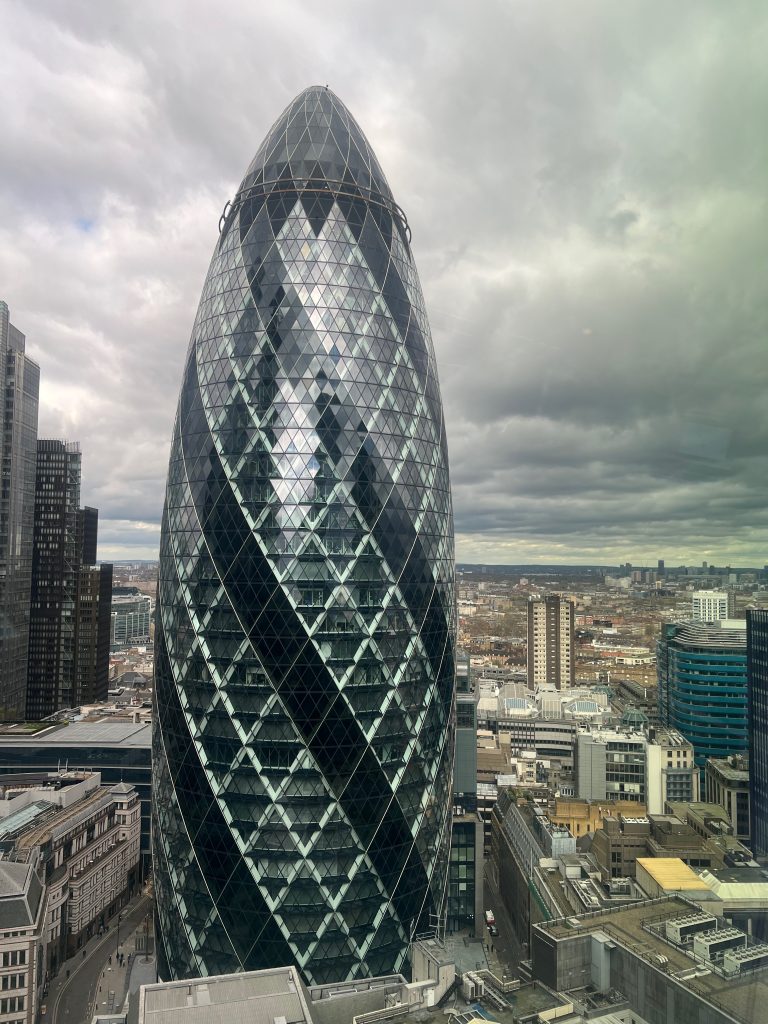
Standing 180 meters tall in London’s financial district, 30 St. Mary Axe, known as The Gherkin, is a symbol of modern architecture.
Designed by Sir Norman Foster and completed in 2003, its unique bullet shape features spiraling bands of glass and steel.
The building uses natural ventilation and energy-efficient systems to reduce its carbon footprint. Primarily an office space, its top floors offer stunning 360-degree views, often hosting exclusive events. At night, its illuminated facade shines as a beacon of innovation in the heart of the City of London.
2. St. Paul’s Cathedral
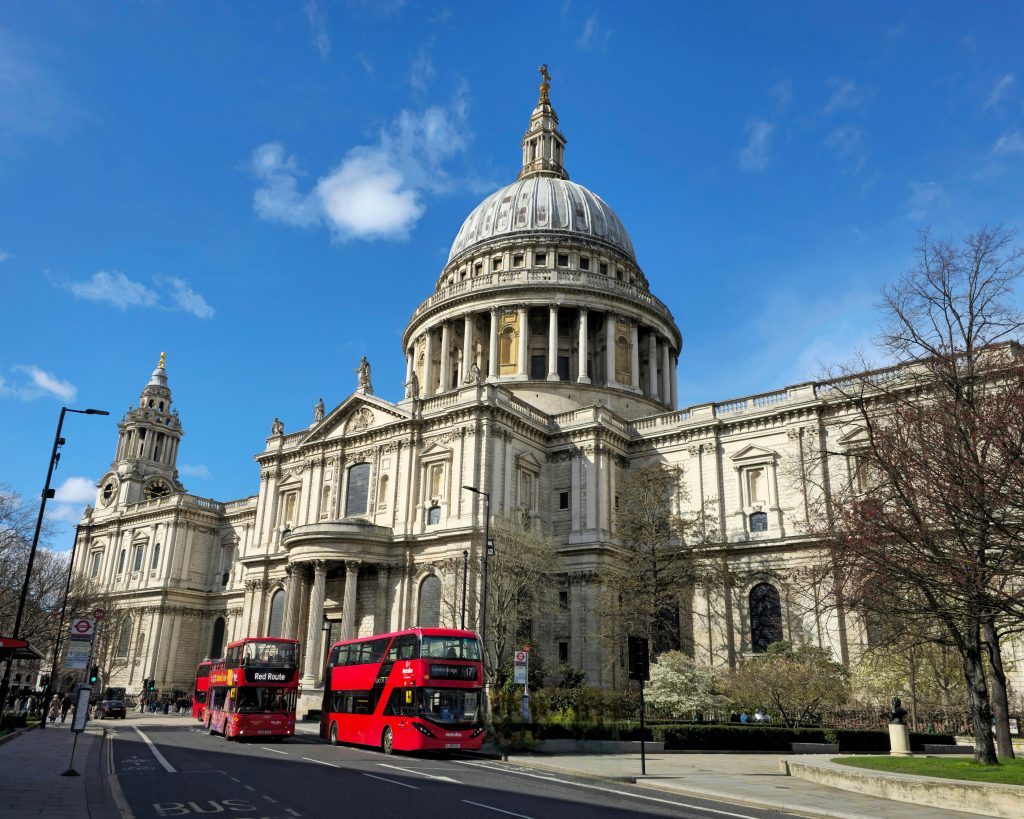
St. Paul’s Cathedral, dating back to 604 AD, stands as London’s oldest and most iconic building. Rebuilt after the Great Fire of 1666, Sir Christopher Wren’s design, completed in 1711, dominates the skyline with its magnificent English Baroque dome.
Visitors climb 528 steps to reach the Whispering Gallery, where hushed voices carry across the dome’s circular walls—a marvel of architecture.
For centuries, it’s served as a religious site and national treasure, symbolizing resilience and history in London’s evolving cityscape.
3. The Shard
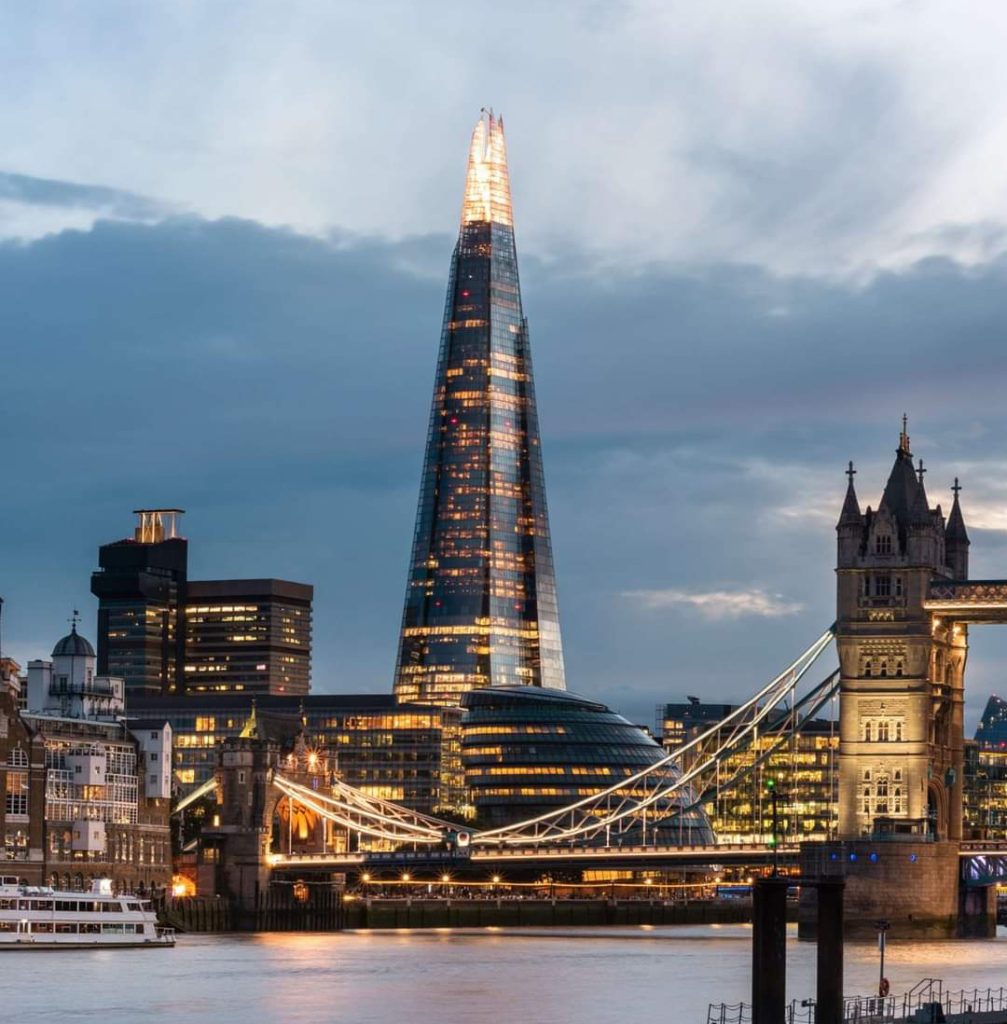
The Shard stands as the tallest building in the UK and Western Europe, soaring 310 meters above London.
Designed by Renzo Piano, its glass shard-like structure houses offices, luxury apartments, restaurants, and the five-star Shangri-La Hotel.
Visitors flock to The View from The Shard on floors 68 to 72 for 360-degree views stretching up to 40 miles on clear days.
Iconic landmarks like the Tower of London and St. Paul’s Cathedral come into sight, making it an unforgettable experience.
Completed in 2012, The Shard redefined London’s skyline with its dramatic, transparent design and urban integration.
4. Buckingham Palace
Buckingham Palace stands as the official residence of the British monarch and a symbol of royal heritage in London.
Visitors can admire its grand façade and the famous Changing of the Guard ceremony, which attracts thousands daily.
The palace opens its State Rooms to the public during summer, showcasing opulent decor, priceless artworks, and royal treasures.
Its central location near St. James’s Park makes it a key stop for tourists exploring London’s historic landmarks. Buckingham Palace remains a living symbol of British tradition and monarchy.
5. Westminster Abbey
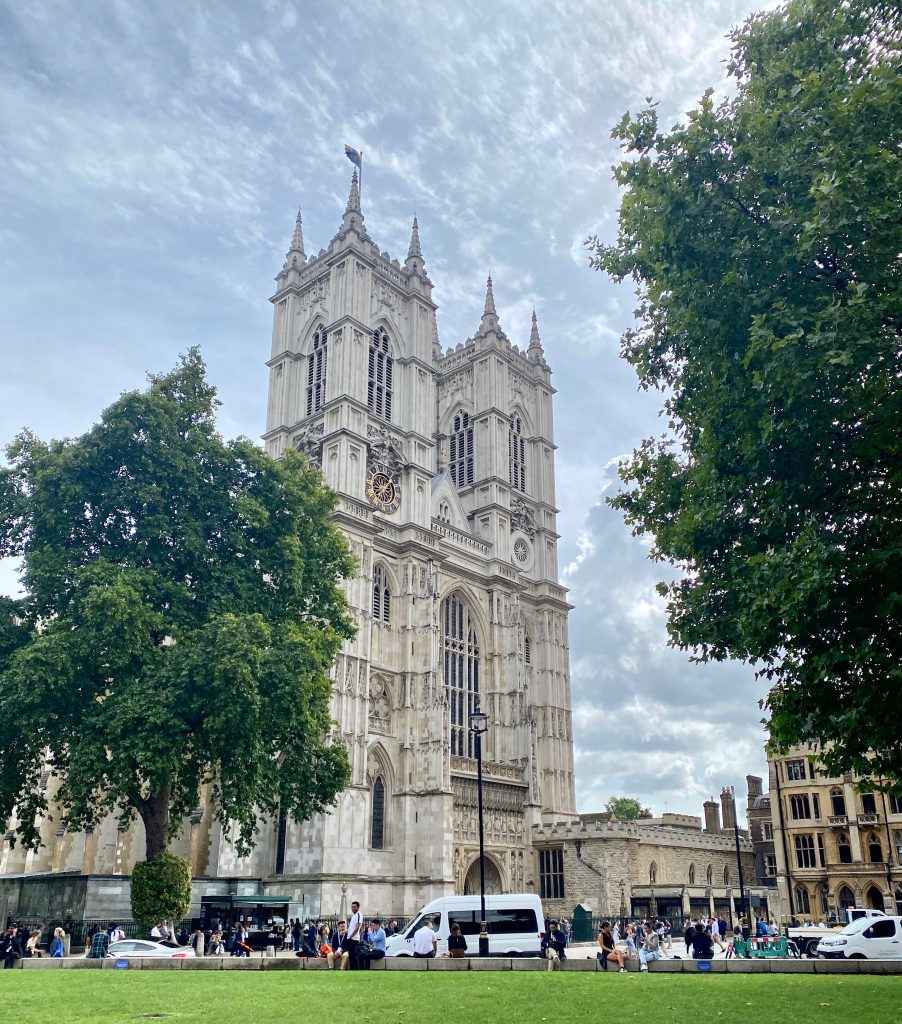
Known for its stunning Gothic architecture, Westminster Abbey was built between the 13th and 16th centuries. It serves as the traditional coronation church for British monarchs and a royal burial site.
Many key historical figures like Isaac Newton, Charles Darwin, and Stephen Hawking rest here. The Abbey’s Poets’ Corner honors literary greats such as Geoffrey Chaucer and Charles Dickens.
Visitors can explore its rich history through guided tours or general admission, witnessing a treasure trove of artifacts and Britain’s royal heritage firsthand.
6. Big Ben
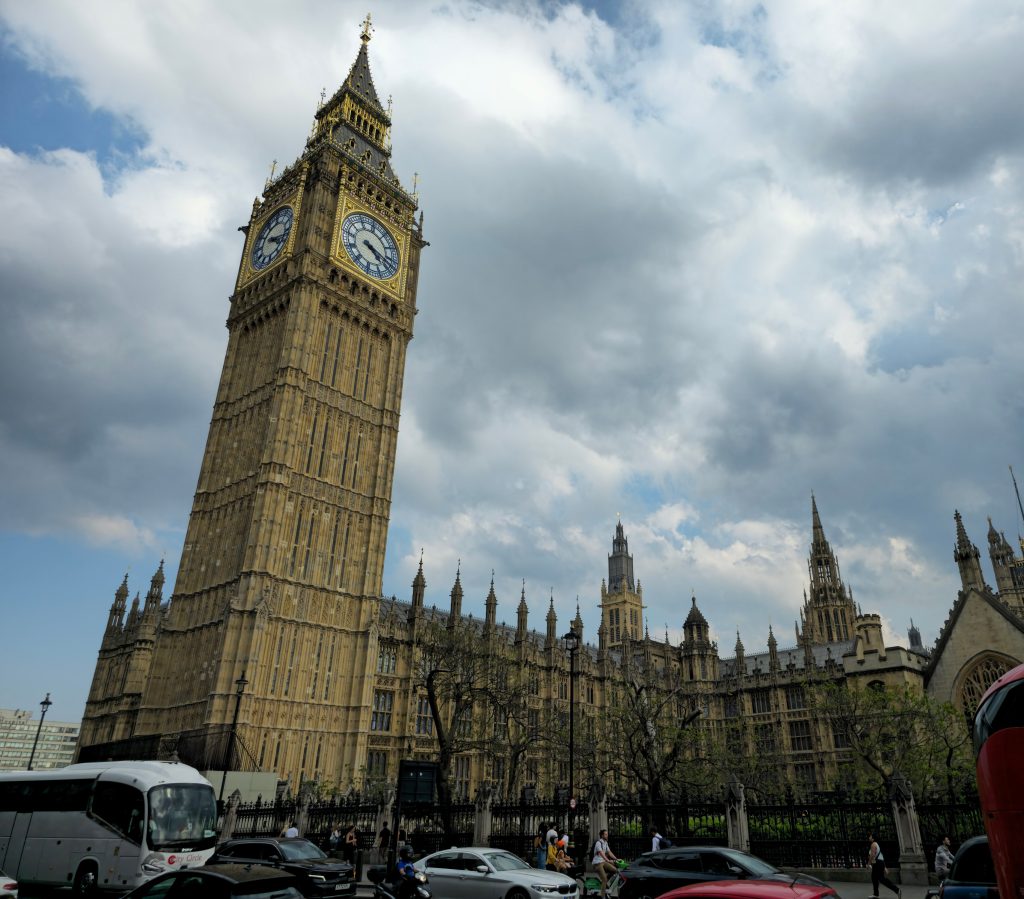
Big Ben actually refers to the 13.5-ton bell inside the Elizabeth Tower, not the clock or tower itself. The tower, part of the Palace of Westminster, stands 316 feet tall and is a UNESCO World Heritage Site.
Its four clock faces light up at night, offering a spectacular view from Westminster Bridge. The bell’s iconic chimes have been broadcast worldwide since 1923, marking time for Londoners and symbolizing the UK’s heritage.
Though tours aren’t open to non-UK residents, the tower’s stunning exterior remains a must-see landmark.
7. Tate Modern London
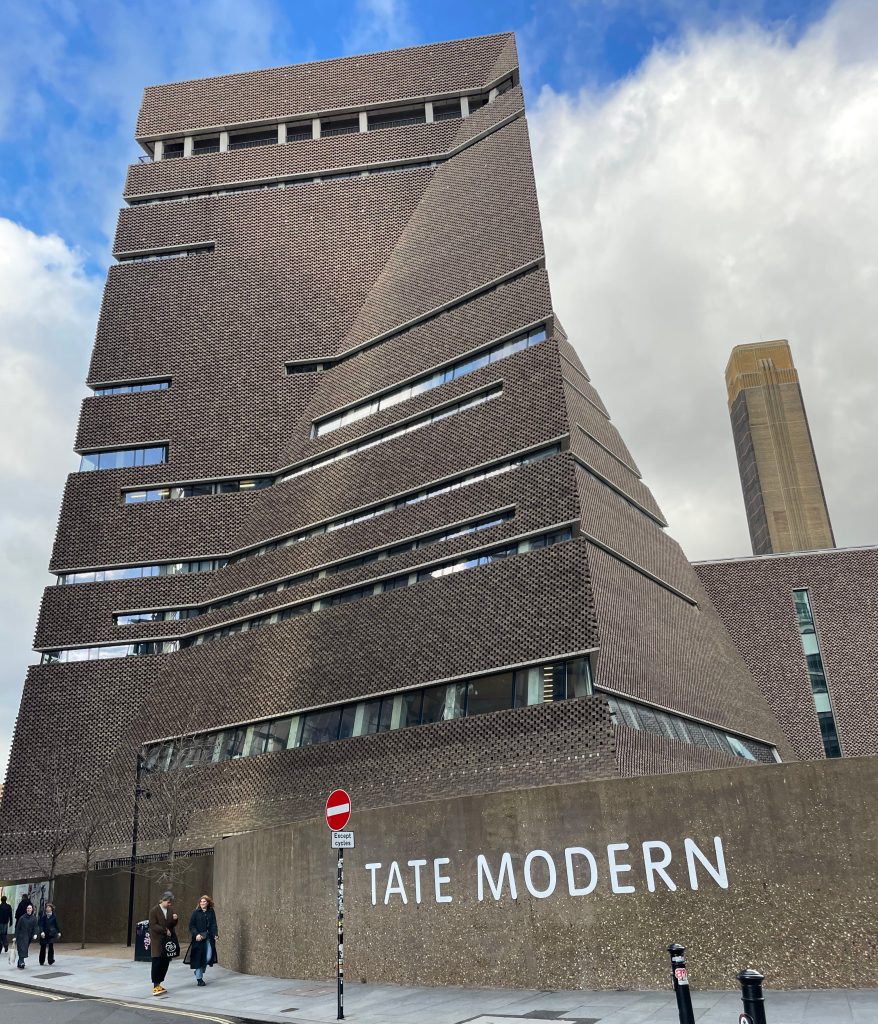
Housed in a former power station along the Southbank, Tate Modern stands as the UK’s leading contemporary art museum. It captivates visitors with its vast industrial space, especially the iconic Turbine Hall.
Showcasing works by Picasso, Warhol, Kusama, and Rothko, the galleries span surrealism, minimalism, performance art, and immersive installations.
This dynamic museum offers an ever-evolving cultural experience, making it a must-visit for art lovers and tourists exploring London’s rich architectural and creative landscape.
8. British Museum
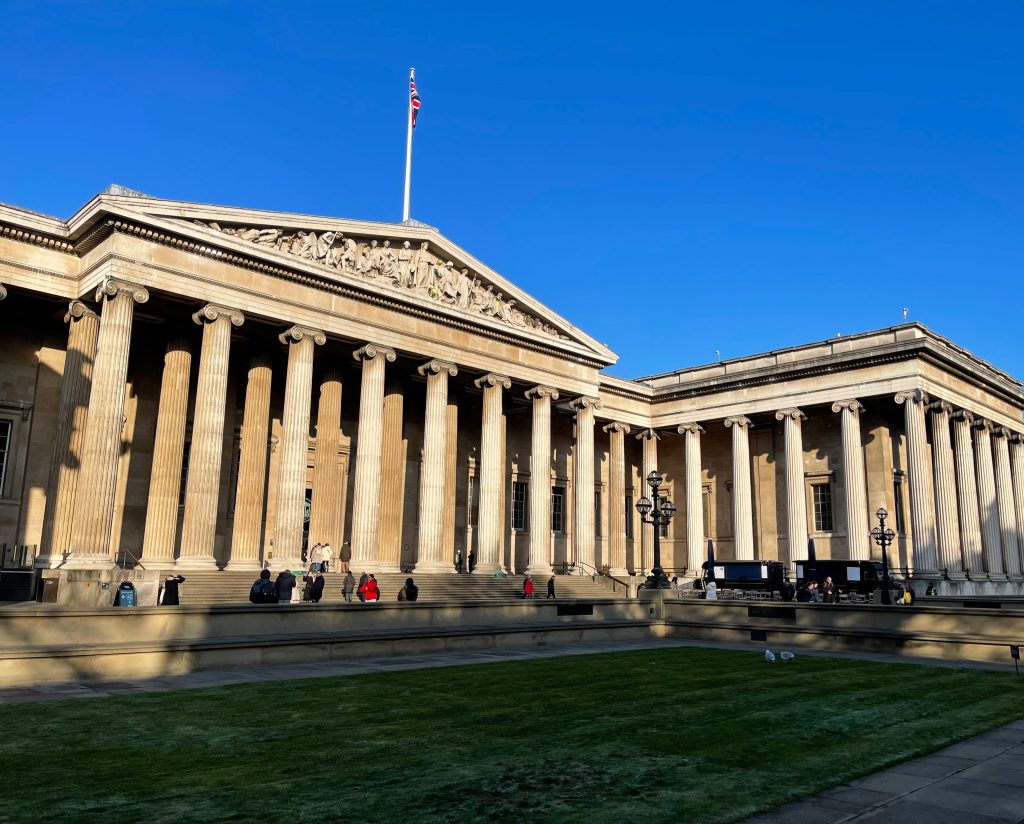
Founded in 1753, the British Museum stands as one of London’s most famous landmarks and a beacon of world history. It houses over 8 million artifacts spanning 2 million years, including the Rosetta Stone and Elgin Marbles.
Designed in neoclassical style, the museum’s grand Reading Room and glass-covered Great Court attract millions annually.
It offers free admission and diverse exhibitions, blending historic architecture with modern cultural importance, making it a must-visit for history buffs and tourists.
9. Royal Albert Hall
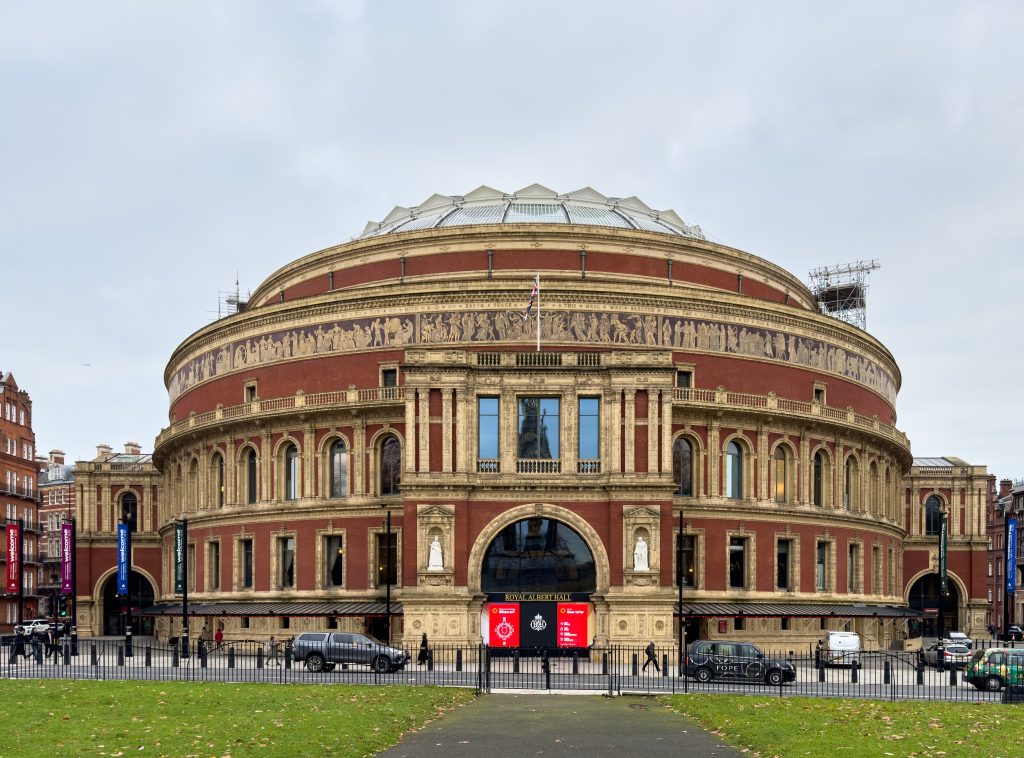
Standing as a premier concert venue, the Royal Albert Hall combines stunning Victorian architecture with cultural events.
Opened in 1871, this circular building showcases intricate terracotta designs and a massive glass dome.
Hosting events from classical orchestras to hip-hop shows, it remains a dynamic hub of entertainment.
Visitors enjoy not only its remarkable interior but also the diverse programs that reflect London’s evolving arts scene, making it a must-visit landmark with rich historical significance.
10. Lloyd’s building
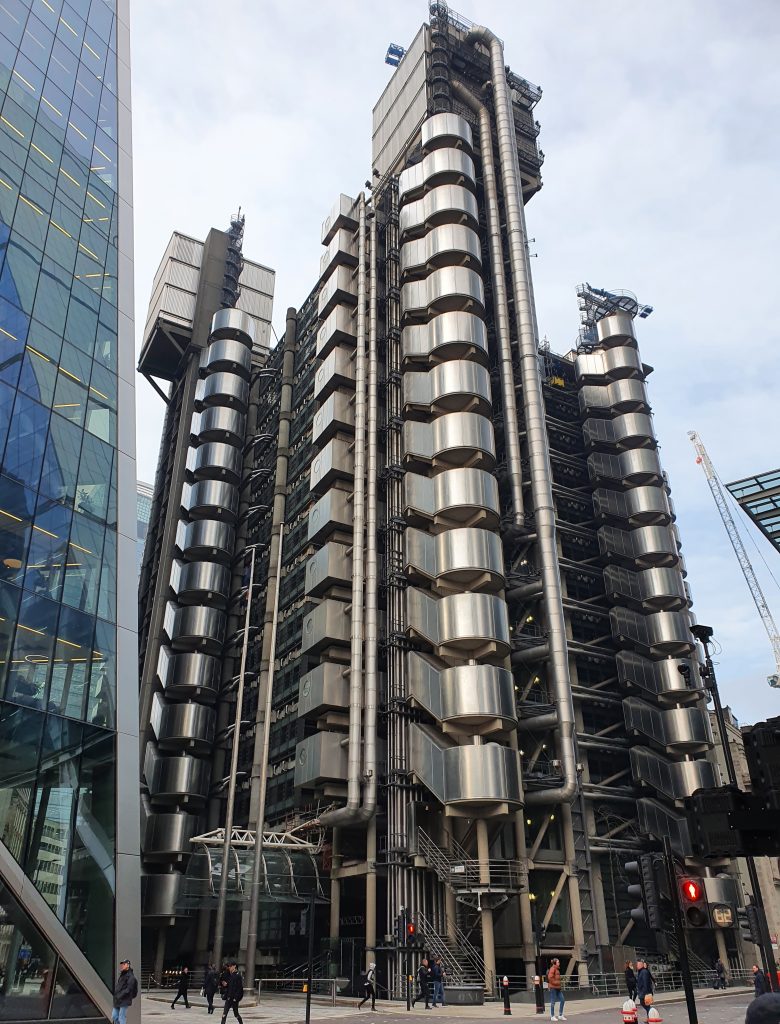
Showcasing high-tech architecture, Lloyd’s building stands as an icon in London’s skyline. Designed by Richard Rogers and completed in 1986, it houses the insurance market Lloyd’s of London.
Its unique exterior exposes services like staircases and lifts, making it a bold architectural statement.
Celebrated for pioneering early modern design, the building remains a striking example of functionality merged with innovation, attracting architecture enthusiasts and professionals worldwide.
Alicia Richards