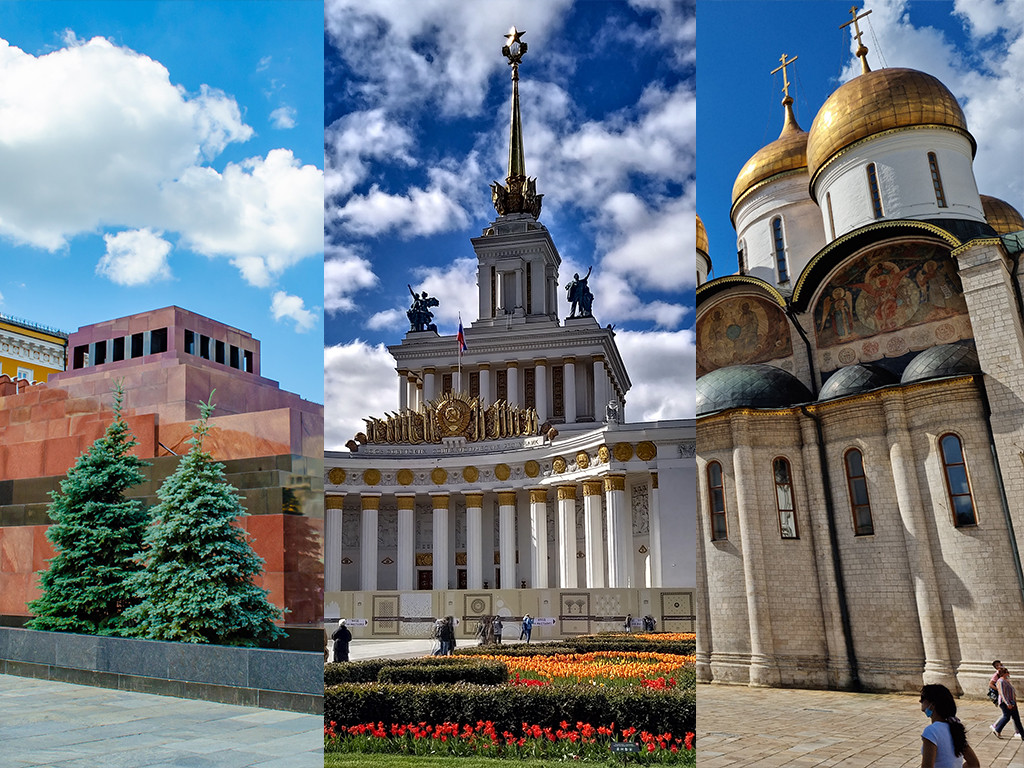
Moscow stands as one of Europe’s most populous cities, rich with history and architectural marvels that span centuries.
Its skyline is dominated by iconic landmarks that not only define the city but also symbolize the cultural and political heart of Russia.
From the colorful domes of Red Square to the grandeur of its historic theaters and cathedrals, Moscow offers a unique blend of tradition and innovation.
Among its many architectural treasures, some buildings have become world-renowned for their design and historical significance.
These structures reflect a variety of styles, from Russian Revival to Socialist Classicism, each telling a story of the city’s past and present.
1. Bolshoi Theatre
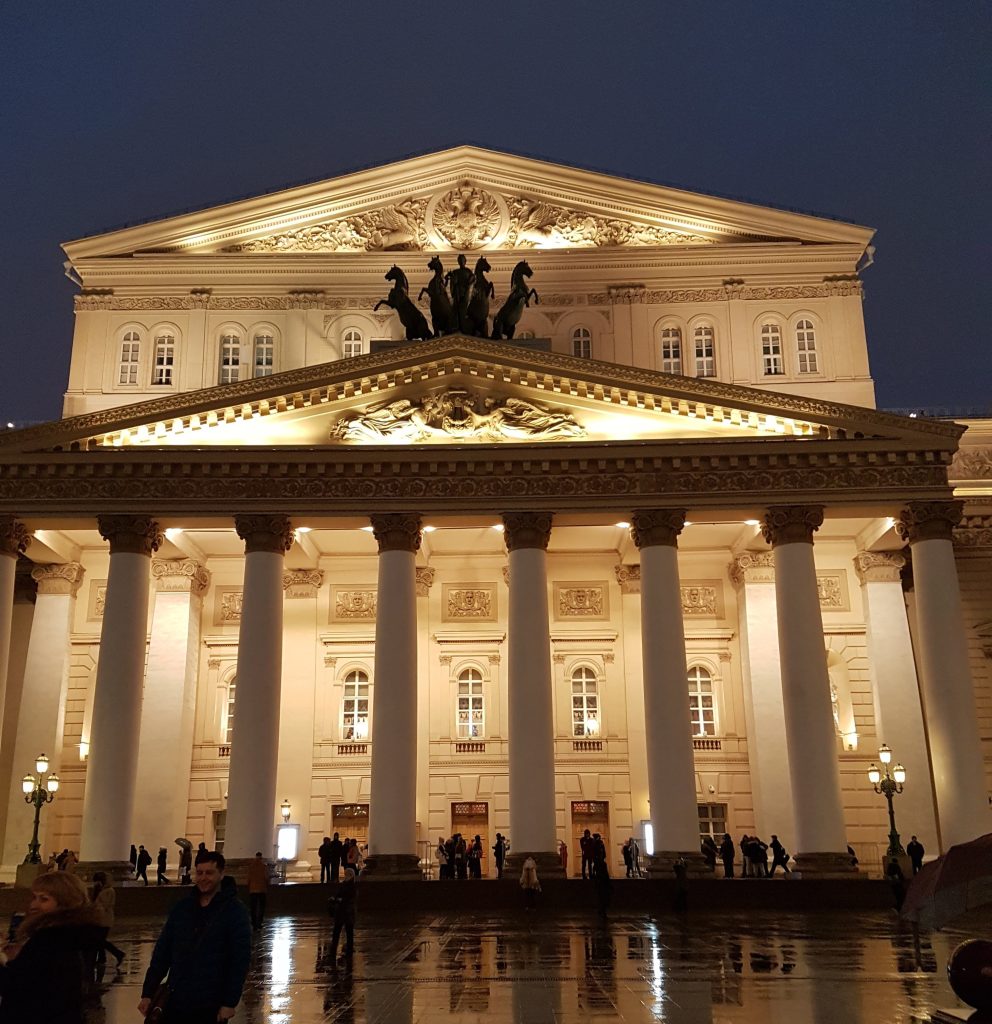
The Bolshoi Theatre stands as Moscow’s most famous performing arts venue, renowned worldwide for ballet and opera.
This elegant building combines neoclassical architecture with grand interiors, symbolizing Russia’s rich cultural heritage.
Originally opened in 1825, the Bolshoi has hosted countless legendary performances and remains a vital part of Moscow’s artistic scene.
Visitors admire its impressive façade and ornate auditorium, reflecting the theater’s century-old tradition of excellence. Located near the city center, it continues to attract art lovers and tourists alike.
2. St. Basil’s Cathedral
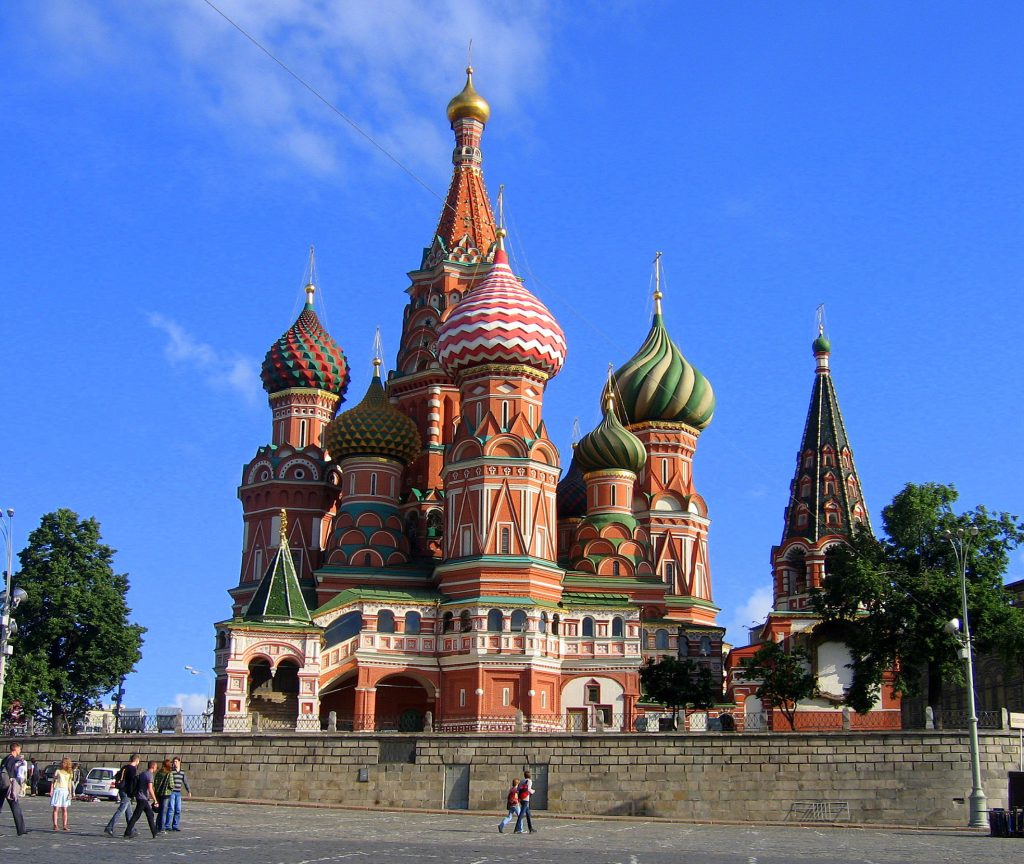
St. Basil’s Cathedral stands as Moscow’s architectural jewel, known worldwide for its colorful, onion-shaped domes.
Designed by Postnik Yakovlev and built between 1554 and 1560, it symbolizes Russia’s victory over Napoleon.
The cathedral’s design mimics a bonfire flame soaring skyward, showcasing Russian Revival style with intricate frescoes and bold colors.
Its white walls and golden domes dominate the skyline around Red Square. Visitors can explore the interior and enjoy panoramic views from the observation deck, but should dress modestly as it remains an active place of worship.
3. Ostankino Tower
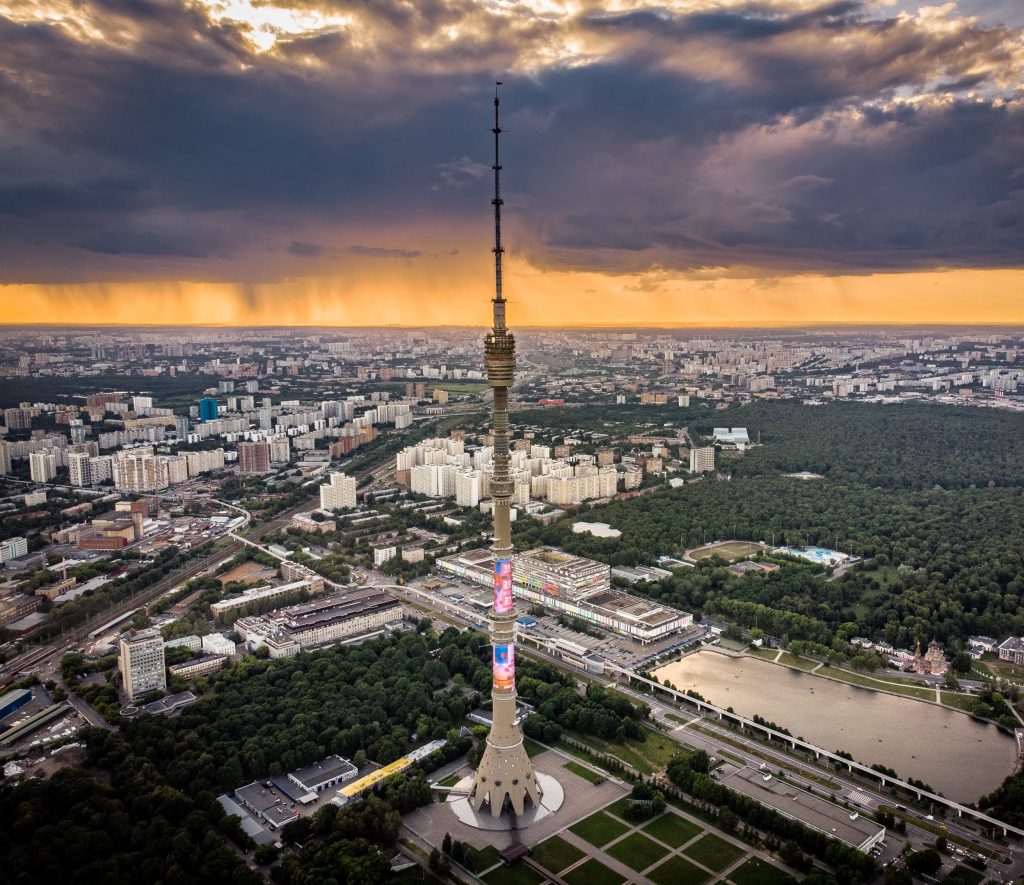
Standing at 540 meters, the Ostankino Tower was the tallest tower in the world from 1967 until 1974.
Designed by renowned architect Nikolai Nikitin, it combines futuristic engineering with Russian architectural pride.
Construction began in 1963 and took four years to complete. Today, it serves as a vital communications hub and a symbol of Moscow’s skyline.
Visitors can explore its observation decks, which offer panoramic views of the city, making it both a functional structure and a celebrated landmark.
4. Cathedral of Christ the Saviour
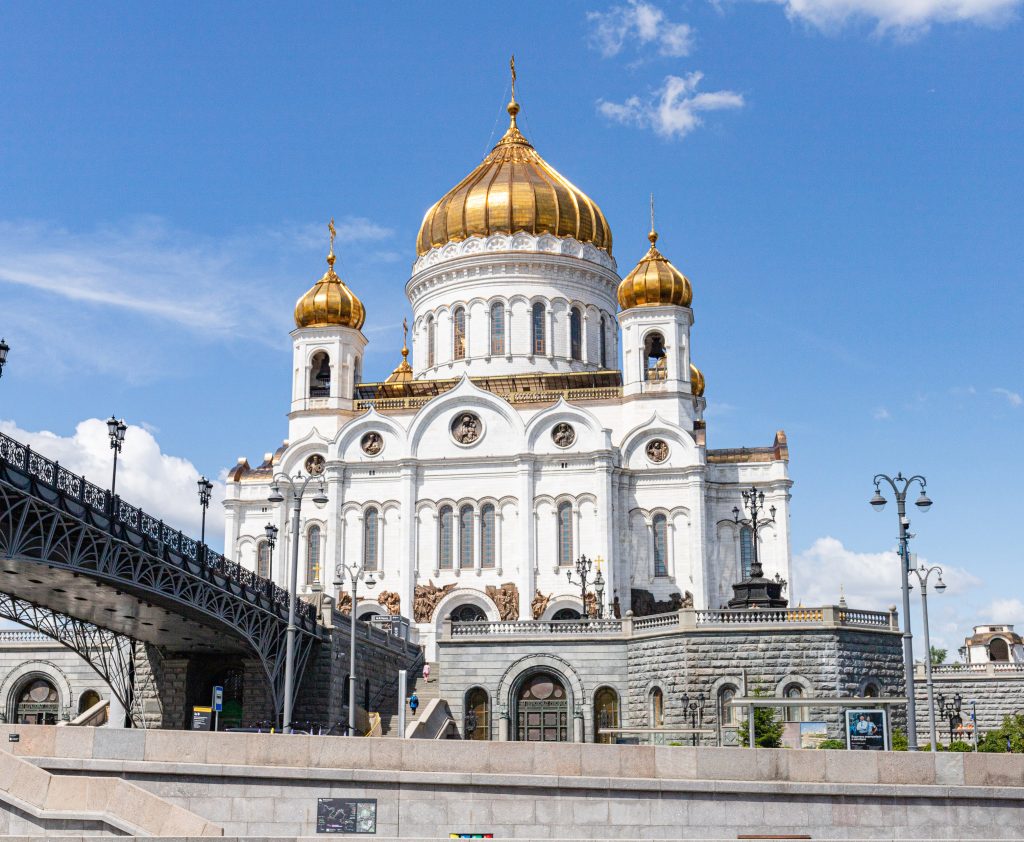
Standing as Moscow’s tallest Orthodox church, the Cathedral of Christ the Saviour showcases the Russian Revival style with white marble walls and gilded domes.
Built to celebrate Russia’s victory over Napoleon, it was demolished in 1931 and rebuilt in the 1990s. The cathedral features an ornate interior with frescoes and icons reflecting Russian spiritual heritage.
Visitors admire its grand hall, bell tower, and panoramic city views from the observation deck. Located near the Moskva River, it remains an active place of worship and a powerful symbol of Russia’s resilience and faith.
5. Kremlin
The Kremlin stands as Moscow’s most iconic fortress, combining political power with rich history.
Enclosed by massive walls and towers, it houses government offices, cathedrals, and palaces dating back to the 15th century.
Its architecture blends medieval Russian and Renaissance styles, making it a UNESCO World Heritage site.
Visitors explore landmarks like the Grand Kremlin Palace and the Armoury Museum, which holds treasured royal artifacts.
The Kremlin remains the heart of Russian governance, symbolizing the nation’s strength and historic resilience.
6. Grand Kremlin Palace
The Grand Kremlin Palace, built between 1837 and 1849, served as the residence for Russian tsars and rulers visiting Moscow.
Located on historic Borovitsky Hill, once a fortress site, the palace overlooks the Moskva River, a former trade route. Its late classicism architecture features uniform geometric patterns, differing from Moscow’s colorful domes.
The palace replaced an earlier residence of Russian princes and remains a key symbol of Russia’s imperial heritage within the Kremlin complex.
7. Lenin’s Mausoleum
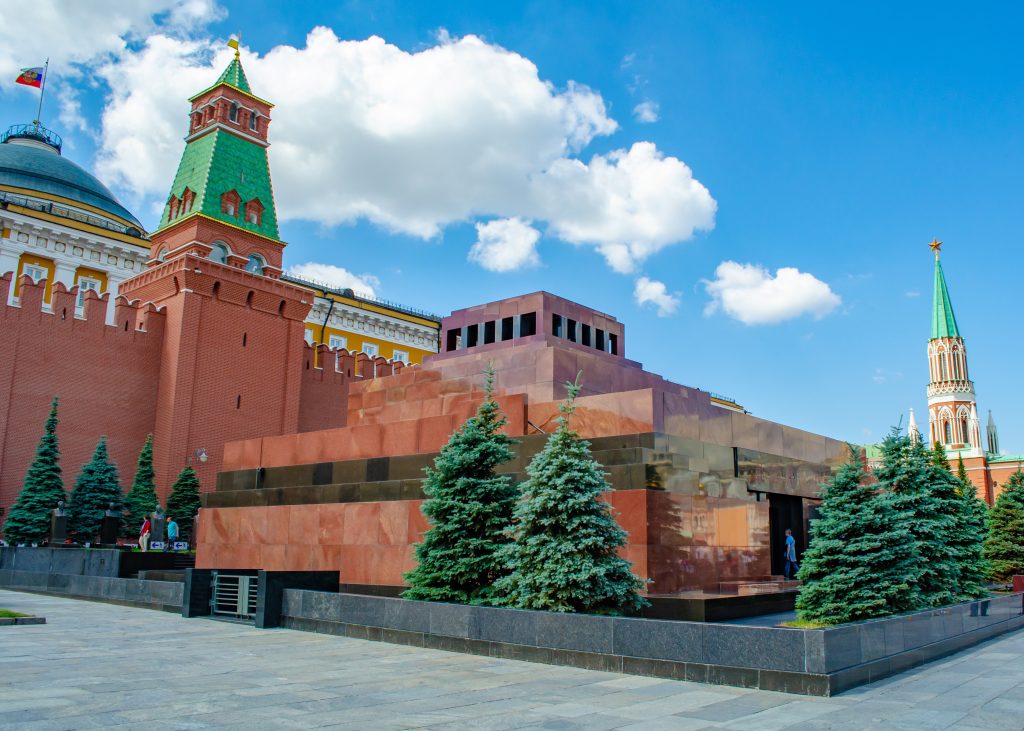
Located prominently in Red Square, Lenin’s Mausoleum preserves the embalmed body of Vladimir Lenin, the founder of the Soviet Union. Built in 1924, its stepped pyramid design reflects the austere Soviet architectural style.
The mausoleum serves as a powerful symbol of Soviet history and ideology, drawing millions of visitors annually. Guarded continuously, the structure offers a solemn experience, highlighting Russia’s revolutionary past.
Its dark granite and red marble exterior contrast sharply with the colorful surroundings, making it a unique and somber landmark in the heart of Moscow.
8. State Museum of Konstantin and Viktor Melnikov
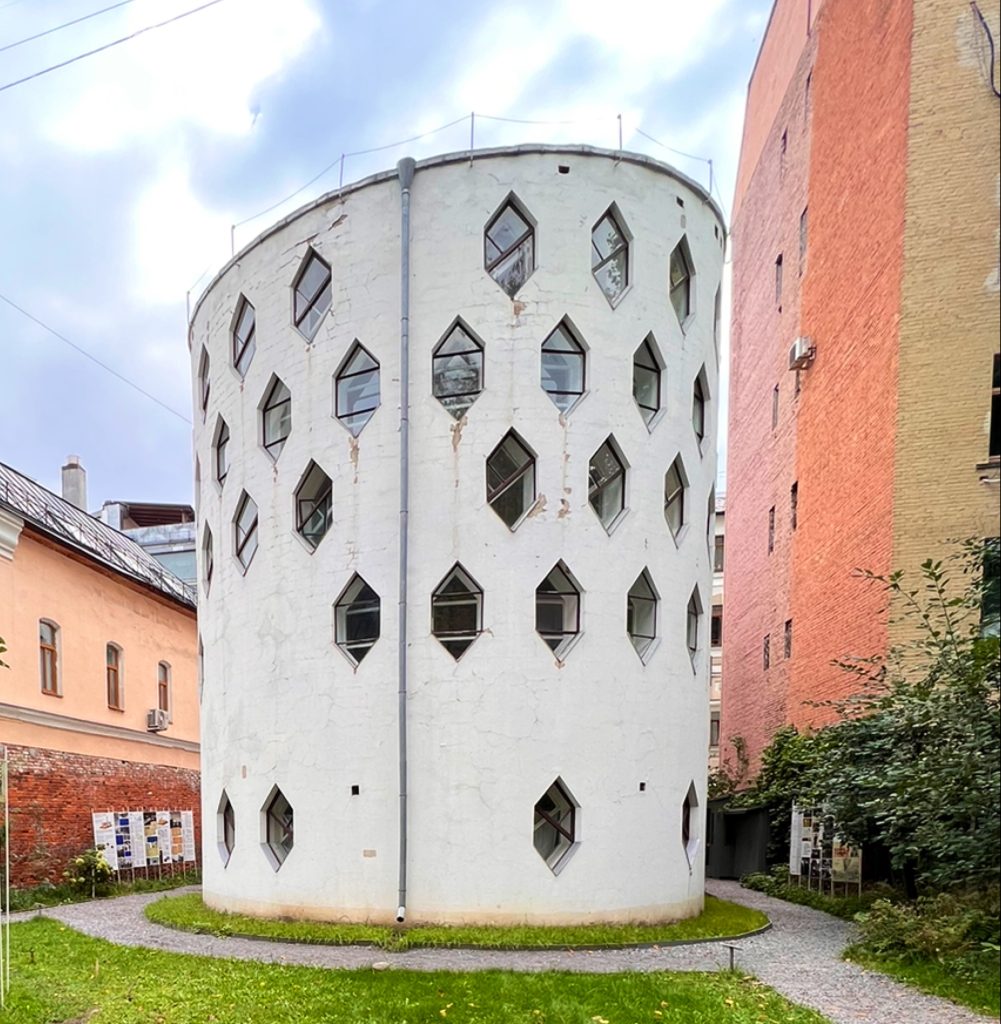
The State Museum of Konstantin and Viktor Melnikov, established in 2014, celebrates the innovative work of architects Konstantin and Viktor Melnikov.
Known for its avant-garde cylindrical design with distinctive diamond-shaped windows, the museum offers a rare glimpse into 1920s Constructivist architecture.
The Melnikov House, built in 1927 as Viktor Melnikov’s residence, features an experimental two-cylinder form exemplifying functional modernism.
Visitors interested in Russian avant-garde architecture find this museum a vital destination highlighting the fusion of artistic innovation and social purpose.
9. Exhibition of Achievements of National Economy(VDNKh)
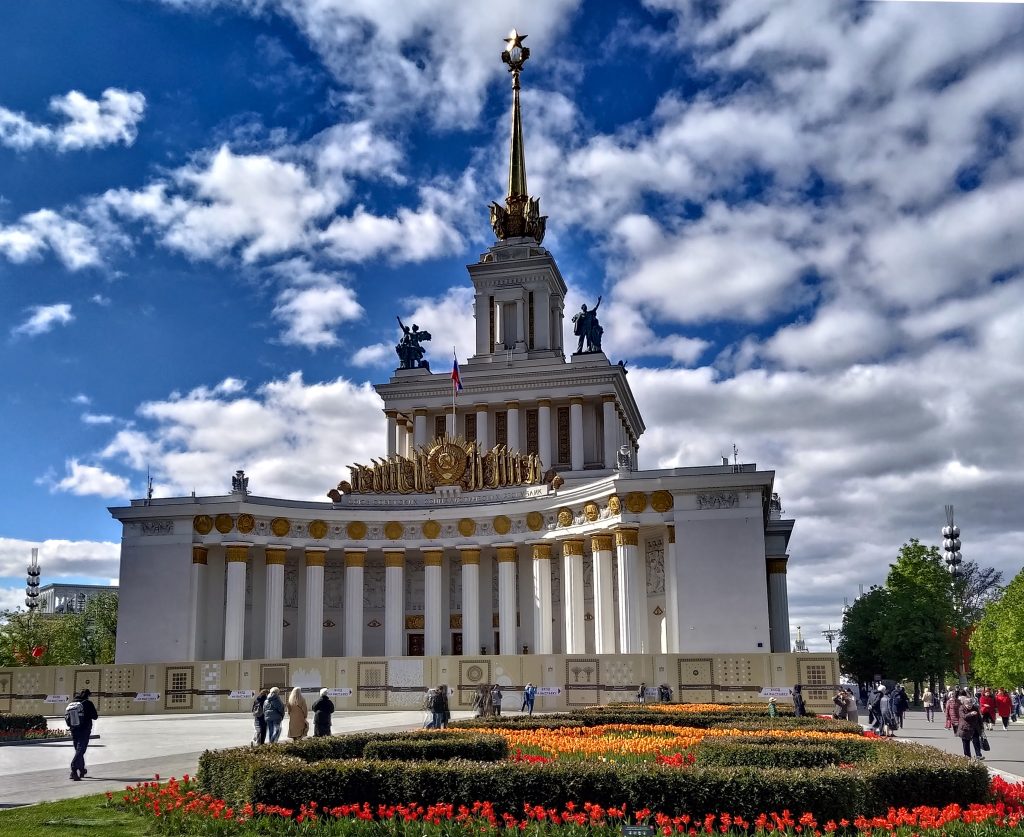
VDNKh is a vast cultural and exhibition complex in Moscow, covering over 500 acres and featuring more than 80 pavilions. Established in 1939, it originally showcased Soviet economic and scientific achievements.
The site is renowned for its magnificent Soviet-style architecture, including the iconic Friendship of Peoples fountain adorned with symbolic sculptures.
Today, VDNKh serves as a recreational space with restored pavilions housing museums, exhibition halls, and cultural institutions.
Specialized lighting enhances its grandeur both day and night, making it a unique monument reflecting Moscow’s rich history and innovation.
10. Dormition Cathedral
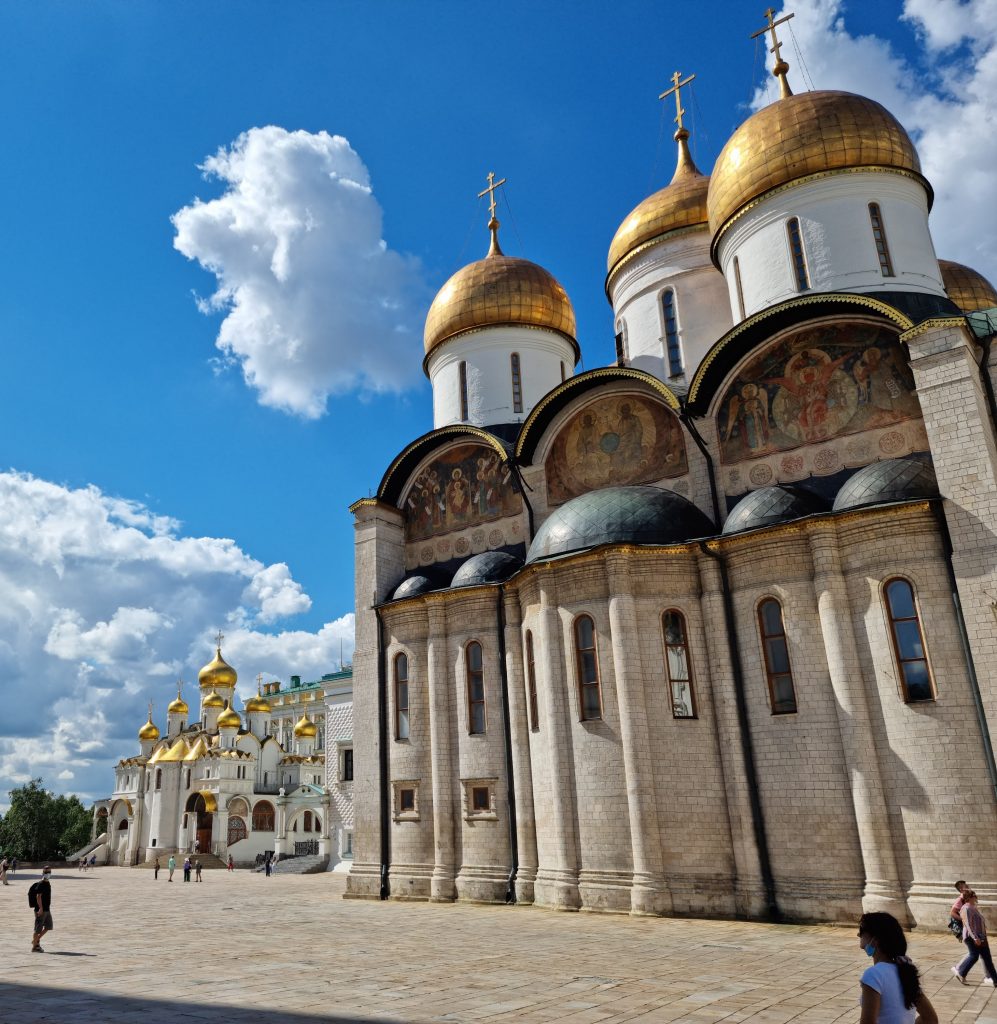
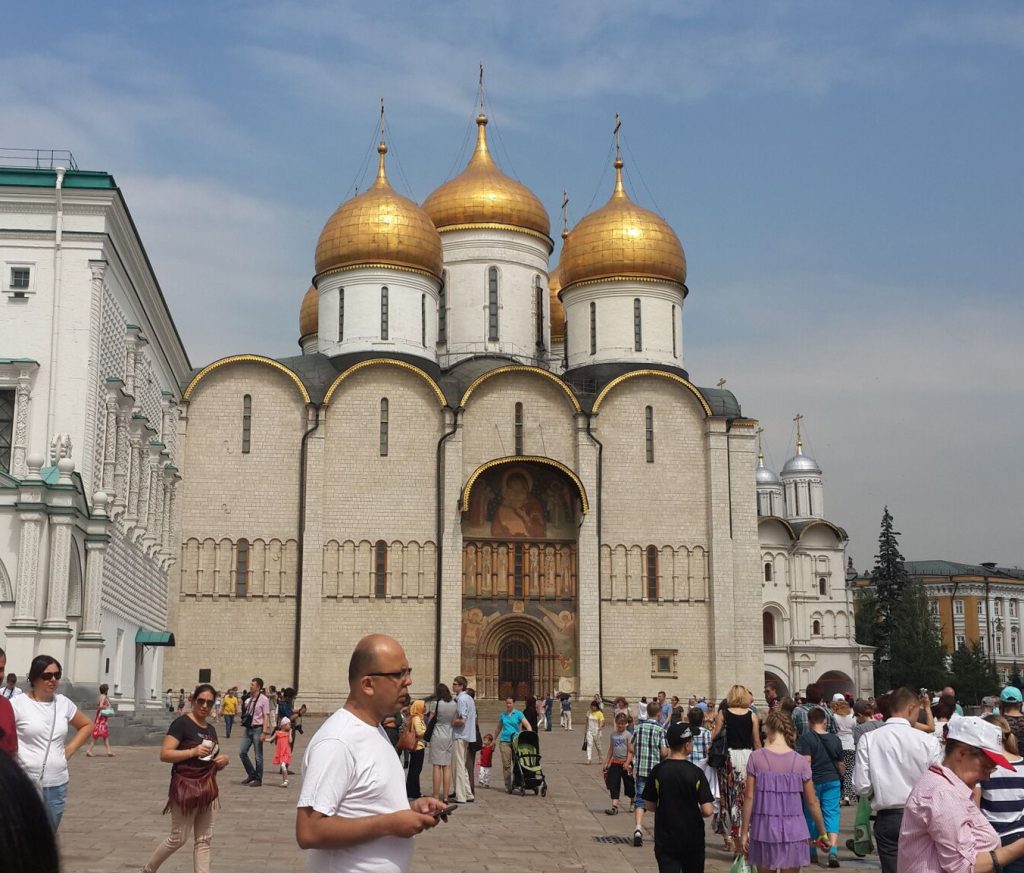
Built in the 15th century, the Dormition Cathedral stands as a masterpiece of Russian Orthodox architecture within the Kremlin. It features soaring white walls and golden domes that dominate Moscow’s skyline.
The cathedral served as the coronation site for Russian tsars, underscoring its political and spiritual significance. Designed in the Russian Revival style, it combines majestic frescoes with intricate iconostasis.
Visitors can admire its historic murals, rich religious symbolism, and the cathedral’s role in celebrating Moscow’s enduring cultural heritage. The nearby Patriarchs Bridge and Arbat Street complement the cathedral’s historic ambiance.
Alicia Richards