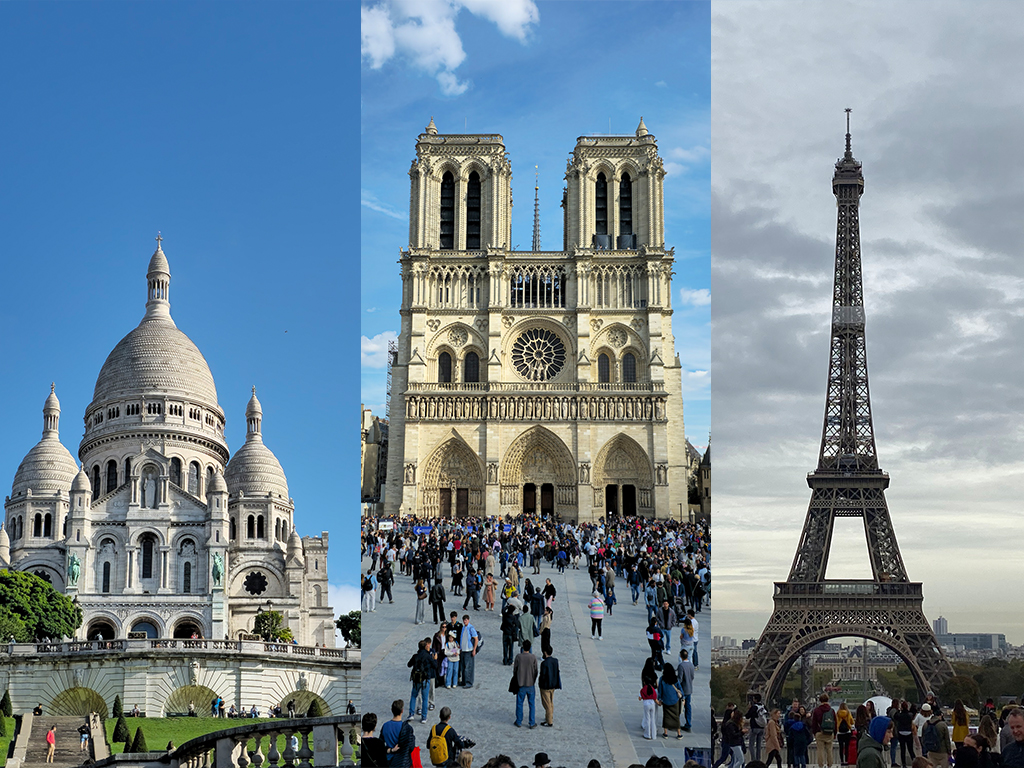
Paris stands as a beacon of art, history, and architectural brilliance. Its skyline is dotted with buildings that not only define the city’s character but also tell stories of centuries past.
From towering iron structures to Gothic cathedrals, Paris offers a visual journey through time and culture.
Exploring the city’s most famous buildings reveals a rich tapestry of design and heritage. These landmarks attract millions of visitors each year, making Paris the most visited city in the world.
Whether admired from the bustling streets or the serene banks of the Seine, these iconic structures continue to captivate and inspire.
1. Eiffel Tower
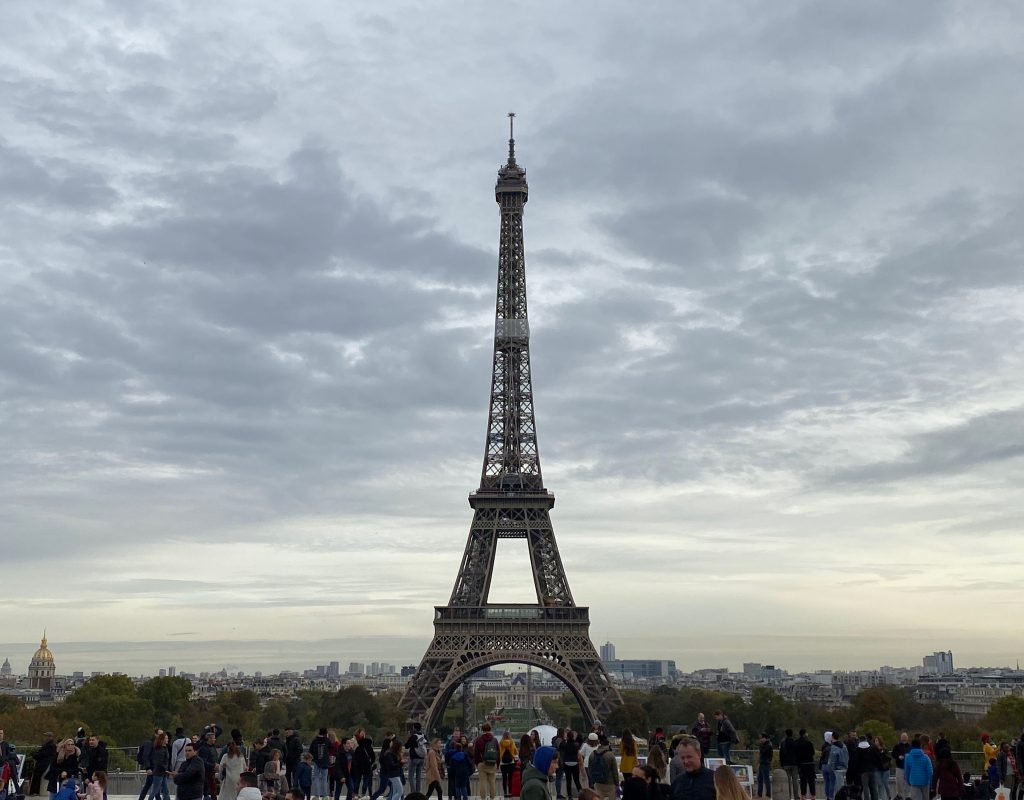
Standing 330 meters tall, the Eiffel Tower is Paris’s most famous landmark and a global symbol of France. Designed by Gustave Eiffel for the 1889 World’s Fair, it showcases iron lattice architecture.
Visitors can ascend its three levels for stunning panoramic views over Paris. Located on the Champ de Mars, it draws millions annually, blending historic significance with modern appeal.
Its iconic silhouette defines the city skyline, making it an unmissable building on any Paris itinerary.
2. Louvre Museum
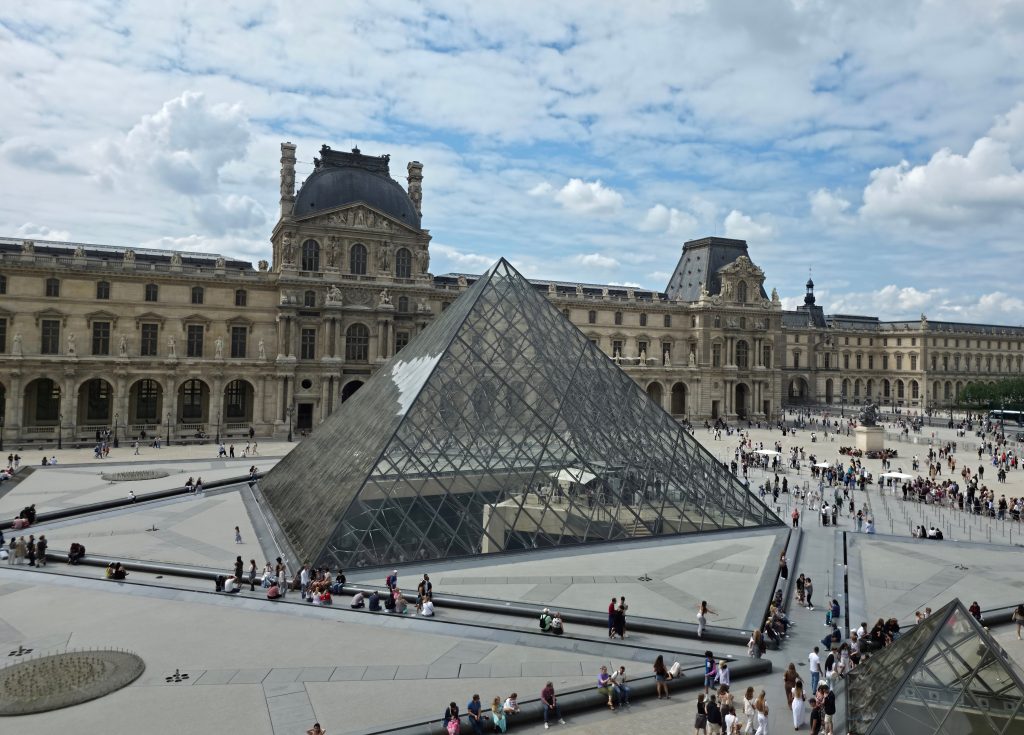
The Louvre Museum stands as the world’s largest art museum and a historic monument in Paris. Housing over 380,000 objects, it features masterpieces like the Mona Lisa and the Venus de Milo.
Visitors admire the striking glass pyramid entrance designed by I. M. Pei, which blends modern architecture with the classical palace. As a former royal palace, the Louvre showcases French history alongside global art collections.
Early morning visits help avoid crowds, allowing guests to fully appreciate its vast exhibitions and cultural significance.
3. Arc de Triomphe
Standing at the western end of the Champs-Élysées, the Arc de Triomphe honors those who fought and died for France during the French Revolutionary and Napoleonic Wars.
Commissioned by Napoleon in 1806, it features intricate reliefs depicting key battles and victories.
Visitors can climb 284 steps to reach the top, where a panoramic view of Paris unfolds, including major landmarks like the Eiffel Tower and Sacré-Cœur.
The Tomb of the Unknown Soldier lies beneath, marked by an eternal flame honoring fallen soldiers. The monument remains a powerful symbol of French patriotism and history.
4. Notre Dame de Paris
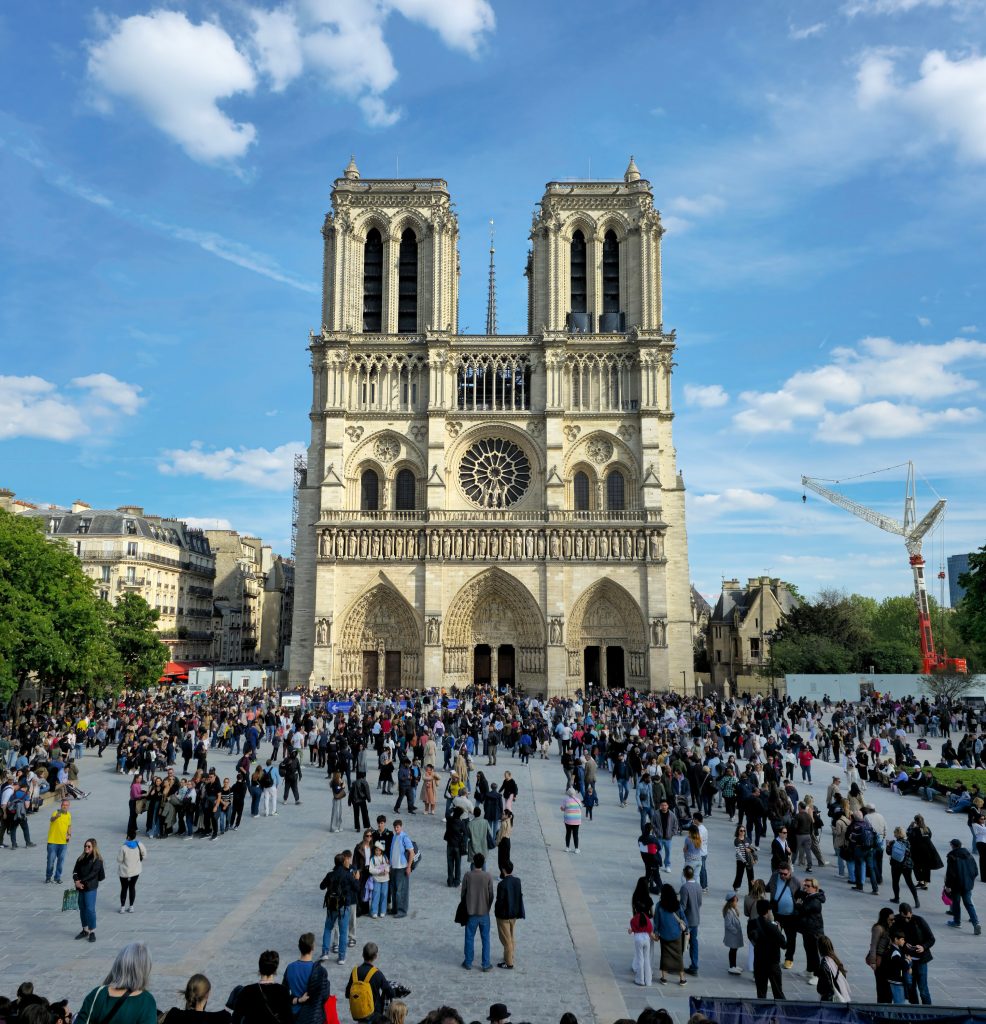
Standing as a masterpiece of Gothic architecture, Notre Dame de Paris dates back to the 12th century. Its soaring spires, detailed gargoyles, and iconic rose windows illustrate medieval artistry at its peak.
Visitors explore its vast interior featuring stunning stained glass, including the famed North Rose Window. Despite the 2019 fire, restoration efforts are underway to preserve its historic significance.
Located on Île de la Cité, this cathedral remains a symbol of Parisian heritage and religious history, drawing millions annually.
5. Sacré-Cœur, Paris
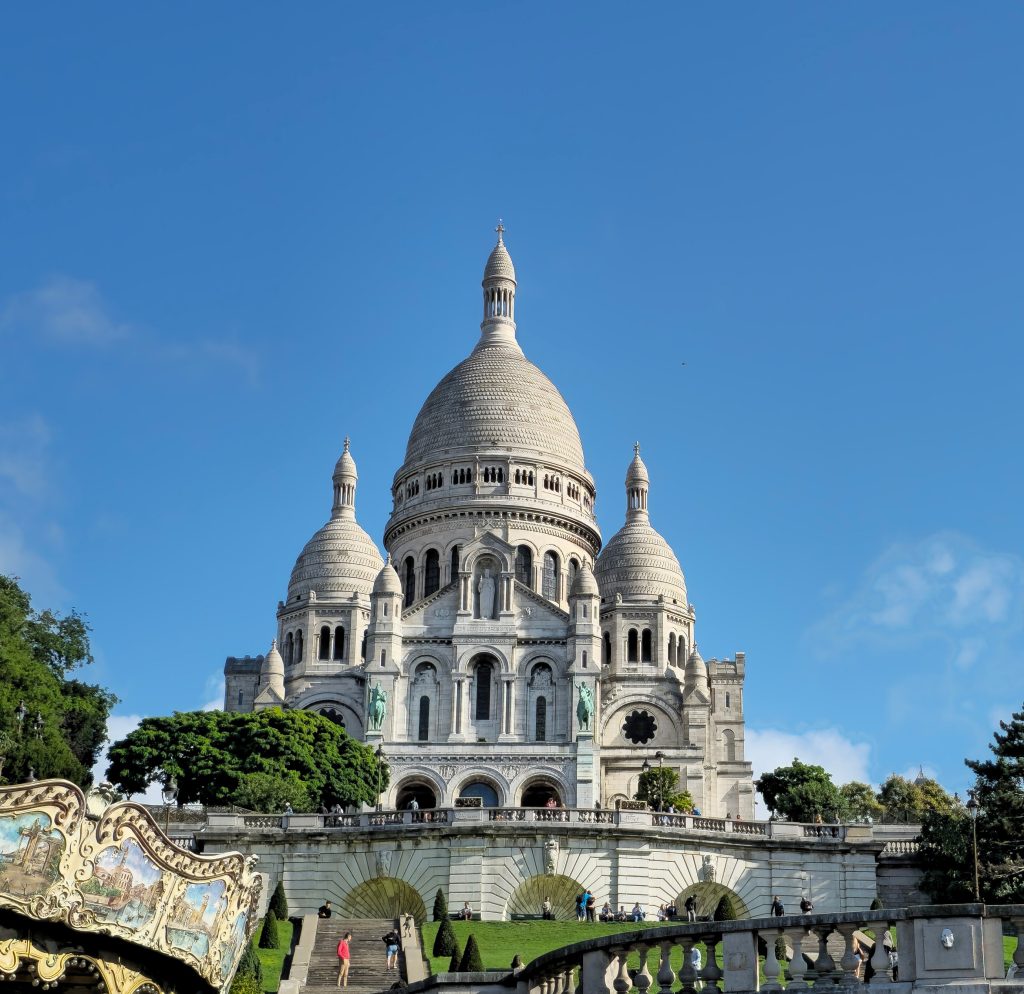
Standing atop Montmartre hill, Sacré-Cœur Basilica offers one of Paris’s most breathtaking views. Built between 1875 and 1914 in Romano-Byzantine style, its white travertine stone keeps the basilica gleaming.
Visitors admire its massive dome, exquisite mosaics—especially the Christ in Glory in the apse—and peaceful interior.
The basilica symbolizes spiritual renewal after the Franco-Prussian War and remains a religious site and popular tourist destination.
Its location also allows easy access to Montmartre’s artistic charm and lively streets below.
6. Les Invalides
Les Invalides stands as a grand example of French Baroque architecture in Paris. Built in the 17th century by Louis XIV, it originally served as a hospital and retirement home for war veterans.
Visitors can explore the sprawling complex, which includes the Musée de l’Armée, housing extensive military collections and artifacts.
Les Invalides is also renowned for its magnificent golden dome, under which lies the tomb of Napoleon Bonaparte.
This landmark blends history, art, and architecture, making it a must-see for those interested in France’s military past and royal grandeur.
7. Palais Garnier
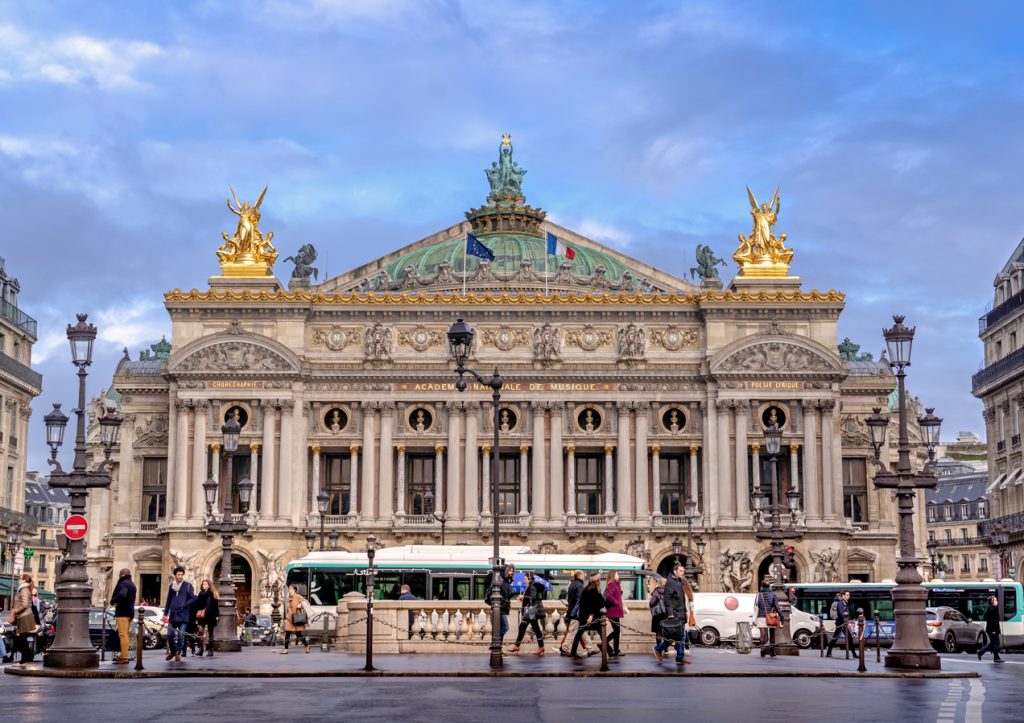
Marvel at the Palais Garnier, Paris’s grand opera house and a masterpiece of 19th-century Beaux-Arts architecture.
Designed by Charles Garnier, it opened in 1875 and is famed for its ornate façade, grand staircase, and lavish interiors adorned with frescoes and sculptures.
Experience performances or explore the building’s opulent foyers, stunning auditorium with its iconic Chagall ceiling, and historic library-museum.
Palais Garnier symbolizes Paris’s cultural refinement and artistic heritage, attracting millions seeking both opera and architectural brilliance.
8. Centre Pompidou
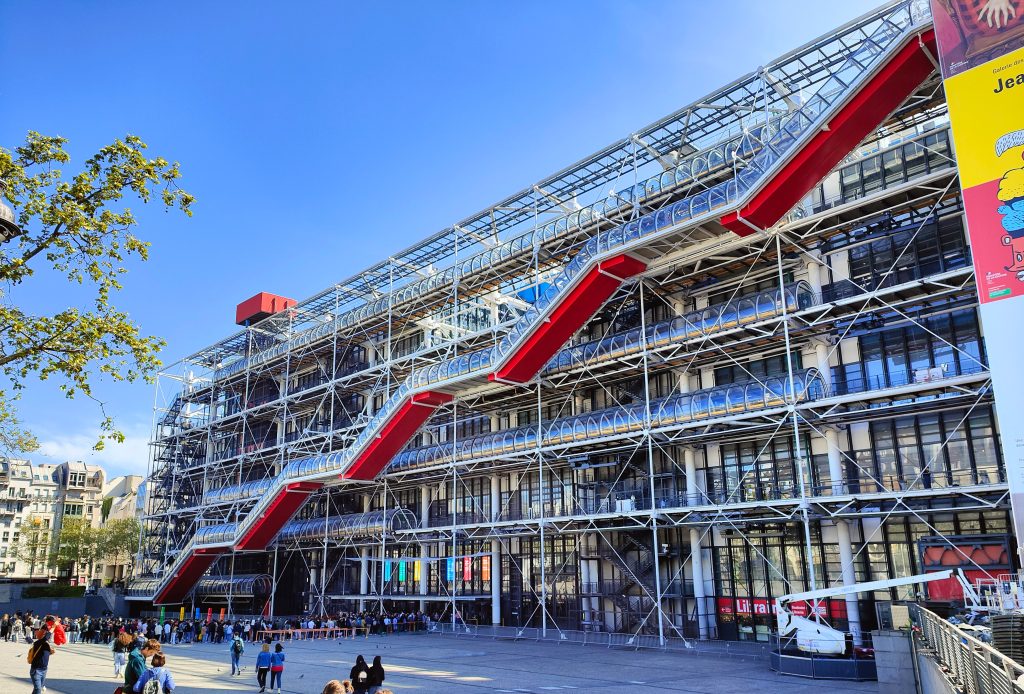
Showcasing high-tech architecture, the Centre Pompidou stands out with its, color-coded exterior pipes and ducts.
Designed by Renzo Piano and Richard Rogers, it serves as one of Europe’s largest modern art museums.
Hosting masterpieces by Picasso, Dalí, and Warhol, the center offers dynamic exhibitions alongside a panoramic rooftop view of Paris.
Located near the Les Halles shopping district, it remains a cultural hub for contemporary arts and is undergoing renovations to enhance its facilities. Visitors can also enjoy its rooftop restaurant, blending art and cityscape experiences.
9. Luxembourg Palace
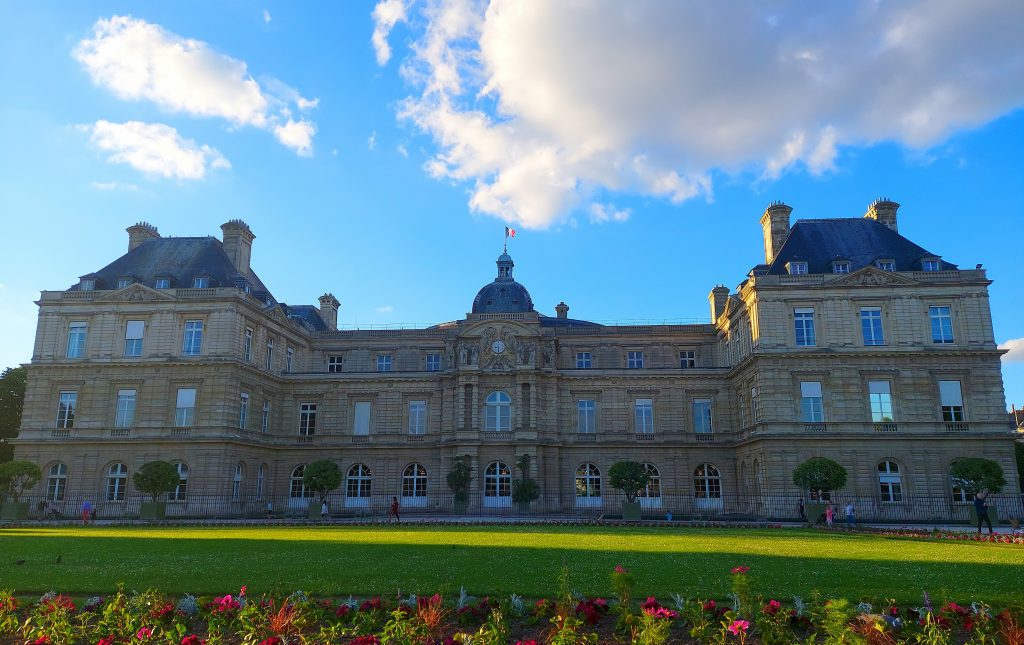
Built in 1617 for Marie de Medici, Luxembourg Palace blends French and Italian architecture, inspired by Florence’s Pitti Palace. It now houses the French Senate, making it politically important.
Visitors love its sprawling gardens, one of Paris’s best parks, perfect in spring or autumn. Architect Salomon de la Brosse designed the palace’s elegant façade and interiors.
Families enjoy the children’s playground, adding charm to this historic and functional landmark. Luxembourg Palace stands as a symbol of art, history, and governance within Paris’s 6th arrondissement.
10. Musée d’Orsay
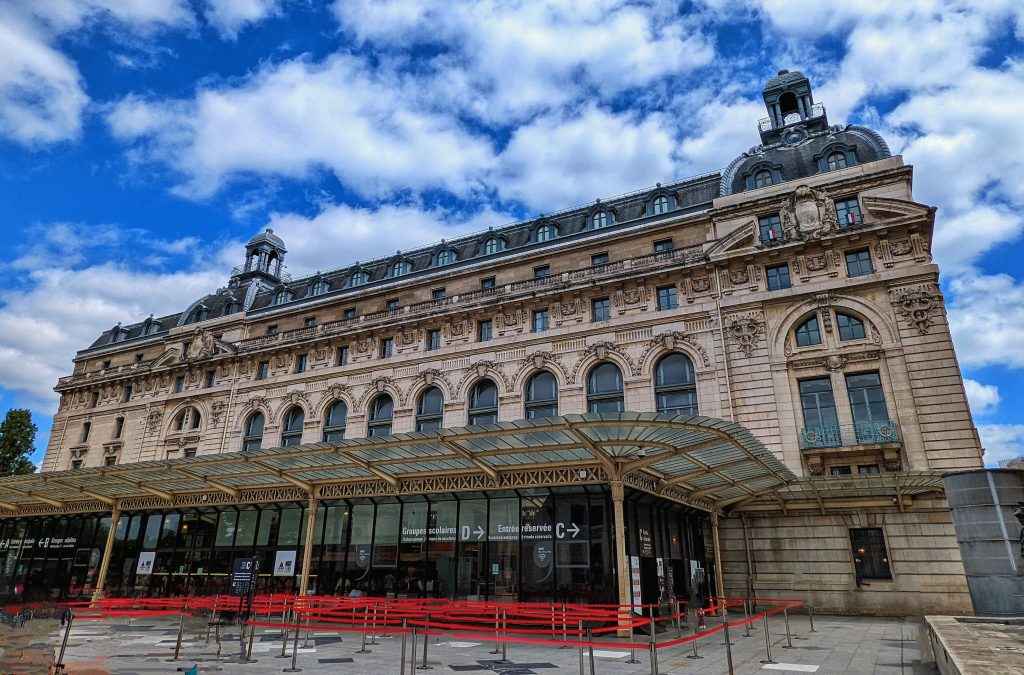
Located on the left bank of the Seine, Musée d’Orsay is renowned for its vast collection of Impressionist and Post-Impressionist masterpieces by artists like Monet, Van Gogh, and Degas.
Originally a Beaux-Arts railway station built in 1900, the building’s stunning architecture blends elegance and industrial design.
Visitors can explore paintings, sculptures, and decorative arts spanning 1848 to 1914. The museum offers insight into a transformative period in French art history, making it an essential stop for art lovers visiting Paris.
Alicia Richards