Rome stands as a timeless testament to history and architecture, boasting over 200 ancient monuments that continue to captivate millions each year.
From the imposing Colosseum, the world’s largest ancient amphitheater, to the awe-inspiring Pantheon attracting over eight million visitors annually, the city’s buildings offer a vivid glimpse into its rich past.
Each landmark in Rome tells a unique story, whether it’s the Renaissance artistry of Capitoline Hill or the spiritual grandeur of St. Peter’s Basilica.
These iconic structures reveals not only architectural brilliance but also the cultural and historical layers that shaped one of the world’s greatest cities.
Rome’s top buildings means stepping into a living museum where every stone echoes centuries of civilization, innovation, and artistry.
1. Colosseum
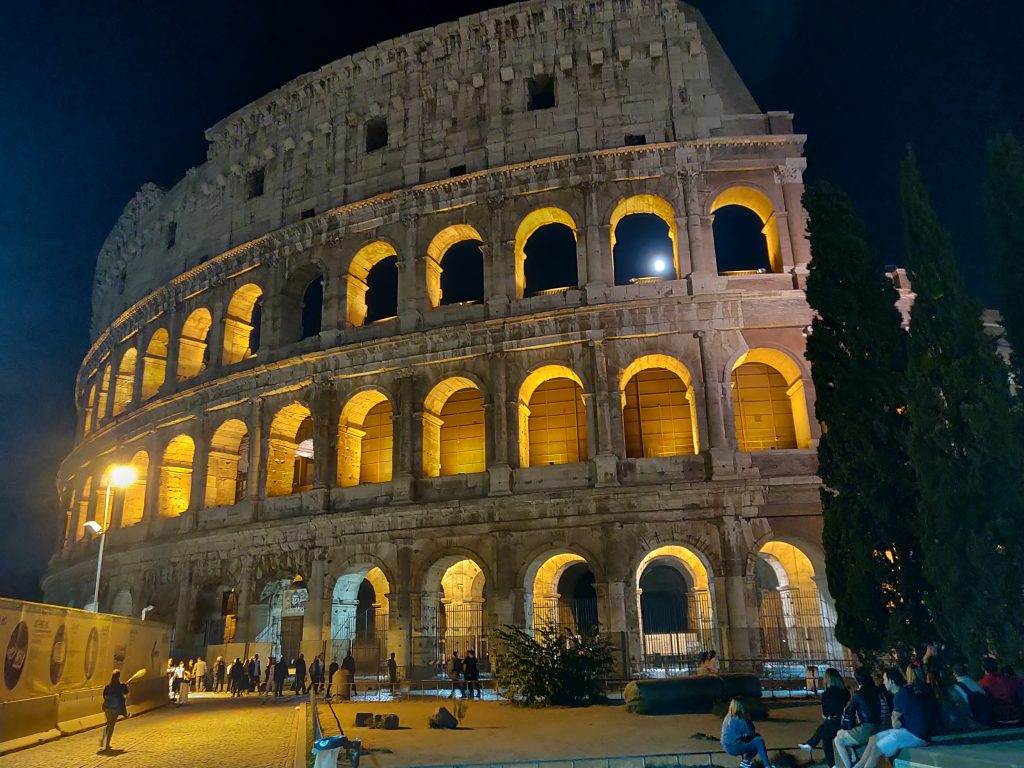
The Colosseum, Rome’s largest ancient amphitheater, seats up to 50,000 spectators and stands as a symbol of Roman engineering.
Built between 70 and 80 AD, it hosted gladiator battles, hunts, and public spectacles. Visitors can explore the underground chambers where fighters and beasts awaited combat or sit in the upper tiers to experience the view once enjoyed by emperors.
This UNESCO World Heritage Site remains the most visited landmark in Rome, attracting over 7 million tourists annually.
2. Pantheon Rome
The Pantheon, built between 118-128 AD by Emperor Hadrian, stands as a masterpiece of ancient Roman engineering. Its massive dome, with a central oculus, remains the largest unreinforced concrete dome in the world.
Located at Piazza della Rotonda, the Pantheon attracts over 8 million visitors annually, making it Rome’s most visited landmark.
Originally a Roman temple, it now serves as a church and a symbol of Rome’s architectural innovation and historical significance. Its perfect proportions and preservation offer a unique glimpse into ancient Rome’s technological advances.
3. Castel Sant’Angelo
Castel Sant’Angelo was built between 135-139 AD as Emperor Hadrian’s mausoleum. It later transformed into a papal fortress, connected to St. Peter’s Basilica through the secret Passetto di Borgo corridor.
Over centuries, it served as a prison, refuge, and residence. Today, it functions as a museum showcasing artifacts, statues, and Renaissance art.
Visitors can enjoy panoramic views of Rome from its top floor and admire the ornate St. Angelo Bridge nearby, making it a vital historical and architectural landmark in the Eternal City.
4. St. Peter’s Basilica
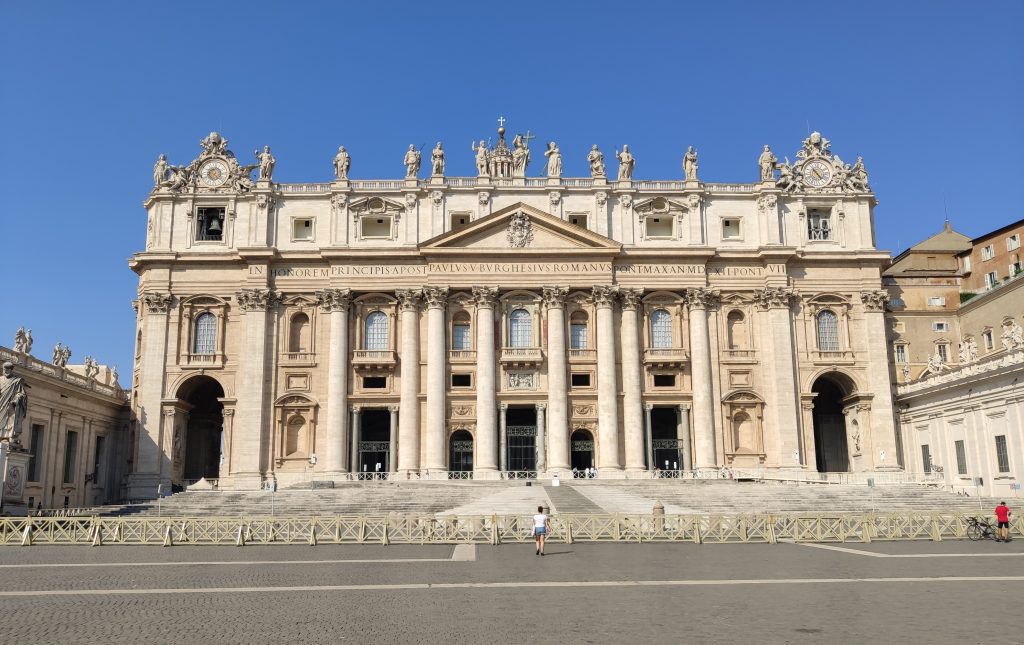
Standing in Vatican City, St. Peter’s Basilica is one of the world’s most famous cathedrals and a cornerstone of Rome’s cultural identity. Its massive dome, designed by Michelangelo, spans 42 meters and dominates the skyline.
The basilica houses Michelangelo’s Pietà and other Renaissance masterpieces. Built over St. Peter’s tomb, it serves as the heart of the Catholic Church and the venue for papal liturgies.
Visitors can explore its vast interior, admire holy relics, and climb the dome for stunning views of Rome and the Vatican.
5. Theatre of Marcellus
Constructed between 13 and 11 BC, the Theatre of Marcellus is Rome’s oldest surviving theater. Commissioned by Emperor Augustus and named after his nephew Marcellus, it could seat around 20,000 spectators for ancient dramas and musical performances.
Its impressive three-tiered structure showcases Roman engineering brilliance, blending Doric, Ionic, and Corinthian columns.
Though partially ruined, the theater’s massive outer walls remain iconic, influencing Renaissance architecture.
Today, it stands near the Tiber River, blending ancient history with modern residential use, offering a unique glimpse of Rome’s evolving urban landscape.
6. Palazzo della Civiltà Italiana
Palazzo della Civiltà Italiana, known as the Square Colosseum, stands in Rome’s EUR district as a symbol of Fascist architecture.
Commissioned by Mussolini for the canceled 1942 World Fair, it features stark white travertine marble and a series of loggias adorned with statues along each side.
Its linear, symmetrical design contrasts with Rome’s classical cupolas yet showcases a unique modern beauty.
Today, it serves as Fendi’s headquarters, where visitors can explore rotating exhibits on the ground floor, blending historical significance with contemporary culture.
7. Doria Pamphilj Gallery
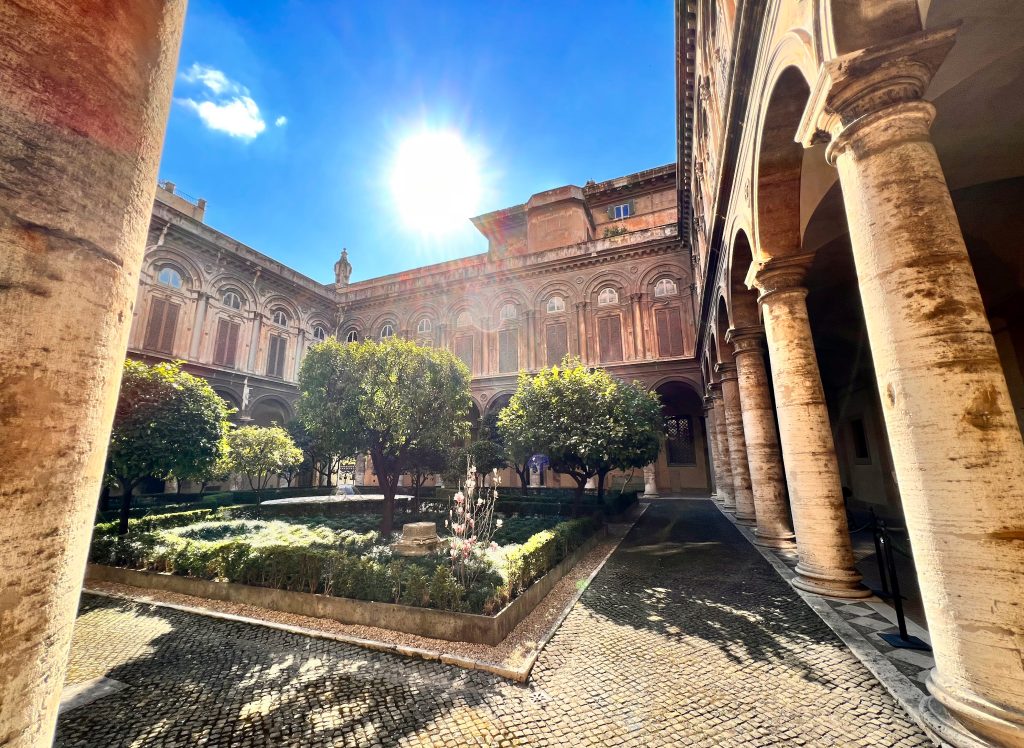
The Doria Pamphilj Gallery houses one of Rome’s most extensive private art collections. It features masterpieces by Caravaggio, Titian, and Velázquez, showcasing centuries of Italian and European art.
Visitors explore the richly decorated rooms of the historic palazzo while admiring stunning paintings, sculptures, and frescoes.
This gallery offers a unique cultural experience, blending Renaissance and Baroque art within a palatial setting that reflects the grandeur of Rome’s noble families.
8. MAXXI
MAXXI, Italy’s first contemporary art museum, showcases 21st-century art and architecture in a stunning building designed by Zaha Hadid.
Its futuristic concrete and glass structure features bold cantilevers, sharp facades, and sinuous galleries that flow seamlessly.
Opened in 2010 in Rome’s Flaminio district, MAXXI hosts exhibitions, workshops, and events. The museum’s dynamic design complements large-scale installations by artists like Gerhard Richter and Anish Kapoor.
Located near the River Tiber, MAXXI also offers a rooftop bar with views of the Mausoleum of Augustus, blending modern innovation with Rome’s rich history.
9. Trajan’s Market
Trajan’s Market, built between 100-110 AD by Emperor Trajan, stands as the world’s first covered shopping mall.
This vast ancient complex housed over 150 shops and apartments across six floors, combining commercial and administrative functions.
Designed by Apollodorus of Damascus, it served as a bustling trade center in ancient Rome. Visitors today can explore its well-preserved ruins on Via IV Novembre, offering a unique insight into Roman urban life and innovative engineering.
10. Palace of Justice, Rome
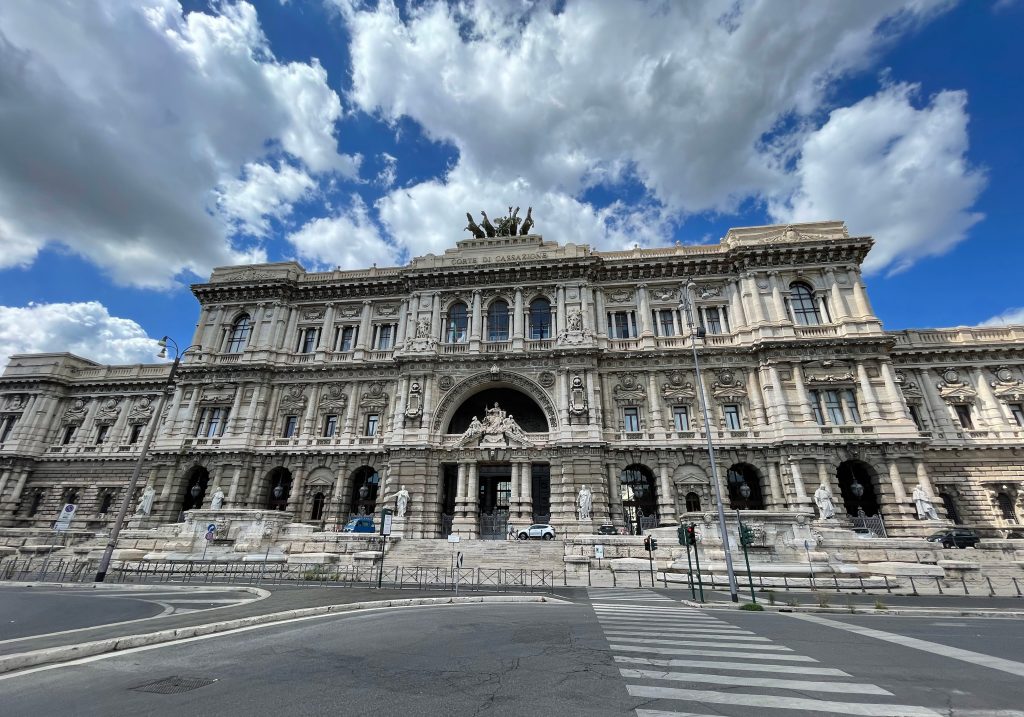
Standing as a monumental symbol of Rome’s legal system, the Palace of Justice dazzles with its grandiose architecture.
Completed in 1910, this massive building features ornate sculptures and intricate details reflecting early 20th-century design.
Located in the Prati district near the Tiber River, it houses the Supreme Court of Cassation. Visitors admire the palace’s imposing façade and the elegant interior courtyards, showcasing Rome’s blend of judicial authority and artistic mastery.
The Palace of Justice remains a key landmark representing Rome’s civic power and architectural prestige.
Alicia Richards