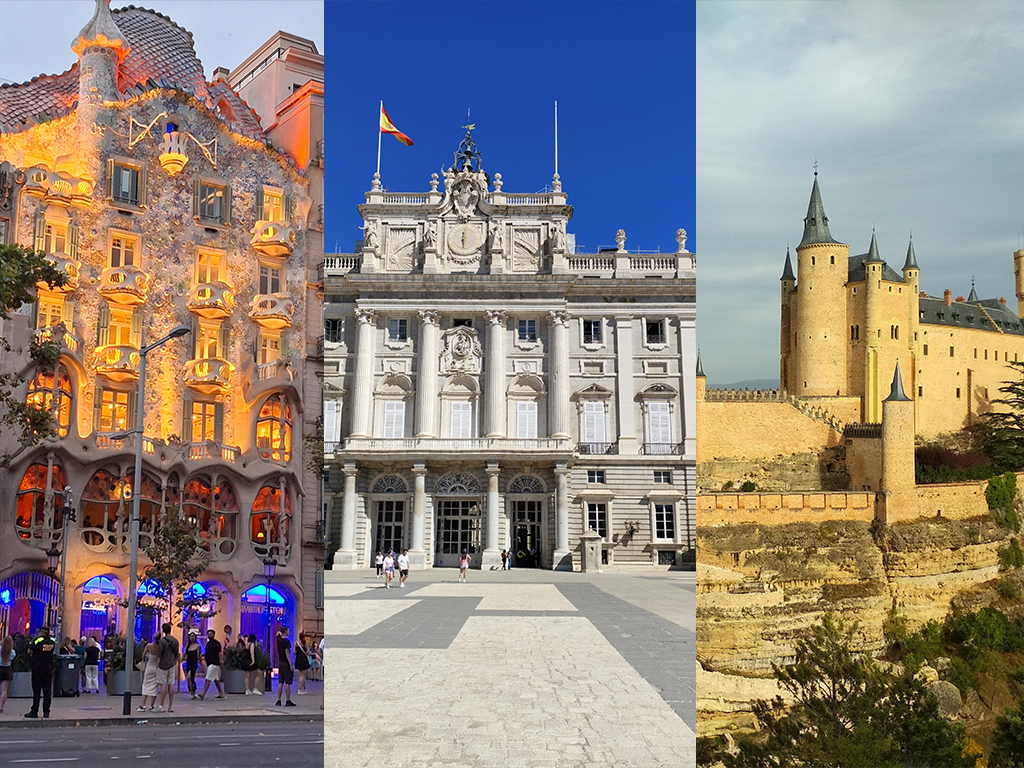
Spain boasts a rich architectural heritage that spans centuries and styles. From medieval castles to modernist masterpieces, the country’s buildings tell stories of its diverse cultural history and artistic innovation.
Visitors flock to Spain not only for its vibrant cities and sunny beaches but also to experience these iconic structures firsthand.
Among Spain’s thousands of landmarks, a select few stand out for their historical significance and stunning design.
These buildings attract millions of tourists each year, offering a glimpse into the nation’s past and present.
1. Sagrada Familia
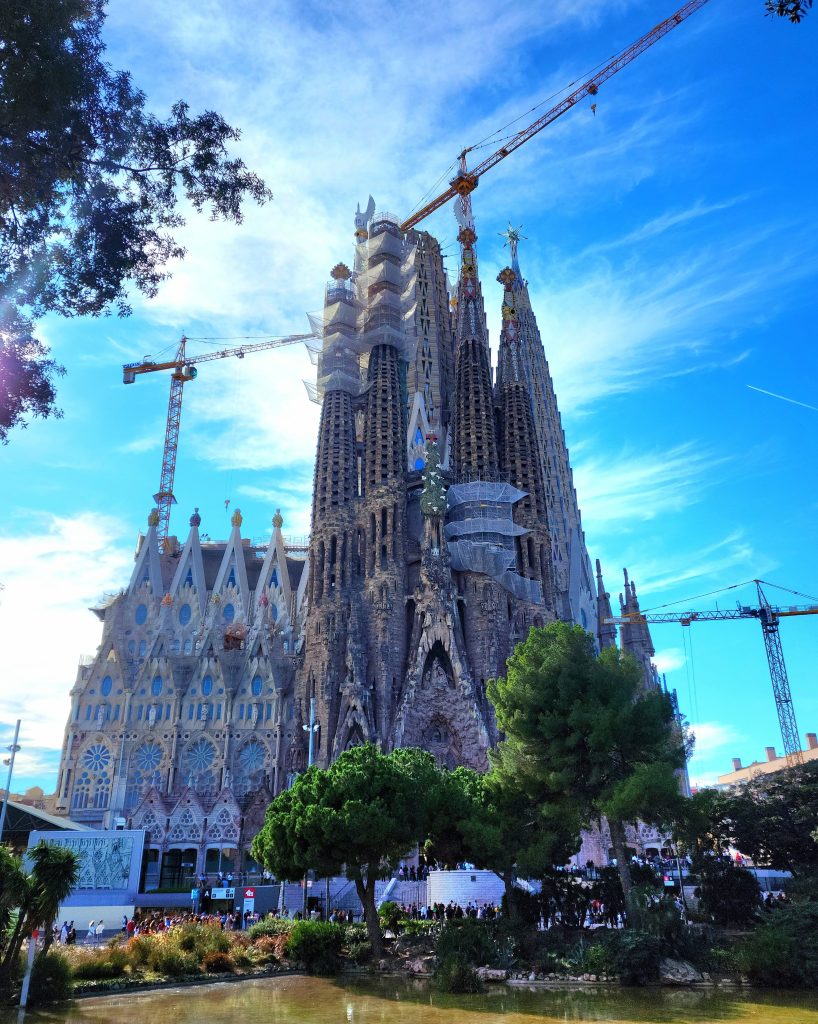
The Sagrada Familia stands as Spain’s most iconic architectural marvel. Designed by Antoni Gaudí, this massive basilica has been under construction since 1882 and remains unfinished.
Its towering spires symbolize the connection between heaven and earth, drawing over 5 million visitors annually.
Gaudí’s signature organic forms and vibrant colors create an awe-inspiring façade and interior, highlighted by stunning stained glass windows.
Set to complete by 2026, the Sagrada Familia is a UNESCO World Heritage site and the largest unfinished Catholic church worldwide, representing a masterpiece of modernist architecture.
2. Alhambra
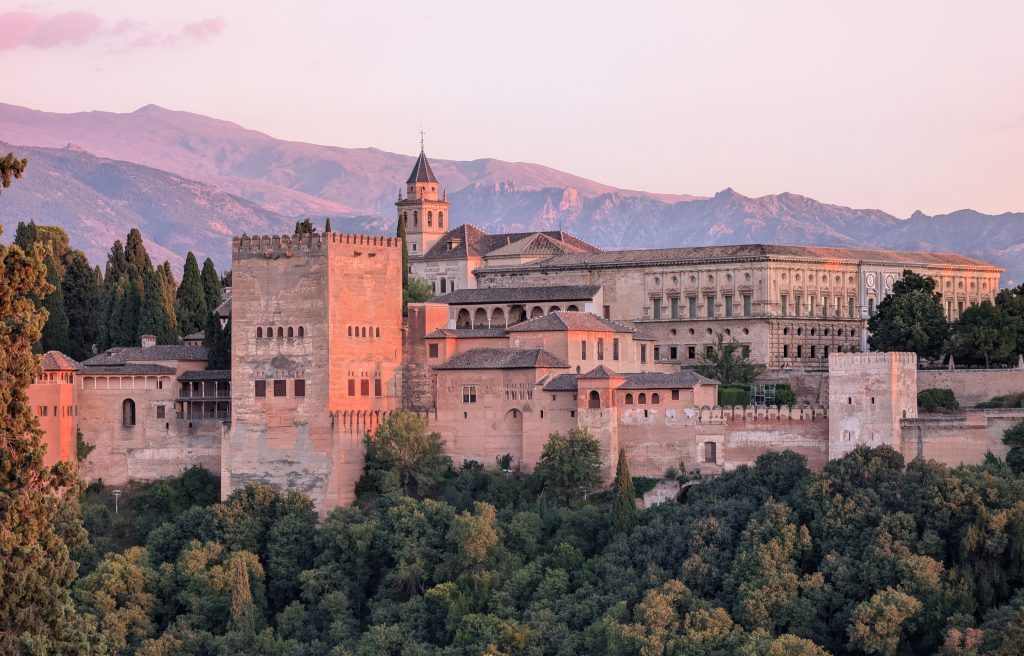
Perched on Sabika Hill in Granada, the Alhambra is a breathtaking Moorish fortress and palace complex.
Originating as a 9th-century fortress, it expanded in the 13th century under King Mohammed ben AlHamar into an intricate site with palaces, gardens, and military structures.
Its Nasrid Palaces showcase exquisite Islamic architecture with detailed tilework, stucco ceilings, and calligraphy. Visitors also admire the lush Generalife Gardens, a serene Nasrid estate from the 14th century.
Designated a UNESCO World Heritage Site, the Alhambra attracts nearly 3 million visitors annually, making it one of Spain’s most famous and visited landmarks.
3. Cathedral of Santiago de Compostela
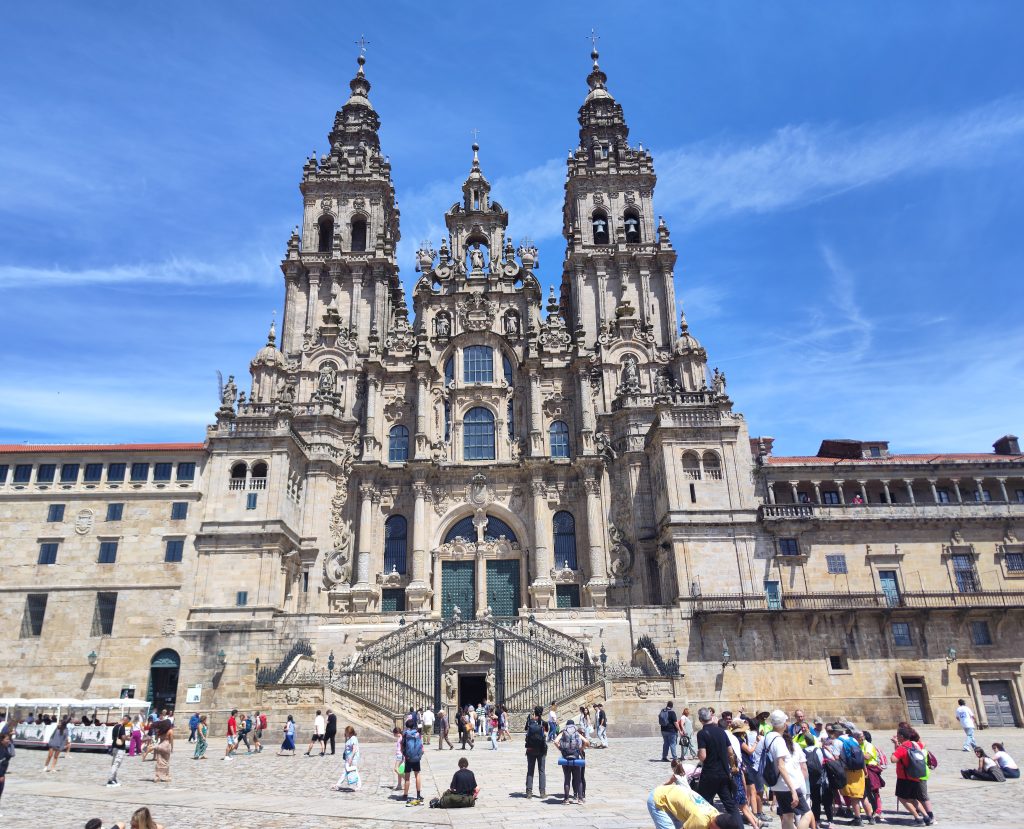
Completed over centuries from 1075 to the 12th century, the Cathedral of Santiago de Compostela stands as a monumental religious landmark in Galicia.
It houses the revered tomb of St. James the Apostle, attracting thousands of pilgrims annually via the Camino de Santiago.
This UNESCO World Heritage Site showcases a blend of Romanesque, Gothic, and Baroque architectural styles.
Daily pilgrim masses highlight its spiritual significance. The cathedral’s historic center, also UNESCO-listed, offers visitors rich cultural and architectural experiences.
4. Mosque-Cathedral of Córdoba
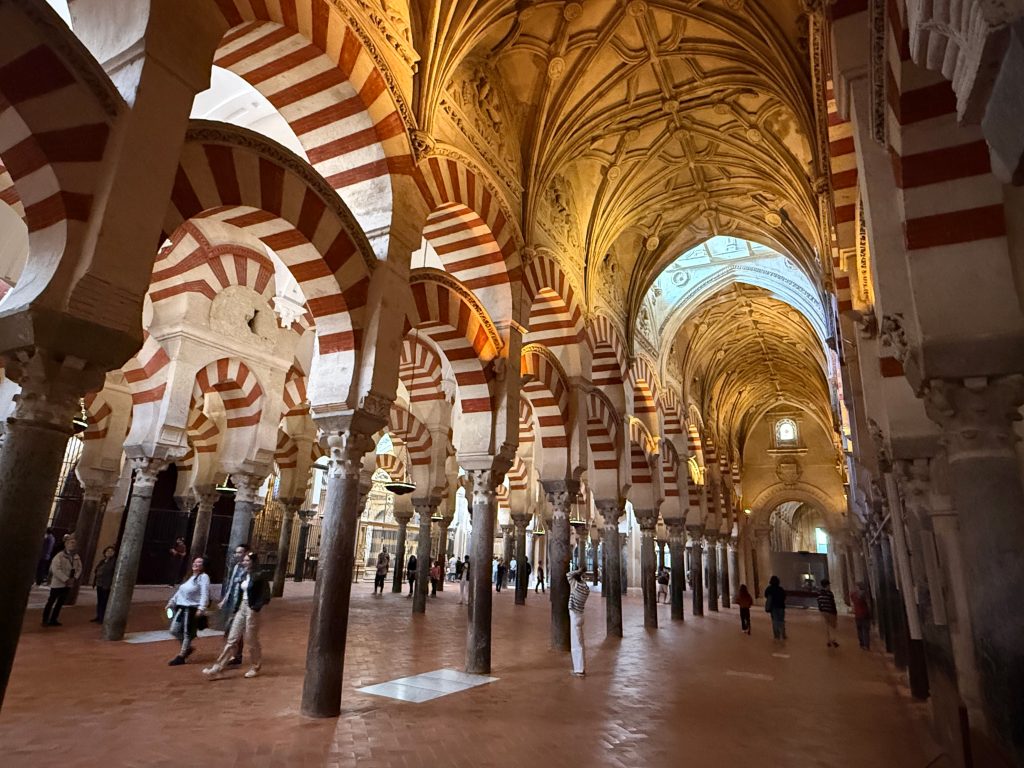
Standing as a symbol of Spain’s cultural fusion, the Mosque-Cathedral of Córdoba dates back to AD 785 when Abd al-Rahman I built it over a Visigoth church.
This UNESCO World Heritage Site combines Umayyad Islamic architecture with Gothic, Renaissance, and Baroque Christian elements after its 1236 conversion during the Reconquista.
Inside, visitors experience a vast forest of over 800 red and white horseshoe arches and notable highlights like the Mihrab, Visigoth mosaics, and a golden cathedral altar. Its bell tower offers panoramic city views, making it one of Spain’s most unique landmarks.
5. Guggenheim Museum Bilbao
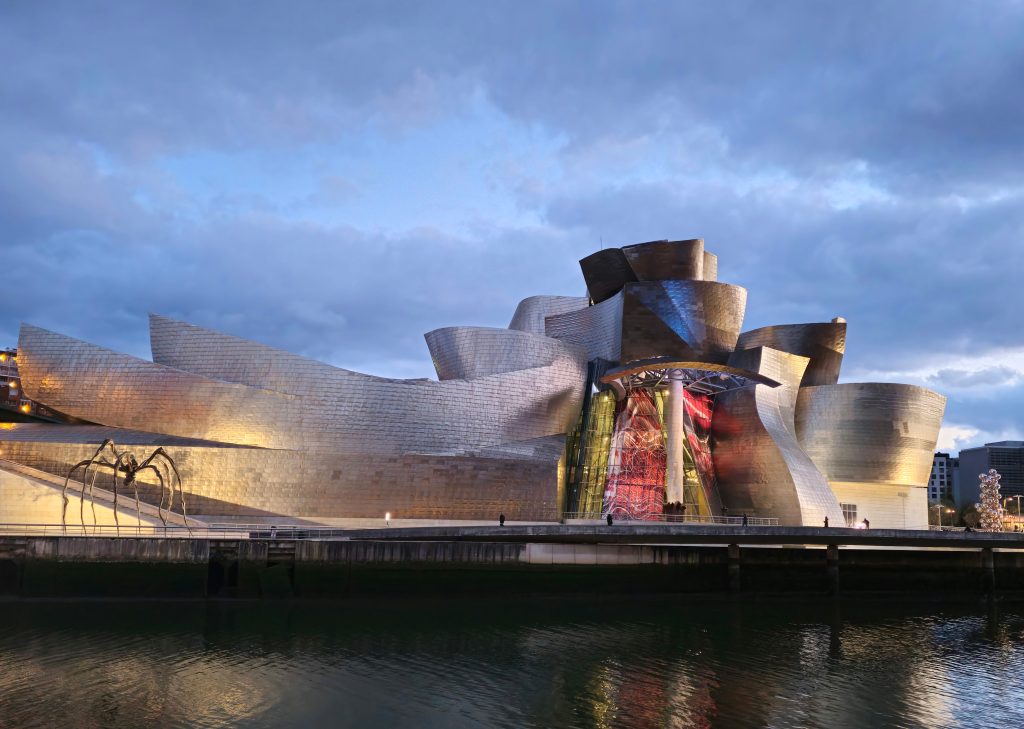
The Guggenheim Museum Bilbao, designed by Frank Gehry, stands as an architectural marvel in northern Spain’s Basque Country.
Opened in 1997, its titanium, glass, and limestone structure mimics a shimmering fish with sweeping, wind-filled sails.
Located along the Nervion River, the museum’s reflective façade integrates with the urban landscape, creating a stunning visual effect.
Inside, visitors explore modern and contemporary collections featuring artists like Jeff Koons, Richard Serra, and Anish Kapoor.
Iconic outdoor sculptures include Koons’ 42-foot Puppy and Louise Bourgeois’ 30-foot Maman spider, making it a must-visit landmark blending art and innovation.
6. Alcázar of Segovia
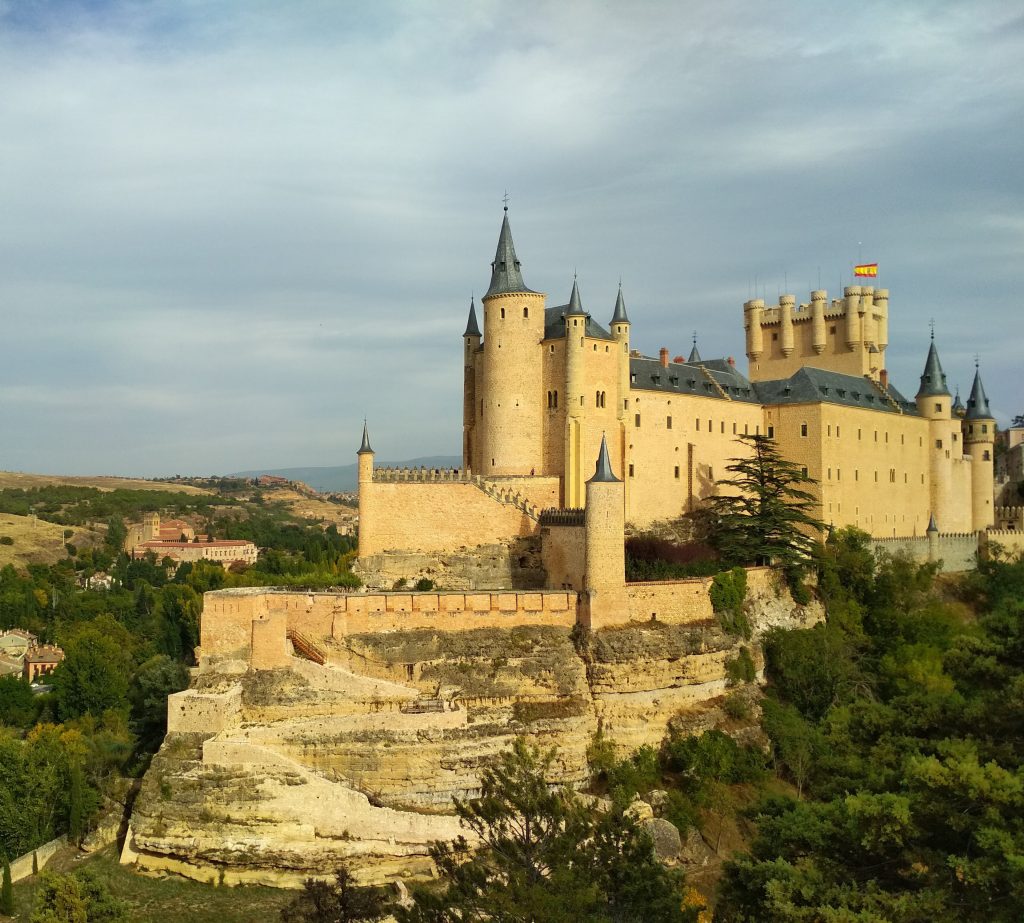
The Alcázar of Segovia stands as one of Spain’s most enchanting castles and a top day trip from Madrid. Known for inspiring Cinderella’s Castle, this fortress uniquely served as a royal residence rather than just a military stronghold.
Its origins date back to the 12th century, and it was a favored home for Castilian royalty before Madrid became the capital. Today, it houses the world’s oldest active military academy and remains undefeated in battle.
Visitors admire its fairy-tale towers, historic halls, and panoramic views, making it a must-see landmark rich in royal history and architectural beauty.
7. Plaza de España
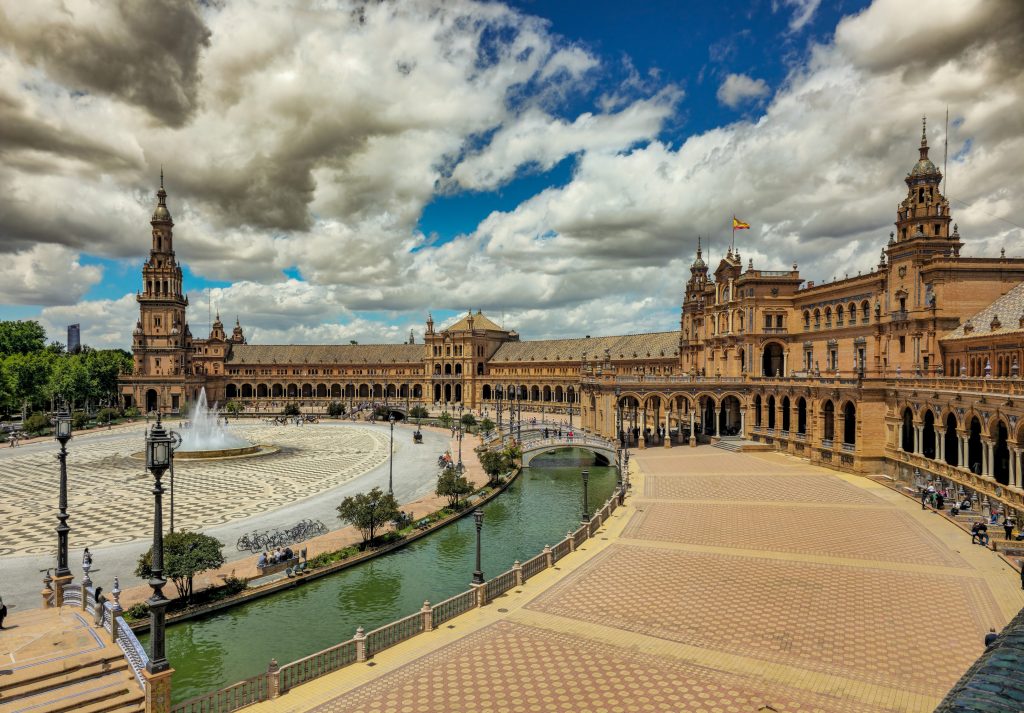
Built in 1928 for the Ibero-American Exposition, Plaza de España in Seville showcases a grand semicircular design with Art Deco, Moorish, Renaissance, and Baroque elements.
Designed by Aníbal González, its sweeping brick buildings frame a central fountain and canal crossed by four symbolic bridges representing Spain’s ancient kingdoms.
The plaza features 48 colorful ceramic-tiled alcoves, each illustrating a Spanish province’s history and location.
Surrounded by María Luisa Park, it remains an iconic landmark and has starred in films like Star Wars: Attack of the Clones.
8. Ciutat de les Arts i les Ciencies
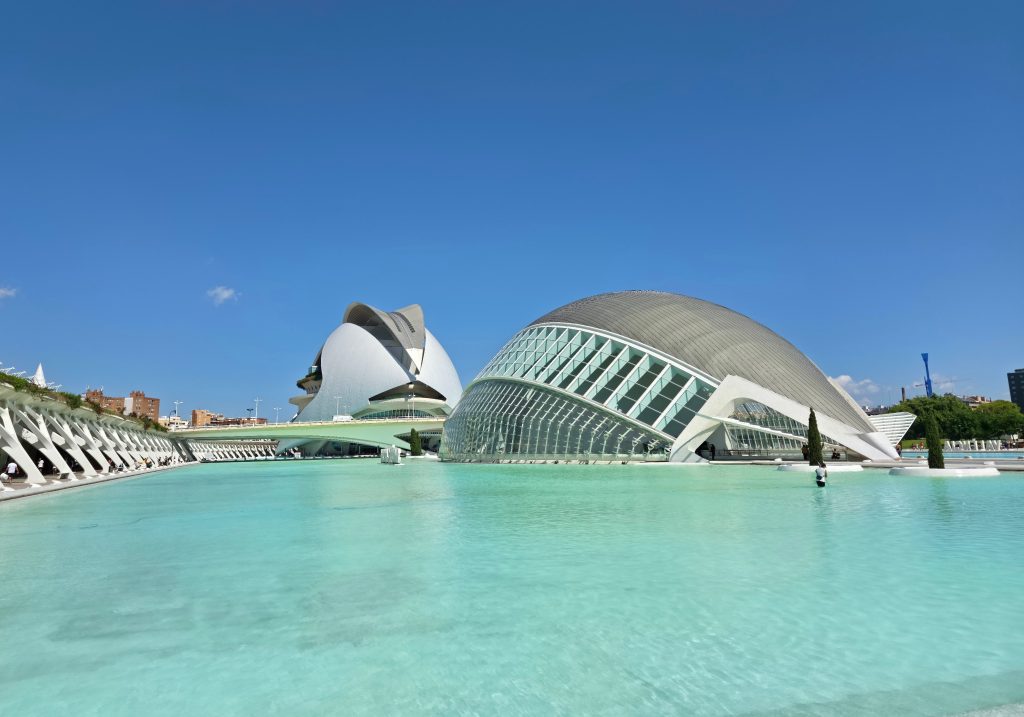
Located in Valencia, the Ciutat de les Arts i les Ciencies is a futuristic complex designed by Santiago Calatrava.
Opened in 1998, it features six main structures, including Europe’s largest aquarium, L’Oceanogràfic, the Hemisfèric 3D cinema, and the Príncipe Felipe Science Museum shaped like a dinosaur skeleton.
Set in the former Turia Riverbed park, the site blends innovative architecture with cultural and environmental significance.
Millions visit annually to explore its museums, botanical gardens, and striking water landscapes, making it a top modern landmark in Spain.
9. Royal Palace of Madrid
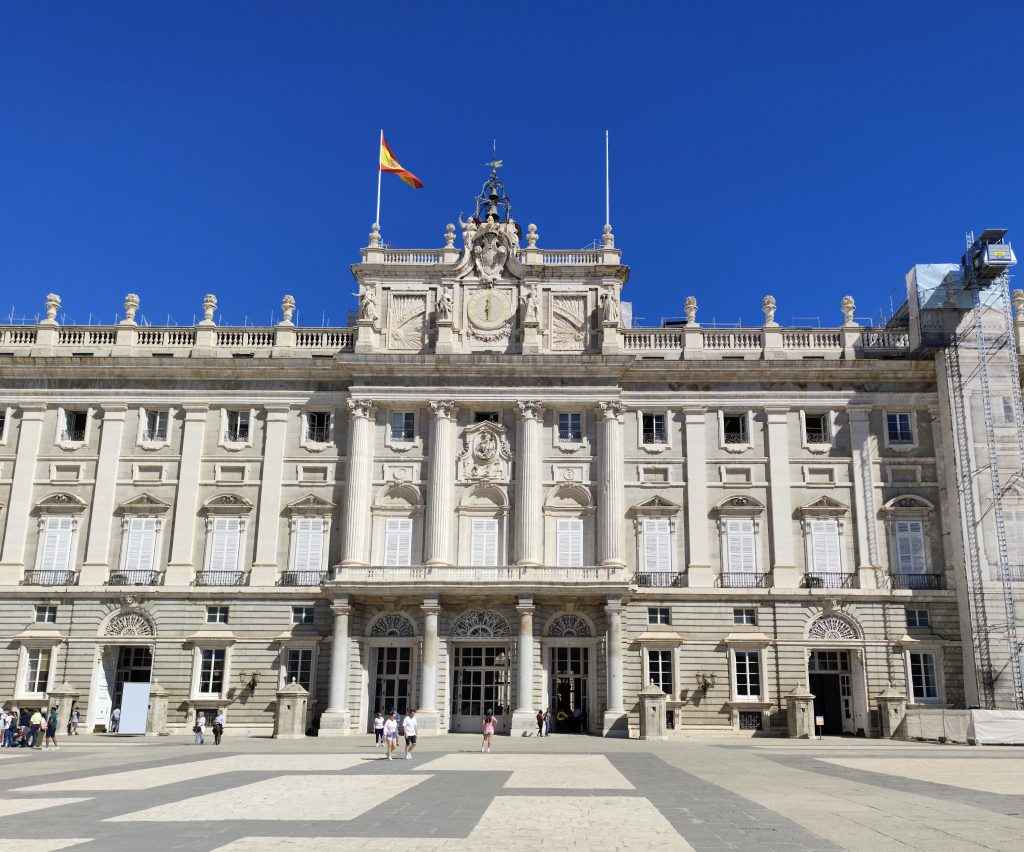
Standing as the largest palace in Western Europe, the Royal Palace of Madrid boasts 3,418 rooms and spans 135,000 square meters.
Designed in the mid-18th century by Italian architect Filippo Juvarra, its grand architecture rivals that of Versailles.
Though the Spanish royal family no longer resides here, the palace hosts official events and state ceremonies. Visitors can explore the lavish Throne Room, stunning Hall of Mirrors, and a world-class armoury.
Attracting nearly 2 million visitors annually, it remains one of Spain’s most iconic and photogenic landmarks.
10. Casa Batlló
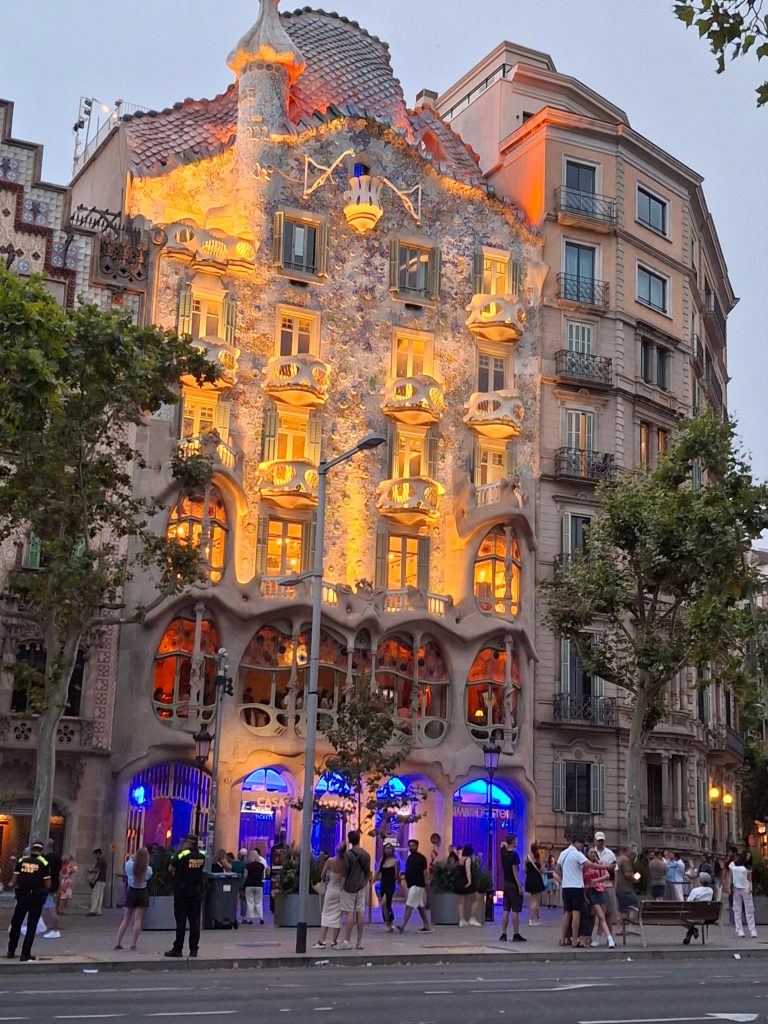
Casa Batlló stands as Antoni Gaudí’s dreamlike masterpiece in Barcelona, embodying Modernist architecture at its most imaginative.
Its façade mimics a dragon’s form, featuring bone-like structures, skull mask balconies, and a scaled roof topped with a sword-like tower.
Covered in a mosaic of blue, mauve, and green ceramic tiles, the wavy exterior resembles a serene sea. Inside, organic shapes flow through curved walls, swirling ceilings, and stained glass windows that bathe rooms in colorful light.
Inspired by the legend of Saint George and the Dragon, Casa Batlló is a vibrant blend of myth and architectural genius.
Alicia Richards