The United States is home to some of the world’s most iconic buildings, each telling a unique story through its design and history.
From towering skyscrapers that define city skylines to historic landmarks that have shaped the nation’s identity, these structures attract millions of visitors every year.
Many of the country’s most famous buildings are concentrated in cities like New York, Washington DC, and Chicago, showcasing a rich blend of architectural styles.
Whether admired for their grandeur or historical significance, these buildings continue to inspire awe and curiosity across generations.
1. Empire State Building
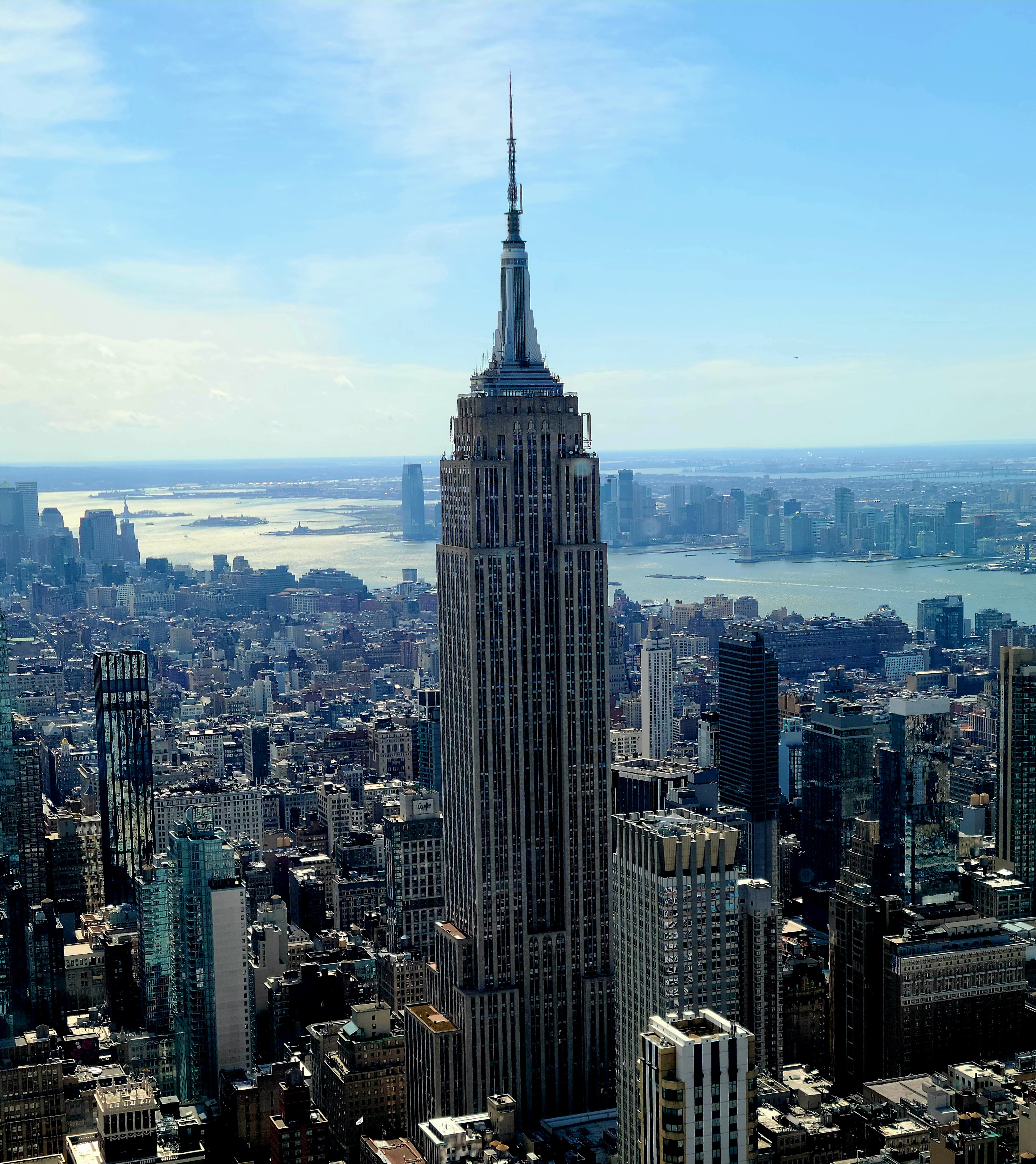
The Empire State Building stands 1,454 feet tall with 102 Art Deco stories in Midtown Manhattan, New York City.
It was the world’s tallest building from 1931 until 1970. Constructed in just 1 year and 45 days by Shreve, Lamb & Harmon Associates, it opened on May 1, 1931.
Visitors can explore observation decks on the 80th, 86th, and 102nd floors, enjoying panoramic city views.
Located near Chrysler Building and Madison Square Garden, it remains a symbol of American architectural innovation and a top tourist destination.
2. Chrysler Building
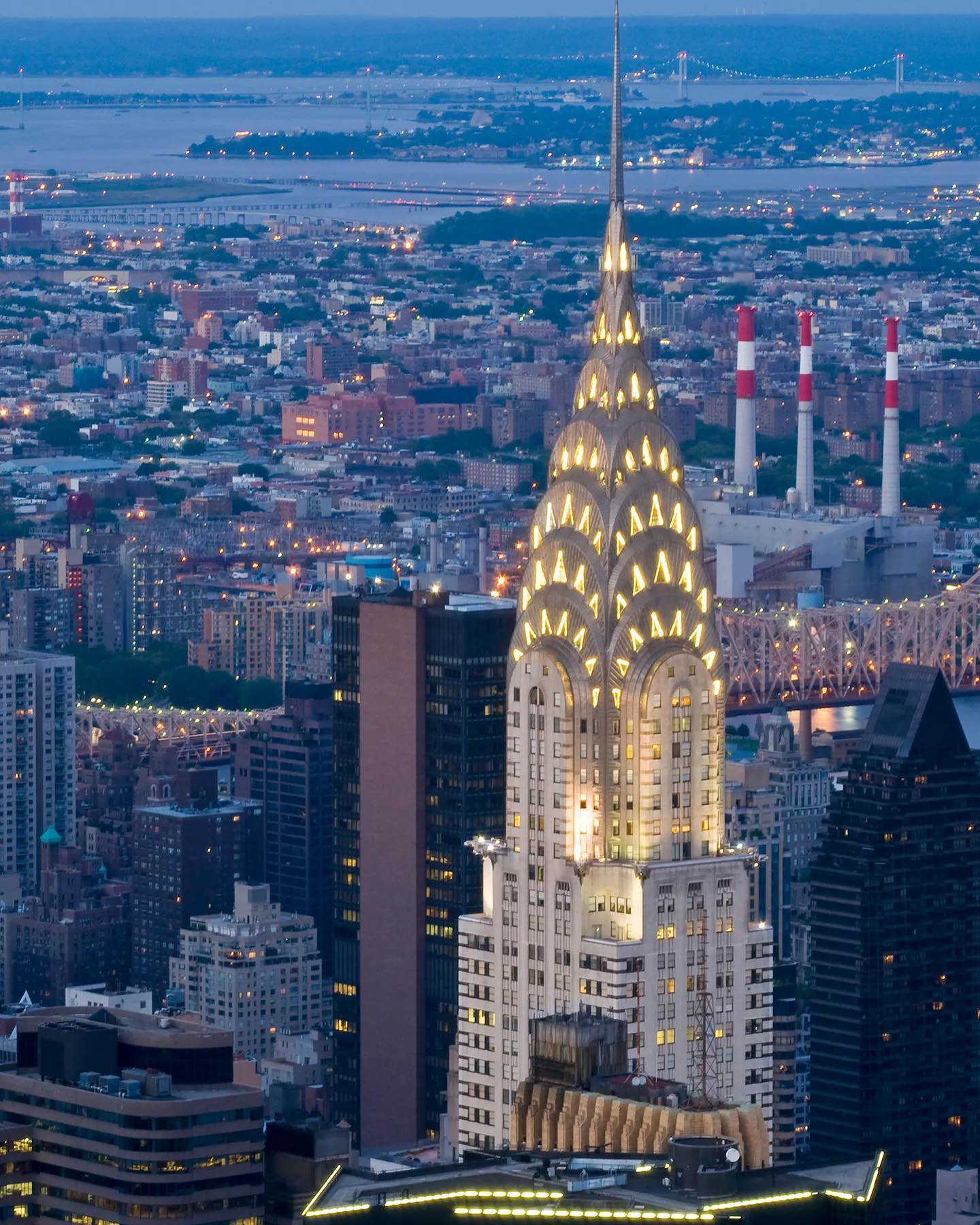
The Chrysler Building stands 1,189 feet tall in Manhattan, New York, and is a masterpiece of Art Deco design. Its iconic crown features seven shining, overlapping arches supported by sleek vertical piers and steel frame construction.
Built in 1928 at a rapid pace of four floors per week, it briefly held the title of world’s tallest building before the Empire State Building surpassed it.
Known for its nighttime illuminations and stylized ornamentation inspired by Gothic cathedrals and the Eiffel Tower, the Chrysler Building remains the tallest brick skyscraper globally and symbolizes 1920s modernity and progress.
3. Gateway Arch

The Gateway Arch in St. Louis stands nearly 630 feet tall, making it the tallest manmade monument in the Western Hemisphere.
Designed by Eero Saarinen, it reflects structural expressionism with its sleek stainless steel form and minimalist design.
The arch symbolizes America’s westward expansion and serves as a monumental gateway to the West. Recent renovations include ADA-compliant tram cabins and updated museum facilities.
Visitors can enjoy specialized tours exploring its architectural significance and the technological ingenuity behind this neofuturistic landmark.
4. Willis Tower

The Willis Tower, formerly Sears Tower, stands 1,450 feet tall with 110 floors in Chicago, Illinois. Designed by engineer Fazlur Rahman Khan, it introduced the revolutionary structural tube system to stabilize skyscrapers.
Its bronze-tinted glass exterior creates a distinctive appearance and reflects the skyline. As a landmark and tourist attraction, the tower offers panoramic city views and symbolizes modern engineering.
It remains one of the tallest buildings in the U.S. and an icon of Chicago’s architectural innovation.
5. Walt Disney Concert Hall

Completed in 2003, the Walt Disney Concert Hall in Los Angeles stands as a modern architectural masterpiece designed by Frank Gehry.
Its striking stainless steel exterior captures attention, while the concert hall itself boasts remarkable acoustic quality, offering an unmatched listening experience.
Serving as a premier performing arts center, it combines innovative design with elegant surroundings, making it a top destination for music lovers and architecture enthusiasts alike.
This landmark epitomizes modern creativity and cultural significance in the heart of Los Angeles.
6. Fallingwater

Fallingwater, designed by Frank Lloyd Wright in 1935, exemplifies organic architecture by seamlessly blending with its natural surroundings.
Built partly over a waterfall in Pennsylvania’s Laurel Highlands, it features cantilevered balconies, native materials, and an open floor plan that invites natural light.
Commissioned as a weekend home for Edgar J. Kaufmann Sr., Fallingwater showcases Wright’s innovative structural techniques and his vision to harmonize modern living with nature. This iconic residence remains a milestone in American architecture and modernist design.
7. Biltmore Estate

Located in Asheville, North Carolina, the Biltmore Estate is the largest privately owned home in the United States.
Constructed between 1889 and 1895, it spans 178,926 square feet and reflects French Renaissance château design inspired by Château de Blois.
Architect Richard Morris Hunt collaborated with skilled stonemasons and woodworkers to craft this 250-room American castle.
The estate sits on 8,000 acres of landscaped grounds and features unique elements like a medieval-style banqueting hall.
Modern restorations preserve its original finishes while enhancing accessibility and safety, making Biltmore a premier example of Gilded Age architecture and cultural heritage.
8. White House

The White House, located in Washington DC, has served as the official residence and workplace for every U.S. President since 1800.
Designed by James Hoban in neoclassical style, it features 132 rooms across six floors, including a symmetric facade with iconic columns and a central portico.
The White House symbolizes American democracy and stability, blending government functions with living quarters.
Its historic walls have witnessed pivotal decisions shaping the nation, making it a must-see emblem of U.S. heritage and political power.
9. United States Capitol

The United States Capitol, located in Washington DC, is a symbol of American democracy and governance.
Completed in 1800 and designed by William Thornton, it showcases classic Neoclassical architecture with its grand dome, Corinthian columns, and symmetrical design.
Serving as the home of Congress, the building features expansive chambers for the Senate and House of Representatives.
Over the years, the Capitol has undergone expansions while preserving its historic character, making it a key landmark attracting millions of visitors annually.
10. Washington Monument

Standing 555 feet tall, the Washington Monument is the tallest stone structure in the world. Completed in 1884, it honors George Washington, America’s first president.
Constructed from marble, granite, and bluestone gneiss, its simple Egyptian obelisk design symbolizes strength and permanence. Visitors can take an elevator to an observation deck with panoramic views of Washington, DC.
The monument’s striking presence on the National Mall draws millions each year, reflecting the nation’s respect for its founding leader.
Alicia Richards