Tokyo stands as a vibrant fusion of tradition and innovation, where architectural marvels tell the story of a city constantly evolving.
From historic temples to soaring skyscrapers Tokyo’s skyline reflects its rich cultural heritage and cutting-edge design. Each building offers a unique glimpse into the city’s identity blending history with modernity.
These structures highlight Tokyo’s commitment to creativity resilience and sustainability. Whether ancient or avant-garde these buildings shape an urban landscape that captivates both residents and visitors alike.
1. Tokyo Tower
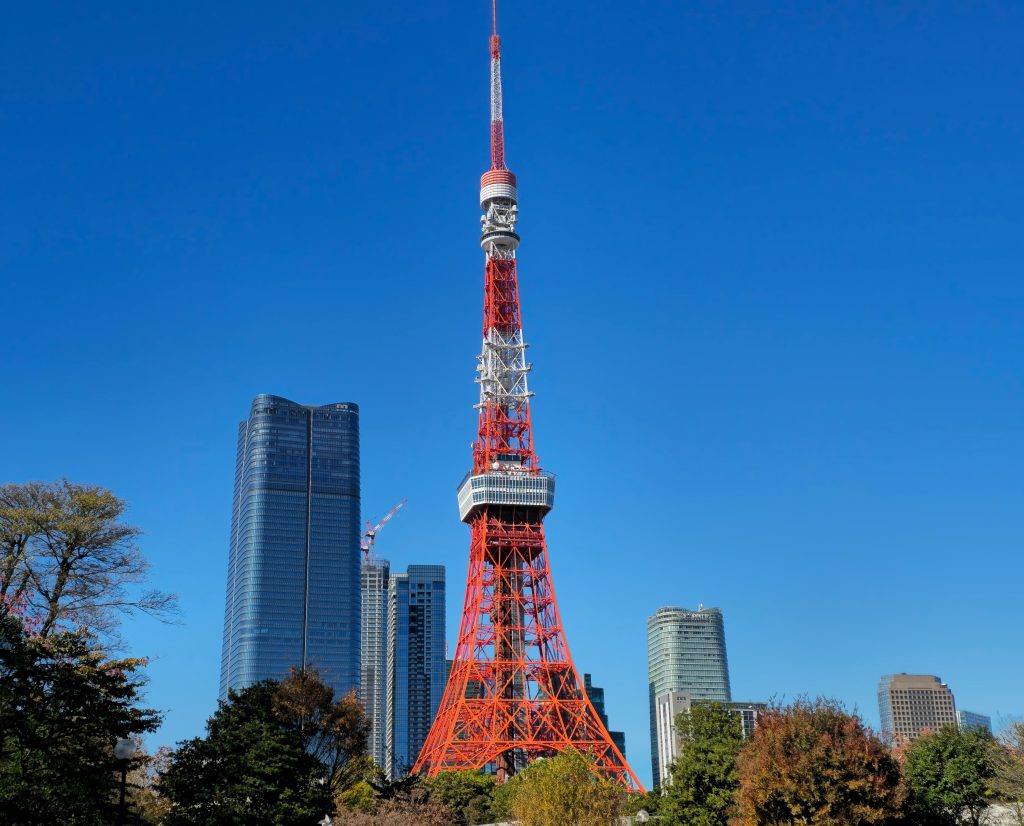
Tokyo Tower stands at 333 meters, making it one of Tokyo’s most recognizable landmarks. Built in 1958 and inspired by the Eiffel Tower, it features a unique white and international orange paint scheme to meet air safety standards.
The tower symbolizes Japan’s postwar recovery and modernity, attracting millions of visitors yearly. It functions as a communications hub and offers observation decks with panoramic city views.
With ticket prices starting at 1,500 yen, Tokyo Tower remains a must-see for travelers seeking a blend of history and contemporary urban culture.
2. Mode Gakuen Cocoon Tower
Mode Gakuen Cocoon Tower rises 203.65 meters in Shinjuku, completed in October 2008. It houses three educational institutions: Tokyo Mode Gakuen, HAL Tokyo, and Shuto Ikō.
Its distinctive cocoon shape symbolizes nurturing students, fostering creativity through open interior spaces with fewer walls.
The tower blends cutting-edge design with energy efficiency and earthquake resistance. It stands as one of the tallest buildings dedicated solely to education worldwide, showcasing Tokyo’s commitment to innovation in architecture and learning environments.
3. Nakagin Capsule Tower
Nakagin Capsule Tower, designed by Architect Kisho Kurokawa in 1972, is a rare surviving example of Japanese Metabolism.
Located in Ginza, Tokyo, it features two concrete towers holding 140 prefabricated capsules that serve as self-contained apartments.
Each capsule includes essentials like a kitchen, sofa, and television. The design aimed to provide flexible housing for traveling businessmen, emphasizing sustainability through modular, replaceable units.
Despite its architectural significance, the building faces possible demolition due to high renovation costs and deteriorating conditions. Visitors can tour the site, appreciating a landmark that reflects Tokyo’s innovative postwar urban design.
4. Tokyo Skytree
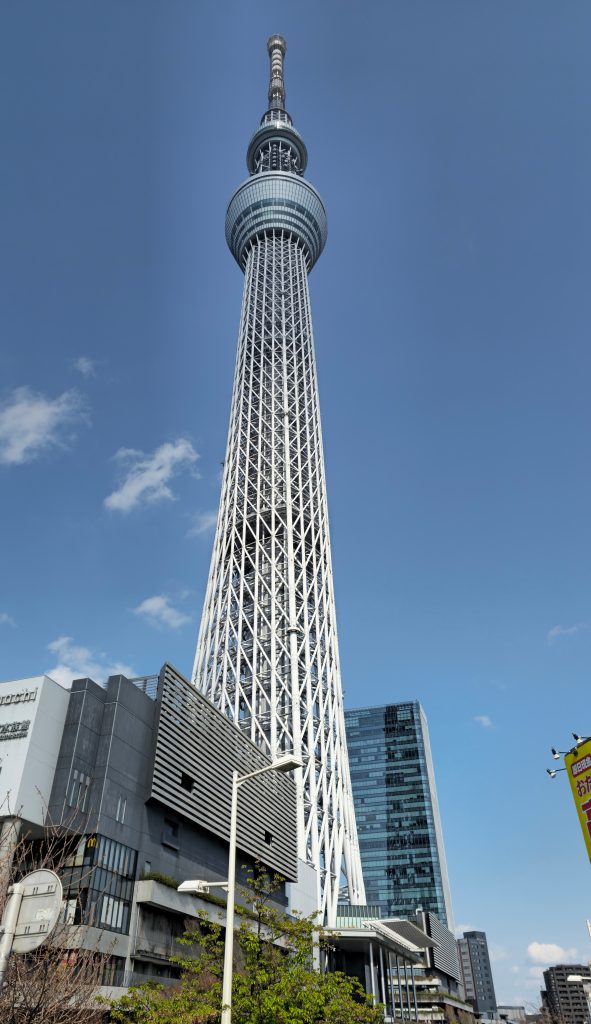
Tokyo Skytree stands as Japan’s tallest structure at 634 meters and the world’s second tallest tower. Designed by Nikken Sekkei, its fantasy-inspired architecture offers breathtaking views and serves as a major broadcasting hub.
The tower’s sleek, futuristic design includes advanced seismic resistance, making it a symbol of Tokyo’s innovation and modernity.
Visitors can access observation decks for panoramic city views. With ticket prices starting from 1,800 yen, Tokyo Skytree remains a top attraction, showcasing the city’s blend of cutting-edge technology and stunning architectural artistry.
5. Tokyo International Forum
Tokyo International Forum, designed by Rafael Viñoly and opened in 1997, is a stunning multipurpose complex near Tokyo Station.
Its glass and steel structure resembles a ship’s hull, featuring a 210-meter-long, 60-meter-high glass hall with a curtain wall supported by two large columns.
The forum houses two large theatres, conference rooms, and exhibition halls, attracting around 2.3 million visitors annually.
Its modern design and central location make it a distinctive landmark and popular venue for business and cultural events in Tokyo.
6. Tokyo Metropolitan Government Building
Designed by Kenzo Tange, the Tokyo Metropolitan Government Building in Shinjuku stands 243 meters tall and symbolizes Tokyo’s administrative power.
Completed in 1991, it offers free observation decks on the 45th floor, providing panoramic views of the city, including landmarks like Mount Fuji on clear days.
Its twin towers showcase an imposing yet elegant design, reflecting Japan’s blend of modern functionality and architectural ambition.
This building remains a key destination for visitors interested in Tokyo’s urban landscape and governance.
7. St. Mary’s Cathedral Tokyo
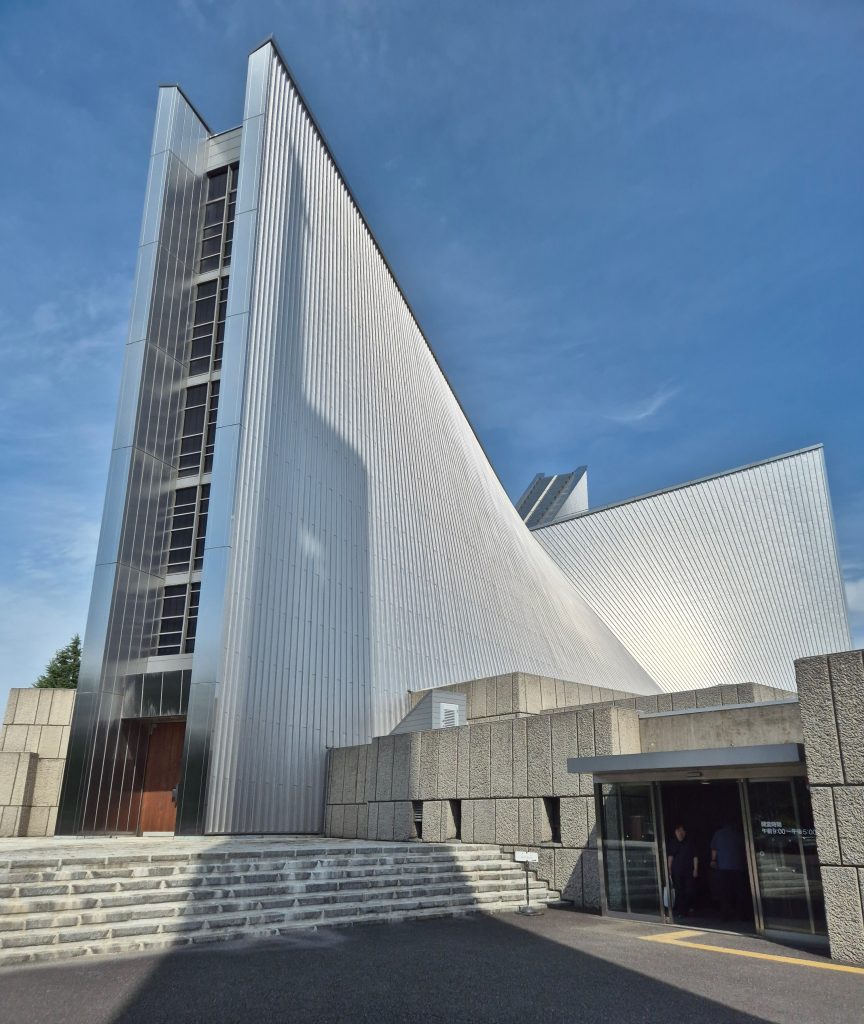
St. Mary’s Cathedral Tokyo stands as a masterpiece of modern architecture designed by Kenzo Tange in 1964. Its cross-shaped layout features eight hyperbolic parabolas rising to form a striking “cross of light” visible on all four facades.
The stainless steel exterior contrasts with the cathedral’s symbolic form, while the interior accommodates up to 600 seated worshippers, or 2,000 standing.
The 61.6-meter bell tower nearby complements the rhomboid main structure. The design’s inspiration from bird wings highlights Tange’s blend of modernism and traditional Japanese aesthetics, making it a must-visit architectural landmark in Tokyo.
8. Sensō-ji
Sensō-ji, Tokyo’s oldest temple established in 645 AD, embodies traditional Japanese architecture and spiritual heritage. Located in Asakusa, this iconic temple features a majestic red gate, intricate wooden carvings, and a five-story pagoda.
Sensō-ji attracts about 30 million visitors yearly who come to experience its vibrant festivals and serene atmosphere.
Rebuilt after World War II, the temple seamlessly blends history with resilience, making it a must-visit cultural landmark that showcases Tokyo’s rich past and enduring traditions.
9. Meiji Shrine
Meiji Shrine, dedicated in 1920 to Emperor Meiji and Empress Shoken, offers a peaceful forested retreat in bustling Tokyo. It showcases classic Shinto architecture with massive wooden torii gates and simple, elegant structures.
Visitors walk through a 170-acre evergreen forest before reaching the main shrine buildings. The site hosts traditional ceremonies and seasonal festivals, making it a vibrant cultural hub.
Meiji Shrine reflects Japan’s spiritual heritage and architectural tradition, blending serenity with the energetic pulse of modern Tokyo.
10. Asahi Beer Hall
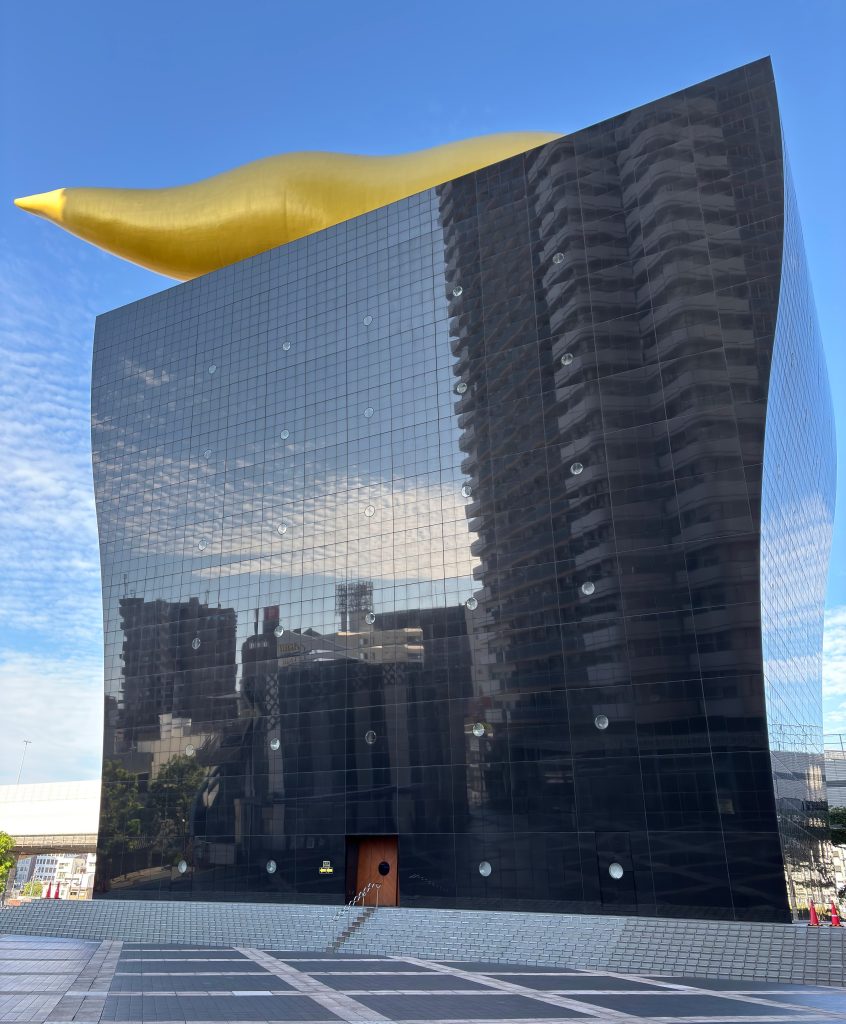
Known for its bold design, Asahi Beer Hall was completed in 1989 by French architect Philippe Starck. The building resembles a beer mug, topped by the striking Asahi Flame—a golden sculpture symbolizing beer foam.
Crafted using submarine construction techniques, the flame sits atop the Sumida River side in Tokyo’s Sumida ward.
Visitors can enjoy panoramic views and sample Asahi’s famous Super Dry brew at the hall’s restaurants on the 21st and 22nd floors. Its unique amber-colored glass façade and postmodern style make it a must-see Tokyo landmark.
Alicia Richards