Europe’s castles are more than just ancient stone walls; they’re living stories of royalty, battles, and architectural brilliance.
These iconic structures have stood for centuries, witnessing the rise and fall of kingdoms while captivating millions with their grandeur and history.
From medieval fortresses to fairy-tale palaces, the continent’s most famous castles reveal a fascinating blend of military strategy and artistic design.
Exploring these castles offers a unique chance to step back in time and experience the rich heritage that shaped Europe’s past.
Whether you’re a history enthusiast or simply drawn to majestic architecture, these castles promise unforgettable journeys into Europe’s storied legacy.
1. Neuschwanstein Castle
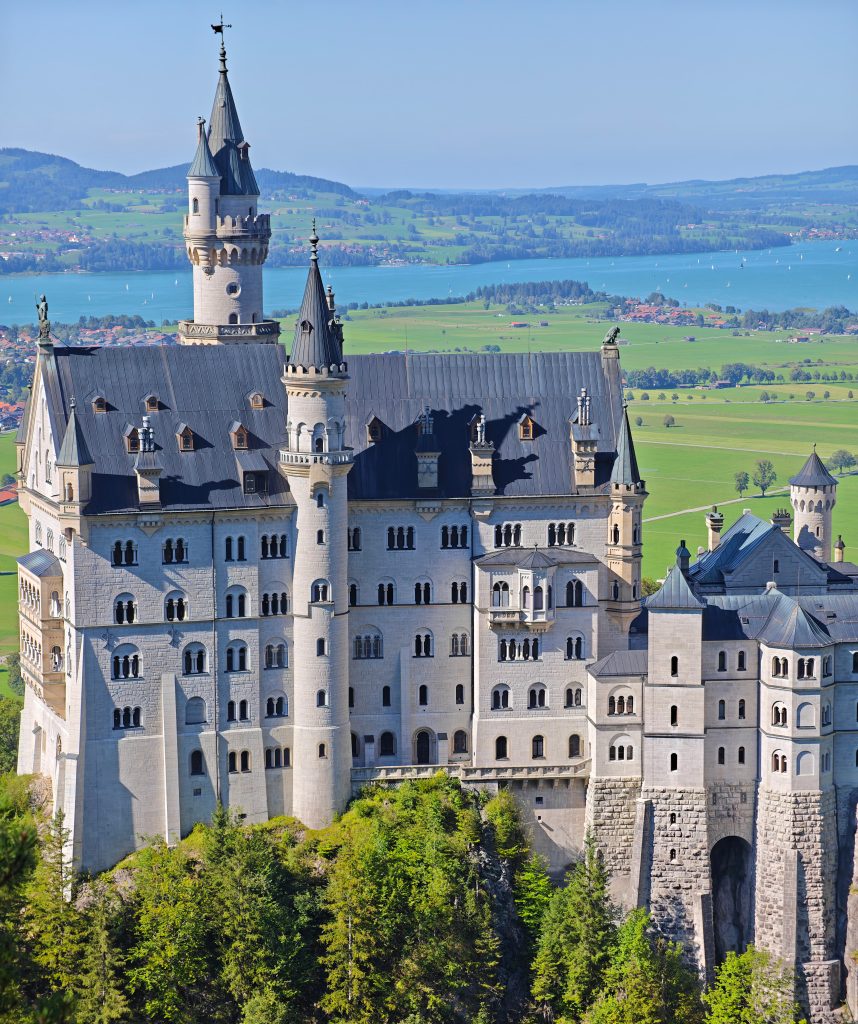
Neuschwanstein Castle, located in Bavaria, Germany, is one of the most iconic European castles. Built in 1886 by King Ludwig II, this 19th-century Romanesque structure was designed as a private retreat.
The castle’s fairy-tale appearance inspired Disney’s Sleeping Beauty Castle. Perched on a hill in the Alps, it overlooks the Hohenschwangau valley, surrounded by forests and mountains.
Visitors should book tickets in advance online or from Hohenschwangau Village to avoid disappointment, especially during peak seasons, as over 1 million people visit annually. The castle’s autumn views are particularly breathtaking.
2. Pena Palace
Perched atop a hill in Sintra, Portugal, Pena Palace is a fairy-tale castle with pink and yellow towers that stand out against the surrounding Parque de Pena forest.
Built in the 19th century by King Ferdinand II, it blends Gothic, Neo-Manueline, Neo-Islamic, and Neo-Romanesque styles.
Visitors can explore ornately decorated rooms, terraces, the Queen’s fern garden, and duck lakes.
To avoid crowds during the busy May-September season, plan visits early in the morning or late afternoon after tour buses leave. Pena Palace is a UNESCO World Heritage site and a top European castle destination.
3. Hohenzollern Castle
Hohenzollern Castle, perched 900 meters above the Swabian Jura in Baden-Württemberg, is among Europe’s grandest castles.
Built originally in the 11th century and rebuilt in the 19th century, it stands as a symbol of the Prussian kings and German Kaisers who once ruled here.
Its imposing stone walls and thirteen towers encircle an elegant oval courtyard with honeycomb vaults, offering visitors sweeping views of the Black Forest and Lake Constance.
This majestic castle attracts over one million visitors yearly, enchanted by its rich history, panoramic landscapes, and tales of the legendary “White Lady” ghost.
4. Edinburgh Castle
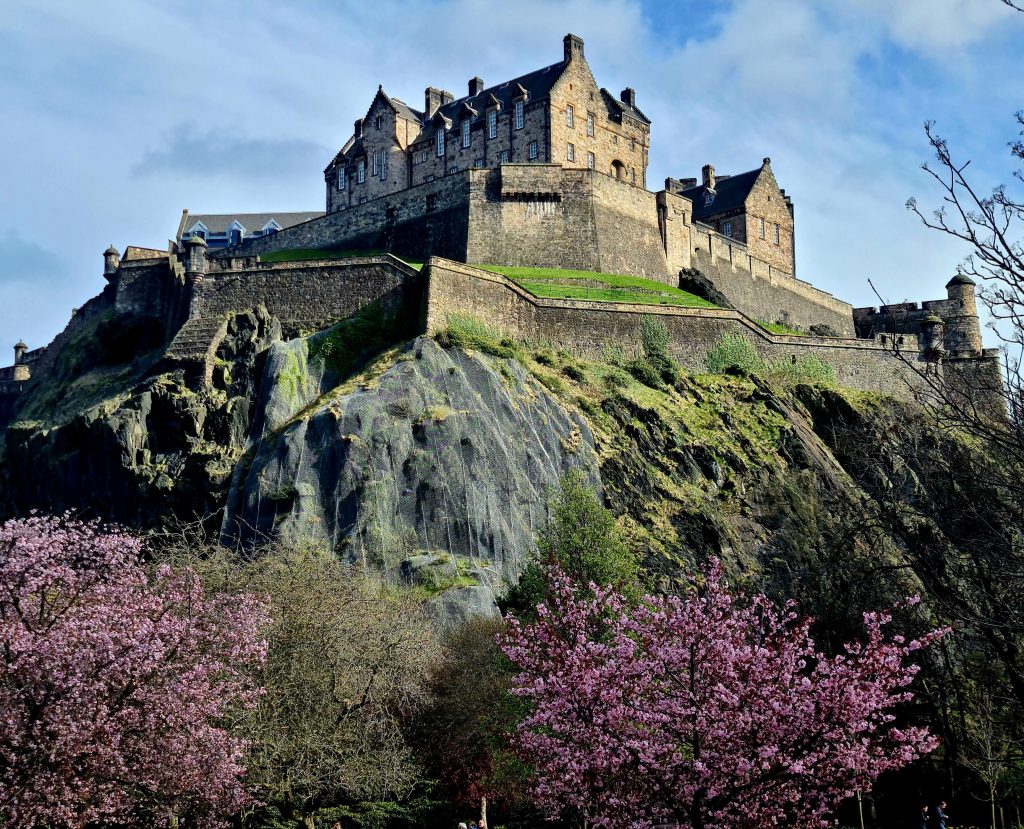
Edinburgh Castle stands atop a 700-million-year-old extinct volcano, dominating Scotland’s capital with panoramic city views.
This historic fortress, open to the public after centuries as a military stronghold and royal residence, houses the Scottish Crown Jewels—priceless artifacts including the crown, sword, and scepter.
Visitors explore extensive military museums, ancient prison cells, and exhibition rooms reflecting Scotland’s turbulent history.
The daily One O’Clock Gun and the annual Edinburgh Military Tattoo highlight its ongoing cultural significance. Its dramatic nighttime illumination enhances the castle’s timeless appeal.
5. Chillon Castle
Chillon Castle, perched on Lake Geneva’s shores in Switzerland, stands as one of Europe’s most picturesque medieval fortresses.
The castle boasts striking pointy turrets, grand banqueting halls, and vast vaulted dungeons carved into the bedrock.
These dungeons famously inspired Lord Byron’s 1816 poem, “The Prisoner of Chillon,” sparking ongoing tourism. Chillon has served as a fortress, arsenal, prison, and noble residence since the Bronze Age.
Visitors appreciate its blend of Gothic architecture and stunning lakeside views, making it a must-see historic site just two hours from Geneva.
6. Bodiam Castle
Bodiam Castle, a 14th-century moated fortress in East Sussex, England, stands as a prime example of medieval military architecture blended with residential comfort.
Built to defend against French invasions during the Hundred Years War, it features a wide moat, sturdy towers, and an imposing gatehouse.
Visitors can climb the towers for panoramic views of the Sussex countryside and explore battlements while engaging with interactive displays that bring medieval life to life.
Its picturesque setting and well-preserved exterior make Bodiam a top destination for photographers and history enthusiasts alike.
7. Conwy Castle
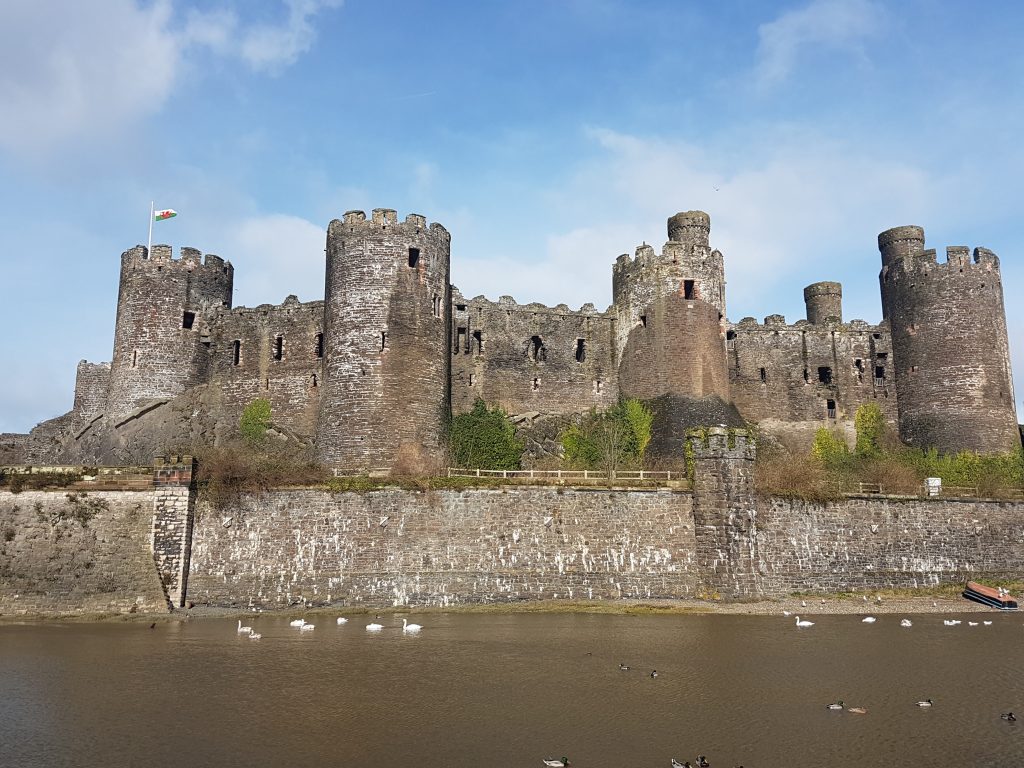
Conwy Castle, built by Edward I in the 13th century, stands as a prime example of medieval military architecture. Its eight massive towers and high curtain walls showcase exceptional defensive design.
Visitors can walk the entire circuit of the castle walls and spiral staircases, enjoying panoramic views of the Snowdonia Mountains and the Conwy estuary.
Inside, the great hall, private chambers, and royal chapel reveal insights into medieval life. This UNESCO World Heritage site is celebrated for its strategic location within Conwy’s fortified town walls and well-preserved medieval features.
8. Miramare Castle
Located just 30 minutes north of Trieste, Italy, Miramare Castle boasts one of the most scenic locations among European castles.
Built in the mid-19th century for Archduke Ferdinand Maximilian, the castle overlooks the blue Adriatic Sea from a lush 54-acre park.
Its blend of neo-Gothic and Renaissance styles complements the dramatic coastal backdrop.
Visitors can explore ornately decorated rooms and stroll through manicured gardens, making Miramare a unique beachfront historical site that combines natural beauty with royal heritage.
9. Leeds Castle
Leeds Castle, located in southern England, stands as one of Europe’s most beautiful historic sites. Originally built in 857 AD as a nomadic stronghold, it evolved into a royal residence and retreat for England’s elite.
The castle showcases a blend of Norman and English architecture, with its striking medieval and Tudor features framing a picturesque moat.
Visitors can enjoy unique attractions like the world’s oldest dog collar museum, plus golf, weddings, and even overnight stays within period accommodations, making Leeds Castle a versatile destination rich in history and charm.
10. Wartburg Castle
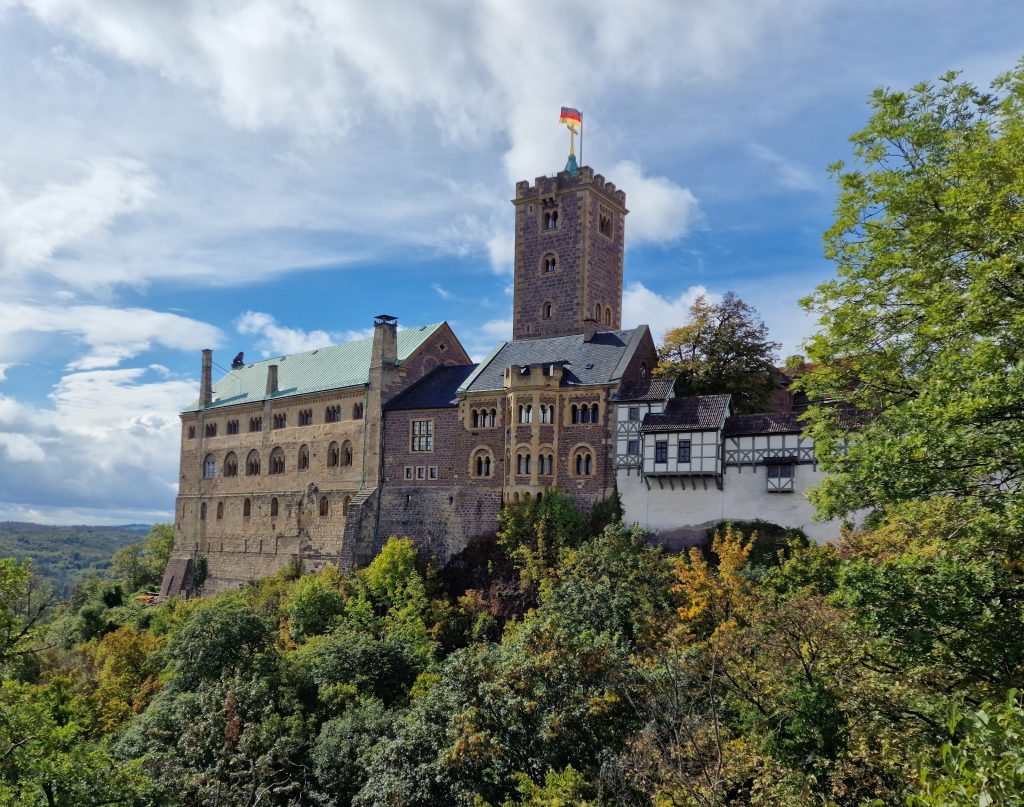
Wartburg Castle, Germany’s first UNESCO World Heritage site, dates back to the 12th century with major 19th-century renovations. It’s famed as St. Elizabeth’s home and where Martin Luther translated the New Testament into German.
The castle captivates visitors with its Romanesque architecture and richly decorated interiors featuring period artwork, tapestries, oil paintings, and Renaissance-inspired furniture.
Its scenic hilltop location offers panoramic views, blending history and beauty in one iconic European castle.
Alicia Richards