Rome is home to nearly 900 churches, each offering a unique glimpse into the city’s rich history and artistic heritage.
While exploring every single one might be impossible on a first visit, focusing on the most famous churches provides a meaningful way to experience Rome’s spiritual and cultural heart.
From the grandeur of St. Peter’s Basilica to the stunning frescoes of lesser-known gems, these churches showcase exceptional architecture and priceless works of art.
They stand as living museums that tell stories of faith, power, and creativity spanning centuries. Discovering these iconic churches offers more than just sightseeing—it’s a journey into the soul of Rome itself.
1. St. Peter’s Basilica
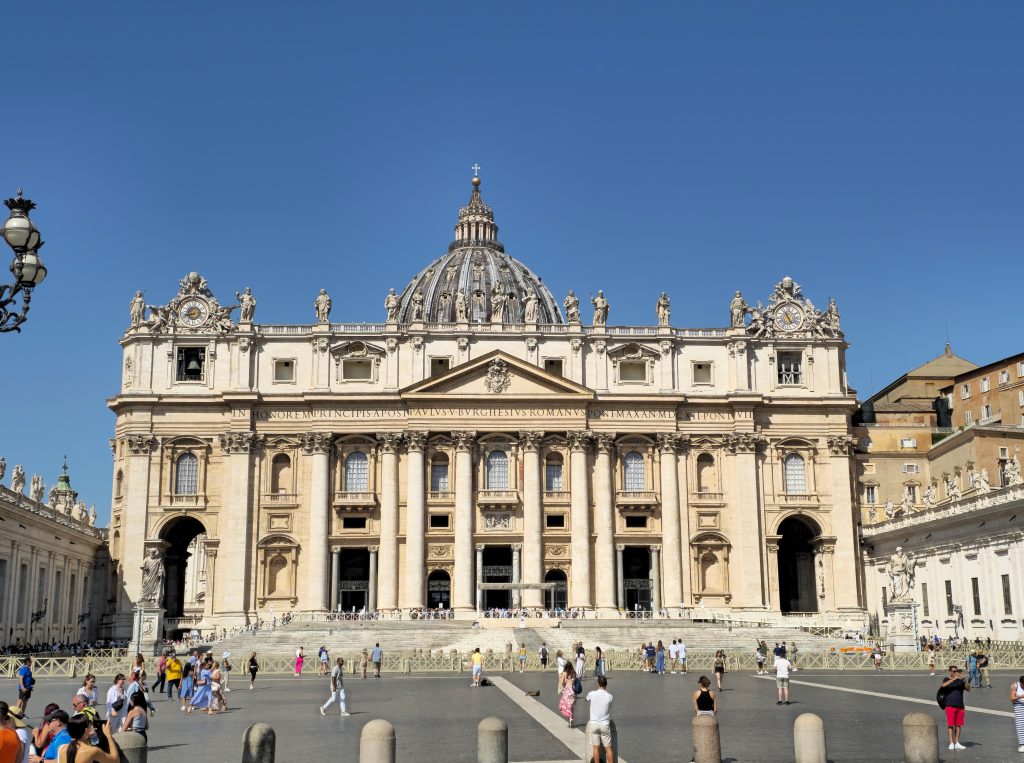
St. Peter’s Basilica stands as the Vatican’s iconic symbol and the most important church in Christendom. Renowned for its grand Renaissance architecture, it features masterpieces by Michelangelo and Bernini.
Visitors can admire the vast interior and climb the cupola for panoramic views of Rome. Located in Vatican City, it’s accessible via Metro Line A at Ottaviano or San Pietro stations, followed by a short walk.
The basilica opens daily from 7 AM to 6 PM, with free entry; however, cupola access requires a €10 ticket.
2. Santa Maria Maggiore
Santa Maria Maggiore stands as one of Rome’s largest and most important churches. Dating back to Paleochristian times, it uniquely preserves its original shape. According to legend, a miraculous August snowfall marked its location.
Visitors are drawn to its stunning mosaics in the apse, intricate comateschi pavement decorations, and numerous side chapels.
Masterpieces by artists like Della Porta and Arnolfo di Cambio adorn the church, which also houses Bernini’s family tomb. Since 2025, it serves as the resting place of Pope Francis, enhancing its spiritual significance.
3. Basilica di San Giovanni in Laterano
Basilica di San Giovanni in Laterano stands as Rome’s oldest and most important cathedral. It serves as the official papal seat, outranking St. Peter’s in ecclesiastical hierarchy.
Known as the Mother and Head of All Churches, it dates back to the 4th century and showcases magnificent Baroque and Renaissance architecture.
Visitors admire its ornate interior featuring stunning frescoes, mosaics, and the impressive Lateran obelisk just outside, Italy’s tallest, dating from ancient Egypt.
Open daily from 7:00 AM to 6:30 PM, this basilica offers a serene spiritual experience unmatched in Rome.
4. Basilica of Santa Maria in Trastevere
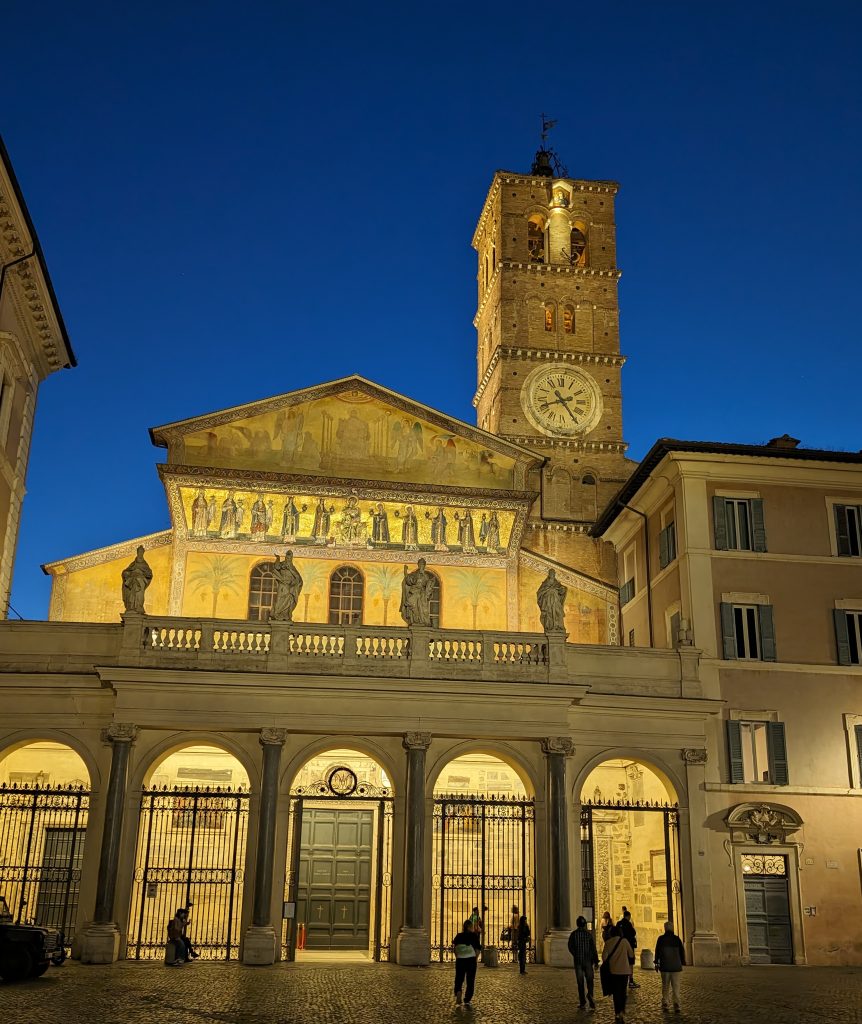
Basilica of Santa Maria in Trastevere stands as one of Rome’s oldest churches, dating back to around 350 AD.
Known as the city’s first church dedicated to the Virgin Mary, it was likely the earliest public site where Mass was openly celebrated.
Rebuilt in the 12th century by Pope Innocent II, its stunning mosaics from the 12th and 13th centuries captivate visitors.
This church combines ancient architecture with rich religious history, offering a peaceful retreat filled with remarkable art and spiritual significance.
5. Basilica San Clemente
Basilica San Clemente stands out for its unique three-layered structure showcasing Rome’s historical depth.
Visitors descend through the 12th-century basilica to uncover a 4th-century church below, and beneath that, a 1st-century Roman house and temple ruins.
This archaeological layering reveals early Christian worship and pagan Rome coexisting over centuries.
The basilica’s frescoes and mosaics blend artistic mastery with spiritual storytelling, making it a must-visit for those interested in Rome’s religious and cultural evolution. It’s located near the Colosseum, offering an exceptional journey through time.
6. Pantheon Rome
The Pantheon in Rome is among the city’s smallest churches but holds immense historical significance. Originally built as a Roman temple, it later transformed into a Christian church.
Visitors marvel at its massive dome, the largest unreinforced concrete dome in the world, and the oculus that floods the interior with natural light.
Historically, gifts were given to priests here, believed to be sacred before the building’s completion.
The Pantheon combines ancient Roman engineering and Christian history, making it a must-see architectural marvel.
7. Santa Maria sopra Minerva
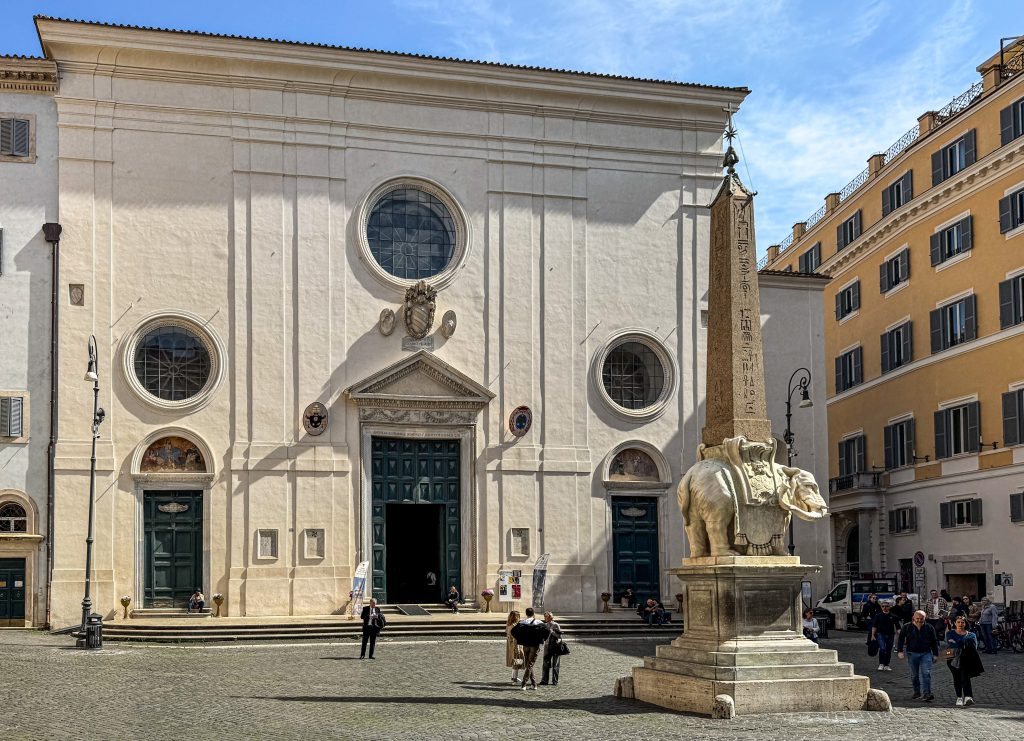
Santa Maria sopra Minerva stands out as Rome’s only Gothic church, built over an ancient temple dedicated to Minerva.
It houses masterpieces like Michelangelo’s statue of Christ the Redeemer and contains the tombs of Saint Catherine of Siena and the painter Fra Angelico.
Visitors admire its stunning stained-glass windows and the striking Pulzone chapel frescoes. Located near the Pantheon, this church offers a rare fusion of medieval architecture and Renaissance art, making it a unique spiritual and artistic destination in Rome.
8. Papal Basilica of Saint Paul Outside the Walls
Standing outside Rome’s ancient city walls, the Papal Basilica of Saint Paul Outside the Walls honors the burial site of Apostle Paul.
Originally built by Emperor Constantine in the 4th century, it was rebuilt in the 19th century after a devastating fire.
Visitors will find stunning mosaic medallions depicting all 265 popes, intricate marble floors, and a peaceful cloister.
Known as “Fuori le Mura,” this basilica combines historical depth with spiritual significance, inviting exploration of its tranquil interior and sacred art. Its Holy Door, opened only during Jubilee years, offers a unique path for indulgence.
9. Santa Maria in Aracoeli
Santa Maria in Aracoeli stands atop the Capitoline Hill, reached by a monumental staircase of 124 steps.
This medieval church enchants visitors with its mix of Gothic and Romanesque architecture and a richly decorated interior.
It houses precious frescoes, the iconic Santo Bambino wooden statue, and the tomb of the Roman general Cola di Rienzo. Its commanding position offers panoramic views of Rome’s historic center, making the climb well worth the effort.
The church remains a serene refuge amidst the bustling city, preserving centuries of sacred art and history.
10. Santa Croce in Gerusalemme
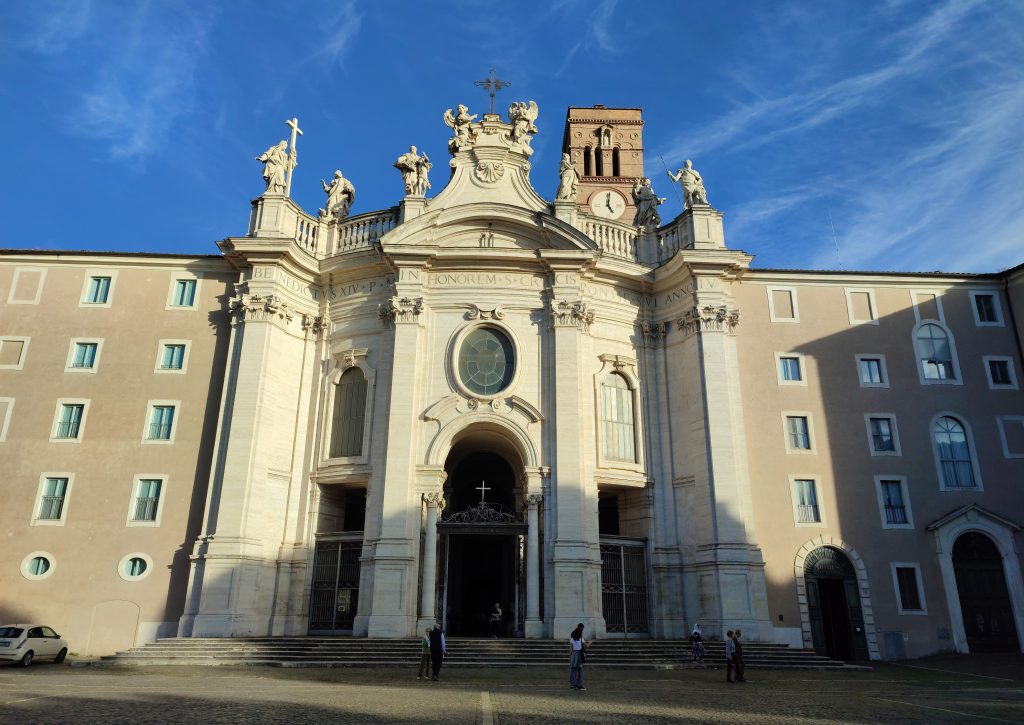
Santa Croce in Gerusalemme houses significant relics of the True Cross, brought to Rome by Empress Helena in the 4th century. It stands near the Lateran Basilica and offers visitors a quiet, holy atmosphere.
The church features beautiful mosaics and ancient frescoes that highlight its early Christian roots. Pilgrims visit to venerate the preserved fragments of the cross, making it one of Rome’s key pilgrimage sites beyond the four major papal basilicas.
Alicia Richards