Glass has transformed modern architecture by blending bold design with transparency and elegance.
Its unique ability to create dazzling structures that capture light and offer panoramic views has made it a favorite material among architects worldwide.
From sleek skyscrapers to iconic cultural landmarks glass buildings continue to push the boundaries of creativity and engineering.
These architectural marvels not only showcase cutting-edge technology but also symbolize innovation and sustainability.
Buildings like the Louvre Pyramid and The Gherkin have become global icons admired for their striking glass facades and imaginative designs.
1. 30 St. Mary Axe
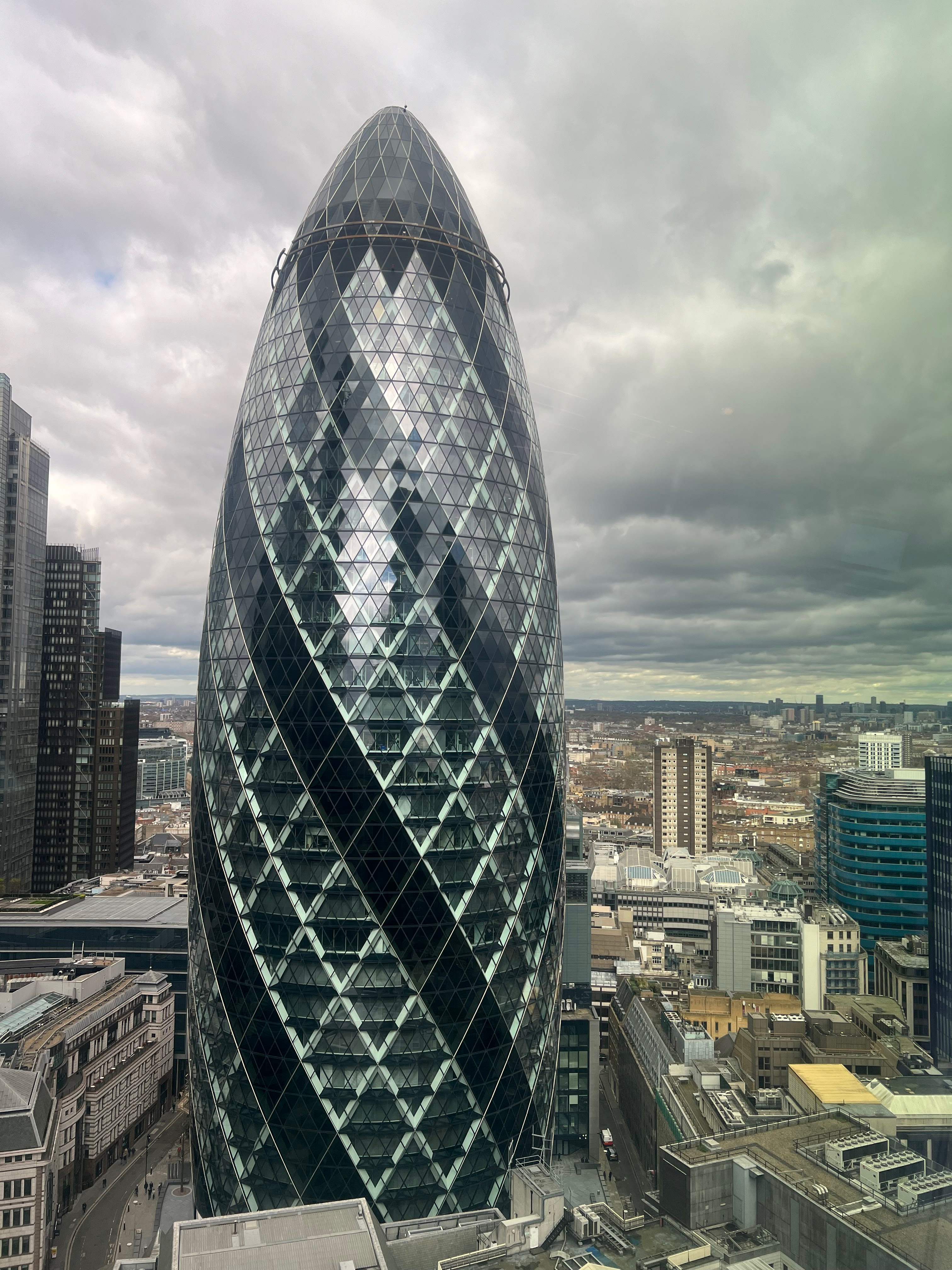
Famous as The Gherkin, 30 St. Mary Axe stands 591 feet tall with 41 floors in London’s financial district. Designed by Norman Foster and completed in 2003, its sleek glass façade curves organically, creating a modern masterpiece.
The building uses thick glass panels to maximize natural light and climate control, cutting energy use by half compared to similar towers.
Recognized for its innovative design, The Gherkin won the RIBA Stirling Prize in 2004 and remains a symbol of sustainable, contemporary architecture.
2. The Shard
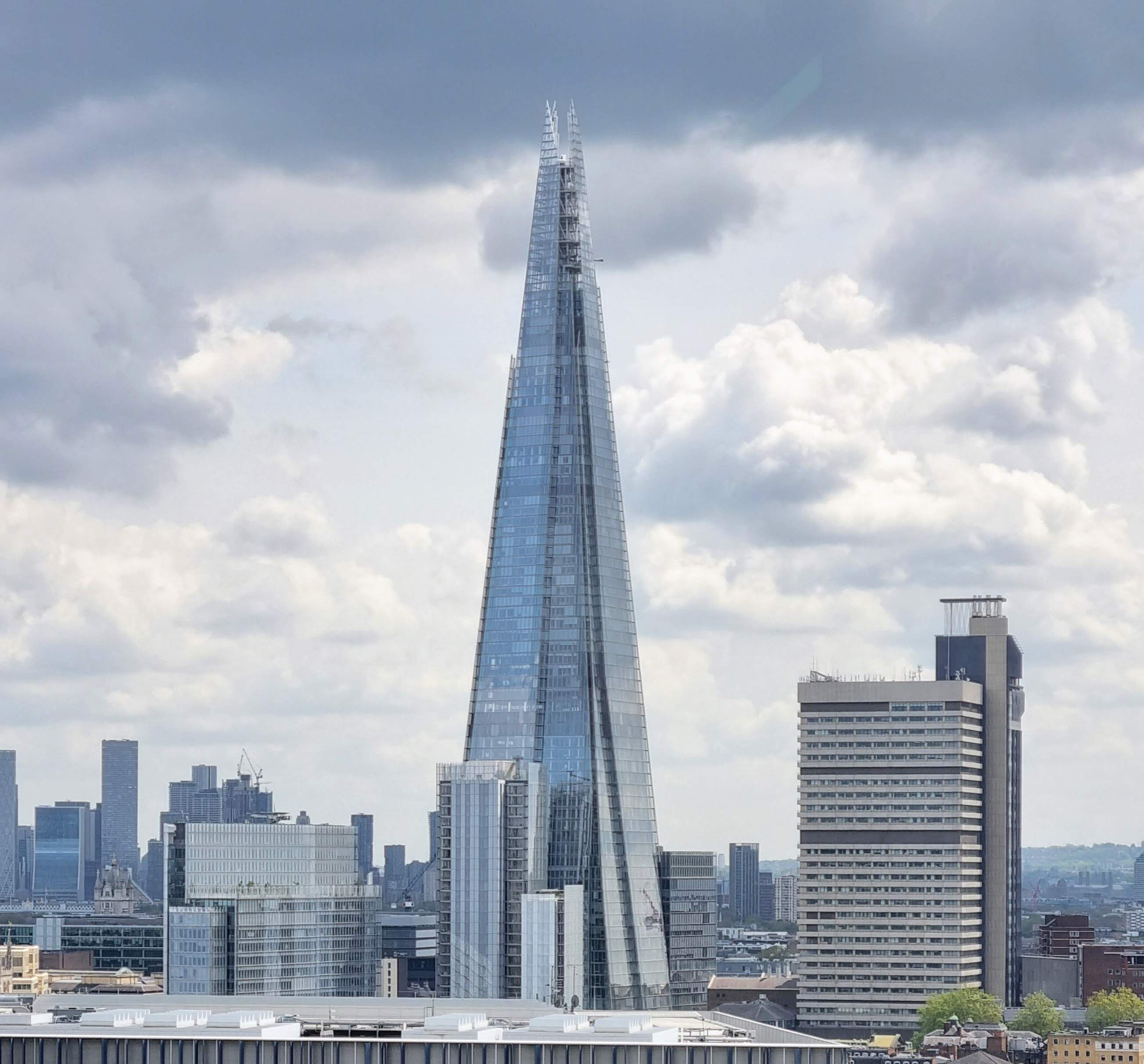
Standing at 1,016 feet (309.7 meters), The Shard is the tallest building in the UK and fifth tallest in Europe.
Designed by Renzo Piano, this 95-story glass skyscraper features an innovative glass façade that creates a striking, shard-like silhouette.
It was completed using the world’s first top-down construction method, allowing the first 23 floors to be built before full excavation.
The Shard offers panoramic views of London from its observation platform, blending cutting-edge engineering with iconic design.
3. Louvre Pyramid

Completed in 1989, the Louvre Pyramid serves as the iconic glass entrance to Paris’s Louvre Museum. Designed by I. M. Pei, the pyramid rises 21.6 meters high and consists of 673 glass panes shaped as rhombuses and triangles.
This modern structure contrasts the museum’s classical architecture, symbolizing transparency and innovation.
Despite initial controversy over its contemporary style within a historic setting, the pyramid now attracts nearly 9 million visitors annually and stands as a celebrated example of architectural glazing and modern engineering.
4. W Barcelona

Standing 324 feet tall, the W Barcelona Hotel is a striking glass structure designed by Ricardo Bofill.
Opened in 2009, this 26-story five-star hotel features 473 rooms and 57 suites. Its sail-like shape reflects Barcelona’s coastal skyline, while the expansive glass façade floods interiors with natural light.
The building’s glass verandas extend over the Port of Barcelona, offering stunning views and enhancing the hotel’s modern architectural appeal. This iconic glass landmark combines elegance, innovation, and luxury tourism seamlessly.
5. The Farnsworth House

Designed by Ludwig Mies van der Rohe, the Farnsworth House stands as a masterpiece of minimalist modernism.
Completed in 1951 near Plano, Illinois, this one-room glass pavilion blends transparency with nature by using floor-to-ceiling glass walls.
Its simplicity highlights structural elegance while inviting stunning views of the surrounding Fox River landscape.
Now a National Historic Landmark and museum, the Farnsworth House continues to inspire architects worldwide for its pioneering use of glass and seamless indoor-outdoor connection.
6. The Crystal Palace

The Crystal Palace was a pioneering glass and iron structure built in London for the 1851 Great Exhibition.
Designed by Joseph Paxton, it featured modular glass panels and a vast iron frame, creating one of the earliest large-scale uses of glass in architecture.
Its transparent design allowed natural light to flood the interior, showcasing industrial innovations inside.
Though the original building was destroyed by fire, it inspired later glass structures worldwide and remains a lasting symbol of Victorian architectural innovation and elegance.
7. National Centre for the Performing Arts, Beijing, China

Designed by French architect Paul Andreu and completed in 2007, the National Centre for the Performing Arts—nicknamed the “Giant Egg”—is a titanium and glass ellipsoid surrounded by an artificial lake.
It houses a 2,416-seat opera house, a 2,017-seat concert hall, and two theaters. Featuring 18,000 titanium plates and 1,200 ultrawide glass panels, the building gleams in natural light and reflects beautifully on the water, making it one of Beijing’s most iconic cultural landmarks.
8. Sage Gateshead

Rising gracefully on the River Tyne’s south bank, Sage Gateshead is a celebrated glass and steel structure designed by Norman Foster and Arup Group.
Opened in 2004, it features three conjoined domes that create an organic, bulbous silhouette. This arts and entertainment center boasts two soundproofed venues with capacities of 1,640 and 600, offering superb acoustics and panoramic river views.
Its curved glass panels funnel natural light, making the interior brighter than traditional buildings, while its seamless integration into the landscape has earned numerous architectural awards.
9. Aldar Headquarters

Standing as the Middle East’s first spherical skyscraper, the Aldar Headquarters in Abu Dhabi captivates with its coin-like glass facade.
Designed by MZ Architects and completed in 2010, the building uses a diagonal steel diagrid to support its rounded shape without internal columns.
Its east-west orientation maximizes natural light at sunrise and sunset. Sustainable construction shines here, with recycled materials and 270,000 square feet of glass forming a striking, eco-friendly landmark symbolizing innovation in the UAE.
10. The Glass House, National Trust for Historic Preservation

Designed by Philip Johnson in 1949, The Glass House in New Canaan, Connecticut, exemplifies minimalist modernism with its floor-to-ceiling glass walls.
This transparent box blurs indoor and outdoor boundaries, creating a seamless connection to nature.
Now a National Historic Landmark, it showcases pioneering structural glazing techniques and remains a key influence in modern architecture, celebrated for its elegant simplicity and lasting impact on design.
Alicia Richards