Gothic architecture stands as one of the most striking and influential styles in the history of building design.
Originating in medieval Europe, it transformed religious and civic structures with soaring spires, intricate carvings, and expansive stained glass windows.
This architectural style not only reflected the spiritual aspirations of its time but also pushed the boundaries of engineering and artistry.
From the grand cathedrals of France to iconic structures across the United Kingdom, Gothic buildings continue to captivate visitors with their dramatic vertical lines and detailed craftsmanship.
These masterpieces showcase the evolution of design from Romanesque roots to the elaborate forms that define the Gothic era.
1. Chartres Cathedral
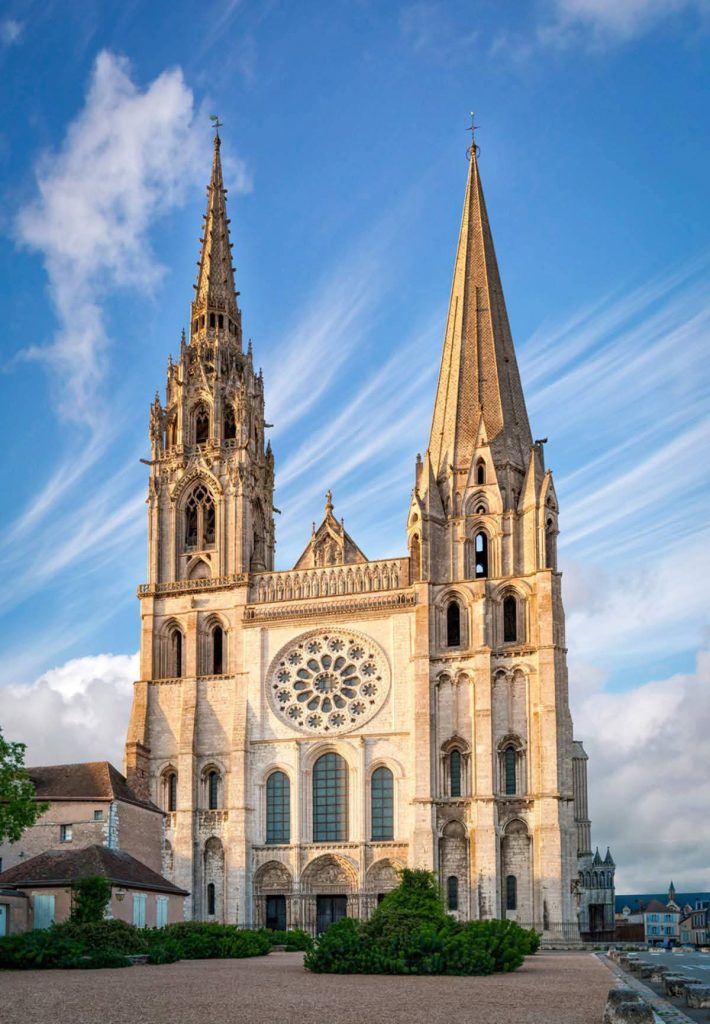
Chartres Cathedral in France stands as a quintessential example of French Gothic architecture. Renowned for its breathtaking stained glass windows and intricate sculptures, it showcases exceptional artistry and craftsmanship.
The cathedral’s design includes soaring spires and flying buttresses that enhance its verticality and structural stability.
Built in the 12th and 13th centuries, Chartres Cathedral has influenced Gothic design worldwide, symbolizing the style’s spiritual and architectural innovation.
Its harmonious proportions and detailed biblical depictions, carved around the entrance tympanum and column capitals, make it a masterpiece of medieval religious art.
2. Cologne Cathedral
Cologne Cathedral stands as Germany’s greatest Gothic masterpiece and a landmark of global significance.
Construction began in 1248 and spanned over 600 years, culminating in 1880 with its iconic twin spires reaching 157 meters, making it once the tallest building worldwide.
The cathedral features elaborate pointed arches, ribbed vaults, flying buttresses, and stunning stained glass windows that exemplify pure Gothic art.
It also houses the famous Pummerin bell and the revered reliquary of the Three Kings, enhancing its spiritual and architectural value.
3. Notre Dame de Paris
Notre Dame de Paris, begun in 1163 and completed by 1345, stands as a quintessential example of French Gothic architecture.
Built on the ruins of two earlier churches, it features iconic twin towers dominating the Paris skyline before the Eiffel Tower.
Its design includes massive rose windows, flying buttresses, and dozens of ornate gargoyles that enhance both aesthetics and structure.
The cathedral’s elaborate sculptures and stained glass illustrate biblical stories, making it a living museum of medieval religious art.
Despite damage during the French Revolution, Notre Dame remains a symbol of France’s Gothic legacy.
4. Reims Cathedral
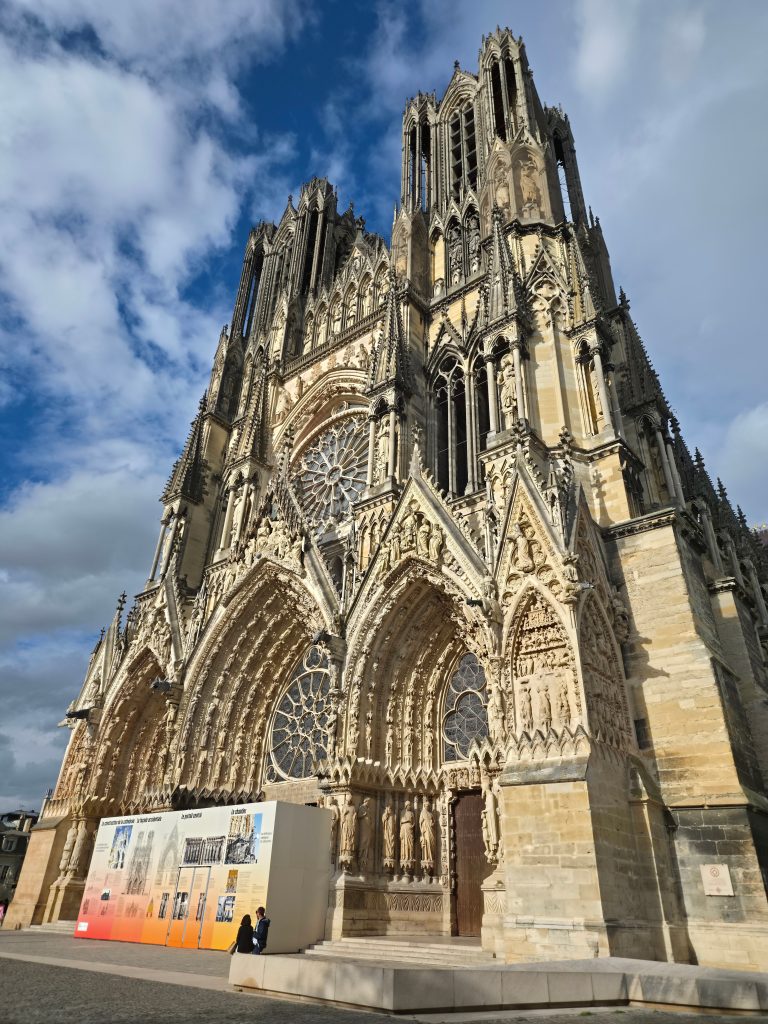
Reims Cathedral, or Notre-Dame de Reims, stands as a pinnacle of French Gothic architecture. Built between the 13th and 15th centuries, its symmetrical façade features a massive central window and intricate biblical sculptures, bishops, angels, and French kings.
The cathedral famously hosted the coronations of 26 French kings, including Charles VII in 1429, crowned with the support of Joan of Arc.
Despite severe damage during World War I, extensive restoration restored its grandeur. A UNESCO World Heritage Site since 1991, Reims Cathedral continues to captivate with its stained glass and historic significance.
5. Milan Cathedral
Standing as the largest church in Italy and fifth largest worldwide, Milan Cathedral began construction in 1386, taking nearly six centuries to complete.
It showcases Italian Gothic architecture with over 3,400 statues, spires, pinnacles, and gargoyles. The iconic Gold Madonna statue crowns its roofline, visible from the cathedral terrace.
While mainly Gothic, the cathedral features Renaissance-inspired elements, reflecting its prolonged construction.
Located at Piazza del Duomo next to Galleria Vittorio Emanuele II, this architectural marvel combines soaring vaults with delicate flying buttresses, symbolizing Milan’s spiritual and cultural heritage.
6. Westminster Abbey
Westminster Abbey stands as a Gothic masterpiece at the heart of British history. Known officially as the Collegiate Church of St. Peter, it has hosted every British monarch’s coronation since 1066, beginning with William the Conqueror.
This Royal Peculiar, under direct sovereign jurisdiction, showcases iconic gothic elements such as ribbed vaulted ceilings, flying buttresses, and intricate statues.
The Chapter House boasts a remarkable medieval tiled floor, praised for its perfect design. Beyond coronations, the Abbey holds the tombs of monarchs, poets, and notable figures, making it a living monument of the nation’s heritage.
7. Basilica of Saint-Denis
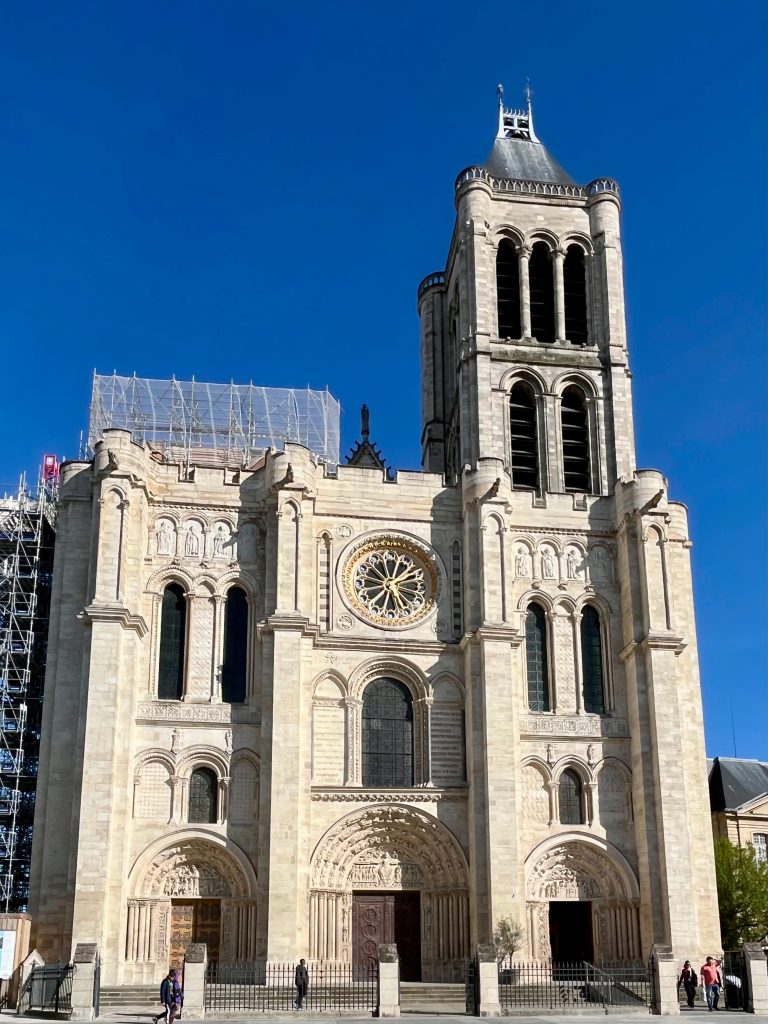
Recognized as the earliest masterpiece of French Gothic architecture, the Basilica of Saint-Denis pioneered the use of rib vaults and flying buttresses.
Rebuilt in the 1140s under Abbot Suger’s direction, its choir showcases classic Gothic elements. The building features a nave with double aisles, a short transept, an apse, and a central spire, adorned with individual statues.
As a royal necropolis, it houses tombs of most French kings from the 10th to 18th centuries and attracts numerous pilgrims annually, reflecting its enduring religious and architectural significance.
8. Florence Cathedral
Florence Cathedral, also known as Santa Maria del Fiore, stands as a landmark of Italian Gothic architecture.
Designed by Arnolfo di Cambio, it features an iconic dome engineered by Filippo Brunelleschi between 1420 and 1436. This dome remains the largest brick dome ever built, showcasing innovative Renaissance techniques.
The cathedral combines Gothic verticality with Renaissance ideals, creating a unique architectural fusion.
Its vast interior, intricate stained glass, and sculptural details reflect Florence’s artistic heritage and engineering mastery, making it a key example of Gothic evolution in Italy.
9. Canterbury Cathedral
Canterbury Cathedral, one of England’s oldest and most iconic Gothic cathedrals, exemplifies Early English Gothic architecture. Rebuilt around 1174, it features soaring arches, ribbed vaults, and intricate stained glass windows.
The cathedral’s choir, designed by William of Sens, showcases lavish Gothic detailing. Its history includes the murder of Archbishop Thomas Becket, a pivotal moment that shaped England’s religious landscape.
Recognized as a UNESCO World Heritage Site, Canterbury Cathedral remains a key pilgrimage destination and a symbol of medieval faith and artistry, attracting millions annually.
10. Amiens Cathedral

Amiens Cathedral, straddling the Somme River in Northern France, stands as the largest Gothic cathedral in France.
Completed swiftly within 50 years (1220–1270), it showcases quintessential High Gothic features: soaring 139-foot-high nave, towering asymmetrical bell towers, and a massive rose window.
Known as the “Amiens Bible,” its intricate sculptures at the main gates narrate biblical stories in stone. Declared a UNESCO World Heritage Site in 1981, Amiens Cathedral captivates with its uniform architecture, stunning stained glass, and seasonal light shows revealing its original polychrome façade.
Alicia Richards