Mexico has a rich architectural heritage shaped by centuries of culture and innovation. Its architects have made a global impact by blending traditional elements with modern design.
Exploring the work of Mexico’s most famous architects reveals a unique fusion of history and creativity.
These visionary professionals have transformed skylines and inspired new generations with their bold ideas and distinctive styles.
From iconic public buildings to groundbreaking residential projects, their contributions showcase Mexico’s architectural identity. This article highlights 10 architects who have left a lasting mark on the world of design.
1. Luis Barragán

Luis Barragán redefined Mexican architecture by blending modernism with traditional elements. He emphasized color, light, and texture to create serene, emotional spaces.
Barragán’s work includes iconic projects like Casa Estudio Luis Barragán and the Torres de Satélite.
He won the Pritzker Prize in 1980, affirming his global influence. His use of bold colors and minimalist forms continues to inspire contemporary architects worldwide.
2. Alberto Kalach
Alberto Kalach is renowned for integrating sustainability and natural elements in urban architecture. He co-designed Biblioteca Vasconcelos, known as the “Megabiblioteca,” blending vast open spaces with greenery.
Kalach’s focus on water management is evident in his ecological projects like the Tomás Garrido Canabal Park.
His style combines modern materials with references to Mexican landscapes, emphasizing harmony between built and natural environments.
Kalach’s work challenges traditional urbanism by promoting green, adaptive public spaces in Mexico City and beyond.
3. Ricardo Legorreta
Legorreta revolutionized Mexican architecture by combining colors, bold geometric shapes, and traditional Mexican elements with modern design.
He emphasized light and shadow to create dynamic spaces in projects like the Camino Real Hotel in Mexico City and the San Antonio Public Library.
Legorreta’s work reflects strong cultural identity through courtyards, bright walls, and water features.
His international acclaim, including numerous awards, highlights his role in advancing contemporary regionalism and positioning Mexican architecture on the global stage.
4. Juan O’Gorman
Juan O’Gorman pioneered functionalist architecture in Mexico by blending modern design with Mexican muralism.
He designed iconic buildings like the Central Library of the National Autonomous University of Mexico, featuring murals by Diego Rivera that narrate Mexican history.
O’Gorman also innovated in social housing, creating affordable, efficient homes in Ciudad Universitaria. His work merges architecture with art, emphasizing cultural identity and social purpose.
By integrating bold colors, geometric forms, and storytelling, O’Gorman shaped Mexico’s architectural narrative and inspired future generations.
5. Tatiana Bilbao
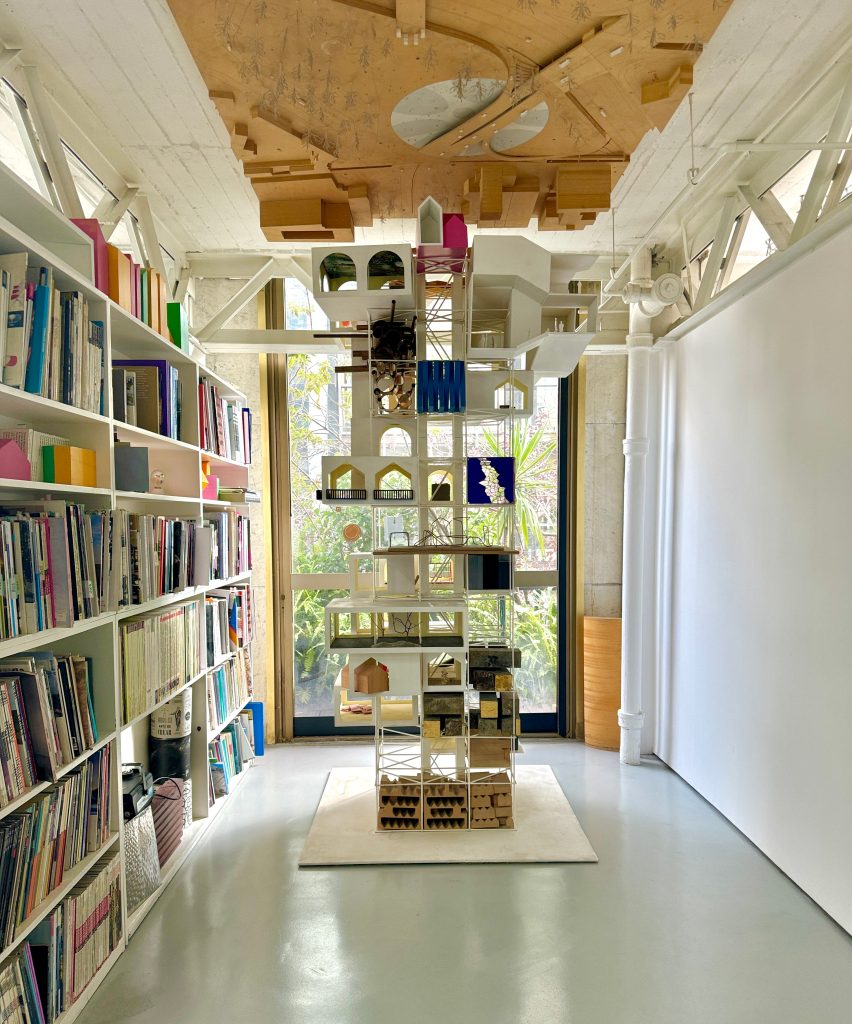
Tatiana Bilbao is celebrated for her socially conscious architecture that blends sustainability with modern design. She focuses on affordable housing, community integration, and environmental responsibility.
Projects like the Culiacán Botanical Garden and the San Pablo Cultural Center highlight her use of natural materials and open spaces.
Bilbao’s work challenges conventional architecture by promoting inclusivity and ecological awareness, earning international recognition and setting new standards for Mexican design.
6. Fernando Romero
Fernando Romero revolutionizes Mexican architecture with his futuristic designs and global outlook.
He founded FR-EE, the studio behind the striking Soumaya Museum in Mexico City, blending modern aesthetics with cultural storytelling.
Romero’s projects embrace innovation and sustainability, such as the New Mexico City International Airport, emphasizing environmental sensitivity and cutting-edge technology.
He collaborates internationally, transforming urban landscapes while promoting Mexican architectural identity worldwide.
His visionary approach combines bold forms with cultural relevance, making him a key figure shaping contemporary architecture in Mexico and beyond.
7. Javier Senosiain

Javier Senosiain is a pioneer of organic architecture in Mexico. He designs buildings inspired by natural forms, blending structures with the environment.
His most famous work, the “Nautilus House,” mimics a seashell’s spiral shape, creating harmonious living spaces.
Senosiain focuses on sustainability, using natural light and ventilation to minimize environmental impact.
His unique approach challenges conventional architecture by inviting nature into design, influencing both Mexican and international architects seeking eco-friendly innovation.
8. Frida Escobedo
Frida Escobedo blends modern design with cultural heritage, creating spaces that engage communities.
She gained international recognition with her Serpentine Pavilion in London, showcasing her talent for using simple materials to craft complex forms.
Her projects, like Casa Wabi and the renovation of Mexico City’s San Pablo courtyards, emphasize openness, light, and local craftsmanship.
Escobedo’s work challenges traditional architecture by fostering dialogue between past and present, making her a leading figure in contemporary Mexican design.
9. Manuel Rocha Díaz
Manuel Rocha Díaz reshaped Mexican architecture by merging modernist principles with regional traditions. He focused on creating functional yet expressive spaces that connect people with their environment.
His notable works include the renovation of Mexico City’s Chapultepec Park and the Mexican Pavilion at Expo 92. Emphasizing natural light, open layouts, and local materials, Díaz’s designs balance innovation with cultural respect.
His legacy continues to influence architects who prioritize sustainable regionalism and socially conscious design in Mexico.
10. Ruth Rivera Marín
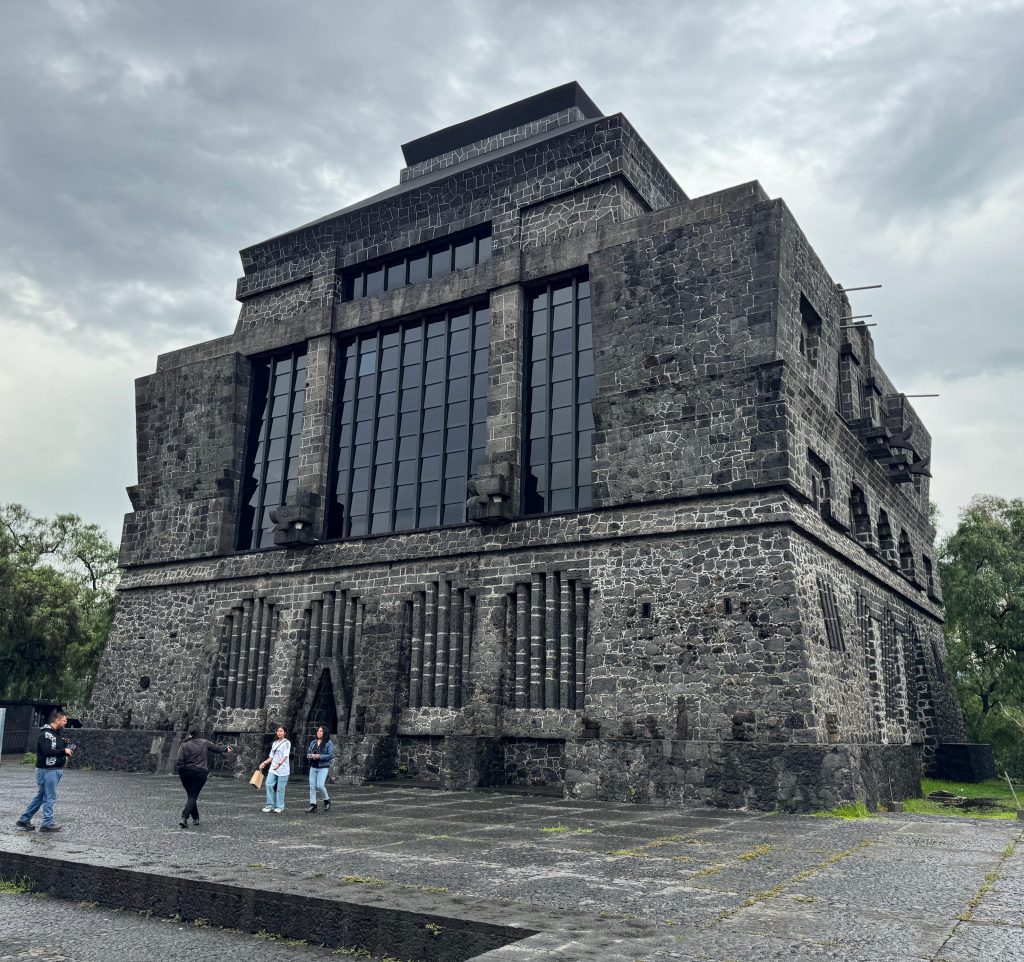
Ruth Rivera Marín pioneered modern Mexican architecture by blending functional design with cultural identity.
She emphasized education and preservation, co-founding Mexico’s National Institute of Fine Arts’ architecture department.
Rivera Marín’s work, including the Azcapotzalco Housing Project, showcases social responsibility and innovation.
Influenced by her father Diego Rivera’s artistic legacy, she promoted urbanism that respects heritage while embracing modern needs.
Her contributions paved the way for women in architecture, solidifying her role as a transformative figure in Mexico’s architectural history.
Alicia Richards