Modern architecture has transformed the way we experience buildings by embracing innovative materials like glass and steel.
From towering skyscrapers in bustling cities to iconic structures with unique shapes the field continues to push boundaries. These designs reflect fresh ideas about form function and sustainability shaping our urban landscapes.
Behind these extraordinary creations are visionary architects who have redefined the art of building. Their groundbreaking work combines creativity with practicality inspiring generations worldwide.
This article delves into the remarkable achievements of these pioneers whose innovative designs continue to captivate professionals and enthusiasts alike.
Understanding their philosophies offers valuable insight into how architecture can blend artistry with modern challenges creating spaces that are both functional and inspiring.
1. Frank Gehry
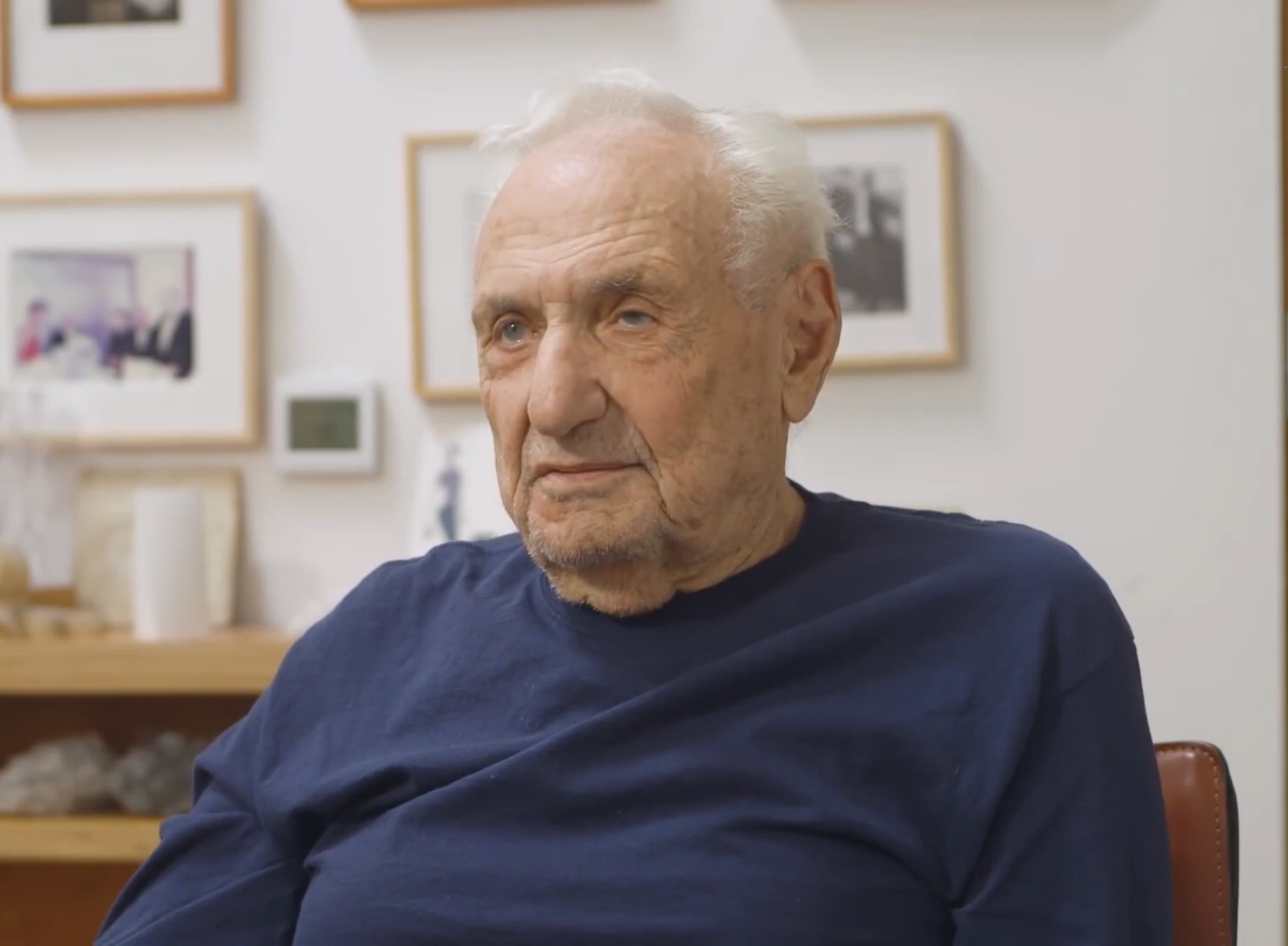
Frank Gehry, a Canadian-American architect born in 1929, is renowned for pioneering Deconstructivist architecture.
His designs reject traditional forms, often featuring unique curved shapes that challenge conventional aesthetics.
Gehry’s iconic projects include the titanium-clad Guggenheim Museum in Bilbao, Walt Disney Concert Hall in Los Angeles, and the Louis Vuitton Foundation in Paris.
Recognized as one of the most influential architects of the 20th and 21st centuries, he has won prestigious awards like the Pritzker Prize.
Gehry’s work blends innovation with artistic expression, shaping modern architectural discourse worldwide.
2. Zaha Hadid

Recognized as a pioneer of parametric architecture, Zaha Hadid revolutionized modern design with her bold, futuristic forms.
Born in Baghdad in 1950, she blended organic shapes with cutting-edge technology, creating structures that seem to defy gravity.
Her iconic Heydar Aliyev Center in Baku features fluid, undulating curves that challenge conventional architecture.
Hadid was the first woman to win the Pritzker Architecture Prize, and her work continues to inspire architects to push boundaries and innovate with materials and forms.
3. Norman Foster
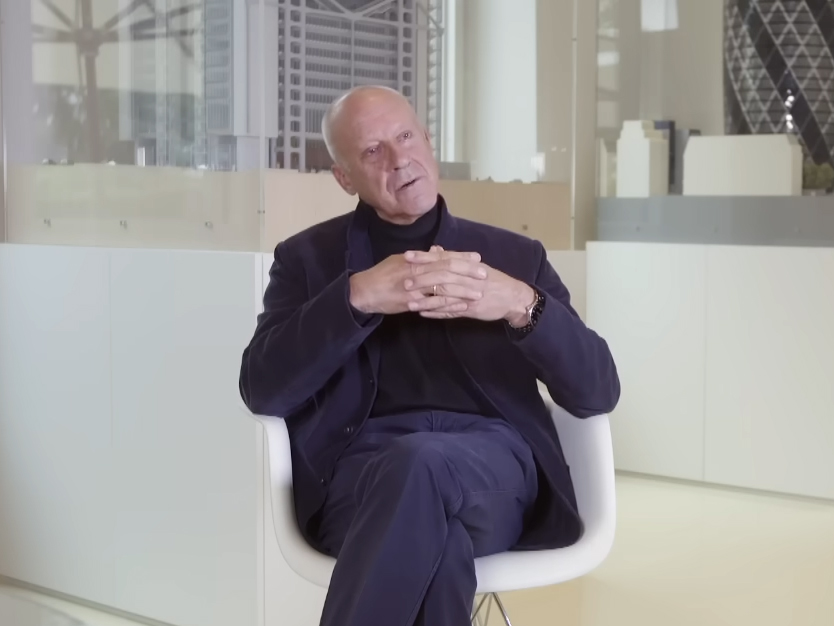
Norman Foster revolutionized modern architecture with his pioneering high-tech style focusing on sustainability and innovation.
His iconic works, like The Gherkin in London and the Millau Viaduct in France, showcase sleek designs combined with energy-efficient technology.
Foster’s integrated design approach prioritizes environmentally friendly structures, setting new standards in urban architecture. Influenced by Buckminster Fuller’s geodesic domes, he redefined modern buildings with steel and glass.
Knighted in 1990 and awarded the Pritzker Prize in 1999, Foster remains a global leader shaping contemporary architectural practices.
4. Renzo Piano
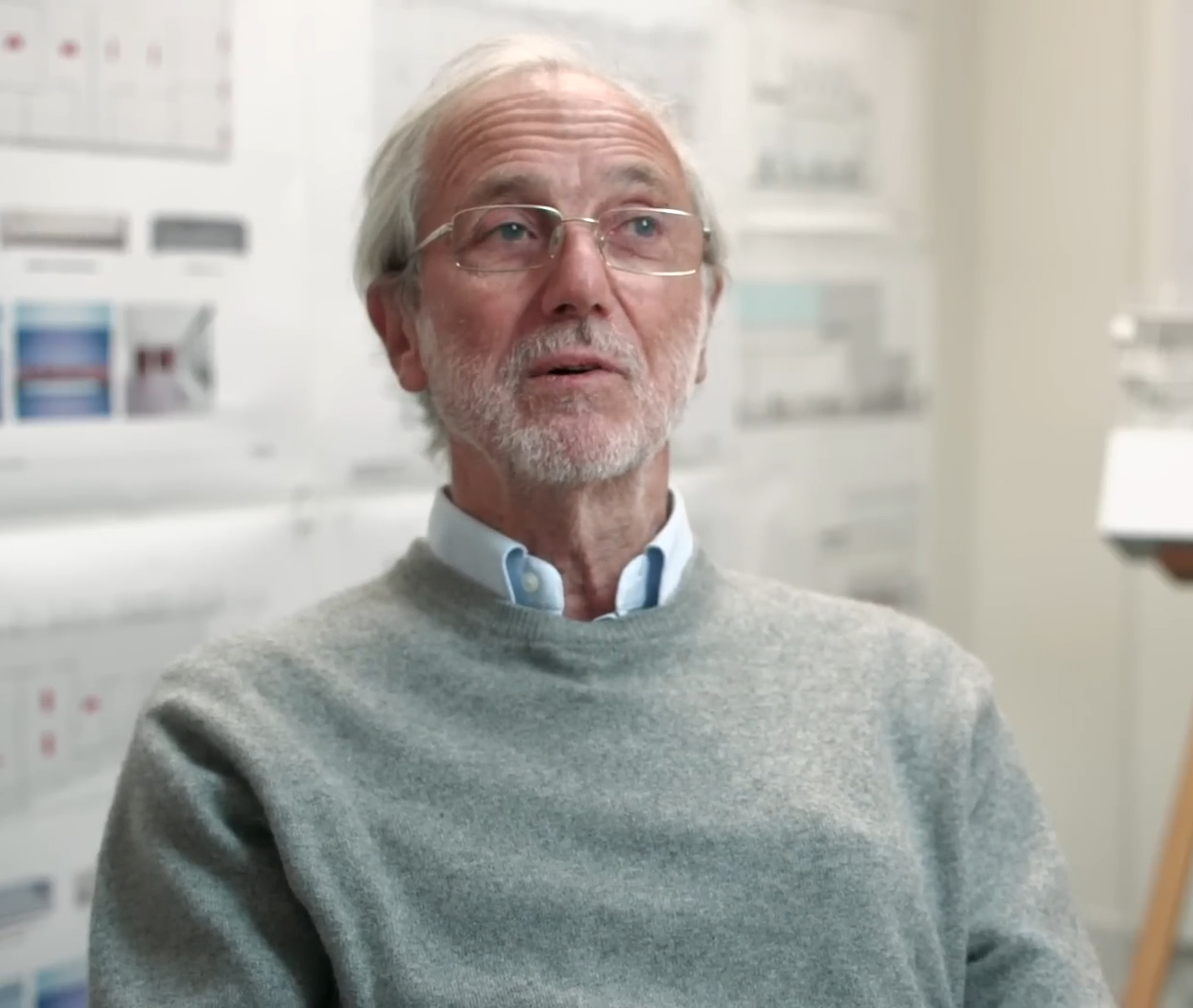
Renzo Piano, an Italian architect born in Genoa, is renowned for blending modern design with innovative engineering. He co-designed the Centre Georges Pompidou in Paris, a bold cultural landmark that reshaped architectural norms.
Piano emphasizes sustainability by integrating roof gardens, solar panels, and rainwater collection in his projects. His notable works include The Shard in London, the tallest skyscraper in the EU, and Kansai International Airport in Japan.
Awarded the Pritzker Prize in 1998 and the RIBA Royal Gold Medal in 2016, Piano is celebrated for environmentally conscious, human-centered designs.
5. Rem Koolhaas

Rem Koolhaas is a pioneering Dutch architect and urbanist known for challenging architectural norms. He founded the Office for Metropolitan Architecture (OMA), blending architecture with media and urbanism.
His landmark project, the CCTV Headquarters in Beijing, features a unique looped design symbolizing modern China’s rapid urban growth.
Koolhaas’s modernist style embraces asymmetry and bold color choices, with a strong focus on human-centered urban planning.
His influential book, Delirious New York, set the tone for his career as a provocative thinker reshaping contemporary architecture and city design.
6. Richard Rogers

Richard Rogers pioneered modern architecture with innovative, sustainable designs emphasizing transparency and functionality.
He is best known for the Centre Pompidou in Paris, co-designed with Renzo Piano, where exposed structural elements create a bold aesthetic.
Rogers’s Leadenhall Building in London showcases his skill in blending steel and glass to redefine skyscraper design.
Knighted in 1991 and awarded the Pritzker Prize in 2007, he actively promoted eco-friendly architecture, pushing policies to reduce environmental impact. His work inspired global architects to prioritize sustainable urban environments.
7. Jean Nouvel

Jean Nouvel redefines modern architecture by integrating context, culture, and environment into every project. Known for the Louvre Abu Dhabi’s iconic floating dome, he transforms buildings into immersive experiences.
He earned top awards like the Pritzker Prize in 2008 and the Wolf Prize in 2005 for his bold experimentation and innovative designs.
Nouvel’s work, including the Arab World Institute and Torre Agbar, tells stories through architecture, using materials and light to connect structures with their surroundings globally.
8. Santiago Calatrava
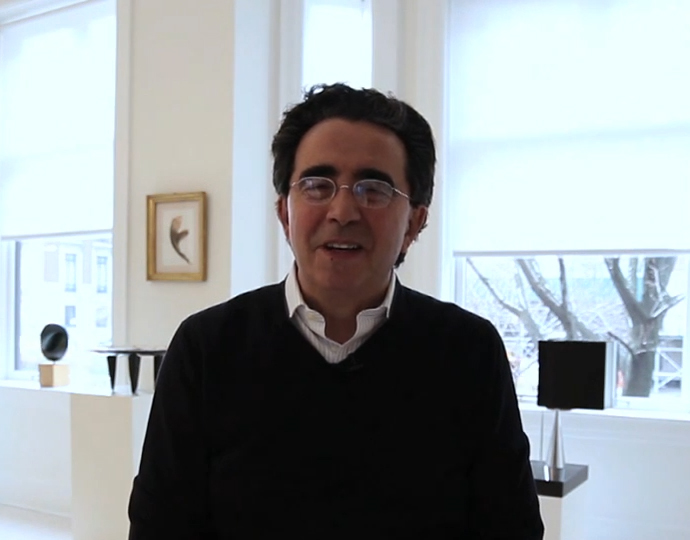
Santiago Calatrava, born in Valencia in 1951, masters the art of blending architecture with structural engineering.
His innovative designs, such as the Oculus at New York’s World Trade Center and Dubai Creek Tower, showcase organic forms inspired by nature.
Calatrava’s City of Arts and Sciences in Valencia embodies his signature style—elegant, expressive, and functional.
His work blurs the line between architecture and sculpture, earning prestigious awards like the European Prize for Architecture and the AIA Gold Medal. His projects demonstrate how beauty and engineering innovation create awe-inspiring modern structures.
9. Tadao Ando

Tadao Ando is celebrated for his minimalist architecture that fuses concrete with natural elements like light and water.
He designs spaces that feel warm and inviting despite using raw materials. His iconic Church of the Light in Osaka exemplifies this approach, creating profound spirituality through simplicity and light.
He often blends wood, stone, and glass with concrete to achieve harmony between structure and environment.
As a self-taught architect, Ando’s innovative use of natural light and pure forms has profoundly influenced modern minimalist design worldwide.
10. Bjarke Ingels

Bjarke Ingels, born in Denmark in 1974, leads the Bjarke Ingels Group (BIG), famed for bold, playful designs that embrace sustainability.
He blends innovative forms with environmental consciousness, creating projects like the 8 House and Mountain Dwellings in Copenhagen.
Ingels redefines urban architecture by integrating green spaces and sociocultural elements, demonstrating that buildings can be both beautiful and practical.
Recognized by TIME as one of the 100 Most Influential People in 2016, his creations range globally, including the VIA 57 West in New York and Two World Trade Center, showcasing groundbreaking fusion of design and sustainability.
Alicia Richards