New York City’s skyline is a dynamic canvas shaped by some of the most influential architects in the world.
From towering skyscrapers to innovative public spaces, these visionaries have transformed the city into an architectural playground that pushes creative boundaries.
The city’s architectural scene is a blend of historic mastery and cutting-edge design, reflecting the work of renowned figures who continue to inspire generations.
The impact of New York’s top architects extends beyond aesthetics. Their work encompasses sustainable design, urban revitalization, and groundbreaking construction techniques, making the city a global leader in architecture.
1. Jeanne Gang
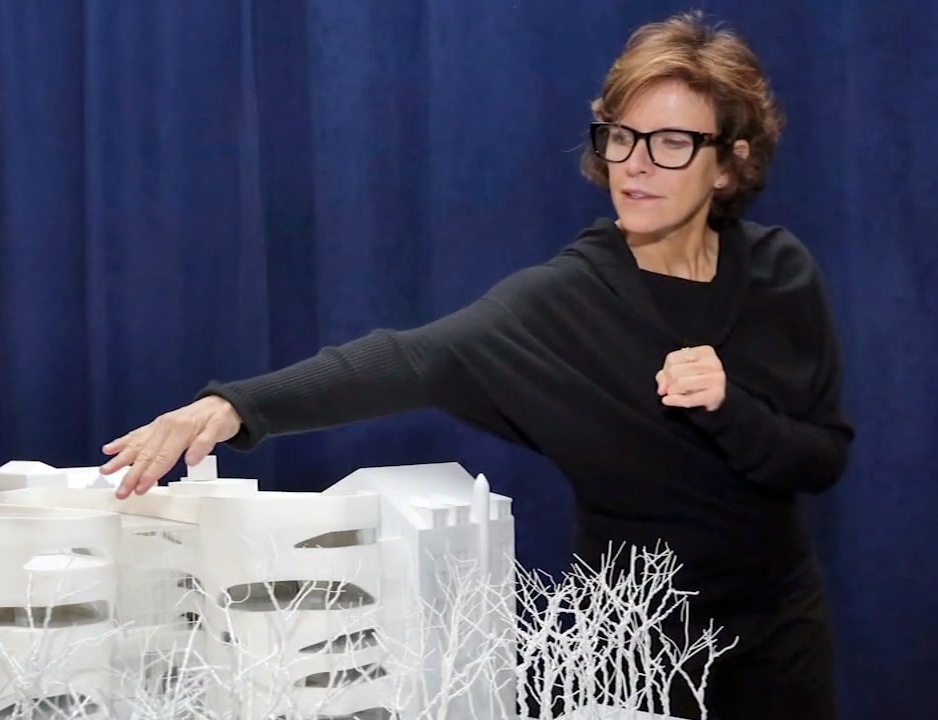
Jeanne Gang, founder of Studio Gang, stands as a transformative architect influencing New York’s skyline with her innovative designs rooted in nature.
Starting her career in Chicago, Gang champions structural innovation and sustainability, blending organic forms inspired by geology and wildlife into urban spaces.
Her firm’s multidisciplinary approach unites architecture, urbanism, and environmental design to create, community-focused buildings.
Notable projects like the Richard Gilder Center for Science Education showcase her commitment to material innovation and ecological synergy, reinforcing her reputation among New York’s most influential architects.
2. Daniel Burnham

Daniel Burnham transformed New York’s skyline with pioneering designs like the Flatiron Building. Completed in 1902, this Beaux-Arts masterpiece was among the city’s first steel-frame skyscrapers, rising 87 meters tall.
Despite early skepticism about its triangular shape and slender form, it remains an iconic symbol of New York.
Burnham’s work combined classical elements with innovative construction methods, setting new standards in urban architecture.
His influence extends beyond the Flatiron, including landmarked commercial structures that helped shape New York City’s early 20th-century architectural identity.
3. Annabelle Selldorf

Annabelle Selldorf leads Selldorf Architects, a 65-person firm known for understated elegance. Since 1988, her work blends humanism with NYC’s skyline, emphasizing ecofriendly materials and refined minimalism.
Key projects include 21 East 12th Street and 347 Bowery, featuring intricate, terracotta-clad façades like at 10 Bond Street.
She transforms spaces thoughtfully, from private residences to cultural landmarks such as the Neue Galerie and the Hauser & Wirth gallery.
Her adaptive reuse of Brooklyn’s Sunset Park Material Recovery Facility highlights her sustainable design ethos, integrating recycled materials with minimalist aesthetics.
4. Frank Lloyd Wright
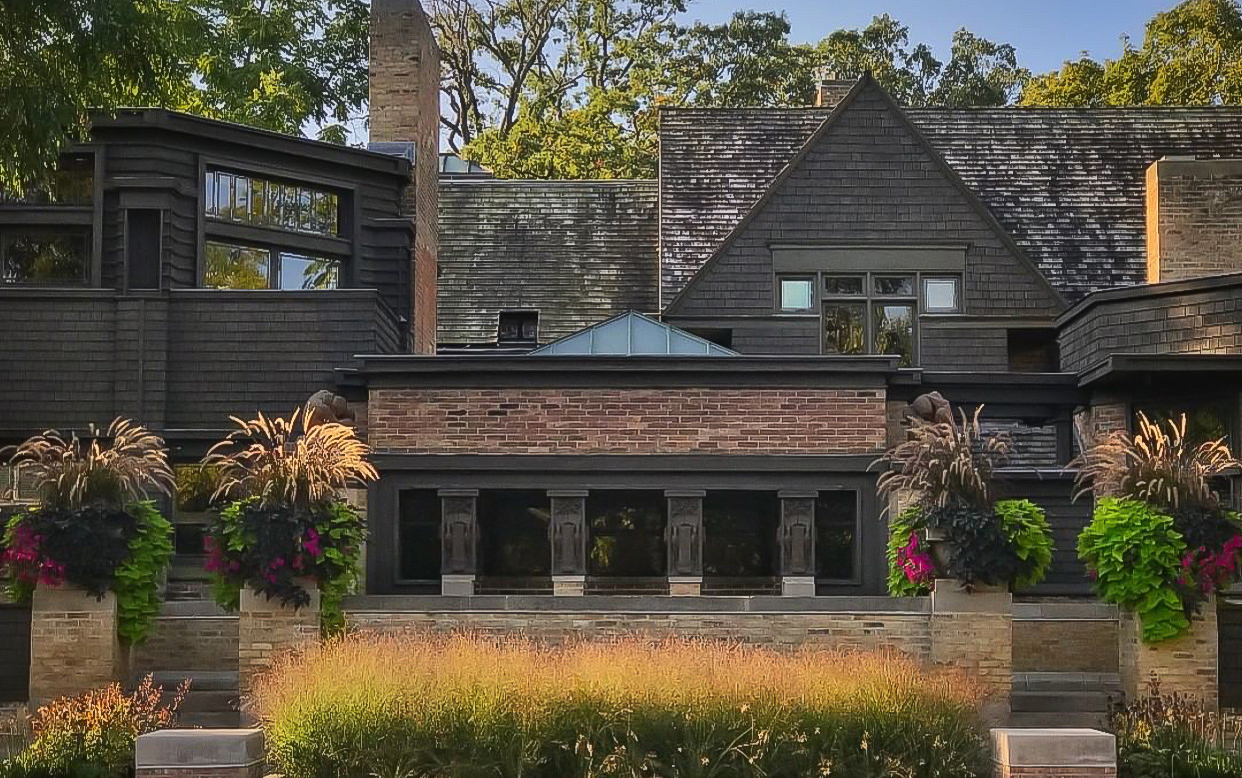
Frank Lloyd Wright revolutionized American architecture with his organic design philosophy, blending buildings seamlessly into their surroundings.
Though not based in New York, his influence is visible in the city’s architectural evolution. Wright championed open floor plans and natural materials, inspiring skyscraper designs that balance functionality and aesthetics.
His legacy includes iconic works like the Guggenheim Museum in NYC, which redefined museum architecture with its spiral ramp.
Wright’s innovative use of space and structure continues to inspire New York architects seeking harmony between modern design and urban context.
5. Renzo Piano

Renzo Piano, a Senator for Life in Italy, is a globally renowned architect recognized for transformative designs like the Centre Georges Pompidou in Paris, which revolutionized modern architecture.
Winning the 1998 Pritzker Prize and appearing on TIME’s 100 Most Influential People list, Piano’s work includes iconic New York skyscrapers—the New York Times Building and The Shard in London, the tallest skyscraper in the EU.
His innovative style blends technical mastery with aesthetic boldness, significantly shaping New York’s architectural skyline.
6. Philip Johnson
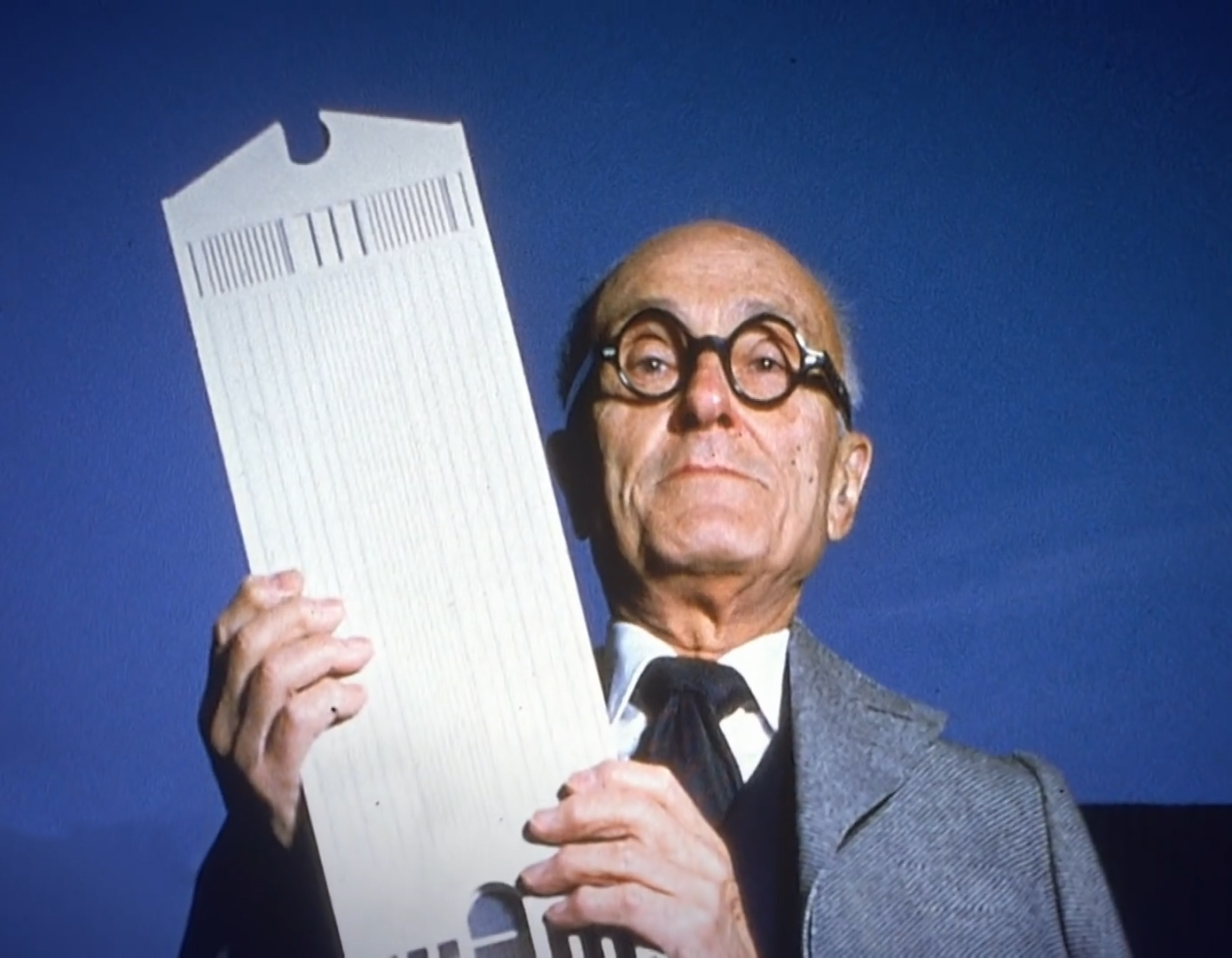
Philip Johnson revolutionized New York’s architectural scene with his bold embrace of modernism and postmodernism.
Known for designing the iconic Glass House, Johnson also crafted the Lipstick Building, a hallmark of sleek, elliptical design.
His work bridged minimalist and ornamental styles, influencing New York’s skyline with projects like the AT&T Building.
Johnson’s innovative use of glass and steel challenged traditional forms, inspiring architects to blend functionality with expressive aesthetics, making him a pivotal figure in shaping contemporary New York architecture.
7. William Van Alen

William Van Alen is best known for designing the Chrysler Building, an iconic Art Deco skyscraper completed in 1930. Standing 1,046 feet tall, it was briefly the world’s tallest building before the Empire State Building surpassed it.
Van Alen’s inventive crown features stainless steel arches and triangle windows inspired by automobile motifs, reflecting the building’s namesake, Walter Chrysler.
Despite a relatively short NYC career, Van Alen’s work remains a masterpiece of modernity and elegance, revered by architects and futurists worldwide.
His meticulous design process adapted quickly to contractor demands, ensuring the Chrysler Building’s place in architectural history.
8. John A. Roebling

John A. Roebling transformed New York City’s infrastructure with his pioneering suspension bridge designs.
Best known for the Brooklyn Bridge, completed in 1883, Roebling combined innovative engineering and architectural vision to connect Manhattan and Brooklyn.
His use of steel-wire cables and gothic-style stone towers set new standards in bridge construction.
Roebling’s designs not only enhanced urban mobility but also became iconic symbols of New York’s architectural heritage, influencing future bridge engineering worldwide.
9. James Renwick Jr.

James Renwick Jr. shaped New York’s architectural heritage with his masterful Gothic Revival and Romanesque designs.
He designed landmark buildings like St. Patrick’s Cathedral, completed in 1878, which remains a prime example of Gothic Revival in the city.
Renwick’s work emphasized intricate details, soaring spires, and grand façades, blending craftsmanship with monumental scale.
His innovative use of stone and ornamentation elevated religious and public architecture, influencing generations of New York architects and enriching the city’s historic skyline.
10. David Childs

David Childs, a leading figure at Skidmore, Owings & Merrill, redefined New York’s skyline with iconic projects like One World Trade Center.
He blends modernist principles with innovative engineering to create structures that embody resilience and elegance.
Childs excels at designing high-profile commercial skyscrapers, balancing form and function while addressing urban challenges.
His work on the World Trade Center site exemplifies thoughtful urban renewal, symbolizing strength and renewal.
Childs’ commitment to sustainable design and meticulous craftsmanship solidifies his reputation as one of New York’s most influential architects.
Alicia Richards