Across the globe majestic palaces stand as timeless symbols of cultural richness architectural brilliance and political might.
These grand estates built by monarchs and emperors not only served as luxurious residences but also as stages for historic events and artistic achievements.
From the intricate latticework of Jaipur’s Hawa Mahal to the sprawling gardens of Versailles each palace offers a unique glimpse into the past.
These architectural marvels showcase the craftsmanship and vision of their eras often blending innovation with opulence.
Many palaces today have transformed into museums or cultural centers inviting visitors to step back in time and experience the grandeur once reserved for royalty.
1. Palace of Versailles
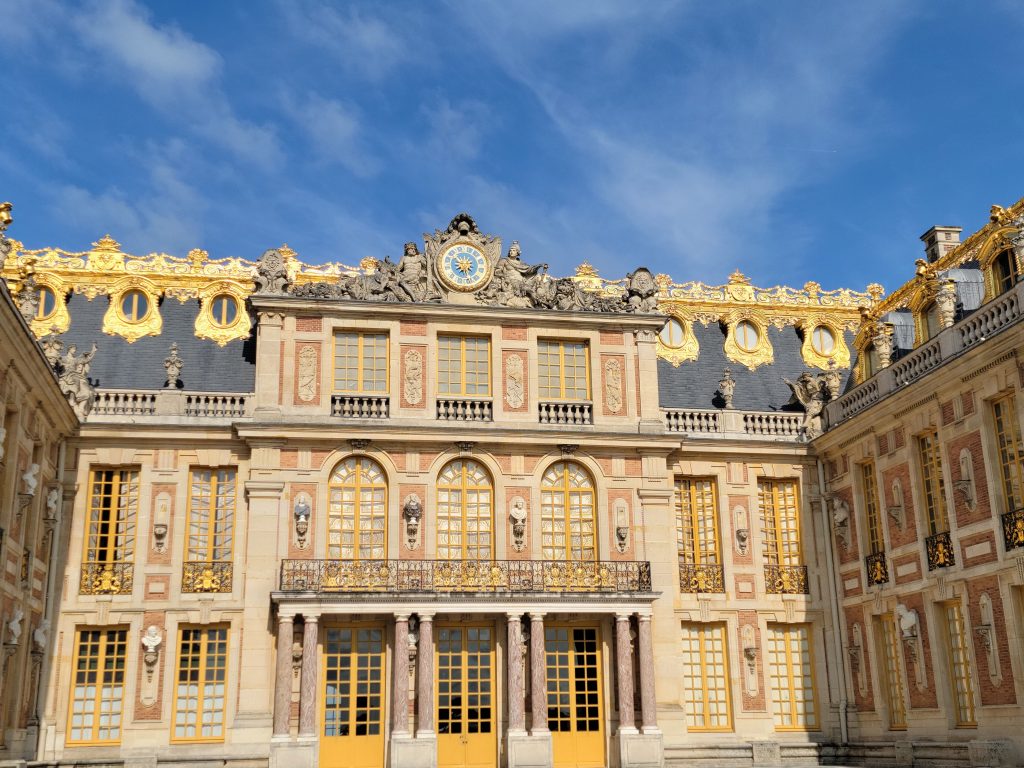
The Palace of Versailles stands as a symbol of French opulence and architectural brilliance. Originally a modest hunting lodge built by Louis XIII in 1624, it expanded under Louis XIV into a grand palace housing 2,300 rooms.
Its centerpiece, the Hall of Mirrors, features 17 mirror-clad arches overlooking the stunning gardens. The palace showcases exquisite art, including paintings, sculptures, and tapestries.
Visitors can explore the King’s Apartments, the Opéra de Versailles, and Marie Antoinette’s private retreats like the Petit Trianon and the Hameau de la Reine.
Declared a UNESCO World Heritage site in 1979, Versailles attracts 8 million annual visitors to its magnificence and historic legacy.
2. Buckingham Palace
Buckingham Palace, the official residence of the British monarch since 1837, features 775 rooms and hosts major state events. Originally built in 1703 as Buckingham House, it became royal property under King George III in 1761.
The palace’s iconic balcony is used for public royal appearances. Its lavish State Rooms, open to visitors each summer, display exquisite art and historical treasures.
The extensive private garden is the largest in London. Spectacular ceremonies like the Changing of the Guard and Trooping the Colour showcase the palace’s rich traditions and draw crowds worldwide.
3. Schönbrunn Palace
Schönbrunn Palace in Vienna stands as a masterpiece of Baroque architecture with 1,441 rooms, including the famous Great Gallery and Mirror Room.
Built between 1696 and 1712, it served as the summer residence for the Habsburg rulers until 1918.
The palace’s vast 400-acre gardens feature elaborate sculptures, fountains, an impressive maze, and smaller palaces like the Palm House and Orangery.
Schönbrunn hosted key historic events, such as the Congress of Vienna in 1814-15 and the signing of the Treaty of Trianon in 1920.
Today, it attracts millions annually as a UNESCO World Heritage Site showcasing Austrian imperial grandeur.
4. Topkapı Palace
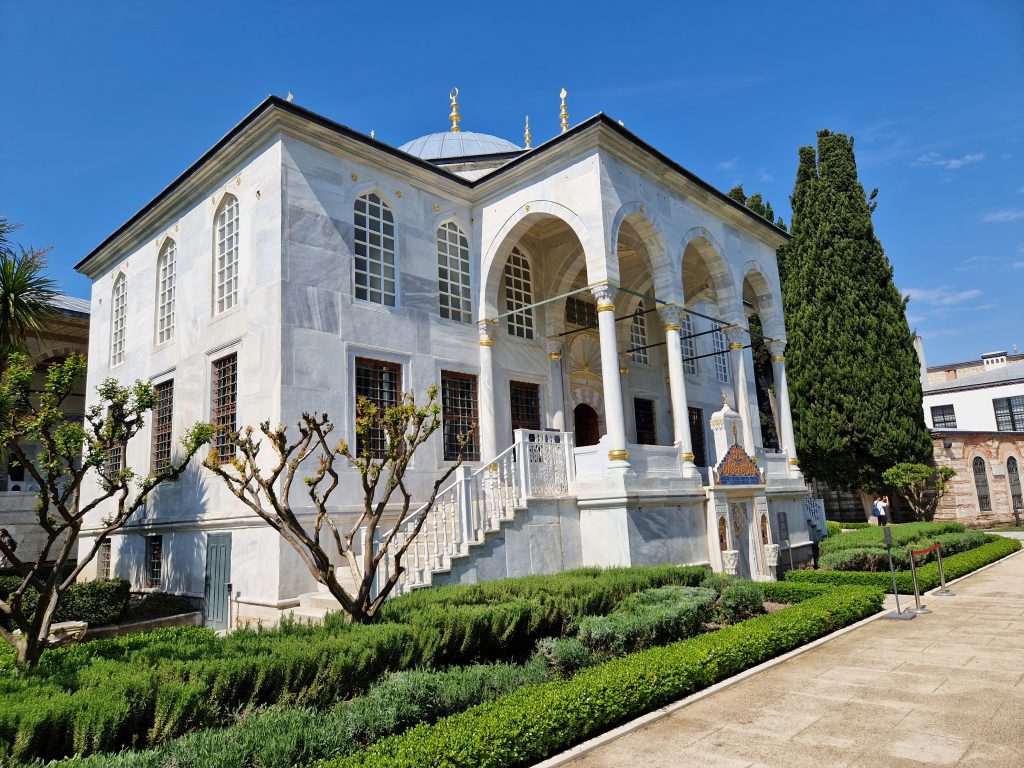
Topkapı Palace in Istanbul ranks among the world’s most visited palaces. Built in 1459 by Mehmed the Conqueror, it served as the Ottoman sultans’ royal residence and administrative center for centuries.
This sprawling complex showcases exquisite Ottoman architecture, intricate courtyards, and lush gardens overlooking the Bosphorus and Golden Horn.
Today, it functions as a museum housing priceless artifacts like the jewel-encrusted Topkapi Dagger, sacred relics, and elaborate manuscripts.
Visitors explore the palace’s rich history and cultural heritage, gaining insight into the opulence and power of the Ottoman Empire.
5. Alhambra Granada
Built in the 13th century, the Alhambra in Granada is a stunning palace and fortress complex renowned for Islamic architecture.
It blends intricate geometric mosaics, colonnaded courtyards, and lush gardens, reflecting Moorish design mastery.
Originally a fortress in 889, it became a royal palace under Sultan Yusuf I in 1333. The Nasrid rulers continuously enhanced it, adding exquisite Andalusian motifs and Arabic inscriptions. After 1492, it served as the Royal Court for Ferdinand and Isabella.
Now a UNESCO World Heritage Site, the Alhambra remains one of Spain’s top tourist attractions, admired for its historical richness and architectural beauty.
6. Mysore Palace
Known as Amba Vilas Palace, Mysore Palace is the heart of the City of Palaces in India. Built between 1897 and 1912, it served as the royal residence of the Wadiyar dynasty.
The palace boasts grand archways, palepink walls, and maroon domes, reflecting Indo-Saracenic architecture. Visitors flock to Mysore Palace during the Dasara festival when 10,000 lights illuminate it spectacularly.
Constructed of stone and wood at a cost of Rs 41,47,913 in 1912 (approximately 30 million today), it attracts over six million visitors annually, ranking among India’s top tourist spots.
7. Winter Palace
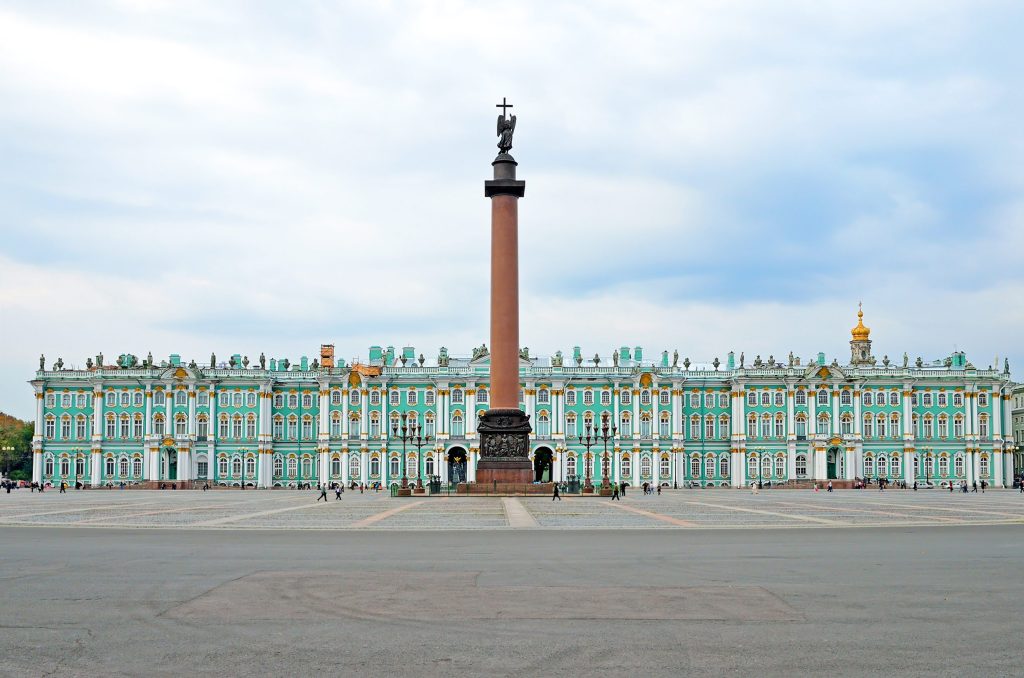
The Winter Palace in St. Petersburg served as the official residence of Russian monarchs from 1732 to 1917. It boasts 1,500 rooms adorned with lavish Baroque details reflecting imperial wealth and power.
Visitors explore the attached Hermitage Museum, home to over three million masterpieces by artists like Picasso, da Vinci, Monet, and Rembrandt.
The palace’s grandeur and art collection make it a must-see for those interested in royal history and cultural heritage.
8. Potala Palace
Standing over 13 stories with more than 1,000 rooms, Potala Palace in Lhasa served as the winter residence of the Dalai Lamas from 1649 to 1959.
Built atop Marpo Ri hill, it combines fortress and monastery styles, featuring copper-filled foundations for earthquake resistance.
The palace houses over 10,000 shrines and 200,000 statues, symbolizing Tibetan Buddhism’s spiritual heart. Since 1959 it has functioned as a museum and was declared a UNESCO World Heritage Site in 1994.
Its striking red and white walls contrast with the surrounding mountainous landscape, making it an iconic monument of Tibet.
9. Kensington Palace
Kensington Palace, a historic royal residence in London, has housed British monarchs since the 17th century. Originally a Jacobean mansion, it became Queen Anne’s favored home and later the birthplace of Queen Victoria.
Today, it serves as the official residence of several royals and a public museum showcasing state apartments, royal memorabilia, and beautiful gardens.
The palace’s blend of classic architecture and modern royal life offers visitors insight into centuries of British monarchy, making it a must-see landmark rich in history and elegance.
10. Pena Palace
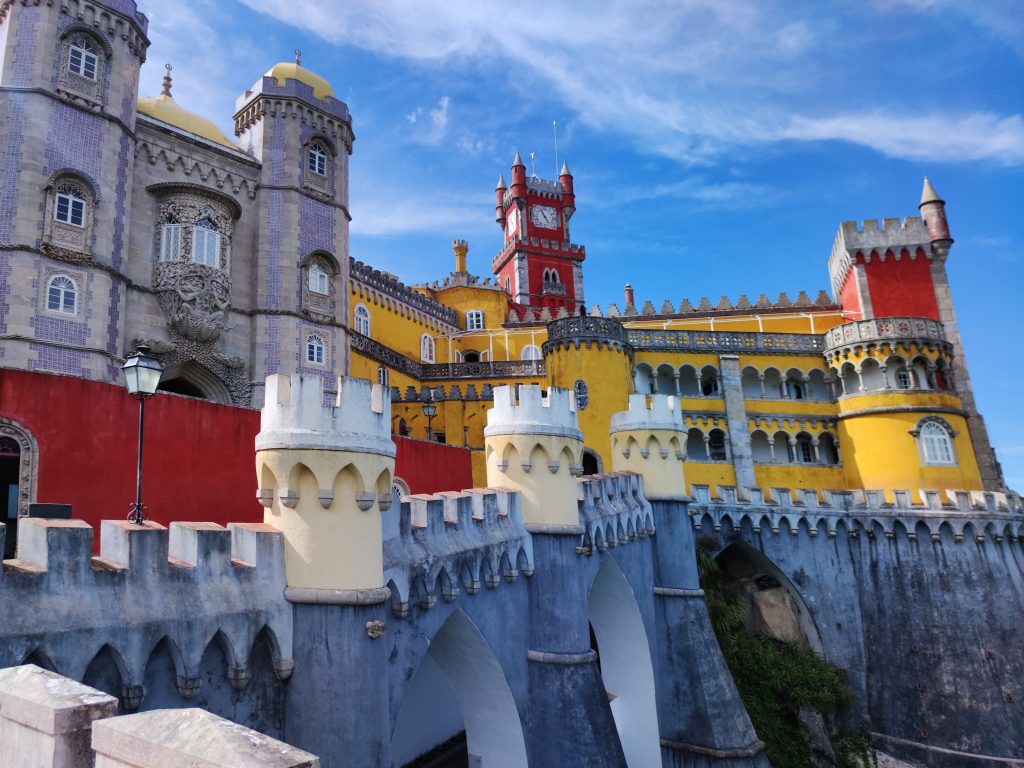
In Portugal’s Sintra Mountains, Pena Palace stands as a example of Romanticist architecture.
Built in the mid-19th century by King Ferdinand II, it blends Neo-Gothic, Neo-Manueline, Neo-Romanesque, and Indo-Gothic styles.
Its red and yellow walls contrast vividly with detailed blue mosaics and white battlements. Surrounding the palace, expansive gardens feature exotic plants gathered worldwide.
Recognized as a UNESCO World Heritage site and one of Portugal’s Seven Wonders, Pena Palace captivates visitors with its fairy-tale charm and historical grandeur.
Alicia Richards