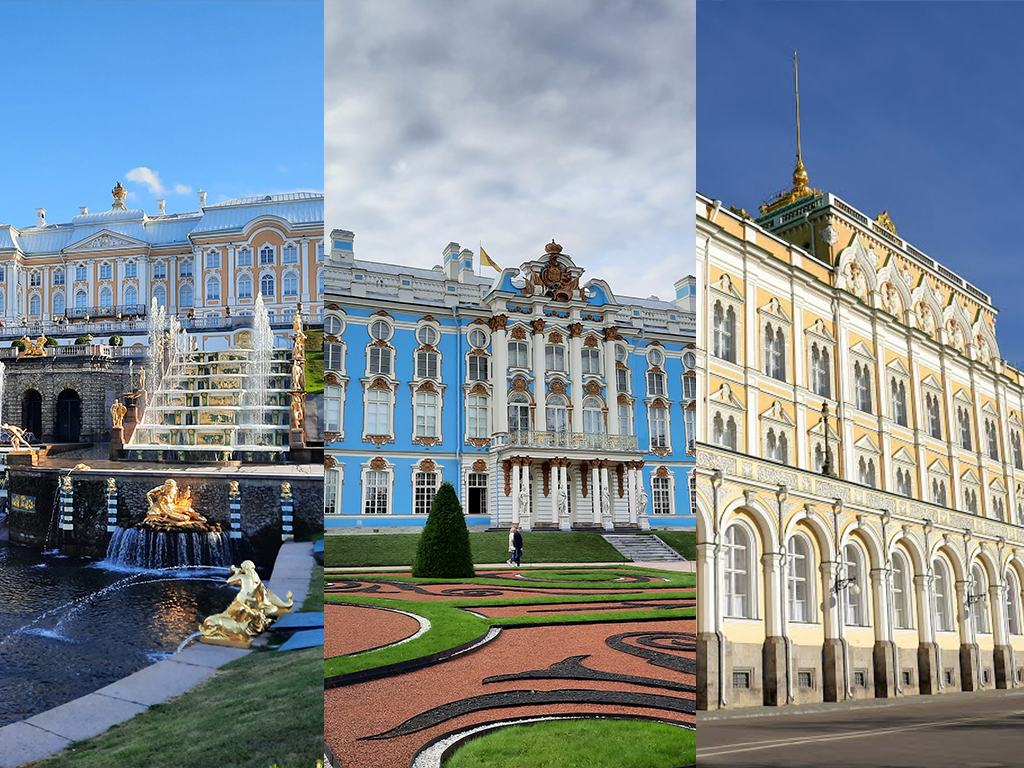
Russia’s architectural landscape is a captivating blend of history and innovation. From the ornate onion domes of Moscow’s iconic cathedrals to the grand palaces of Saint Petersburg, the country’s buildings tell stories of its rich cultural heritage and evolving identity.
These landmarks not only showcase stunning design but also reflect the political and social changes that have shaped Russia over centuries.
Exploring Russia’s most famous buildings offers a unique journey through time, revealing the artistry and craftsmanship behind each structure.
Whether it’s the Kremlin’s imposing fortress walls or the elegant spires of Saint Basil’s Cathedral, these sites are essential for anyone wanting to understand the heart of Russian history and architecture.
1. St. Basil’s Cathedral
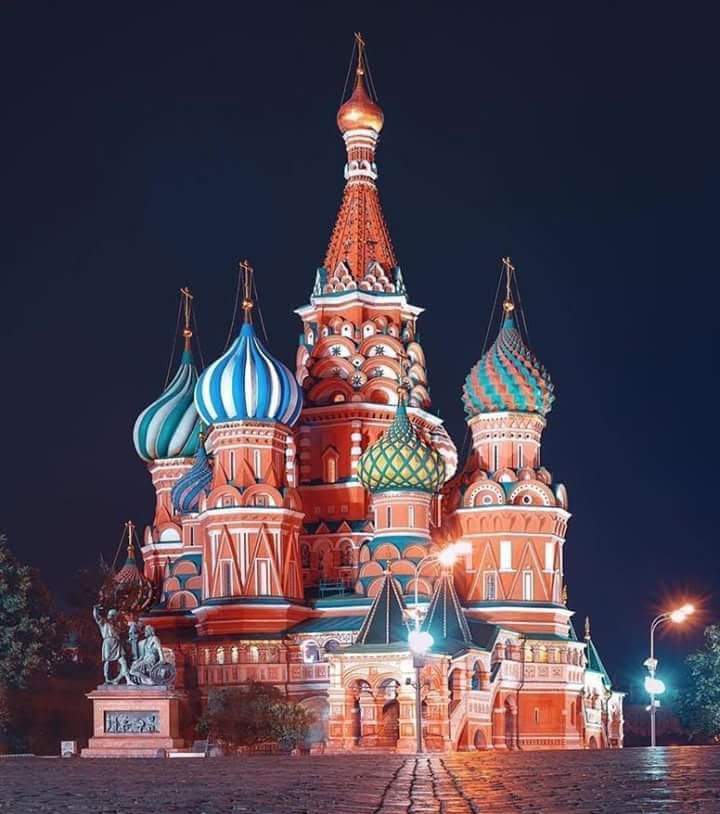
St. Basil’s Cathedral, located in Moscow’s Red Square, is one of Russia’s most iconic landmarks. Built between 1555 and 1561 under Ivan the Terrible, it marks the conquest of Kazan and Astrakhan. Its onion domes and intricate design blend Russian, Italian, and Byzantine architectural styles.
The cathedral’s unique structure, with nine chapels on one foundation, symbolizes the unity of diverse cultural influences.
Recognized worldwide, St. Basil’s Cathedral is a UNESCO World Heritage Site and a must-visit for those exploring Russia’s rich architectural heritage.
2. Bolshoi Theatre
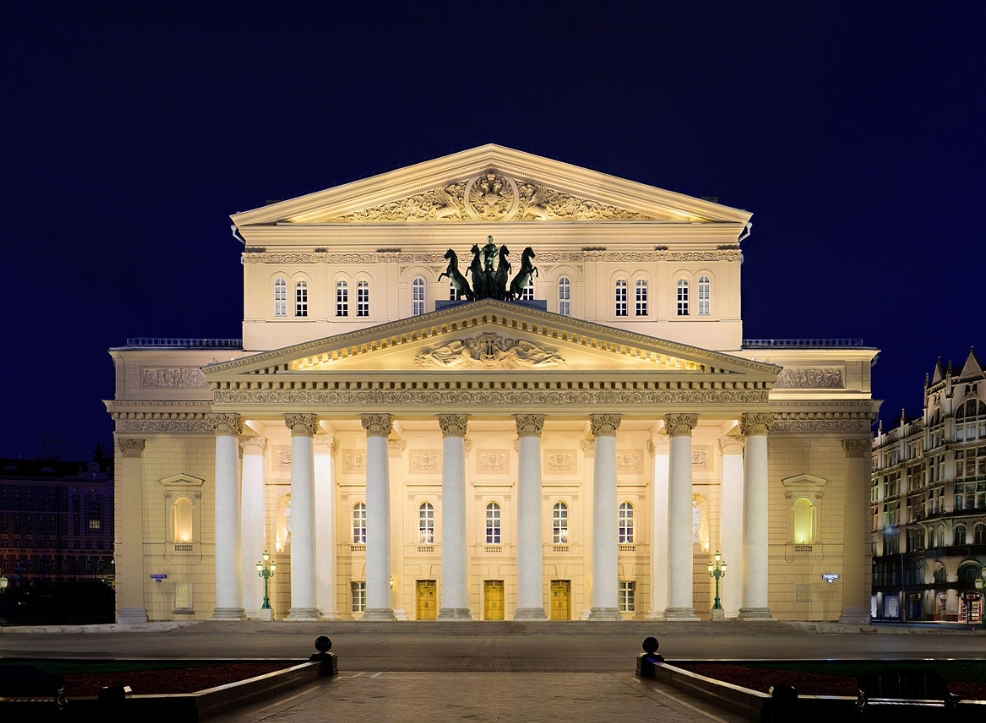
The Bolshoi Theatre, founded in 1776 and opened in 1825, stands as a symbol of Russian cultural excellence in ballet and opera.
Its neoclassical facade, designed by Joseph Bové, features grand Corinthian columns and the iconic Apollo quadriga, showcasing Russia’s architectural grandeur.
The theatre has endured fires and reconstructions, with major renovations preserving its historic elegance while modernizing its functionality.
Inside, the Bolshoi boasts legendary acoustics, luxurious crimson and gold seating, and stunning chandeliers, making it a crown jewel of Moscow’s performing arts scene and a must-visit landmark.
3. Cathedral of Christ the Saviour
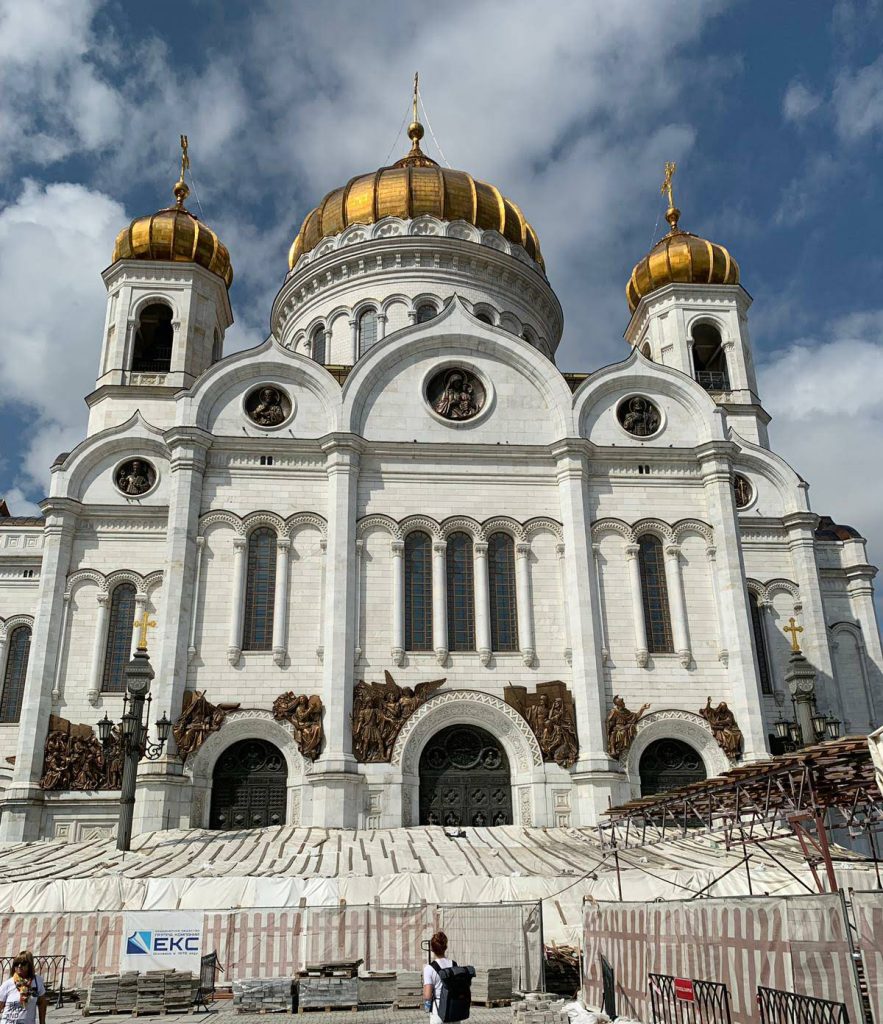
The Cathedral of Christ the Saviour in Moscow stands as Russia’s largest Orthodox church. Its towering central dome and ornate facade reflect the nation’s deep religious heritage and cultural identity.
Originally completed in the 19th century, the cathedral was demolished during Soviet rule and rebuilt in the 1990s, symbolizing Russia’s spiritual revival.
Today, it attracts worshippers and tourists alike, showcasing magnificent Russian Revival architecture. Serving as a powerful symbol of faith and historical resilience, the cathedral remains a key landmark in Moscow’s skyline.
4. Kremlin
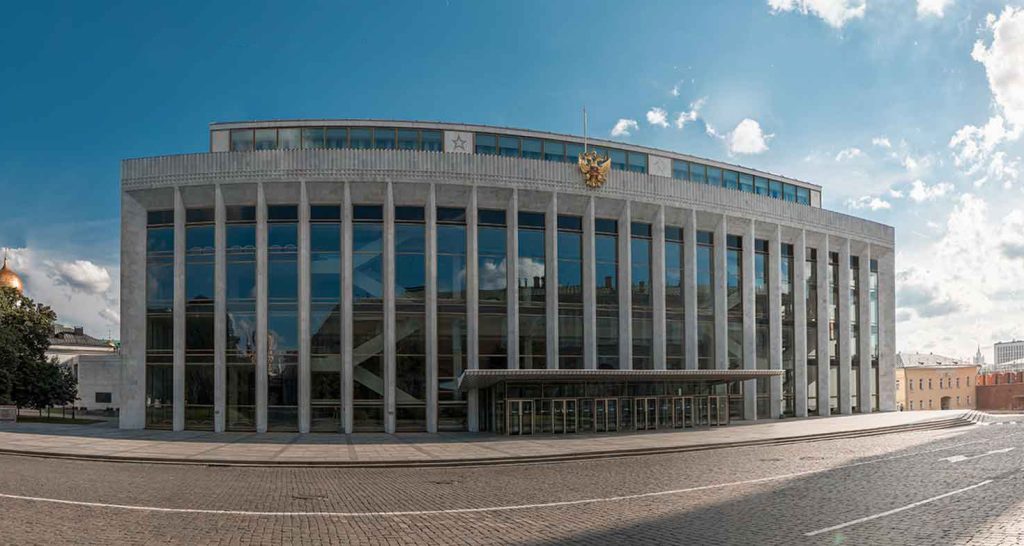
The Kremlin stands as the historic heart of Moscow and Russian power. Built in the late 15th century, it features a blend of Russian, Italian, and Byzantine architecture.
Key structures include the Grand Kremlin Palace, Assumption Cathedral, Ivan the Great Bell Tower, and the Spasskaya Tower with its iconic clock. As a UNESCO World Heritage Site, it houses important artifacts like the Tsar Bell and Tsar Cannon.
The Kremlin remains the political center of Russia and a top tourist destination, showcasing centuries of cultural and political history.
5. Ostankino Tower
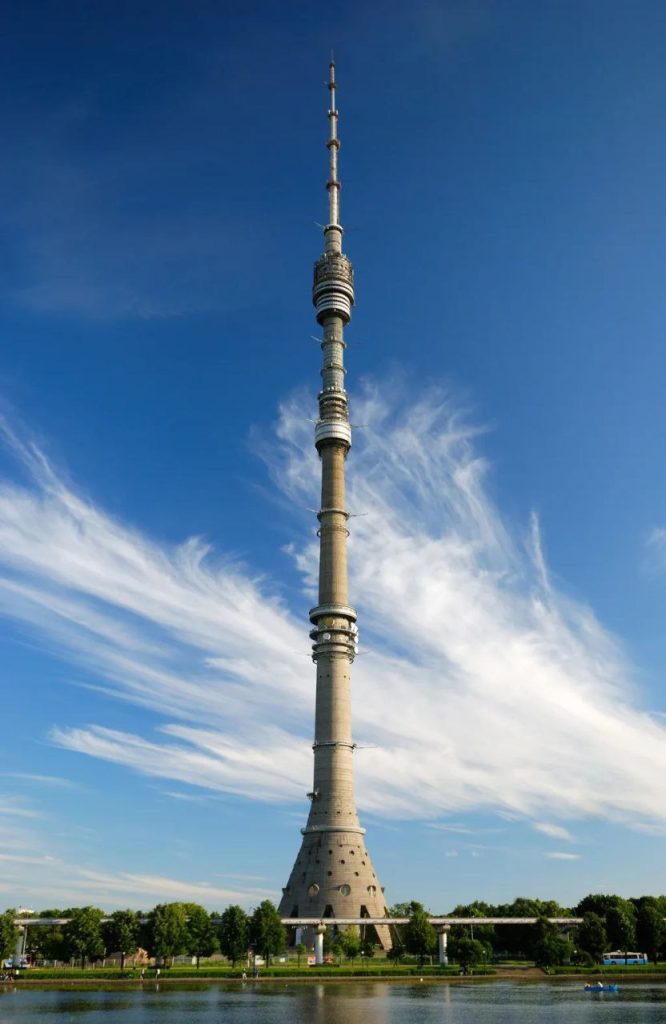
Ostankino Tower stands as Moscow’s iconic television and radio broadcasting structure. Completed in 1967 by architects Nikolai Nikitin, Pyotr Gorchakov, and Yuri Kondratyuk, it rises 540.1 meters, making it Europe’s tallest freestanding structure and the 12th tallest worldwide as of 2022.
Designed to commemorate the 50th anniversary of the October Revolution, its unique helix-shaped twin towers reach 246 and 255 meters, connected by sky bridges.
Ostankino Tower symbolizes Moscow’s technological progress and remains crucial for media transmission across Russia.
6. Winter Palace
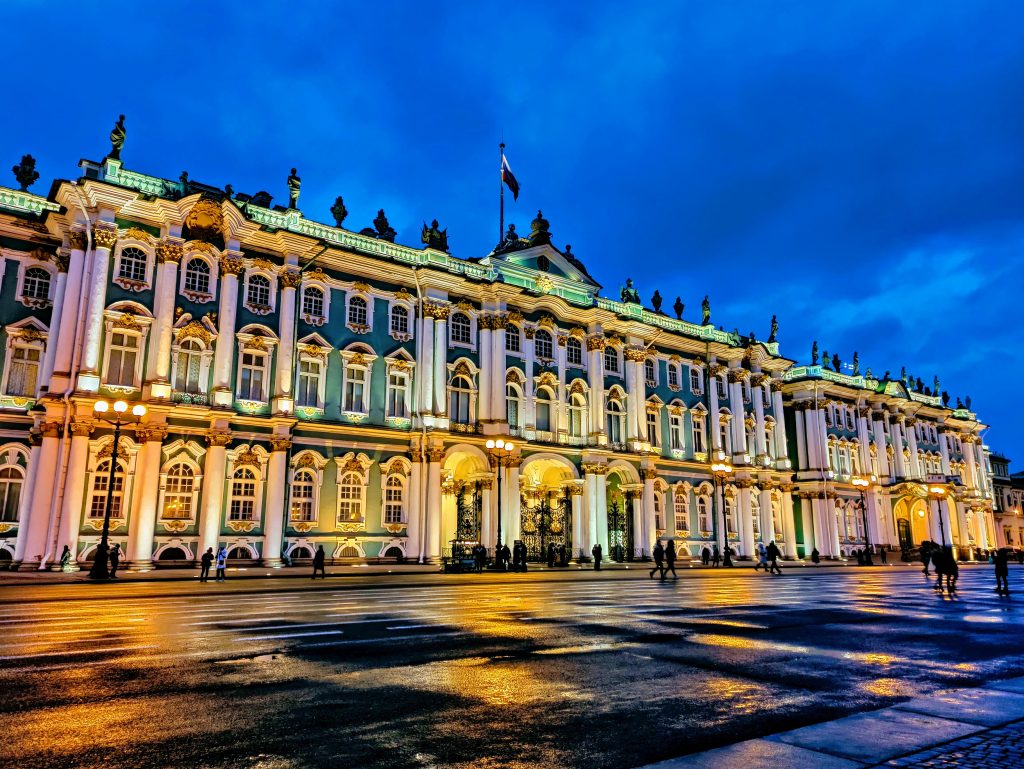
The Winter Palace in Saint Petersburg served as the official residence of Russian emperors from 1732 to 1917. This grand Baroque structure reflects Imperial Russia’s wealth and power through its immense size and opulent design.
Today, it houses the renowned Hermitage Museum, one of the world’s largest art museums. Visitors can explore lavish interiors, vast art collections, and historically significant rooms that tell stories of the Russian monarchy’s cultural and political influence.
The palace remains a stunning symbol of Russia’s imperial legacy and architectural grandeur.
7. Catherine Palace
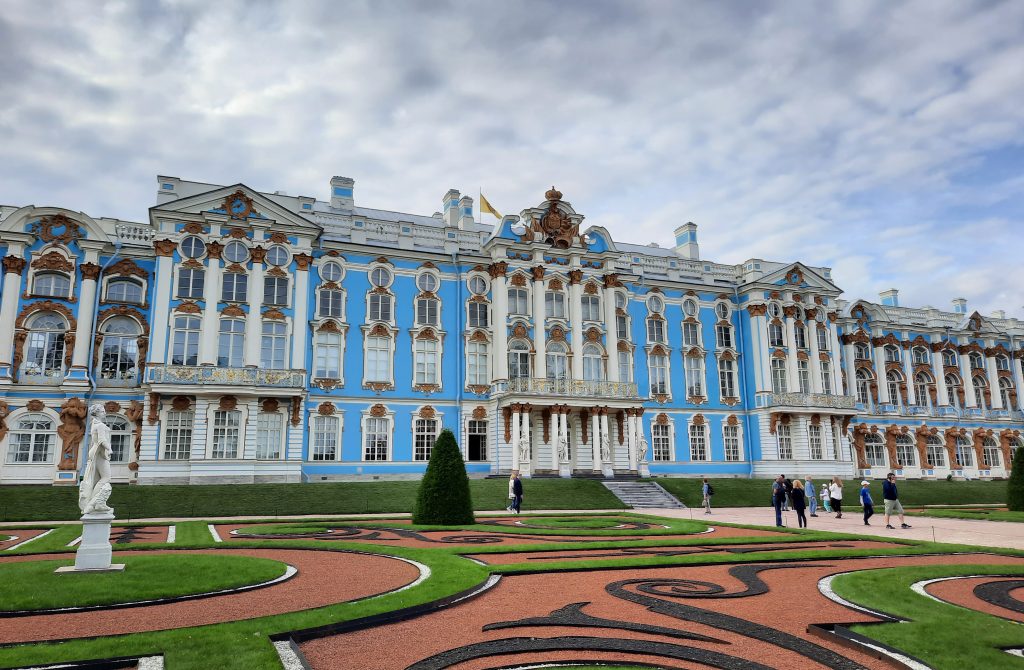
The Catherine Palace in Tsarskoye Selo near Saint Petersburg showcases exquisite Rococo architecture with its iconic blue and white facade adorned in gold.
Built in 1717 for Empress Catherine I and expanded by later rulers, it served as the summer residence of Russian tsars.
The palace is famed for the Amber Room, a reconstructed masterpiece of amber panels and gold leaf. Lavish interiors, gilded moldings, and expansive gardens enhance its imperial grandeur.
Visitors admire its historical significance and ornate style reflecting Russian aristocratic opulence during the 18th century.
8. Hermitage Museum
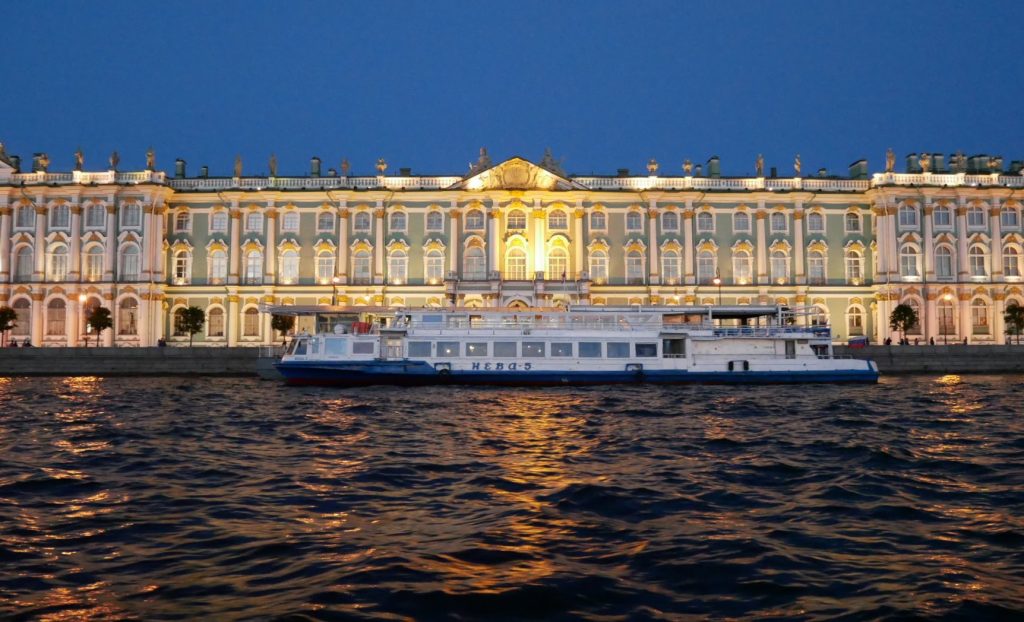
The Hermitage Museum, housed within the Winter Palace in Saint Petersburg, ranks among the world’s largest and most prestigious art museums.
It showcases over 3 million items, including masterpieces from Leonardo da Vinci, Rembrandt, and Michelangelo. Founded in 1764 by Catherine the Great, the museum highlights Russia’s cultural wealth and imperial history.
Visitors explore grand halls adorned with Baroque architecture and extensive collections of paintings, sculptures, and artifacts. The Hermitage remains a global symbol of artistic brilliance and Russia’s dedication to preserving cultural heritage.
9. Peterhof Palace
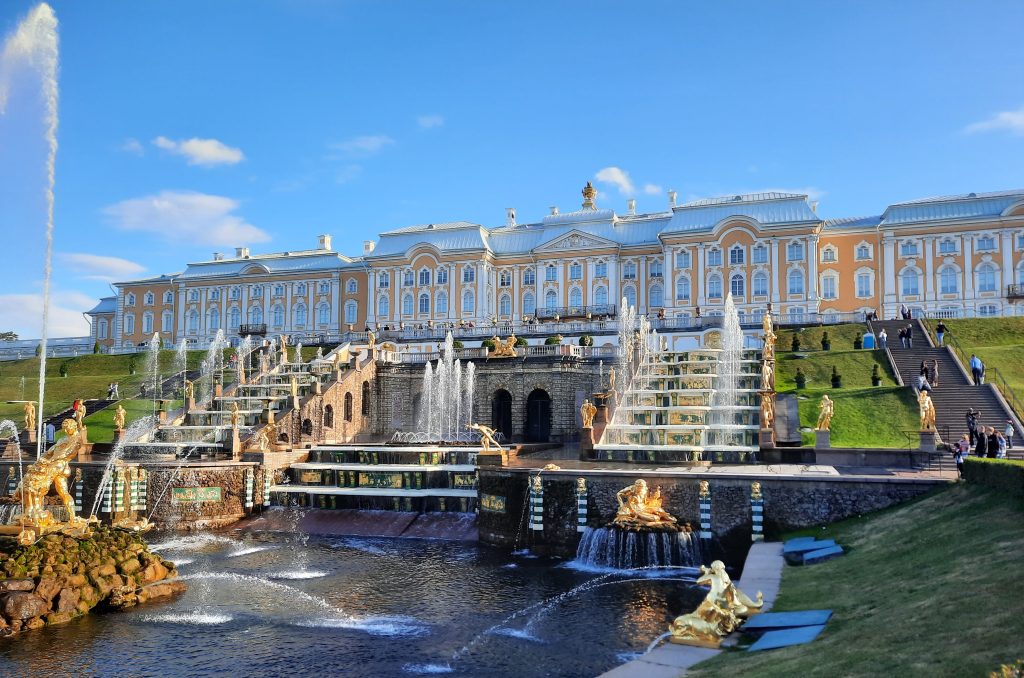
Peterhof Palace in Saint Petersburg stands as a masterpiece of Russian Baroque architecture. Built by Peter the Great in the early 18th century, it served as an imperial summer residence.
The palace is famed for its grandiose fountains and meticulously designed gardens, often called the “Russian Versailles.” Visitors marvel at the elaborate Grand Cascade, decorated with golden statues and intricate waterworks.
The palace’s lavish interiors showcase rich decorations and historical artifacts that reflect Russia’s imperial splendor, making Peterhof a must-see landmark symbolizing royal elegance and innovative architectural design.
10. Grand Kremlin Palace
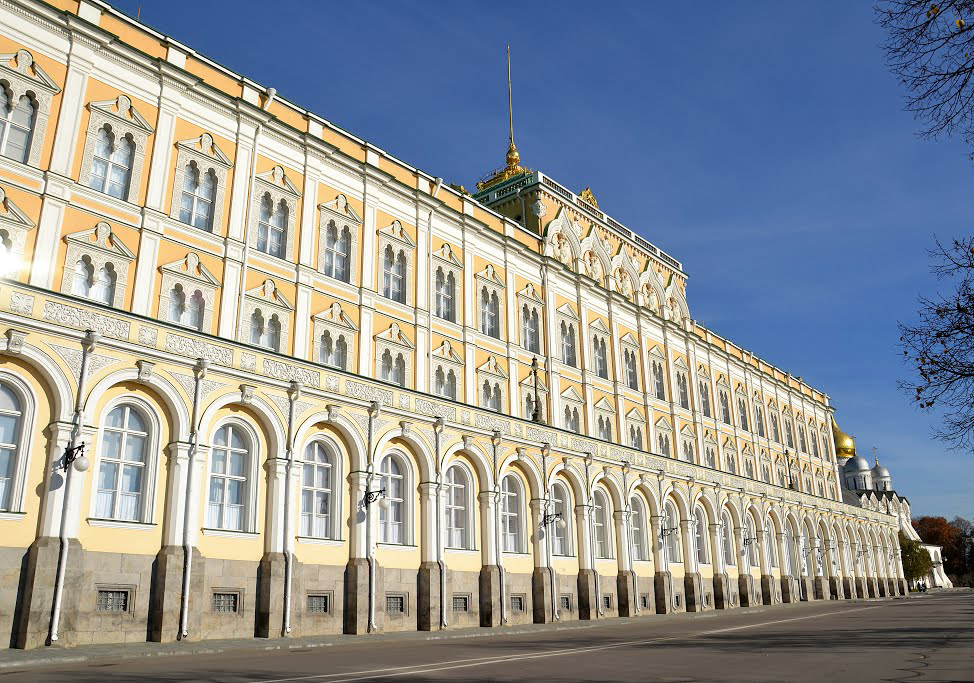
The Grand Kremlin Palace, within Moscow’s Kremlin complex, stands as a stunning example of Russian imperial architecture. Built between 1837 and 1849, it served as the residence of Russian tsars.
The palace features a striking blend of Russian, Byzantine, and Renaissance styles with grand halls like the St. George’s Hall, used for state ceremonies.
Today, it functions as the official residence of the Russian president and a prestigious venue for diplomatic events.
Its rich history and exquisite design make the Grand Kremlin Palace a must-see landmark symbolizing Russia’s political power and cultural heritage.
Alicia Richards