Japan’s temples are more than just architectural marvels—they’re gateways to the country’s rich history and spiritual heritage. From ancient wooden structures to serene gardens, these sacred sites offer a glimpse into Japan’s cultural soul.
Travelers and history enthusiasts alike are drawn to these temples for their beauty and significance.
Whether seeking tranquility or inspiration, visitors find these temples unforgettable destinations.
1. Kiyomizu-dera

Kiyomizu-dera, located in Kyoto, stands as one of Japan’s most iconic temples. Built in 778, it’s renowned for its wooden stage that juts out from the main hall, offering breathtaking views of cherry blossoms and maple trees.
Visitors admire its unique construction without using nails, showcasing traditional Japanese engineering. The temple honors Kannon, the goddess of mercy, drawing pilgrims seeking blessings.
Its Otowa Waterfall streams with waters believed to grant health, longevity, and wisdom. As a UNESCO World Heritage site, Kiyomizu-dera masterfully blends history, spirituality, and nature, making it a must-see destination.
2. Kinkaku-ji
Kinkaku-ji, also known as the Golden Pavilion, dazzles visitors with its top two floors covered in gold leaf. Located in Kyoto, this Zen Buddhist temple dates back to 1397 and was originally a retirement villa.
Surrounded by a reflective pond and beautifully landscaped gardens, the temple symbolizes harmony between architecture and nature.
Tourists admire its stunning shimmer in sunlight and serene atmosphere, making Kinkaku-ji one of Japan’s most photographed and visited sacred sites. Its historical significance and aesthetic appeal capture Japan’s spiritual elegance perfectly.
3. Sensō-ji
Located in Tokyo’s Asakusa district, Sensō-ji is Japan’s oldest temple, founded in 645 AD. Attracting millions annually, it honors Kannon, the goddess of mercy.
Visitors enter through the iconic Kaminarimon Gate, featuring a massive red lantern. Nakamise Street, lined with over 80 traditional shops, leads to the main hall and the five-story pagoda.
Sensō-ji blends spiritual devotion with cultural festivals, such as the Sanja Matsuri, making it a must-visit for travelers seeking history and atmosphere.
4. Tōdai-ji
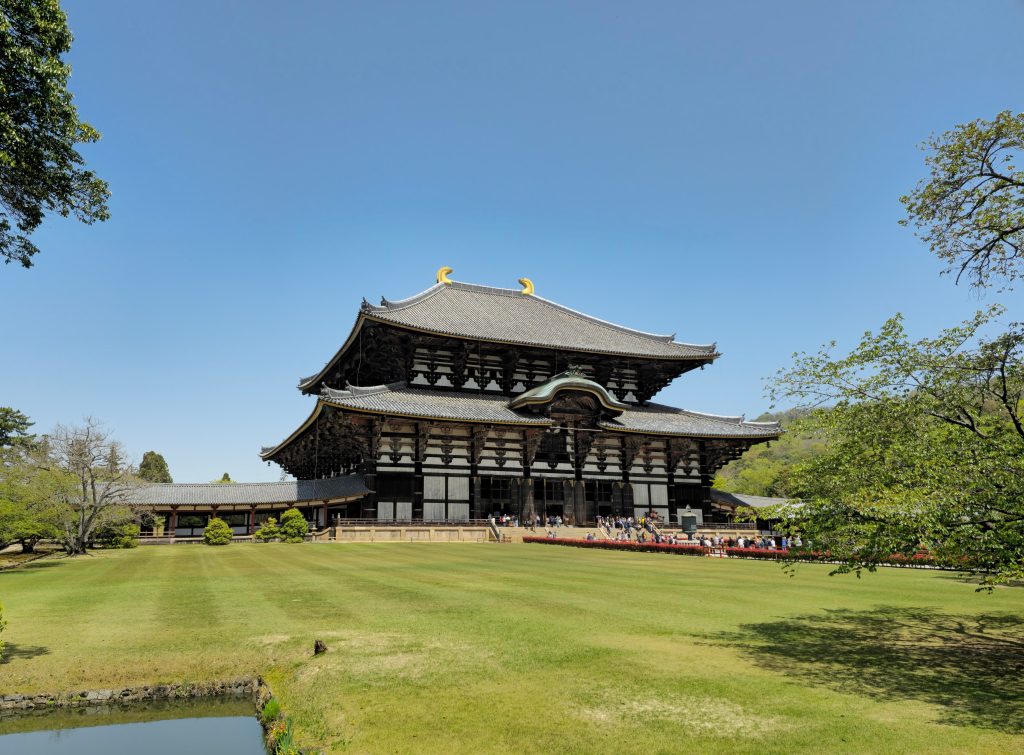
Tōdai-ji in Nara houses the world’s largest bronze Buddha statue, Daibutsu, standing at 15 meters tall. Founded in 752, this temple played a crucial role in spreading Buddhism across Japan.
Visitors admire its massive wooden Great Buddha Hall, one of the largest timber structures globally.
Surrounded by Nara Park, Tōdai-ji offers a unique mix of spiritual grandeur and natural beauty. Pilgrims and tourists alike visit to experience its impressive scale, historic significance, and tranquil atmosphere.
5. Ryōan-ji
Ryōan-ji, located in Kyoto, is world-famous for its Zen rock garden, a masterpiece of minimalist design. Built in the late 15th century, the garden features 15 carefully placed stones on white gravel, symbolizing simplicity and meditation.
Visitors often spend time contemplating the arrangement, which encourages introspection and calm. The temple itself, part of a larger historic complex, offers serene walking paths and a beautiful koi pond.
As a UNESCO World Heritage Site, Ryōan-ji perfectly captures Zen Buddhism’s spiritual and aesthetic essence.
6. Hōryū-ji
Founded around 607 AD in Nara Prefecture, Hōryū-ji stands as one of the oldest wooden buildings in the world. It showcases early Japanese Buddhist architecture with its five-story pagoda and golden hall (kondō).
Visitors admire exquisite murals and statues inside, representing Prince Shōtoku’s legacy, a key figure in introducing Buddhism to Japan.
Recognized as a UNESCO World Heritage Site, Hōryū-ji draws scholars and travelers intrigued by its historical value and spiritual depth, making it a cornerstone of Japan’s temple heritage.
7. Hase-dera
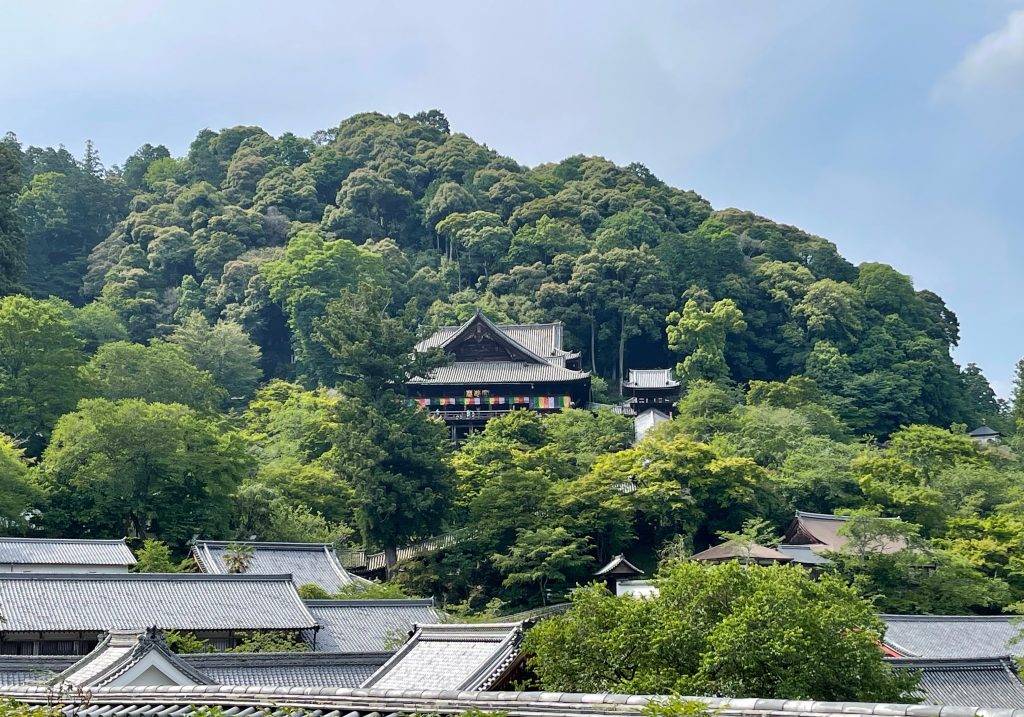
Hase-dera, located in Kamakura, captivates visitors with its stunning hillside setting and seasonal beauty.
Famous for its massive wooden statue of Kannon, the goddess of mercy, it stands over 9 meters tall and attracts countless pilgrims.
The temple’s sprawling grounds feature hydrangea gardens, especially spectacular in June. Visitors climb a steep path with stone steps lined by lanterns, leading to panoramic views of the coastline and city below.
Hase-dera blends spiritual significance with natural charm, making it a top destination among Japan’s revered temples.
8. Tenryu-ji
Located in Kyoto’s Arashiyama district, Tenryu-ji is a renowned Zen Buddhist temple founded in 1339. It’s famous for its stunning Sogen Pond garden, a masterpiece of landscape design that harmonizes with surrounding mountains.
Visitors admire the temple’s serene atmosphere and traditional architecture, which survived several reconstructions.
As a UNESCO World Heritage site, Tenryu-ji reflects the deep connection between Zen philosophy and nature, making it a must-visit destination for those exploring Japan’s spiritual heritage.
9. Tō-ji
Tō-ji in Kyoto stands out with its iconic five-story pagoda, Japan’s tallest wooden tower at 55 meters. Founded in 796, this Shingon Buddhist temple honors Kobo Daishi, the sect’s founder.
Visitors explore its extensive grounds, featuring beautiful gardens and cultural treasures like ancient statues. Tō-ji hosts a popular flea market on the 21st of each month, attracting locals and tourists alike.
The temple’s blend of history, architecture, and traditions makes it a key highlight in Japan’s spiritual landscape.
10. Ginkaku-ji

Ginkaku-ji, also known as the Silver Pavilion, was built in 1482 in Kyoto as a retirement villa. It embodies refined simplicity and wabi-sabi aesthetics, reflecting Zen Buddhist principles.
Visitors explore its elegant wooden structures, tranquil moss gardens, and the famous sand garden shaped like a wave. Unlike Kinkaku-ji’s gold leaf, Ginkaku-ji’s beauty lies in subtlety and natural elements.
This temple remains a key example of Muromachi period architecture and garden design, attracting those seeking peace and inspiration through understated elegance.
Alicia Richards