Temples have stood as powerful symbols of faith culture and history across the globe for centuries.
These sacred sites are more than just places of worship; they embody the artistic and architectural brilliance of ancient civilizations while offering a glimpse into spiritual traditions that continue to inspire millions.
From the sprawling grandeur of Angkor Wat in Cambodia to the striking White Temple in Thailand these iconic temples attract millions of visitors each year.
They serve as living monuments that connect us to the past and invite reflection and awe.
1. Brihadisvara Temple
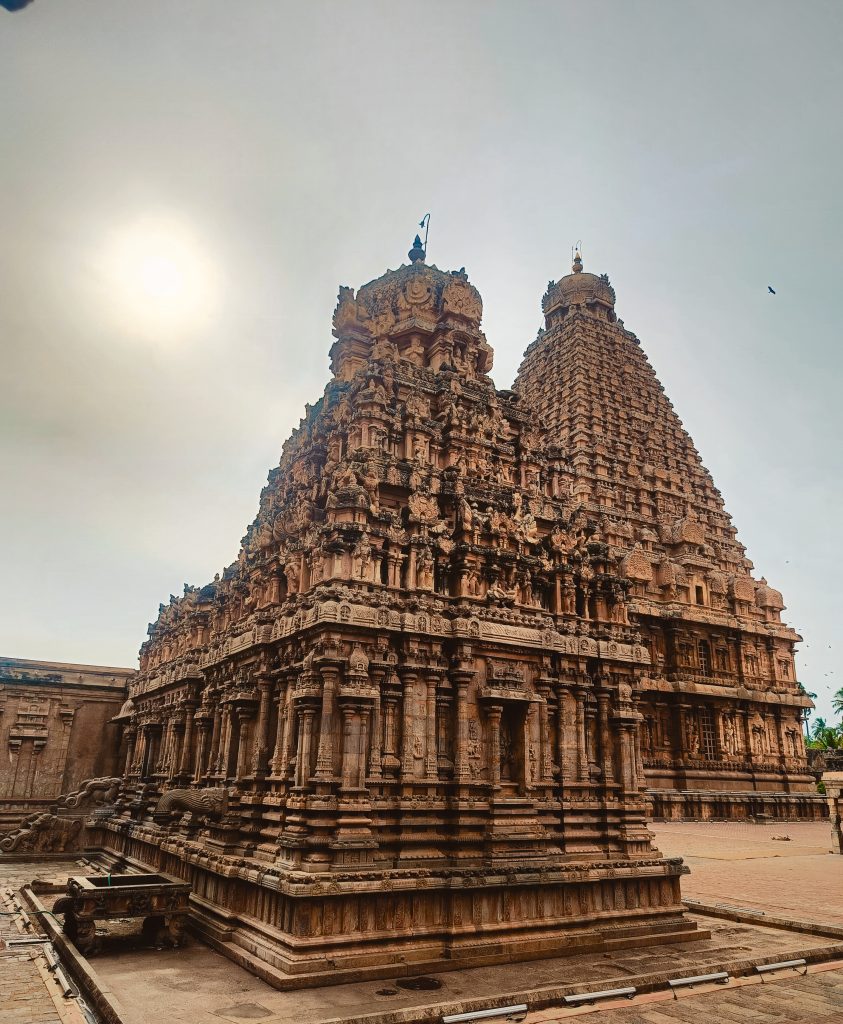
Built in the 11th century, Brihadisvara Temple in Tamil Nadu, India, stands as a monumental example of Dravidian architecture.
It features a towering 66-meter vimana (temple tower), one of the tallest of its kind, constructed entirely from granite.
This UNESCO World Heritage site was commissioned by Raja Raja Chola I and showcases intricate frescoes and sculptures depicting Hindu mythology.
Its massive scale and artistic finesse attract historians and pilgrims alike, making it a must-visit for those seeking to understand India’s architectural heritage and religious devotion.
2. Ramanathaswamy Temple
Located in Rameswaram, Tamil Nadu, Ramanathaswamy Temple is one of the most revered Hindu temples dedicated to Lord Shiva.
Famous for its remarkable 1,200-pillared corridor, the temple spans over 156 acres, making it one of the largest temple complexes in India.
Its Dravidian architecture showcases intricate carvings and expansive mandapas that reflect centuries of religious devotion and cultural heritage.
Pilgrims visit to perform sacred rituals, believing the temple’s waters have healing powers, reinforcing its status as a vital spiritual and historical landmark.
3. Padmanabhaswamy Temple
Located in Thiruvananthapuram, India, Padmanabhaswamy Temple is renowned for its stunning Dravidian architecture and intricate stone carvings. Dedicated to Lord Vishnu, it features a massive 16th-century gopuram and a serene reclining Vishnu idol.
The temple gained worldwide attention after the discovery of vast treasures in its underground vaults, valued at billions of dollars.
Pilgrims and tourists alike visit to admire its spiritual significance and architectural grandeur, making it one of India’s most famous and historically rich temples.
4. Somnath Temple
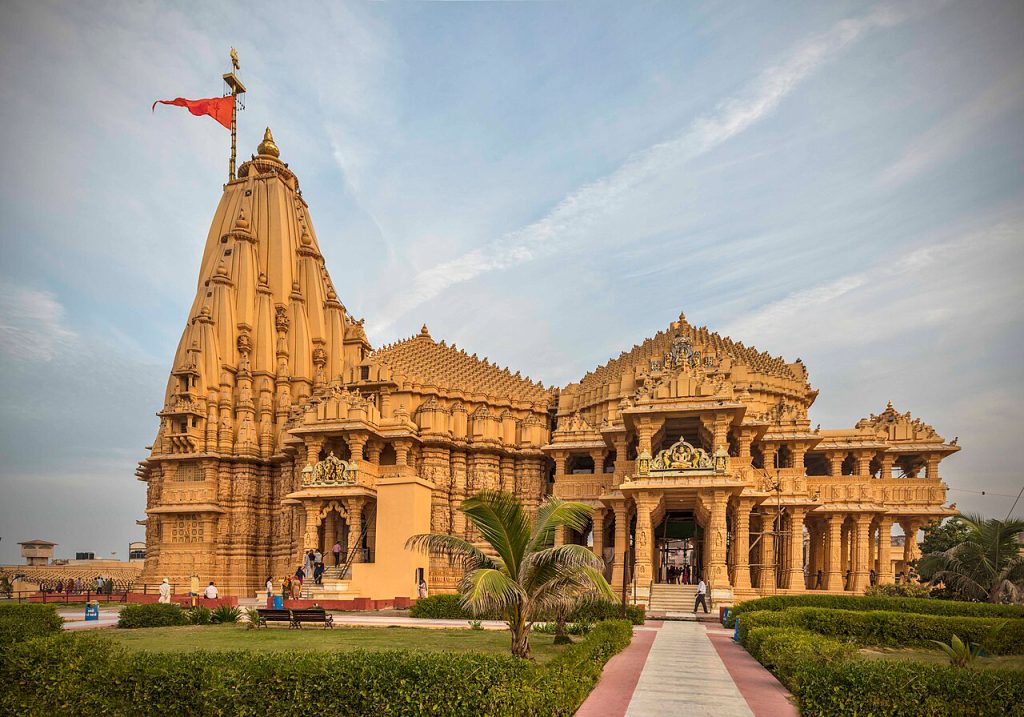
Located in Gujarat, India, Somnath Temple stands as a symbol of resilience and spiritual devotion.
Known as the first of the twelve Jyotirlinga shrines of Lord Shiva, it has been rebuilt several times after repeated destruction.
The temple’s impressive Chalukya style architecture features intricate carvings and a grand tower rising about 50 meters high.
It draws millions of pilgrims annually who seek blessings and admire the temple’s rich history tied to ancient legends and Indian heritage.
5. Yamunotri Temple
Yamunotri Temple, nestled in Uttarakhand, India, marks the source of the sacred Yamuna River. Dedicated to Goddess Yamuna, it embodies spiritual purity and Hindu mythology.
Pilgrims trek through snowy paths and lush forests to reach the temple, experiencing both physical challenge and divine serenity.
The temple’s hot springs are believed to possess healing powers, attracting devotees seeking purification.
Its remote Himalayan location adds to its mystical appeal, making Yamunotri a revered site for devotees aiming to connect with nature and spirituality.
6. Jagannath Temple, Puri
Jagannath Temple in Puri, Odisha, stands as one of the largest and richest Hindu temples worldwide.
Built over 800 years ago by King Chodaganga Deva of the Ganga Dynasty, it covers 37000 m² within fortified walls.
Dedicated to Lord Jagannath, a form of Vishnu, this sacred site is among the Char Dham pilgrimage destinations.
The temple’s stunning architecture features intricate carvings and grand scale, attracting millions of devotees annually. Its spiritual significance and historical legacy make it a must-visit for pilgrims and architecture enthusiasts alike.
7. Kailasanathar Temple
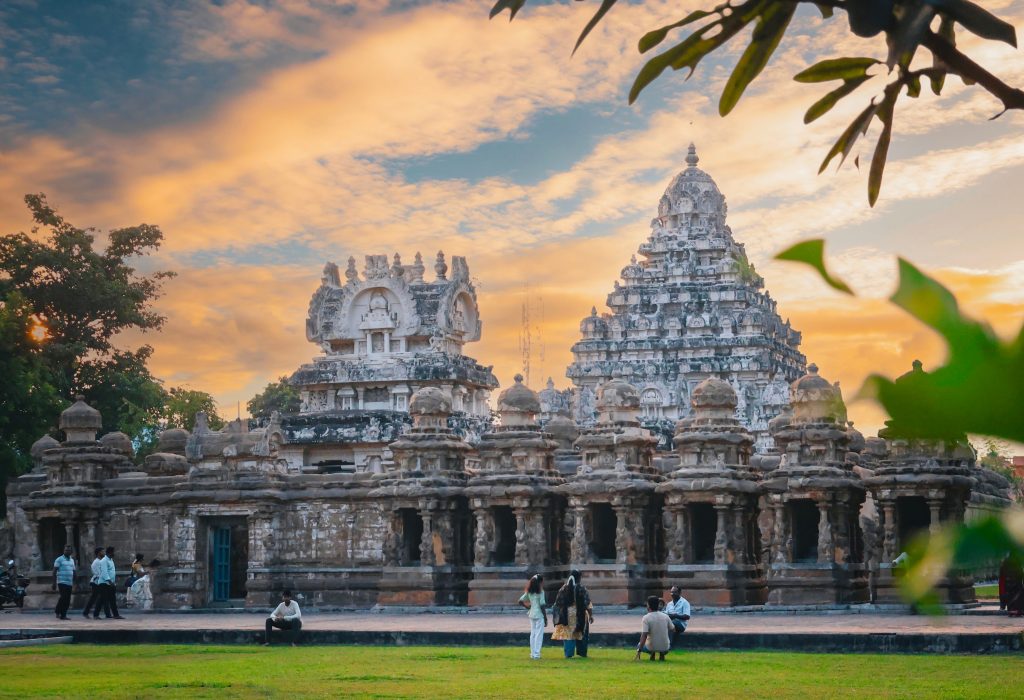
Located in Kanchipuram, India, Kailasanathar Temple is a masterpiece of early Dravidian architecture dating back to the 8th century.
Dedicated to Lord Shiva, it features extensive sandstone carvings with detailed depictions of Hindu mythology.
Known for its harmonious proportions and pioneering use of structural techniques, the temple sets a precedent for later South Indian temples.
Visitors admire its series of small shrines surrounding the central sanctum, creating a spiritual labyrinth that exemplifies devotion and architectural innovation. This site remains a sacred pilgrimage and a cultural treasure.
8. Lingaraja Temple
Lingaraja Temple, located in Bhubaneswar, India, stands as a stunning example of Kalinga architecture. Built in the 11th century, it is dedicated to Lord Shiva and features a towering 55-meter spire.
The temple complex includes intricately carved stone walls, a huge courtyard, and several smaller shrines.
It draws thousands of devotees during festivals like Maha Shivratri. The temple’s balance of architectural grandeur and spiritual significance makes it a must-visit landmark for pilgrims and history enthusiasts alike.
9. Kamakhya Temple
Nestled in Guwahati, India, Kamakhya Temple is a prominent Hindu pilgrimage site dedicated to Goddess Kamakhya, a form of Shakti.
Known for its Tantric rituals, the temple draws thousands of devotees annually, especially during the Ambubachi Mela festival celebrating fertility and feminine power.
Its unique architecture features a beehive-shaped dome with intricate sculptures. The sacred temple sits on Nilachal Hill, overlooking the Brahmaputra River.
Revered for its spiritual strength, Kamakhya Temple represents divine feminine energy and remains a vital cultural and religious landmark in Northeast India.
10. Laxminarayan Temple
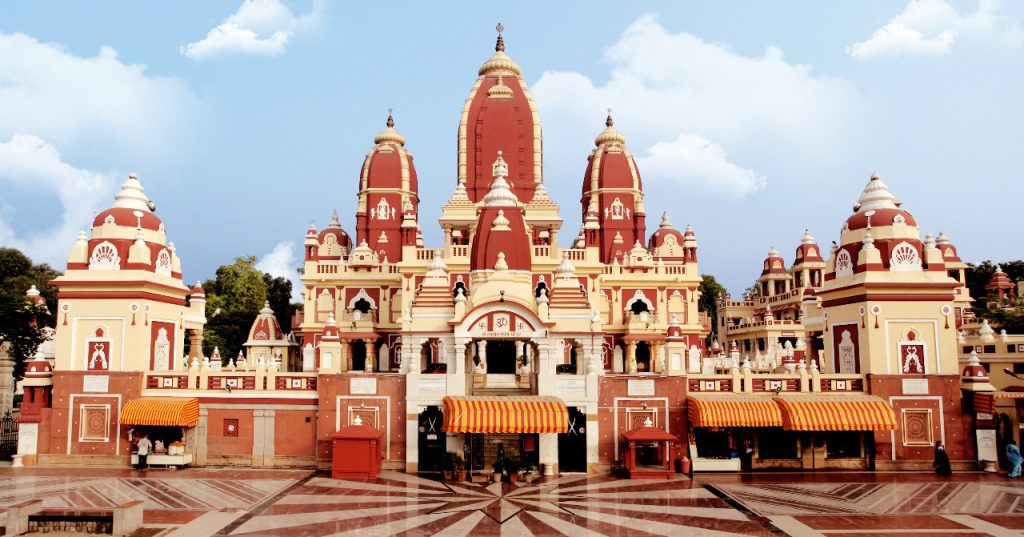
Situated in New Delhi, Laxminarayan Temple, also known as Birla Mandir, honors Goddess Lakshmi and Lord Vishnu.
Constructed between 1933 and 1939 by Jugal Kishore Birla, it claims the title of one of India’s largest temples.
Spanning 3 hectares (7.5 acres), it features multiple shrines, fountains, and a garden. The temple’s sculptures depict Hindu mythology with nationalistic themes.
Visitors flock here during Janmashtami and Diwali for celebrations and spiritual discourses held at the Geeta Bhawan housed within the complex.
Alicia Richards