Towers have long captured human imagination as symbols of architectural innovation and cultural identity.
From the romantic silhouette of the Eiffel Tower to the towering heights of the Burj Khalifa, these structures define city skylines and draw millions of visitors every year. Each tower tells a unique story, reflecting the history, technology, and artistry of its time.
Exploring the world’s most famous towers offers a glimpse into diverse engineering marvels and cultural landmarks.
Whether it’s the historic charm of Big Ben or the striking lean of Pisa’s bell tower, these iconic structures continue to inspire awe and curiosity.
1. Eiffel Tower
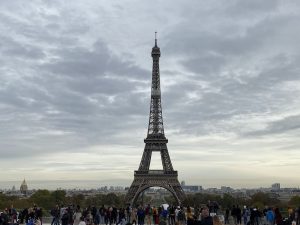
Located in Paris, France, the Eiffel Tower stands at about 1,000 feet tall and was completed in 1889 by Gustave Eiffel.
Originally built as the entrance for the 1889 Paris International Exhibition, it remained the tallest structure globally until 1930.
Known for its iron lattice design, the tower draws nearly 7 million visitors annually, making it one of the most visited paid monuments worldwide.
Its blend of historical significance, engineering innovation, and romantic appeal continues to captivate tourists from around the globe.
2. Leaning Tower of Pisa
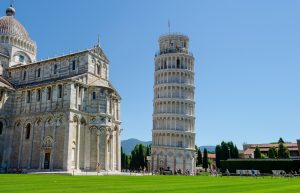
The Leaning Tower of Pisa, Italy’s iconic medieval bell tower, stands out for its distinct tilt caused by unstable foundations.
Built over 177 years, this 60-meter tall marble tower features 8 floors and 294 spiral stairs inside, with several arches on each level adding to its Romanesque charm.
Despite the lean, it remains a popular attraction, drawing around 5 million visitors annually. Preservation efforts keep the tower’s unique tilt intact, allowing tourists to capture memorable photos and explore this remarkable symbol of medieval Italian architecture.
3. CN Tower
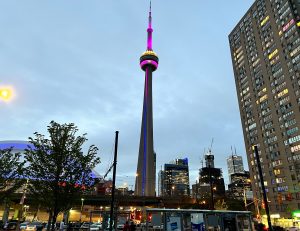
Standing 553.3 meters tall in Toronto, Canada, the CN Tower held the title of the world’s tallest freestanding structure from 1975 to 2007.
Built by WZMH Architects over 40 months, its sturdy foundation required excavating more than 56 tons of earth.
Known for its sleek design, the tower initially solved telecommunications challenges but now offers observation decks, a revolving restaurant, and an aquarium.
Visitors face 296 stairs to reach the top floors, but nearly 15 million tourists visit annually, drawn by unmatched city views and entertainment. The CN Tower remains a global symbol of Canadian innovation and urban sophistication.
4. Space Needle

The Space Needle in Seattle, Washington, stands 184 meters (605 feet) tall and was completed in 1962 for the Century 21 Exposition World’s Fair. Designed by John Graham Jr. and Edward E. Carlson, it reflects a space exploration theme.
Visitors reach the observation deck at 160 meters (520 feet) via high-speed elevators in just 41 seconds.
The tower features the world’s first and only spinning glass floor, called the Loupe, along with floor-to-ceiling glass walls for panoramic views of Elliott Bay, Mount Rainier, and the surrounding mountain ranges.
Renovated in 2018, it combines historic charm with modern upgrades, attracting about 2 million visitors annually.
5. Big Ben

Big Ben, the famous clock tower in Westminster, London, is a global icon nearing 150 years old. It houses the 13-ton bell named after Sir Benjamin Hall, who oversaw its installation.
Rising 316 feet, it features one of the largest and most accurate four-sided clocks worldwide.
Visitors admire its Gothic Revival architecture illuminated at night, making it visible across the city.
While only UK residents can tour inside, everyone enjoys exploring the area, taking photos, and learning about its history and cultural significance.
6. Sky Tower
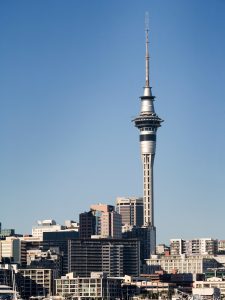
Standing at 328 meters (1,076 feet), Auckland’s Sky Tower is New Zealand’s tallest structure and a key landmark.
Built in 1997, it offers three observation levels with panoramic views of the city, harbor, and surrounding volcanic cones.
Visitors can enjoy activities like SkyJump, a 192-meter controlled base jump, and climb the external pergola with expert guides.
The tower also houses restaurants and a revolving café, combining thrilling experiences with dining and sightseeing. Drawing over one million visitors annually, the Sky Tower blends modern design with adventure tourism.
7. Tashkent Tower
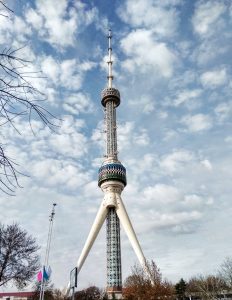
Tashkent Tower, standing 375 meters tall, is the tallest structure in Central Asia and ranked 11th worldwide among towers. Construction began in 1978 and lasted six years, completing in 1984.
Designed primarily for TV and radio broadcasting, it also supports hydrometeorological research. Between 1985 and 1991, it held the title of the world’s third tallest tower.
Its unique design and multifunctional use make Tashkent Tower a symbol of technological advancement and regional pride.
8. Blackpool Tower
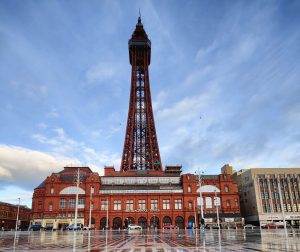
Blackpool Tower stands 518 feet (158 meters) tall and was built in 1894 along England’s coast. Its base is hidden by a circus and aquarium, making the tower appear as if it rises dramatically from the ground.
Inspired by the Eiffel Tower, this Victorian landmark features a distinctive iron framework and offers panoramic views of Blackpool and the Irish Sea.
Visitors enjoy its historic architecture, entertainment venues, and the stunning illumination that lights up the tower at night, attracting millions annually.
9. Amazon Tall Tower Observatory
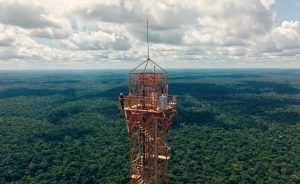
Standing 325 meters tall, the Amazon Tall Tower Observatory (ATTO) is one of the world’s tallest scientific towers. Located deep in the Amazon rainforest, it offers unique views and critical atmospheric data.
Researchers use ATTO to study climate change, forest ecosystems, and air quality. Its remote location and innovative design distinguish it from traditional urban towers, highlighting scientific achievement intertwined with nature’s vast landscape.
Visitors and scientists alike marvel at this engineering feat bridging environmental research and towering observation.
10. Kyiv TV Tower

Standing at 540 meters, the Kyiv TV Tower is the tallest structure in Ukraine and ranks among the tallest steel towers globally.
Owned by the Ukrainian Broadcasting Network, it was completed in 1973 and engineered to last 300 years.
This lattice tower plays a crucial role in television and radio broadcasting across the region. Though not open to tourists, it remains an iconic symbol of Kyiv’s technological progress and architectural resilience.
Its impressive height offers unrivaled transmission capabilities, making it vital for communication throughout Ukraine.
Alicia Richards