Truss bridges have stood as engineering marvels since the early 19th century, admired for their unique triangular framework that efficiently distributes loads.
Their design not only provides exceptional strength but also adds a distinctive aesthetic that has made many truss bridges iconic landmarks around the world. From bustling cities to quiet towns, these structures have become symbols of innovation and resilience.
Throughout history, truss bridges have played a crucial role in supporting heavy loads and connecting communities.
Many of the most famous examples showcase groundbreaking engineering techniques and have rich stories behind their construction.
1. Ikitsuki Bridge
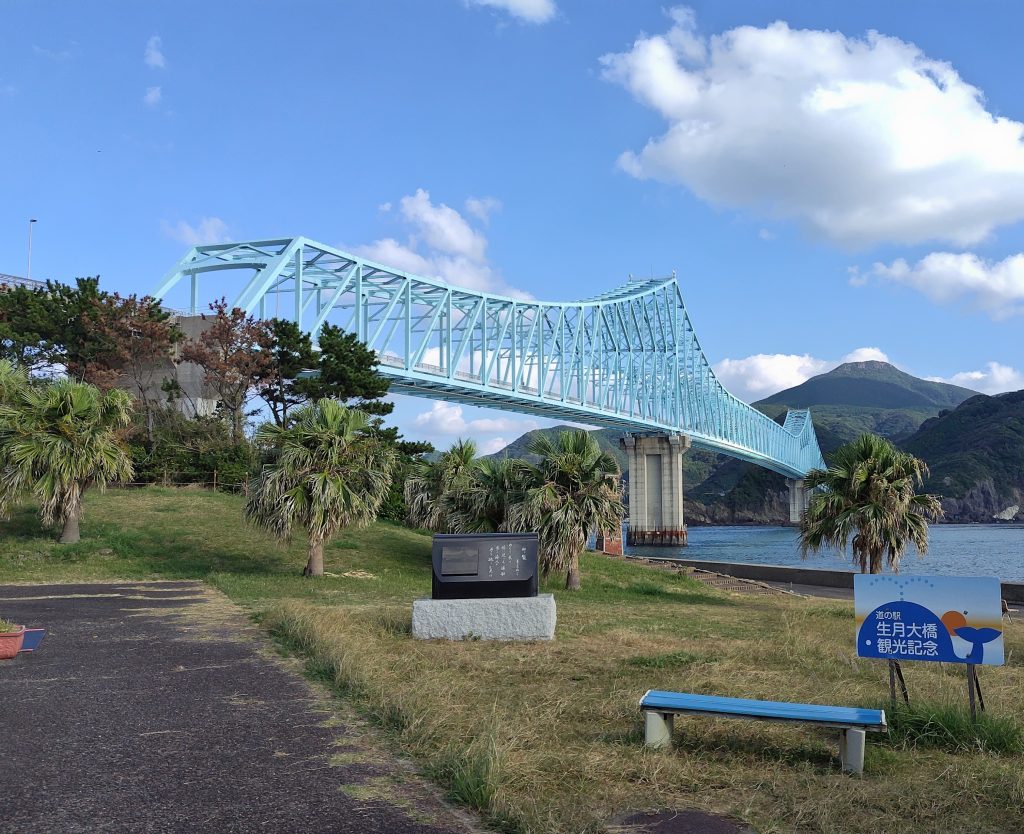
The Ikitsuki Bridge in Japan stands as the longest continuous truss bridge worldwide, featuring a remarkable 400-meter main span.
Completed in 1991, it connects Ikitsuki to Hirado Island and boasts advanced seismic design elements like hydraulic dampers and a lightweight structure.
These features help the bridge withstand frequent earthquakes, showcasing Japan’s engineering innovation.
Its elegant truss framework efficiently distributes loads, combining strength with aesthetic appeal—making it a true masterpiece of modern civil engineering.
2. Taylor Southgate Bridge
The Taylor Southgate Bridge, spanning the Ohio River between Kentucky and Ohio, showcases a steel truss design that combines strength with visual appeal.
Completed in 1995, it features a continuous truss structure enabling it to support heavy vehicular traffic efficiently. The bridge’s triangular truss elements distribute loads evenly, enhancing durability.
Serving as a vital transportation link, the Taylor Southgate Bridge highlights modern engineering improvements in materials and construction techniques while maintaining the classic truss aesthetic valued in infrastructure worldwide.
3. Kingston-Rhinecliff Bridge
The Kingston-Rhinecliff Bridge spans the Hudson River in New York, connecting Kingston to Rhinecliff. Measuring 7,793 feet, it ranks among the longest continuous underdeck truss toll bridges worldwide.
Designed by renowned engineer David B. Steinman, its construction lasted from 1954 to 1957. Officially named the George Clinton Kingston-Rhinecliff Bridge, this structure exemplifies mid-20th-century engineering prowess.
Its truss design efficiently distributes load through interconnected triangular elements, ensuring both strength and durability.
The bridge remains a vital transportation link and a lasting symbol of engineering excellence in the New England region.
4. Astoria-Megler Bridge
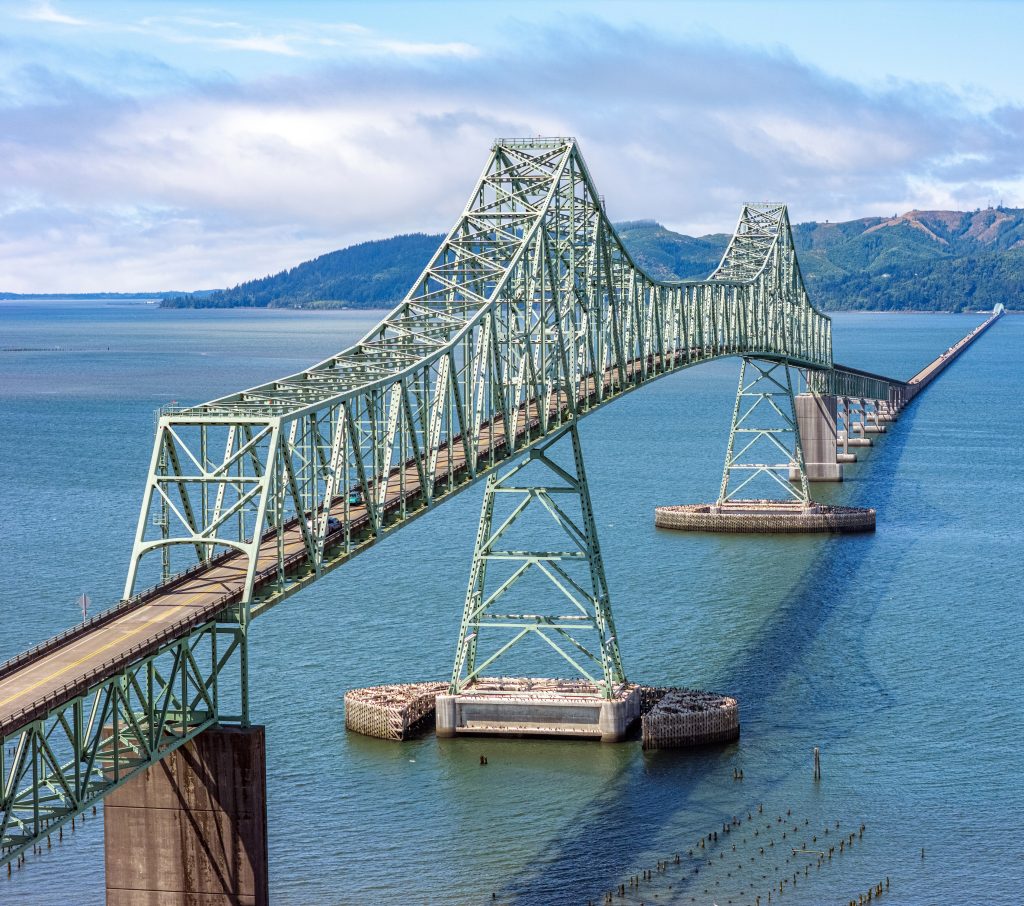
Spanning 4.067 miles over the challenging Columbia River, the Astoria-Megler Bridge connects Astoria, Oregon, to Pacific County, Washington. Completed in 1966, it stands as one of the longest continuous truss bridges globally.
Engineers tackled foundation issues by driving 200-foot steel piles into the sandy riverbed. Designed by Oregon and Washington transportation departments, its steel through-truss design showcases remarkable architectural mastery and remains a vital regional landmark along the West Coast.
5. Quebec Bridge
The Quebec Bridge in Quebec City, Canada, is a cantilever truss bridge with a main span of 549 meters, making it one of the longest of its kind worldwide.
Completed in 1919 after two tragic collapses during construction, it exemplifies engineering perseverance and innovation.
Its steel truss design supports immense loads across the St. Lawrence River, showcasing both strength and architectural grandeur.
The bridge remains a vital transportation link and a historic symbol of early 20th-century civil engineering excellence.
6. Braga Bridge
Braga Bridge, located in Portugal, is a striking example of a truss bridge that combines historical significance with modern utility.
Constructed to span the Cávado River, it features a steel truss design known for its efficiency in distributing heavy loads through interconnected triangular units.
The bridge serves as a crucial connection for local traffic and highlights engineering excellence through its robust structure and aesthetic appeal.
Its durable design and strategic location make Braga Bridge a landmark symbolizing both technological progress and regional development.
7. Tokyo Gate Bridge
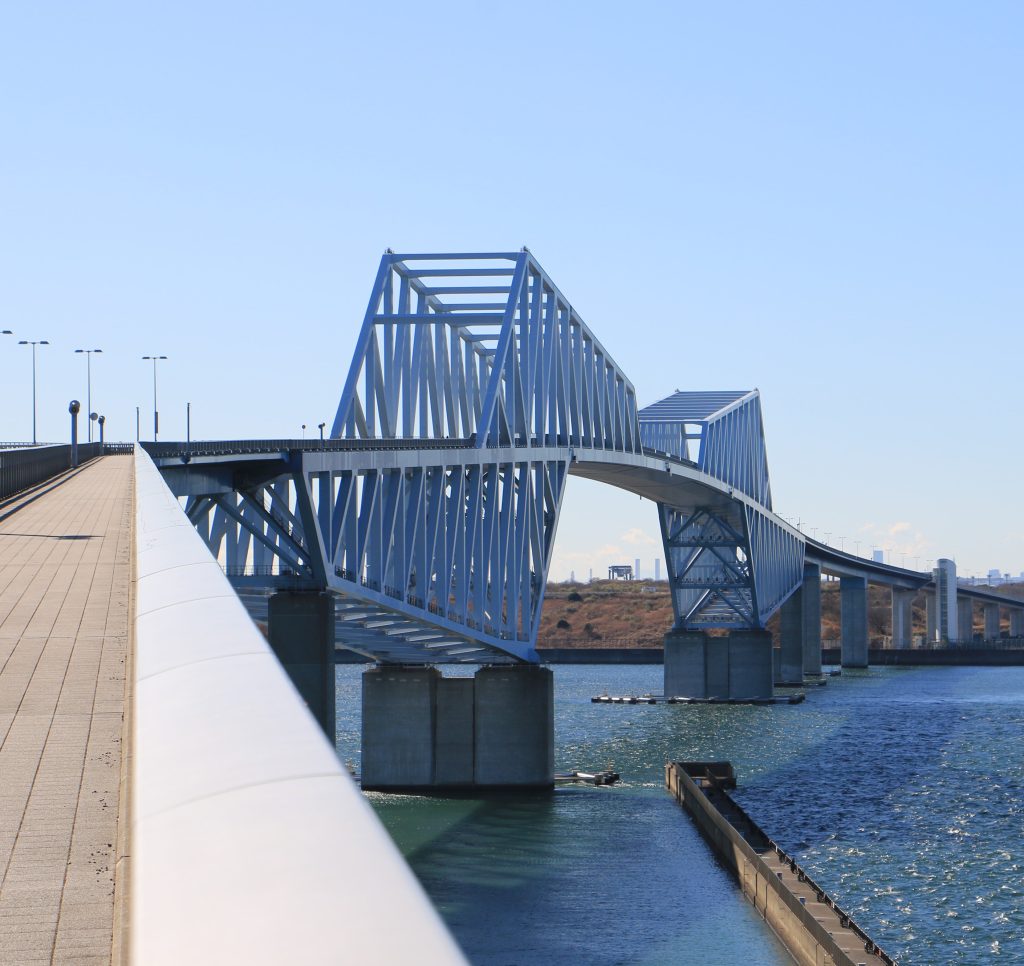
Completed in 2011, the Tokyo Gate Bridge stretches 8,589 feet across Tokyo Bay near Kōtō City. Designed by architect Makoto Itoi, its truss structure cleverly combines strength and aesthetic appeal while efficiently distributing heavy loads.
The bridge supports pedestrians, vehicles, and various transportation forms daily, connecting artificial islands Chubo and Wakasu.
Its unique design, resembling a dinosaur, minimizes interference with nearby air traffic. Construction began in 2002 after extensive planning, marking Tokyo Gate Bridge as a modern engineering marvel in Japan’s urban infrastructure.
8. Minato Bridge
Located in Osaka, Japan, the Minato Bridge ranks as the third-longest cantilever truss bridge worldwide, following the Quebec Bridge and the Forth Bridge.
It carries the Hanshin Expressway Route 16 Osakako Line on its upper deck and Route 5 Bayshore Line below.
Constructed between 1973 and 1974 by Hanshin Expressway Company Limited, this iconic truss bridge is celebrated for its distinct design and critical role in facilitating heavy traffic across Osaka’s busy port area.
Its robust cantilever truss framework efficiently distributes loads, ensuring stability and long-term durability.
9. Sewickley Bridge
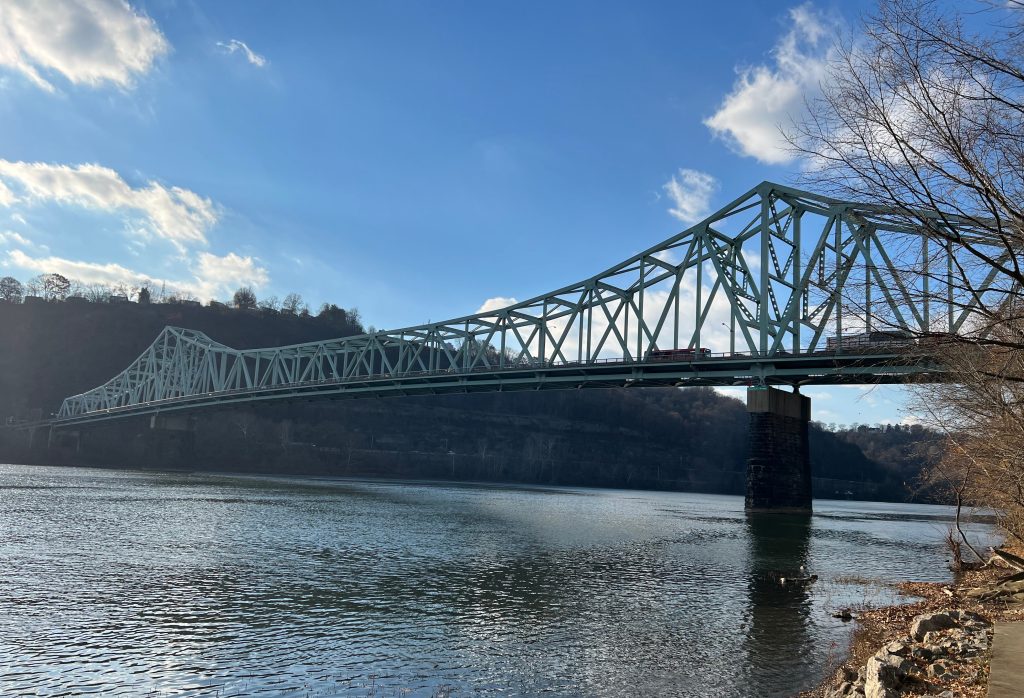
The Sewickley Bridge in Pennsylvania is a notable truss bridge famous for replacing an older 1911 structure with significant damage.
Built between the late 1970s and 1981, it measures exactly 1,500 feet. This bridge serves the communities of Sewickley and Moon Township, acting as a vital transportation link. Its robust truss design efficiently distributes loads, ensuring durability and safety.
Long valued as a southwestern Pennsylvania landmark, the Sewickley Bridge exemplifies practical engineering solutions to maintain critical infrastructure.
10. Tenmon Bridge
Located in a scenic region, the Tenmon Bridge exemplifies the elegance of truss bridge engineering. It features a steel truss design that maximizes load distribution through interconnected triangular units.
Constructed with durability in mind, this bridge supports both vehicular and pedestrian traffic efficiently. Its unique architectural style enhances local landscape aesthetics while maintaining structural strength.
The Tenmon Bridge remains a vital link within its community, symbolizing a successful blend of form and function in modern truss bridge construction.
Alicia Richards