We’ve all been there—cruising through the drive-thru after a long day because it’s fast, easy, and undeniably delicious. However, that convenience often comes with a hidden cost to your health.
Many of our favorite global chains pack their menus with high-sodium, calorie-dense items that can derail even the best nutrition plans.
From deep-fried chicken to sugar-laden treats, understanding what goes into your meal is the first step toward making better choices.
In this guide, we’re ranking twelve major fast-food contenders based on their nutritional reputation and the heavy ingredients they use to keep you coming back.
1. Heart Attack Grill
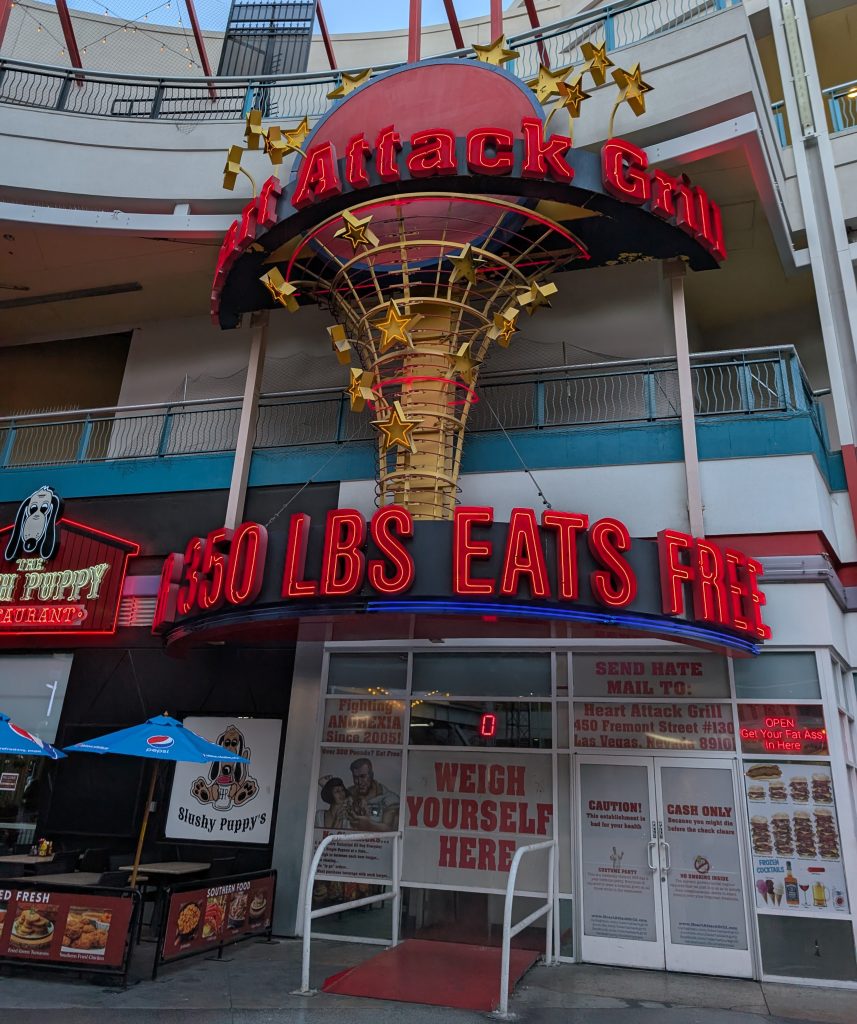
This establishment is widely considered the most dangerous restaurant currently in operation. Unlike most chains that try to mask their nutritional flaws, this place embraces them with a “tower” of food that is notoriously difficult for any one person to finish.
The environment is so extreme that if guests fail to finish their massive meals, they are playfully spanked by “nurses”.
Tragically, the name isn’t just a marketing gimmick; patrons have actually passed away after eating there. It is designed for shock value rather than sustenance, making it a place many would avoid.
2. McDonald’s
As a global giant, McDonald’s is often the first name that comes to mind when discussing the pitfalls of unhealthy eating.
While their menu is famous for being delicious to many, critics point out that their burgers are among the most unhealthy foods you could choose to eat.
One of the primary health concerns involves the heavy use of additives included simply to preserve the food for much longer periods.
Despite the convenience, the high processing levels make these meals difficult for the body to handle on a daily basis. It remains a major health concern for frequent diners.
3. Burger King
Often abbreviated as BK, this Miami-based global chain has been a staple in the fast-food industry since it was founded in 1953.
While some diners argue that Burger King tastes better than its competitors, it remains a significant health risk if consumed regularly.
The menu is centered around heavy hamburgers that, while tasty, are loaded with calories and fats.
While some may prefer its flame-grilled flavor over its rivals, it is important to remember that it is still an unhealthy choice that should be enjoyed in moderation rather than as a daily diet staple.
4. Taco Bell
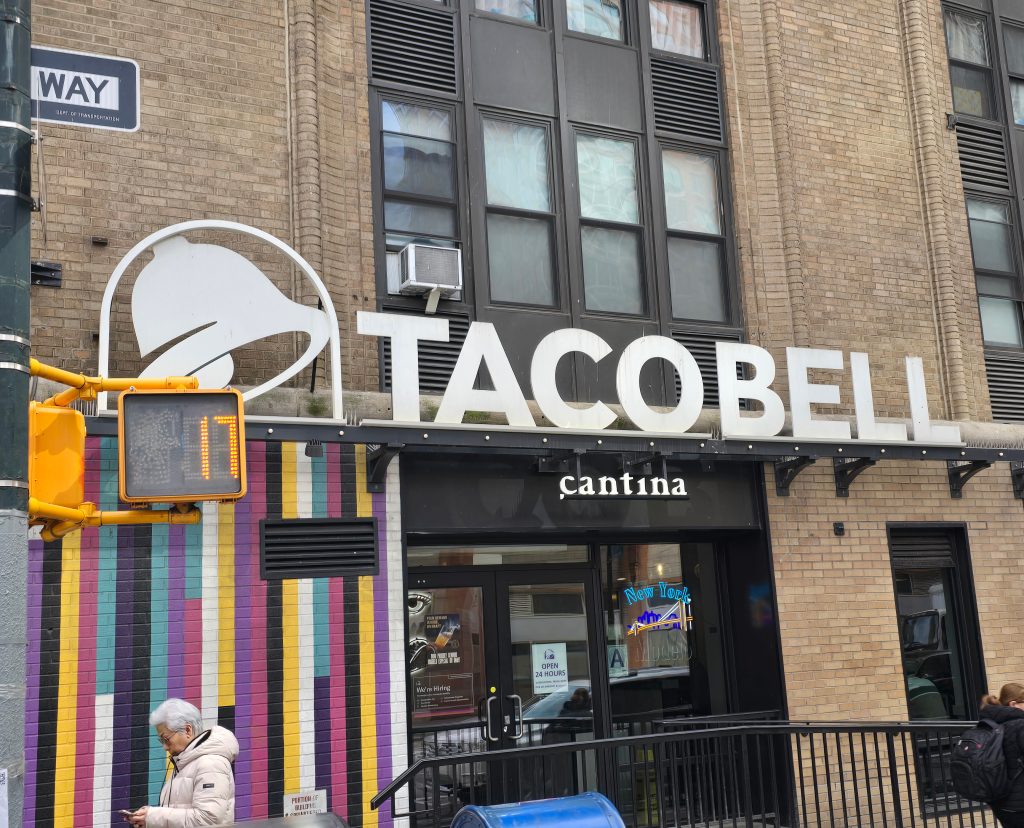
Based in Irvine, California, Taco Bell serves a massive variety of Tex-Mex inspired items, including burritos, quesadillas, and specialty “novelty” items.
As a subsidiary of Yum! Brands, the chain is famous for its value menu, but these affordable prices often come with a nutritional trade-off. Many of their specialty items are packed with sodium and saturated fats.
While they offer some lower-calorie options compared to burger joints, the combination of processed meats and heavy cheeses in their standard offerings makes them a frequent contender on lists of unhealthy eating destinations, often requiring extra caution for health-conscious diners.
5. Kentucky Fried Chicken (KFC)
Specializing in fried chicken, KFC is a massive global operation with nearly 20,000 locations worldwide. Headquartered in Louisville, Kentucky, the chain is synonymous with the “Original Recipe” that involves deep-frying chicken pieces.
Because the primary cooking method is frying, the meals are naturally high in fats and sodium. While fried chicken is a comfort food for many, the nutritional profile of a standard bucket or sandwich can be overwhelming.
Some diners even argue that while the flavor is iconic, other chains might be a slightly better choice depending on the specific menu item ordered.
6. Wendy’s
Founded by Dave Thomas in 1969, Wendy’s has grown to become the third-largest hamburger chain in the world.
Their menu is famous for square burgers and the Frosty, though it is important to note that these specific menu names are common knowledge and not directly mentioned in the sources.
These iconic items contribute to a high-calorie diet. Although the chain relocated its headquarters to Dublin, Ohio, it hasn’t moved away from the heavy, processed nature of fast food.
While they are often praised for using fresh beef, the overall salt and fat content in their signature meals remain a concern.
7. Subway

Subway is often perceived as a “healthy” alternative to burger joints because they serve salads and submarine sandwiches. However, this can be deceptive.
With approximately 45,000 stores globally, it is one of the fastest-growing franchises, but many of its breads and processed meats are high in sugar and sodium.
Advanced users should be aware that while a vegetable-heavy sub sounds good, adding heavy sauces and certain meats can quickly make a Subway meal just as caloric as a traditional burger, despite its fresher marketing image. It highlights how “healthy” branding doesn’t always equal a low-calorie meal.
8. Pizza Hut
Founded in Wichita, Kansas, in 1958, Pizza Hut has become an international franchise known for its variety of pizzas, pastas, and side dishes.
As another subsidiary of Yum! Brands, the chain focuses on comfort food that is often heavy on cheese and oil. A single slice of their signature pan pizza can contain a significant portion of your recommended daily saturated fat.
When you factor in popular sides like breadsticks and wings, the meal’s nutritional value plummets. It is a classic example of high-calorie, high-sodium dining that requires careful portion control to avoid negative health impacts.
9. Domino’s Pizza
Headquartered in Ann Arbor, Michigan, Domino’s became the largest pizza seller in the world by 2018. Their menu is centered around fast delivery and convenience, which often means ingredients are chosen for speed and shelf-life rather than nutritional density.
Like other major pizza chains, the combination of refined flour crusts, processed meats, and high-fat cheeses makes their products very calorie-dense.
While a convenient option for late-night cravings, frequent consumption can lead to excessive sodium intake. This is a key concern for anyone monitoring their heart health or blood pressure while navigating the modern fast-food landscape.
10. Dairy Queen
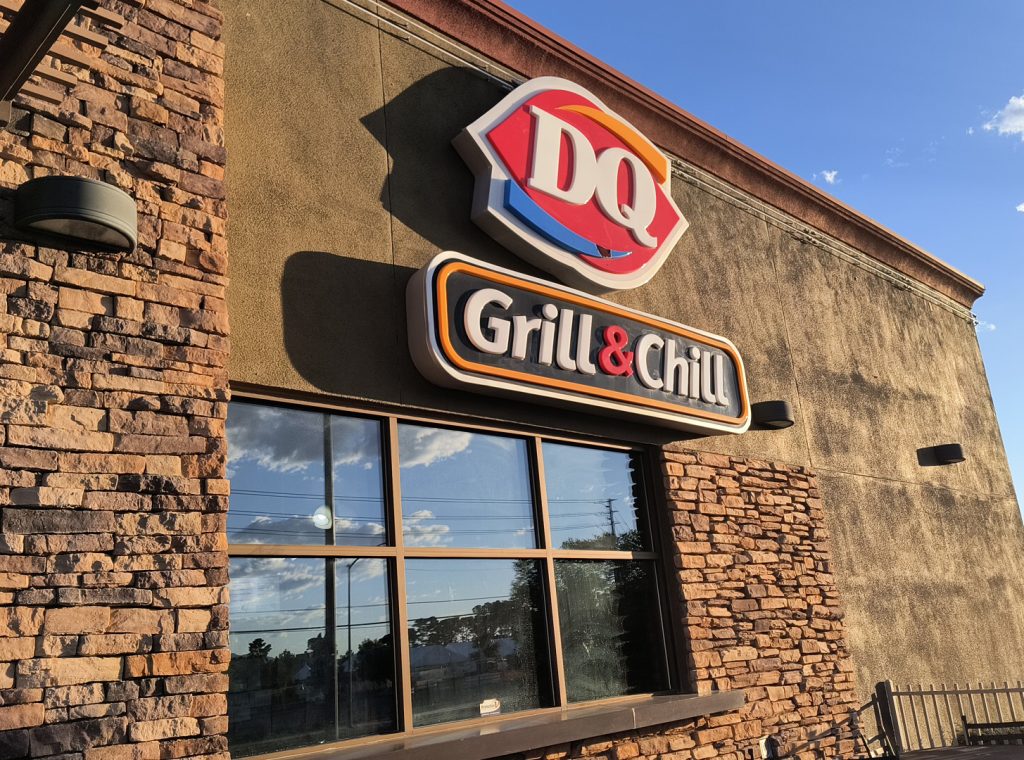
While Dairy Queen serves burgers, they are best known for their soft-serve ice cream and signature “Blizzard” treats.
These desserts are blended with various mix-ins like cookies and candies, creating a high-sugar, high-calorie combination.
Owned by Berkshire Hathaway, this Illinois-founded chain is a go-to for sweets, but even their savory items are typical of the unhealthy fast-food category.
For those looking to maintain a balanced diet, the sugar content in a single large Blizzard can often exceed the recommended daily limit for an adult in just one sitting, making it a “sometimes” treat at best.
11. Jack in the Box
This San Diego-based chain is unique because of its incredibly diverse menu, which includes everything from standard burgers to tacos and full breakfast items.
Operating primarily on the West Coast with over 2,200 locations, Jack in the Box offers a “jack of all trades” approach that includes many deep-fried and high-fat options.
The convenience of ordering a taco alongside a burger might be tempting, but it doubles the exposure to processed ingredients and high sodium levels.
This variety makes it one of the more nutritionally complex yet hazardous stops in the fast-food world for those watching their health.
12. Dunkin’ Donuts
Based in Massachusetts, Dunkin’ is one of the largest coffee and baked goods chains globally, with over 13,000 locations.
While they have rebranded to focus more on coffee, their namesake donuts remain a nutritional hurdle.
These treats are high in refined sugars and fats, providing little to no nutritional value while causing significant blood sugar spikes.
Even their savory breakfast sandwiches are often high in sodium and preservatives. For a beginner trying to eat better, stopping here for a morning “pick-me-up” can actually lead to a mid-day energy crash due to the high sugar content.
Declan Kelly