In the expansive landscape of quick-service dining, certain fast food chains frequently draw serious criticism concerning everything from ingredient quality to hygiene and customer service.
While fast food often provides convenience, understanding which chains consistently fall short can help consumers make better choices for their health and wallet.
This detailed look, valuable for both seasoned patrons and fast-food novices, identifies ten chains based on common critiques regarding food quality, service failures, and concerning preparation methods detailed in various customer and employee reports. Recognizing these pitfalls is the first step toward finding healthier alternatives.
1. Taco Bell: The Corporate Trap of Empty Calories
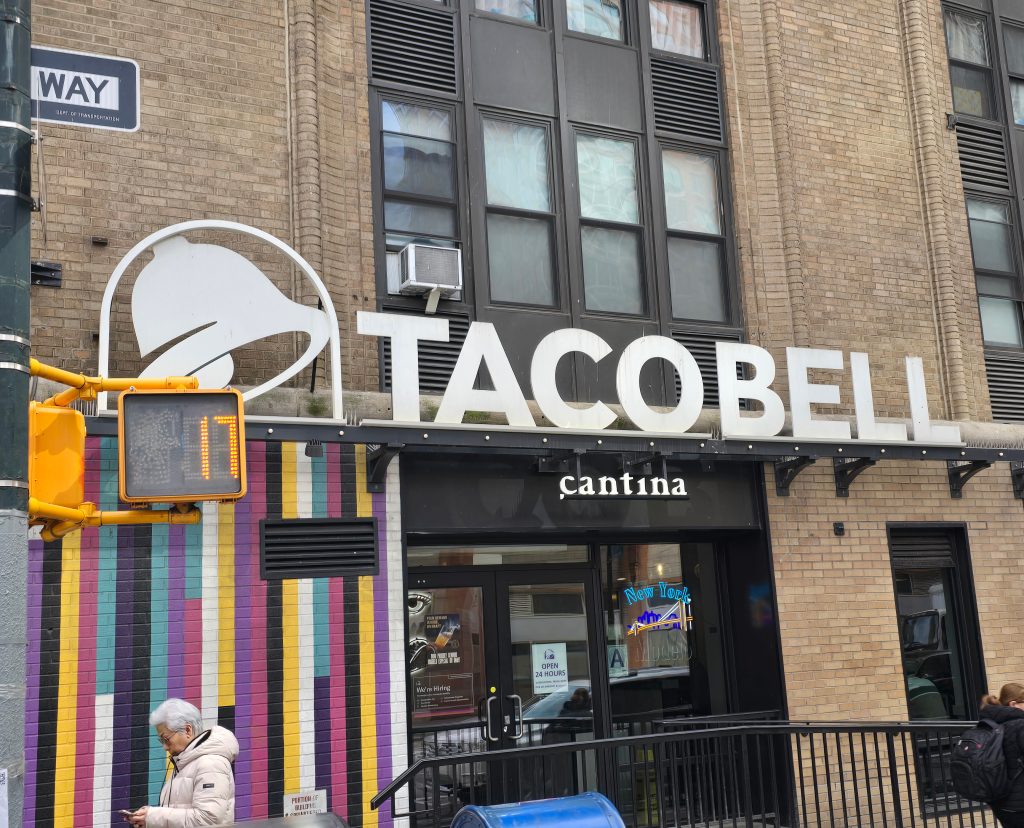
Taco Bell, headquartered in Irvine, California, is often criticized not for its taste, which some find minimally satisfying, but for its significant nutritional drawbacks.
The Tex-Mex fare served by this Yum! Brands subsidiary is reportedly loaded with empty calories and high fat content, including trans fats and salt, often exceeding daily recommended values in a single meal.
Eating there frequently can lead to weight gain while simultaneously leaving the consumer significantly nutrient deficient.
Furthermore, critics claim the company uses controversial, addictive oils in their food, which may cause continuous cravings, suggesting the chain cares more about repeat business than customer well-being.
2. Chipotle Mexican Grill: High Costs and Health Risks
While Chipotle aims to project an image of health, critics point out that an individual burrito can quickly climb to over a thousand calories, making the perceived health benefits questionable, especially given the cost.
Beyond the expense and high caloric content, Chipotle has faced significant scrutiny regarding food safety.
Reports indicate that the chain has had ten times the rate of food poisoning incidents compared to other fast-food changes.
There have been substantial legal issues, including a lawsuit stemming from the company allegedly using microbes in their food for preservation, which led to over 200 serious, life-threatening consequences.
3. McDonald’s: Service Errors and Quality Control Failures
Founded in 1940, McDonald’s is one of the world’s largest fast-food companies, yet it frequently receives complaints regarding quality and accuracy.
Customers report numerous service failures, such as receiving orders that are completely wrong, including a large drink request being fulfilled with a small, or receiving cold chicken nuggets that felt like “fake meat”.
Managerial response to complaints has also been cited as lacking, exemplified by a manager simply wiping mustard off a burger when the customer specifically asked for none. Issues extend even to beverages, with coffee sometimes tasting like soda water.
4. Arby’s: Poor Hygiene and Misleading Preparation
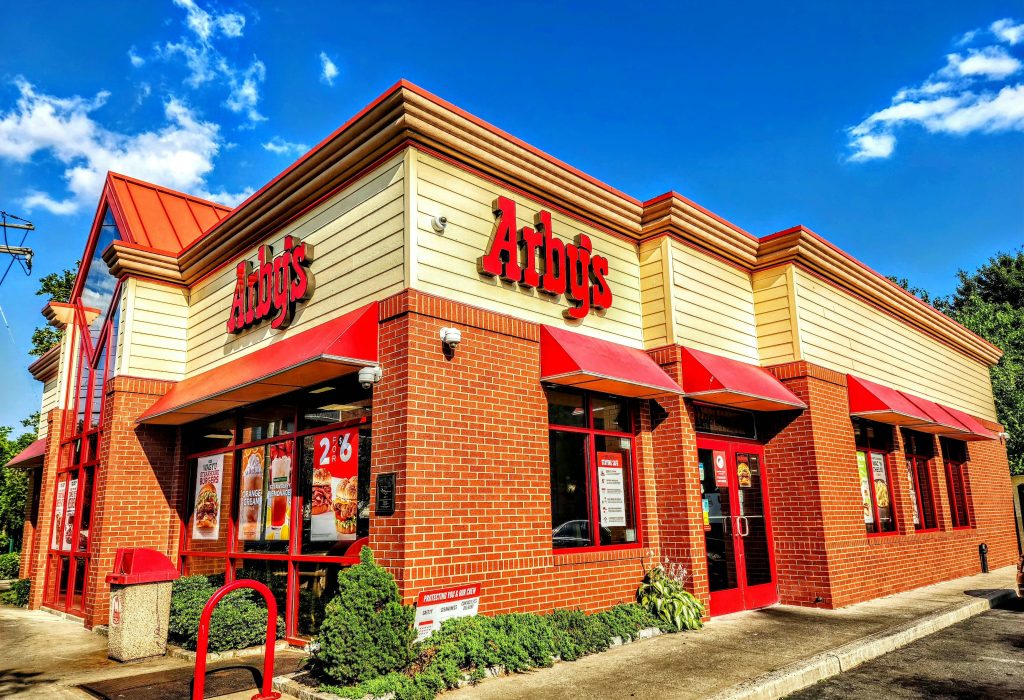
Arby’s, known as the second-largest quick-service sandwich chain in the U.S., faces harsh critique over operational cleanliness and food processing.
Locations have been described as hazardous landfills, with dirty floors and staff who struggle to understand orders.
The quality of specific menu items, like the philly cheesesteak and roast beef sandwiches, is often called “crap,” with bread being soft and untoasted, and the sauce described as horrible.
Additionally, employees report major issues with food preparation: chicken products may sit out for too long, and while the brisket is advertised as being smoked for thirteen hours, it arrives frozen and is simply microwaved for about 25 seconds.
5. Jack In The Box: Digestibility and Disappointment
Jack in the Box, known for its diverse menu, has left some first-time visitors severely disappointed.
One family’s highly anticipated first experience resulted in extremely poor quality food. The most serious complaint centered on the aftermath of eating, which led to a sleepless night filled with severe gastrointestinal distress and an inability to leave the toilet the following day.
Such experiences suggest that the food can cause a severe shock to the digestive system. Given the poor quality and subsequent illness, some critics suggest they would rather eat at chains like McDonald’s daily than try Jack in the Box again.
6. Burger King: Consistent Operational and Supply Chain Issues
Burger King (BK) is frequently mentioned for persistent operational failures, particularly within its drive-thru service.
Customers traveling frequently report that they consistently encounter problems across different BK locations.
Issues range from basic ingredient shortages, such as being “out of tomatoes,” to major service disruptions, like not accepting credit cards or experiencing long waits (up to fifteen minutes) for standard items like fries.
Furthermore, quality control on products is poor, often involving the excessive application of condiments, such as too much mayonnaise on burgers.
7. Pizza Hut: Foodborne Illness and Dirty Conditions
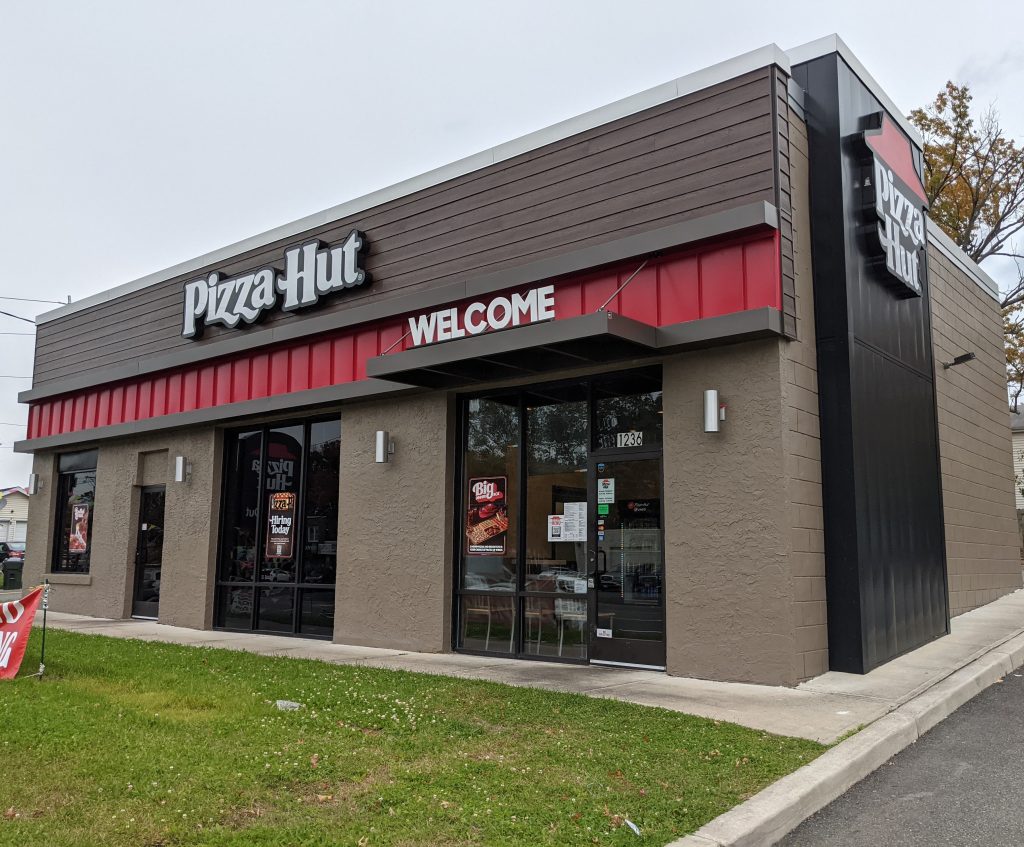
Pizza Hut, an international franchise specializing in pizza and side dishes, has been associated with significant health issues.
One customer reported becoming violently ill and throwing up for twenty minutes in a “stupidly dirty” bathroom after eating a stuffed crust pizza.
This illness resulted in missing two days of school. Other negative memories of the chain involve past instances of vomiting after eating their pizza.
When incidents like severe illness are reported, the company has been noted for offering minimal compensation, such as only a $5 discount for “inconvenience”.
8. White Castle: Soggy Texture and Minimal Quality
White Castle is not as widely known as other major fast-food chains, and some suggest there is a strong reason for this lack of popularity.
The food is described as stomach-churning and extremely gross, consisting of the world’s tiniest burger patty.
These minimal patties are served between two buns that are described as greasy, slimy, and soggy.
To make matters worse, staff reportedly feel the need to overload these small burgers with excessive amounts of ingredients like lettuce and mustard. The overall impression is one of extremely low-quality food that is difficult to consume.
9. KFC (Kentucky Fried Chicken): Order Inaccuracy and Slow Service
KFC, specializing in fried chicken, is known for significant service deficits and order accuracy problems.
Customers frequently encounter excessively long wait times, even just to place an order via the drive-thru, followed by eons-long waits to receive the food.
A major recurring issue is receiving the wrong item, such as a customer ordering a BBQ chicken sandwich and instead receiving a spicy Nashville Hot sandwich, which looked identical.
These persistent errors are not isolated; the issue is so frequent that it has been called the “millionth time” it has happened. In locations mixed with Taco Bell, these issues consistently plague both sides of the operation.
10. Chick-fil-A: Political Controversy and Mediocre Food
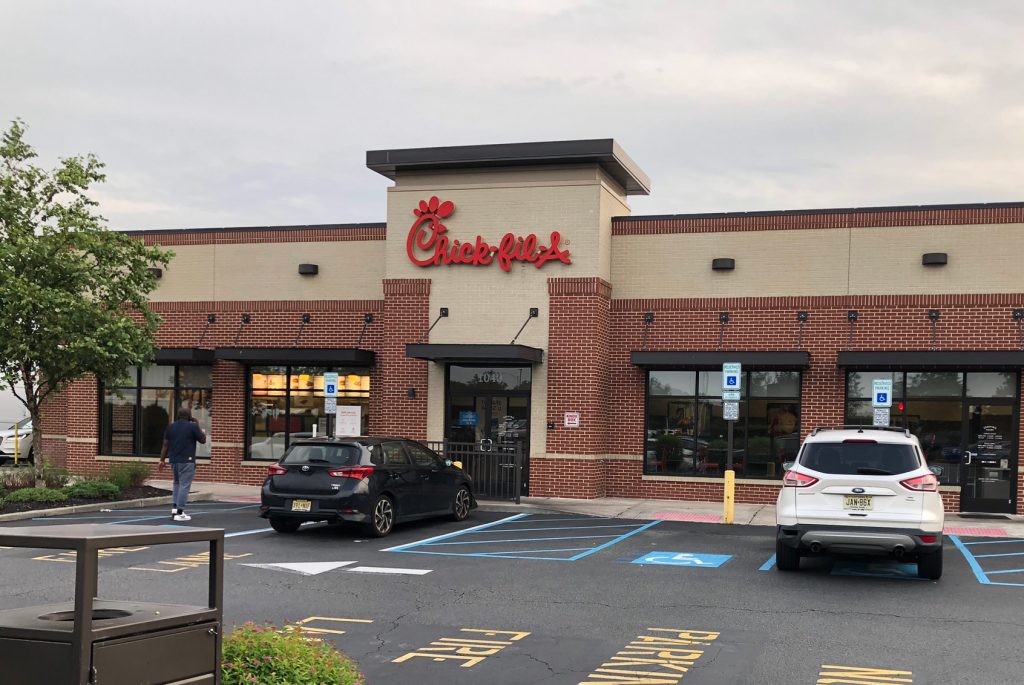
While Chick-fil-A specializes in popular chicken sandwiches, critics raise serious concerns that extend beyond the food itself.
The quality of the food is often described as merely “mediocre”. The primary complaint centers on the franchise owner and the company’s alleged financial support of anti-gay and lesbian organizations.
Customers have vowed to stop patronizing the restaurant after reports that they allegedly refused to serve gay or lesbian individuals on certain days.
Furthermore, patrons have complained about terrible service, disgusting food, and even finding a beetle in their chicken.
In Summary: The fast-food industry presents a complicated picture, often balancing speed and cost against quality and customer care.
As demonstrated by the operational failures at Burger King and KFC, the severe health risks associated with chains like Chipotle and Jack In The Box, and the questionable ingredients used by Arby’s and Taco Bell, consumers must remain vigilant.
If seeking alternatives to these criticized chains, sources sometimes point toward Popeyes, Jollibee, or Burger King (despite its flaws) as potentially better choices than McDonald’s.
For those looking for pizza alternatives, Minsky’s, Godfather’s Pizza, and Papa Johns have been mentioned by families as replacements for Pizza Hut.
Ultimately, navigating the fast-food world requires consumers to weigh the convenience against the consistent issues of poor quality, service, and questionable health standards.
Declan Kelly